Free Shipping
on orders over $150.00
$0.00
$150.00
Add $150.00 more for free shipping!


TL;DR:
- Cannabis edibles offer long-lasting, smoke-free relief and are discreet options suited for medical and recreational use. Their delayed onset requires careful, gradual dosing, starting at 2.5 mg THC, with patience and secure storage to prevent accidents. Understanding their metabolic process and effects ensures safer consumption, especially for managing chronic or neurological pain overnight.
Cannabis edibles are oral products infused with THC and/or CBD that deliver extended relief without the lung irritation caused by smoking. The benefits of edibles go well beyond simple convenience. They offer discreet consumption, longer-lasting effects, and a smoke-free experience that makes them a practical choice for both medical patients and recreational users. Whether you are managing chronic pain, seeking relaxation, or simply curious about alternatives to inhalation, understanding how edibles work and how to use them safely is the foundation for a positive experience.
Cannabis edibles provide relaxation, anxiety relief, and management of chronic pain and neurological symptoms, including multiple sclerosis and seizure disorders. That range of therapeutic applications is broader than most people realise when they first consider edibles as a consumption method.
The advantages of cannabis edibles over inhalation include:
The health benefits of edibles are most pronounced for users who need consistent, prolonged relief. A person managing neuropathic pain overnight, for example, benefits far more from an edible that works for eight to twelve hours than from an inhaled dose that fades within two.
Pro Tip: If you are using edibles for the first time for a medical condition, speak with a healthcare provider before starting. They can help you identify whether THC, CBD, or a combination is most appropriate for your symptoms.
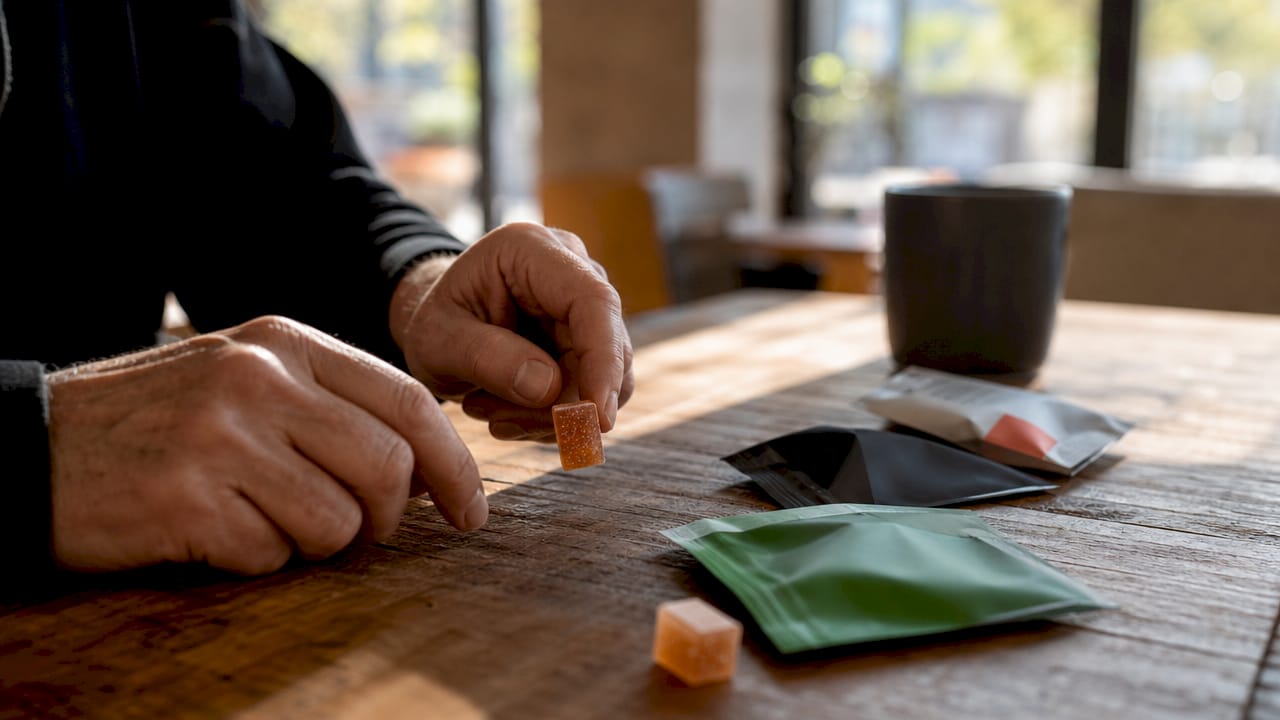
When you eat a cannabis edible, THC travels through the digestive system and is processed by the liver before entering the bloodstream. The liver converts THC into 11-hydroxy-THC, a metabolite that binds to CB1 receptors in the brain more potently than inhaled THC. This is why edibles often feel stronger and last longer than an equivalent inhaled dose, even when the milligram count appears similar.
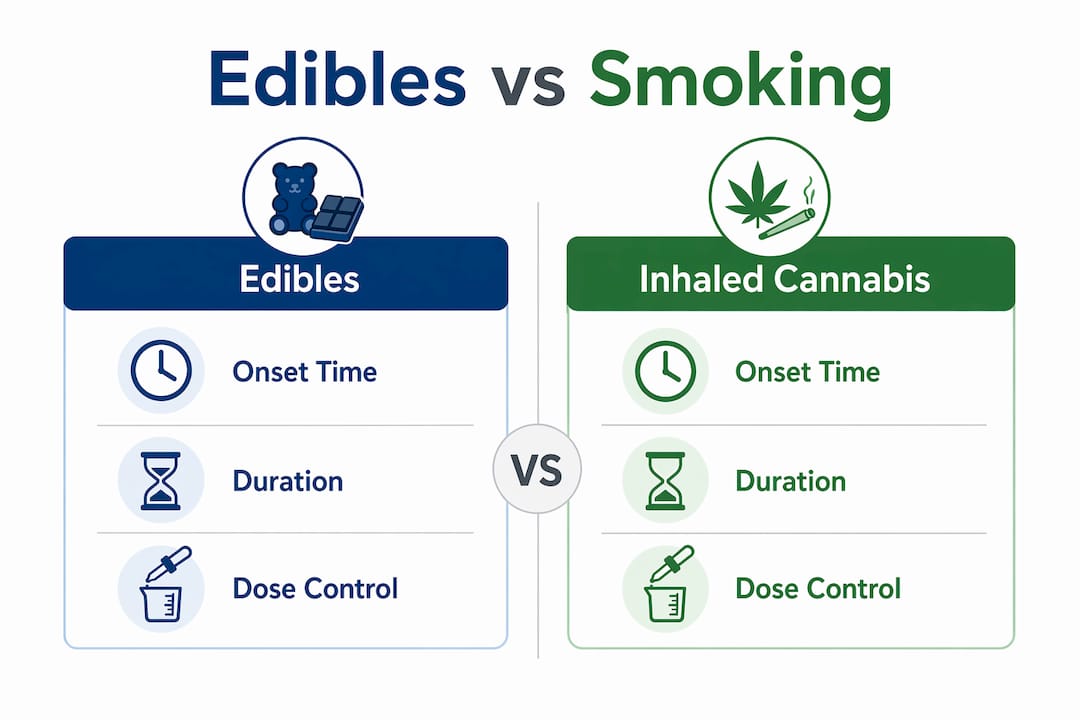
The contrast with smoking or vaping is significant. Inhaled THC reaches the bloodstream within minutes through the lungs, producing effects that are dose-correlated and relatively predictable. Oral THC, by contrast, varies considerably between individuals due to differences in metabolism, body weight, and whether the person has eaten recently. This unpredictability is the primary reason why dosing discipline matters so much with edibles.
| Factor | Edibles | Inhaled cannabis |
|---|---|---|
| Onset time | 30 minutes to 2 hours | 2 to 10 minutes |
| Peak effect | 2 to 4 hours after ingestion | 15 to 30 minutes after inhalation |
| Duration | 6 to 12 hours | 1 to 3 hours |
| Metabolite | 11-hydroxy-THC (more potent) | Delta-9-THC |
| Predictability | Lower, varies by individual | Higher, dose-correlated |
Understanding the edibles onset time is the single most important piece of knowledge for any new user. The gap between ingestion and effect is where most overconsumption incidents begin.
Pro Tip: Eating a light meal before consuming an edible slows absorption slightly and can smooth out the intensity of the peak effect. An empty stomach accelerates onset and can make the experience feel more abrupt.
Safe dosing is the difference between a therapeutic or enjoyable experience and an overwhelming one. Follow these steps to get it right from the start:
For a more detailed breakdown of dose ranges and how to find your personal threshold, the cannabis edibles dosing guide from Greensociety covers the full spectrum from microdosing to moderate recreational use.
Pro Tip: Keep a simple log of your dose, the time you consumed, and the effects you noticed. After three or four sessions, patterns become clear and you can adjust with confidence rather than guesswork.
Knowing what to expect from edibles removes a lot of the anxiety that first-time users report. Normal effects at moderate doses include:
Side effects become more likely as dose increases or when a user has low tolerance. Psychiatric side effects including anxiety, paranoia, and hallucinations are documented, and emergency room visits related to edible overconsumption are rising, particularly among first-time users who underestimate potency.
Individual variability plays a large role. Two people consuming the same 10 mg gummy can have dramatically different experiences based on body composition, prior cannabis exposure, and stress levels at the time of consumption. This is one area where edibles differ sharply from inhaled cannabis, where dose-response is more consistent across users. If you want a thorough overview of what can go wrong and how to manage it, Greensociety’s guide on potential side effects of edibles is worth reading before your first session.
Seek medical attention if you or someone else experiences severe confusion, chest pain, difficulty breathing, or loss of consciousness after consuming an edible. These are not typical effects and require professional assessment.
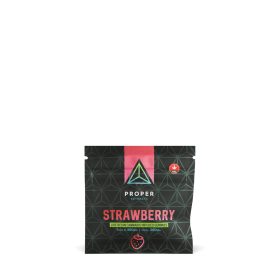
Cannabis edibles are available in gummies, chocolates, beverages, capsules, baked goods, and even savoury snacks like popcorn. The format you choose affects more than just flavour. It influences onset time, dosing precision, and how practical the product is for your lifestyle.
| Product type | Best for | Onset time | Dosing precision |
|---|---|---|---|
| Gummies | Recreational and medical use | 45 to 90 minutes | High (pre-measured doses) |
| Capsules | Medical users, discreet use | 60 to 120 minutes | Very high |
| Chocolates | Recreational enjoyment | 30 to 90 minutes | Moderate |
| Beverages | Social settings, faster onset | 15 to 45 minutes | Moderate |
| Baked goods | Casual use | 45 to 120 minutes | Lower (uneven distribution) |
Gummies and capsules are the most reliable formats for anyone prioritising consistent dosing. Baked goods, while popular, can have uneven cannabinoid distribution throughout the product, meaning one bite may contain more THC than another. For medical users especially, that inconsistency matters.
Always read the product label before purchasing. A reputable product lists total THC and CBD content per serving and per package, the recommended serving size, and storage instructions. Purchasing from a regulated source like Greensociety means those labels are accurate and the products have met quality standards. If you are curious about the full range of formats available, the incredible edibles on the market guide from Greensociety is a practical starting point.
Cannabis edibles deliver longer-lasting, smoke-free relief than inhaled cannabis, but their delayed onset and variable potency require disciplined dosing and patience to use safely.
| Point | Details |
|---|---|
| Long-lasting effects | Edibles can provide relief for 6 to 12 hours, making them ideal for chronic symptom management. |
| Delayed onset risk | Effects take 30 minutes to 2 hours to appear; always wait before taking a second dose. |
| Liver metabolism changes potency | THC converts to 11-hydroxy-THC in the liver, producing stronger effects than the same inhaled dose. |
| Start low, go slow | Begin at 2.5 mg THC and increase gradually across sessions, not within a single sitting. |
| Secure storage is non-negotiable | Edibles resemble food and must be locked away from children and pets at all times. |
I have spoken with a lot of cannabis users over the years, and the pattern is almost always the same. Someone tries an edible, feels nothing after an hour, takes more, and then spends the next six hours wishing they had not. The 2-hour rule is not a suggestion. It is the most important piece of advice in this entire article, and it is the one most consistently ignored.
What I find genuinely underappreciated about edibles is their value for people who need relief overnight or through a long workday without the ability to step outside and inhale something. A well-dosed edible taken at bedtime can manage pain through the night in a way that no inhaled product can match. For cancer patients, people with MS, or anyone dealing with persistent neuropathic pain, that duration is not a nice-to-have. It is the whole point.
The other thing worth saying plainly: potency varies between products and even between batches of the same product. What worked perfectly at 10 mg last month may hit differently today. Treat each new package as a fresh start and dose conservatively until you know how it behaves. That habit alone prevents most of the bad experiences people associate with edibles.
— Juiced
Ready to put this knowledge to use? Greensociety carries a wide selection of quality-tested edibles across every format, from precisely dosed gummies and capsules to artisan chocolates and beverages.
If you want to go further, the cannabis edible recipes and tips guide on the Greensociety blog walks you through preparation techniques and safe dosing for home-made options. For those still weighing their options, the why choose edibles guide covers the full picture of benefits, effects, and safe use in one place. Browse the full edibles catalogue at Greensociety and order with confidence, knowing every product ships discreetly and meets consistent quality standards.
A cannabis edible is any food or beverage product infused with THC, CBD, or both. Common forms include gummies, chocolates, capsules, baked goods, and drinks.
Edible effects typically last between 6 and 12 hours, significantly longer than inhaled cannabis, which fades within 1 to 3 hours.
The liver converts ingested THC into 11-hydroxy-THC, a metabolite that binds more potently to brain receptors than the delta-9-THC produced by inhalation.
2.5 mg of THC is the recommended starting dose for infrequent users. Wait at least two hours before considering any additional amount.
Yes. Research supports edibles for managing chronic pain, chemotherapy-related discomfort, and neurological symptoms, with effects lasting long enough to provide sustained overnight relief.