Free Shipping Unlocked!
Your order qualifies for free shipping
-
×
 Green Society Herb Grinder
$40.00
Green Society Herb Grinder
$40.00

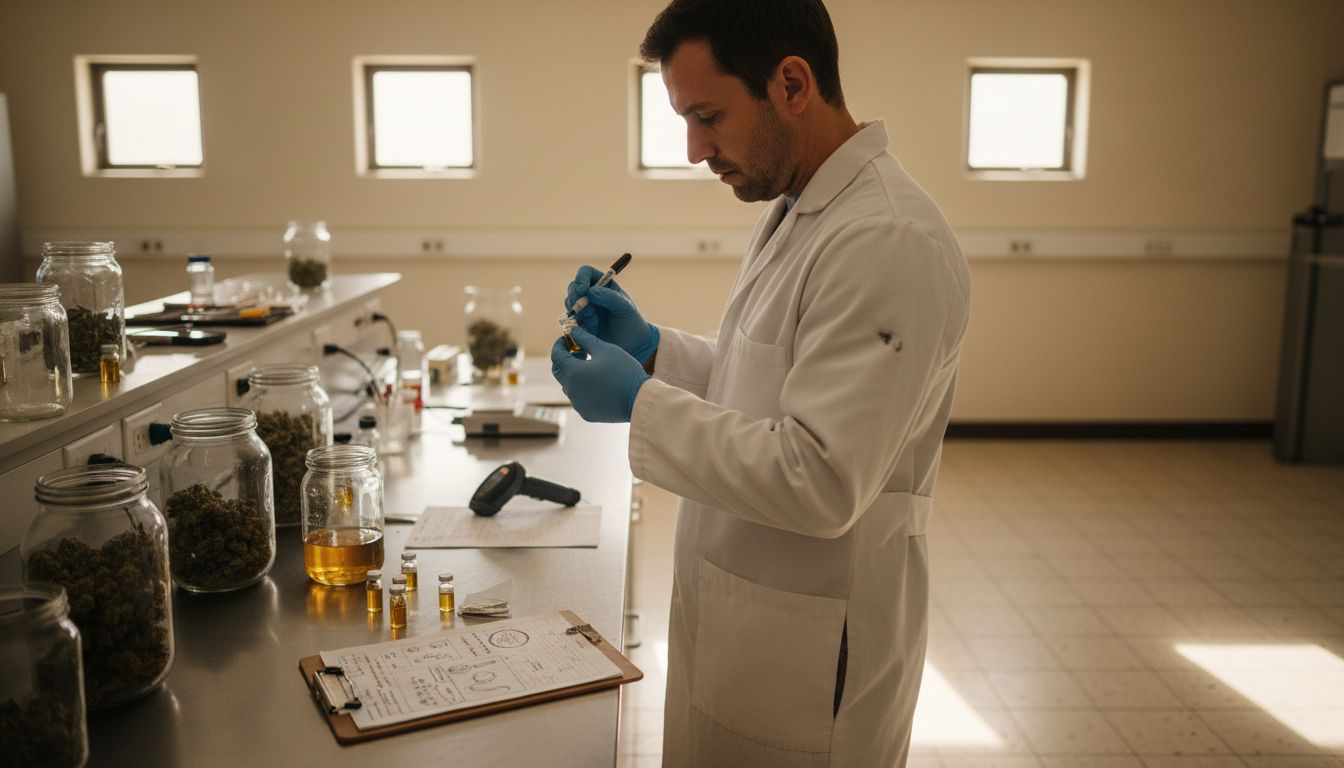
More than 90 percent of Canadian cannabis sold legally undergoes strict lab testing before reaching store shelves. As demand rises for cannabis products across Canada, knowing exactly what is in each product has never mattered more. Accurate lab results protect public health by screening for hidden contaminants and confirming potency, giving Canadians the information they need to safely choose from an expanding selection of options.
| Point | Details |
|---|---|
| Importance of Lab Testing | Lab testing ensures safety and reliability of cannabis products by screening for contaminants and verifying potency. |
| Regulatory Compliance | Canadian health authorities mandate stringent testing standards to protect consumer interests and build trust in cannabis products. |
| Types of Testing | Potency, purity, and contaminant detection are crucial testing categories that provide insights into product safety and efficacy. |
| Risks of Untested Products | Without lab testing, consumers face significant health risks from contaminants, leading to unsafe cannabis consumption experiences. |
Lab testing represents the critical quality control checkpoint for cannabis products, ensuring consumer safety and product reliability through comprehensive scientific analysis. These rigorous examinations act as a protective barrier between potentially compromised cannabis materials and end consumers, systematically screening for potential risks and verifying product characteristics.
The primary objectives of cannabis lab testing encompass several key areas of investigation. Cannabis quality assurance involves detecting potential contaminants such as pesticides, heavy metals, microbial organisms, and residual solvents that could pose significant health risks. Labs employ sophisticated analytical techniques like high-performance liquid chromatography and gas chromatography to identify and quantify these potentially harmful substances with remarkable precision.
Potency verification stands as another fundamental aspect of laboratory assessment. Testing protocols precisely measure cannabinoid concentrations, including tetrahydrocannabinol (THC), cannabidiol (CBD), and other significant compounds. This process enables consumers and medical professionals to understand exact product compositions, facilitating appropriate dosage recommendations and predictable therapeutic or recreational experiences. Third-party testing protocols further validate these measurements, providing an additional layer of transparency and credibility.
Beyond safety and potency, lab testing also serves regulatory compliance functions. Canadian health authorities mandate specific testing standards to protect consumer interests, requiring detailed chemical analyses that confirm product safety before market distribution. These comprehensive evaluations help build consumer trust, demonstrating a commitment to quality control that distinguishes responsible cannabis producers from less rigorous operators.
Cannabis laboratory testing encompasses three critical domains of scientific assessment: potency, purity, and contaminant detection. Product quality verification requires comprehensive analysis that goes far beyond simple visual inspection, providing consumers and regulators with detailed insights into the chemical composition and safety of cannabis products.
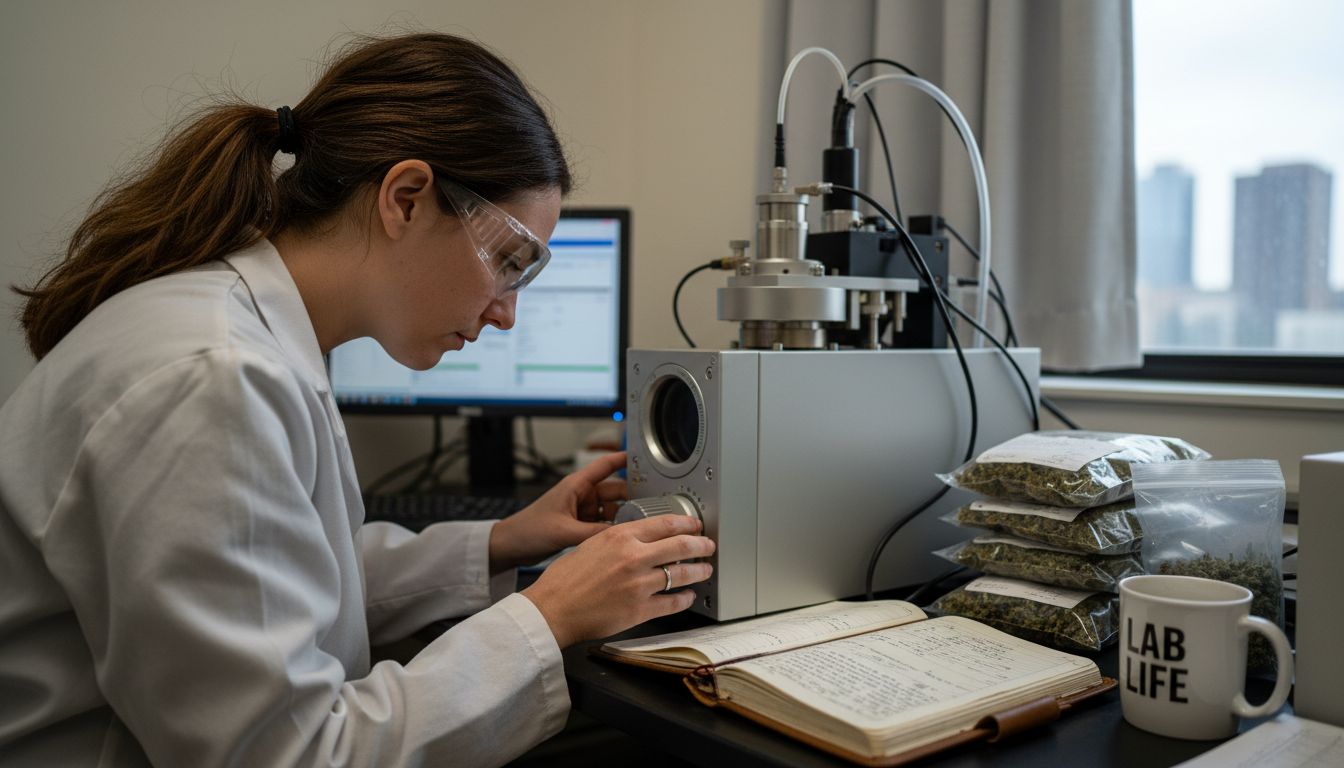
Potency testing represents the foundational analysis, precisely measuring cannabinoid concentrations through advanced chromatography techniques. Laboratories systematically quantify levels of tetrahydrocannabinol (THC), cannabidiol (CBD), and other significant cannabinoids, enabling accurate dosage recommendations and predictable therapeutic outcomes. These detailed measurements help medical professionals and consumers understand exact product strengths and potential effects.
Contaminant screening forms another crucial aspect of laboratory testing. Advanced analytical methods detect potentially harmful substances including pesticide residues, heavy metals, microbial organisms, and residual solvents. By employing sophisticated techniques like gas chromatography and mass spectrometry, labs can identify trace amounts of dangerous compounds that might compromise consumer health. Purity assessments ensure that cannabis products meet stringent safety standards, protecting consumers from potentially hazardous materials.
Microbial testing adds an additional layer of safety verification, screening for pathogenic organisms like mold, bacteria, and fungal spores that could pose significant health risks. These rigorous protocols demonstrate the cannabis industry’s commitment to consumer protection, transforming laboratory testing from a regulatory requirement into a critical mechanism for maintaining product integrity and public trust.
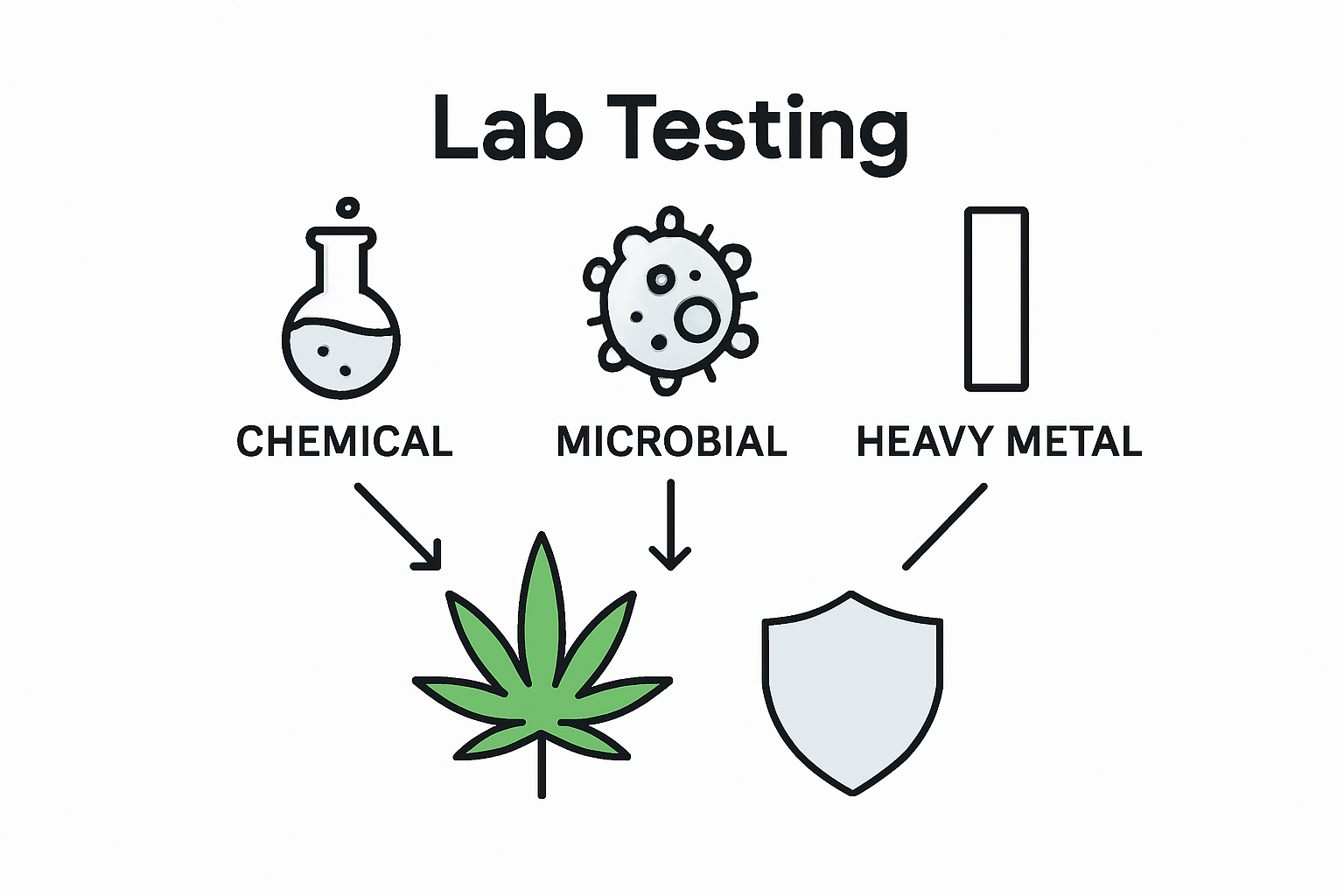
The cannabis laboratory testing process is a meticulously structured scientific workflow designed to ensure product safety, quality, and regulatory compliance. Cannabis traceability plays a crucial role in tracking each product through its comprehensive analytical journey, creating a transparent chain of documentation from cultivation to consumer.
Initial sample preparation represents the foundational stage of laboratory testing. Technicians carefully collect representative samples from cannabis batches, precisely weighing and homogenizing materials to guarantee accurate representation. Sophisticated extraction techniques then isolate specific compounds, preparing them for detailed analytical examination using advanced instrumental methods such as high-performance liquid chromatography and gas spectrometry.
Analytical instrumentation forms the core of cannabis testing protocols. Specialized equipment like mass spectrometers, gas chromatographs, and atomic absorption spectrophotometers perform intricate chemical analyses. These precision instruments can detect minute quantities of cannabinoids, terpenes, pesticides, heavy metals, and microbial contaminants with exceptional accuracy, often measuring concentrations at parts per million or even parts per billion levels.
Quality assurance and standardization are fundamental to the laboratory testing process. Certified cannabis testing facilities maintain rigorous calibration procedures, participate in proficiency testing programs, and adhere to standardized methodological protocols. These comprehensive quality control measures ensure consistent, reliable results that meet regulatory requirements and provide consumers with trustworthy information about their cannabis products.
Cannabis laboratory reporting involves complex legal mandates designed to protect consumer safety and ensure product transparency. A Certificate of Analysis represents the cornerstone of these regulatory requirements, providing essential product safety insights that verify the chemical composition and potential risks associated with cannabis products.
The Certificate of Analysis (COA) must comprehensively document multiple critical elements. These mandatory documentation requirements typically include detailed cannabinoid profiling, precise concentration measurements of tetrahydrocannabinol (THC) and cannabidiol (CBD), comprehensive contaminant screening results, and a complete inventory of potential microbial or chemical impurities. Each report must be generated by an accredited third-party laboratory using standardized testing methodologies that meet stringent scientific and legal protocols.
Regulatory frameworks surrounding cannabis lab reports mandate strict compliance protocols. Laboratories must maintain meticulous record-keeping, implement rigorous quality control processes, and ensure that all testing equipment undergoes regular calibration and validation. These requirements help prevent fraudulent reporting and guarantee that consumers receive accurate, scientifically verified information about their cannabis products.
Legal documentation standards also require explicit transparency regarding testing limitations and potential variability. Lab reports must clearly indicate detection thresholds, measurement uncertainties, and the specific analytical techniques employed. This comprehensive approach ensures that cannabis consumers can make informed decisions based on reliable, scientifically validated information that meets both regulatory standards and public safety expectations.
The absence of comprehensive cannabis testing represents a significant public health risk with potentially severe consequences for consumers. Product safety tips become critically important when understanding the potential dangers of unverified cannabis products that lack rigorous laboratory screening.
Untested cannabis products expose consumers to a range of dangerous contaminants. These may include harmful pesticide residues, heavy metal concentrations, microbial pathogens, and potentially toxic chemical compounds. Vulnerable populations such as medical patients, individuals with compromised immune systems, and those with pre-existing health conditions face particularly acute risks from unscreened cannabis materials that could introduce serious health complications.
The economic and health implications of inadequate testing extend beyond immediate individual risks. Without standardized laboratory verification, consumers have no reliable method to assess product potency, understand precise cannabinoid compositions, or evaluate potential therapeutic effectiveness. This information gap creates significant uncertainty, potentially leading to inappropriate dosing, unexpected physiological responses, and diminished confidence in cannabis as a legitimate medical or recreational substance.
Consumer protection fundamentally depends on transparent, scientifically validated testing protocols. By mandating comprehensive laboratory analysis, regulatory frameworks can ensure that cannabis products meet stringent safety standards, protecting public health and maintaining the integrity of the cannabis industry. The absence of such testing transforms cannabis consumption from a potentially beneficial experience into an unpredictable and potentially dangerous activity.
The article highlights the critical role of lab testing in guaranteeing cannabis product quality and consumer safety. Understanding the challenges of untested products such as exposure to contaminants and inconsistent potency, you deserve peace of mind when selecting cannabis items. With lab testing verifying cannabinoid content and screening for harmful substances, your health and satisfaction become the top priority.
At GreenSociety.cc, we share this commitment to quality and transparency. Every product listed benefits from verified safety and potency standards, helping you avoid the risks associated with untested cannabis. Explore a carefully curated selection of cannabis flowers, edibles, and concentrates all backed by trusted scientific analysis at our online dispensary.

Take control of your cannabis experience today by choosing products with verified lab testing. Visit GreenSociety.cc to shop confidently, learn more through our educational resources, and enjoy discreet, reliable delivery. Your journey to safe and pleasurable cannabis starts here.
Lab testing is crucial for ensuring consumer safety, verifying product potency, detecting contaminants, and maintaining regulatory compliance. It protects consumers from harmful substances and helps establish trust in the cannabis industry.
Cannabis lab testing screens for harmful contaminants such as pesticide residues, heavy metals, microbial organisms, and residual solvents. These tests help ensure that products are safe for consumption.
Potency testing accurately measures cannabinoid concentrations, including THC and CBD, providing consumers with essential information for dosage recommendations and predictable therapeutic or recreational effects.
A Certificate of Analysis includes crucial information such as cannabinoid profiling, concentration measurements, contaminant screening results, and details about microbial or chemical impurities, all generated by accredited laboratories.