Free Shipping
on orders over $150.00
$0.00
$150.00
Add $150.00 more for free shipping!


More than 85 percent of Canadian cannabis consumers consider lab testing vital for their safety and peace of mind. As the Canadian cannabis industry expands, understanding what goes on behind the scenes becomes even more important for both new buyers and experienced users. This article dives into the science of lab testing, explains how rigorous regulations protect Canadian consumers, and highlights why accurate results are the foundation of trust in the cannabis market.
| Point | Details |
|---|---|
| Lab testing ensures safety | Comprehensive laboratory testing identifies potential contaminants in cannabis products, promoting consumer health. |
| Regulatory standards uphold quality | In Canada, strict testing protocols, backed by ISO/IEC 17025 certification, ensure the analysis of pesticide residues, heavy metals, and cannabinoid potency. |
| Accurate potency verification is crucial | Reliable analytical methods prevent mislabelling and support informed consumer decisions regarding cannabis products. |
| Inconsistent testing poses risks | Variability in lab testing can lead to inaccurate reporting of cannabinoid concentrations and potential health hazards for consumers. |
Lab testing cannabis is a comprehensive scientific process that ensures the safety, quality, and reliability of cannabis products before they reach consumers. When cannabis products undergo laboratory testing, they are meticulously analysed for multiple potential contaminants and chemical characteristics that could impact consumer health.
The primary goal of cannabis laboratory testing involves examining samples for specific potential hazardous substances. Laboratory testing processes mandated by regulatory authorities typically screen for several critical categories of potential contamination, including:
To guarantee accurate and trustworthy results, cannabis testing laboratories must meet rigorous technical standards such as ISO/IEC 17025 accreditation. This international standard ensures that laboratories possess the technical competence and quality management systems necessary to produce reliable analytical data. Such accreditation involves comprehensive assessments of a laboratory’s procedures, equipment calibration, staff training, and ongoing quality control mechanisms.
Beyond identifying potential safety risks, laboratory testing also provides consumers with precise information about cannabinoid and terpene profiles. This detailed chemical analysis helps individuals understand the exact composition of their cannabis products, enabling more informed purchasing decisions and personalised consumption experiences. By systematically screening and documenting cannabis product characteristics, these scientific evaluations play a crucial role in protecting consumer health and promoting transparency within the cannabis industry.
Understanding the importance of cannabis contaminants testing is crucial for protecting consumer health and ensuring product safety. Research highlighting potential fungal contamination underscores the critical need for comprehensive laboratory screening, particularly for vulnerable populations such as individuals with compromised immune systems.
Cannabis can harbour various potentially harmful substances that pose significant health risks:
Systematic monitoring of cannabis potency and contaminants has been linked to mitigating potential adverse health outcomes, especially concerning mental health. Comprehensive testing protocols help identify and eliminate potential risks before products reach consumers, creating a critical quality control mechanism for the cannabis industry.

The comprehensive nature of contaminants testing goes beyond merely identifying potential hazards. By establishing rigorous testing standards, the cannabis industry demonstrates its commitment to consumer safety, transparency, and responsible product development. This scientific approach not only protects consumers but also builds trust and credibility within the rapidly evolving cannabis marketplace, ensuring that individuals can confidently access high-quality, scientifically validated cannabis products.
Cannabinoid potency verification is a sophisticated scientific process that ensures cannabis products deliver consistent and accurately labelled chemical compositions. Comparative chromatographic analysis techniques play a critical role in classifying and preventing mislabelling of medical and industrial cannabis products, providing consumers with reliable information about their expected experience.
The verification process involves multiple sophisticated analytical methods:
Standardised testing protocols mandated by regulatory authorities require comprehensive measurement of cannabinoid and terpene profiles. These rigorous procedures help laboratories precisely quantify the concentration of key compounds like THC, CBD, and other minor cannabinoids, ensuring that product labels accurately reflect the actual chemical composition.
Accurate potency verification extends beyond mere numerical reporting. It serves as a critical consumer protection mechanism, enabling individuals to make informed decisions about their cannabis consumption. By providing transparent, scientifically validated information about cannabinoid concentrations, testing laboratories help consumers understand potential effects, dosage requirements, and potential therapeutic or recreational outcomes. This commitment to scientific precision ultimately promotes safer, more responsible cannabis consumption across medical and recreational markets.
Cannabis regulatory testing in Canada represents a comprehensive framework designed to ensure consumer safety and product quality across the cannabis marketplace. Cannabis product testing protocols have evolved significantly, with specific measures like irradiation being implemented to eliminate microbial contaminants and meet stringent health standards since 2016.
The primary regulatory testing requirements for Canadian cannabis products include:
Laboratory accreditation standards mandate that testing facilities meet the rigorous ISO/IEC 17025 certification, which ensures technical competence and systematic quality management. These comprehensive requirements help maintain consistent product safety, protecting consumers by establishing strict scientific protocols for cannabis production and distribution.
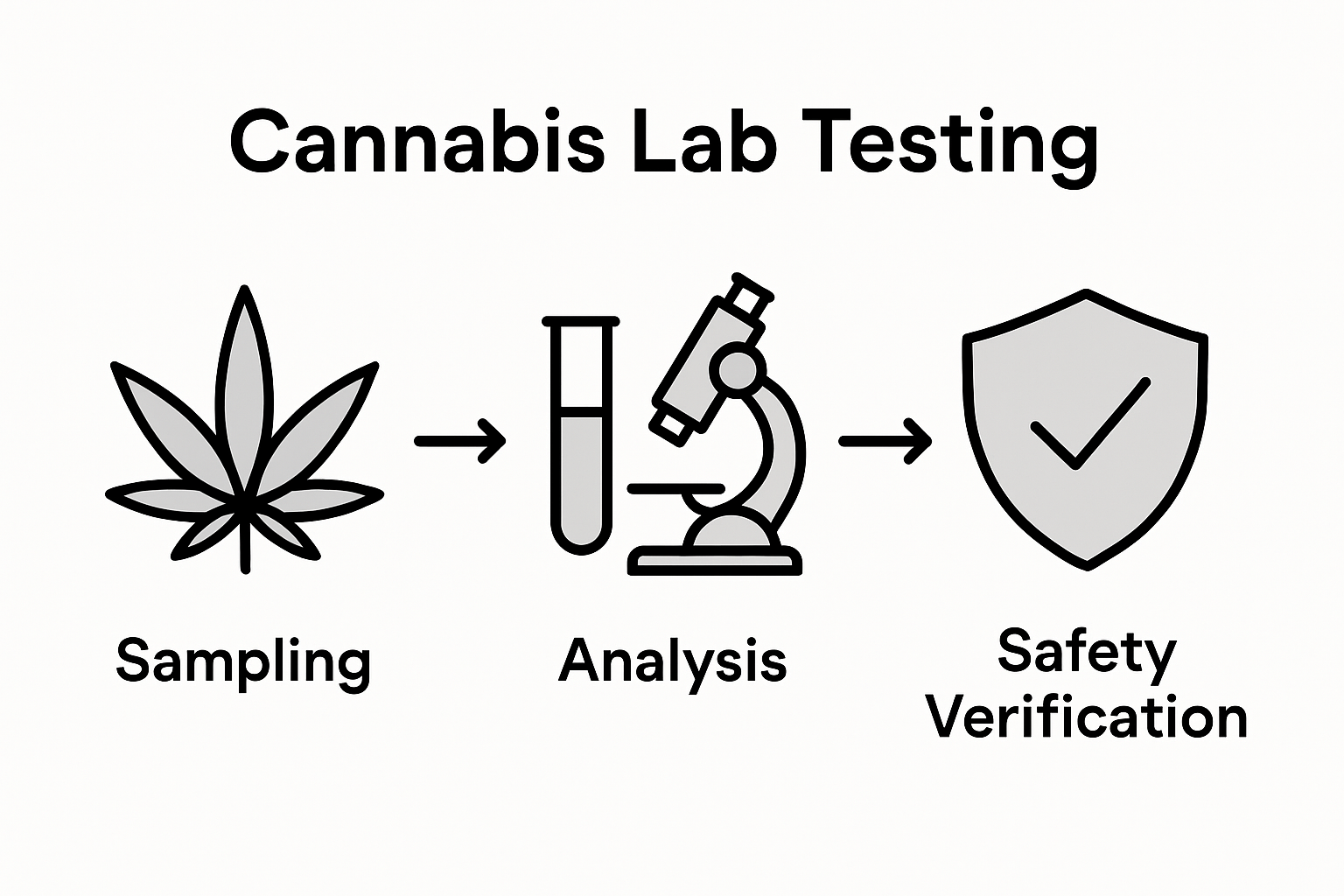
Moreover, these regulatory testing requirements serve a broader purpose beyond immediate consumer protection. They establish a transparent, scientifically validated framework that builds consumer confidence, supports industry accountability, and positions Canadian cannabis regulations as global leaders in product safety and quality assurance. By implementing such thorough testing protocols, Canadian authorities demonstrate a commitment to public health and responsible cannabis market regulation.
Inconsistent laboratory testing represents a significant threat to consumer safety and product reliability in the cannabis industry. Analytical testing variability can generate potentially dangerous outcomes that compromise the fundamental purpose of scientific product evaluation.
The primary risks associated with inconsistent lab testing include:
Inconsistent testing methodologies can lead to substantial discrepancies in product characterisation, potentially exposing consumers to unexpected chemical compositions or contamination risks. These variations might result in unpredictable physiological responses, especially for medical cannabis users who rely on precise dosage and chemical consistency.
Ultimately, inconsistent lab testing undermines the entire regulatory framework designed to protect public health. By introducing uncertainty into cannabis product evaluation, such inconsistencies create a ripple effect that damages industry credibility, compromises consumer safety, and potentially exposes manufacturers and distributors to significant legal and financial liabilities. Maintaining rigorous, standardised testing protocols is therefore not just a scientific imperative, but a critical public health responsibility.
Lab testing cannabis is essential to protect your health by confirming product safety and potency. The risks of inconsistent lab testing include inaccurate cannabinoid levels and undetected contaminants that could harm your wellbeing. At GreenSociety.cc, we prioritise quality and transparency, offering cannabis products that have undergone rigorous testing aligned with Canadian regulatory standards. Our selection includes thoroughly verified flowers, edibles, concentrates, and more — all available through a secure and effortless online platform.

Discover cannabis products that meet strict safety and potency measures today. Trust GreenSociety.cc for fast delivery and access to high-quality, lab-tested cannabis. Explore our extensive range now and make informed choices for your cannabis experience by visiting GreenSociety.cc. Start shopping with confidence and protect your health today.
Lab testing in cannabis refers to a scientific process that analyzes cannabis products for safety, quality, and reliability before they reach consumers. It checks for contaminants and chemical characteristics to ensure consumer health.
Cannabis contaminants testing is crucial for protecting consumer health by screening for harmful substances like pesticides, heavy metals, and microbial contaminants, ensuring that products are safe for use.
Cannabinoid potency is verified through various analytical methods, such as high-performance liquid chromatography and gas chromatography, which accurately measure the concentrations of cannabinoids and terpenes in cannabis products.
Regulatory testing requirements for cannabis products include screening for microbial contamination, pesticide residues, heavy metals, and verification of cannabinoid potency and terpene profiles, ensuring product safety and quality.