Free Shipping
on orders over $150.00
$0.00
$150.00
Add $150.00 more for free shipping!

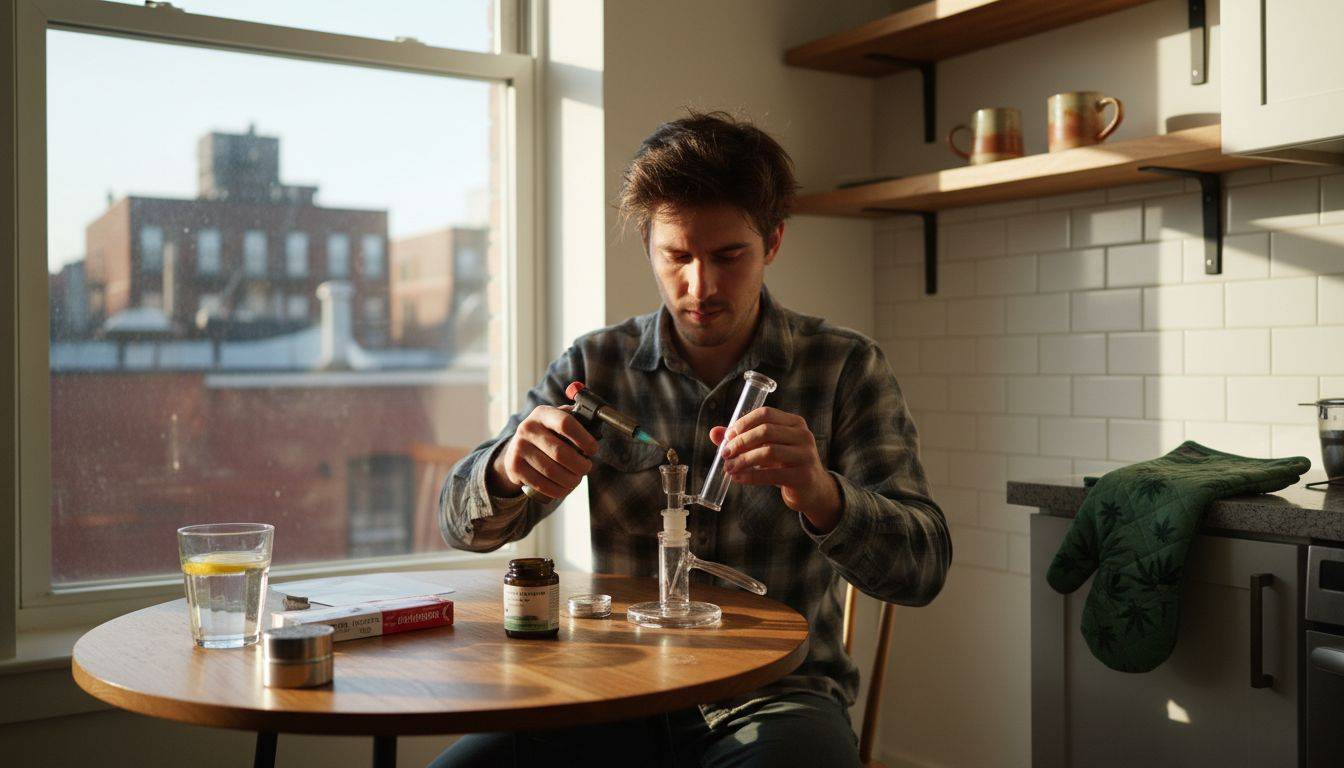
Exploring the world of cannabis concentrates can feel like stepping into a new frontier for Canadian enthusiasts. As these products deliver potent effects far beyond traditional cannabis flower, understanding their origins, extraction methods, and safety standards becomes essential. This guide breaks down the science behind concentrates, their diverse forms, and the regulatory details that matter most, empowering you to make informed and confident choices as you navigate Canada’s innovative cannabis scene.
| Point | Details |
|---|---|
| Understanding Concentrates | Cannabis concentrates are potent extracts with THC levels ranging from 40-90%, significantly higher than traditional flowers. Users should approach them with caution. |
| Extraction Methods Matter | The extraction method affects potency, texture, and purity; common methods include solvent-based and solventless techniques. Knowledge of these methods helps in making informed purchases. |
| Legal Framework | In Canada, cannabis concentrates are regulated by age restrictions and possession limits, with variations across provinces. Always verify local regulations to ensure compliance. |
| Safety First | Purchase concentrates from licensed retailers and seek products with verified lab testing to ensure safety and accurate THC labelling. Responsible consumption requires awareness of personal tolerance. |
Cannabis concentrates are highly potent extracts derived from cannabis plants, representing a significant evolution in cannabis consumption. Unlike traditional cannabis flowers, these concentrated forms isolate potent cannabinoids through advanced extraction techniques, resulting in substantially higher THC levels.
These powerful extracts come in various textures and forms, ranging from soft, honey-like oils to glass-like solids. The primary extraction methods involve using solvents like butane, CO2, or ethanol to separate cannabinoids and terpenes from plant material. Each method produces unique concentrate types with distinct characteristics:
Potency levels in cannabis concentrates can range dramatically, often containing 60-90% THC compared to traditional flower’s 10-25% THC content. This significant concentration means users experience more intense effects with smaller quantities.
Cannabis concentrates represent a technological breakthrough in cannabis consumption, offering unprecedented cannabinoid extraction and potency.
While concentrates offer exciting possibilities, they also carry potential risks. Scientific research highlights increased risks of dependence and mental health impacts associated with these high-potency products. Consumers must approach concentrates with informed caution, understanding their substantially different chemical composition from traditional cannabis.
Pro tip: Start with extremely small doses when experimenting with cannabis concentrates, as their potency can be significantly more intense than traditional cannabis consumption methods.
Canada’s cannabis market offers a diverse range of concentrates, each with unique characteristics and extraction methods regulated by federal law. These concentrated cannabis products represent sophisticated extraction technologies that transform traditional plant material into potent, refined substances.
The primary categories of cannabis concentrates in the Canadian market include:
Extraction techniques play a crucial role in determining a concentrate’s final characteristics. Methods range from solvent-based processes using butane or CO2 to solventless techniques that mechanically separate cannabinoids from plant material. Canadian cannabis regulations strictly control these extraction processes to ensure consumer safety and product quality.
Canadian cannabis concentrate regulations represent a global standard for consumer protection and product safety.
Each concentrate type offers unique consumption experiences, with potency levels typically ranging from 40% to 90% THC — significantly higher than traditional cannabis flowers. Consumers must approach these products with careful consideration, understanding their intense effects and potential risks.

Pro tip: Always purchase cannabis concentrates from licensed Canadian retailers to ensure product safety, accurate potency labelling, and compliance with national regulations.
Cannabis concentrate extraction represents a sophisticated scientific process where multiple techniques transform plant material into highly potent and specialized products. The extraction method fundamentally determines a concentrate’s final texture, potency, and overall quality, making it a critical step in cannabis concentrate production.
The primary extraction techniques include:
Consistency variations emerge directly from these extraction methods. Different processing techniques dramatically impact cannabinoid profiles, resulting in unique concentrate characteristics. Solvent-based methods typically produce more uniform textures like shatter or budder, while solventless techniques often yield more granular or crumbly extracts.
Extraction method selection represents the crucial intersection between scientific precision and cannabis concentrate artistry.
Each extraction technique carries distinct advantages and potential drawbacks. Solvent-based methods allow for higher cannabinoid extraction efficiency but require sophisticated purification processes to remove residual chemicals. Conversely, solventless techniques preserve more natural plant compounds but may yield lower total cannabinoid concentrations.
Here’s a quick comparison of popular cannabis concentrate extraction methods and their implications:
| Extraction Method | Typical Potency Range | Purity Challenges | Maintenance of Terpenes |
|---|---|---|---|
| Butane Hash Oil (BHO) | 60-90% THC | Residual solvent risks | Moderate terpene retention |
| CO2 Extraction | 50-80% THC | Requires advanced equipment | Good terpene preservation |
| Rosin Pressing | 40-75% THC | No solvent contamination | High terpene and flavour |
| Ice Water Hash | 40-60% THC | Labour intensive filtering | Excellent terpene retention |
Pro tip: Always verify the extraction method and request lab testing results when purchasing cannabis concentrates to ensure purity and understand the product’s specific production process.
Cannabis concentrates represent a potent and complex category of cannabis products, offering dramatically higher THC concentrations compared to traditional dried flower. These concentrated forms typically range between 40-90% THC, presenting unique challenges and opportunities for both recreational and medicinal users.
The primary uses and consumption methods include:
Dosing recommendations vary significantly based on individual tolerance, experience level, and intended use. New users should exercise extreme caution, starting with microscopic quantities — often less than 0.1 grams — and waiting substantial time between consumption attempts to assess individual response. Experienced consumers might tolerate slightly larger doses, but careful measurement remains crucial.
Responsible cannabis concentrate consumption demands precision, mindfulness, and self-awareness.
Consumption methods dramatically influence the user’s experience. Vaporization and dabbing represent the most common techniques, each offering distinct absorption rates and onset speeds. These methods require specialized equipment and a nuanced understanding of temperature control to optimize cannabinoid activation and minimize potential respiratory risks.
Pro tip: Always start with the smallest possible dose, use precise measuring tools, and never consume cannabis concentrates without understanding your personal tolerance levels.
Canada’s cannabis legislation represents a comprehensive approach to regulating cannabis use, with strict legal guidelines governing concentrate consumption. The Cannabis Act establishes a nationwide framework that balances public health protection with responsible adult access to cannabis products.
Key legal provisions across Canadian provinces include:
Provincial variations play a crucial role in implementation. Each territory and province maintains discretion to establish specific regulations around sales, consumption, and local enforcement of cannabis laws.
Canadian cannabis legislation prioritizes public safety while respecting individual adult choices.
The legal framework extends beyond age and possession limits, encompassing complex regulations around production, distribution, packaging, and marketing. Strict penalties exist for violations, including significant fines and potential criminal charges for selling to minors or operating outside licensed frameworks.
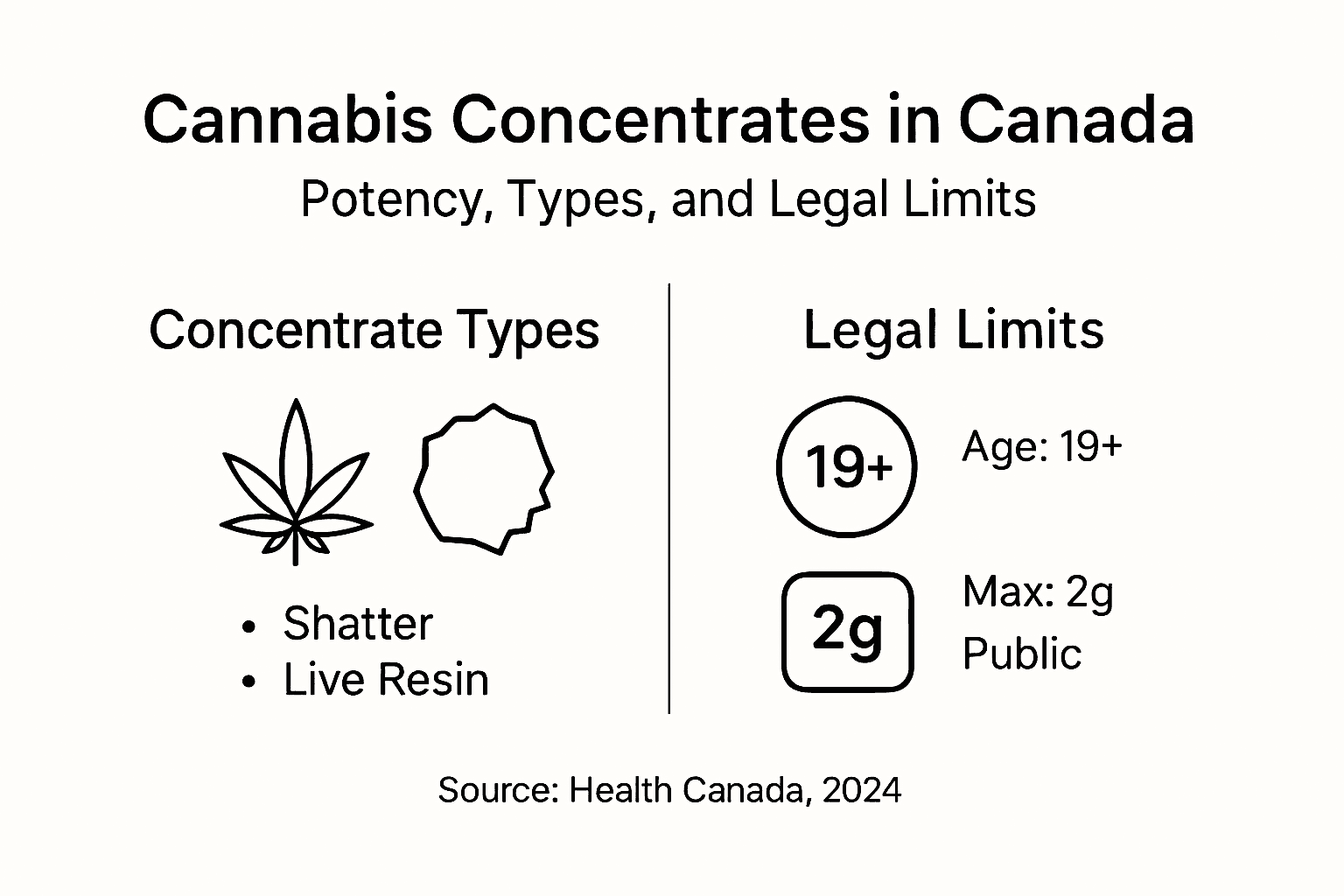
Below is a summary of provincial cannabis concentrate regulations in Canada:
| Province | Legal Age | Public Possession Limit | Retail Availability |
|---|---|---|---|
| Alberta | 18 | 30g dried or 0.25g concentrate | Government and private retailers |
| British Columbia | 19 | 30g dried or 0.25g concentrate | Retail stores and online sales |
| Ontario | 19 | 30g dried or 0.25g concentrate | Online and licensed stores |
| Quebec | 21 | 30g dried or 0.25g concentrate | Strict retail regulations |
Pro tip: Always verify your local provincial regulations, as cannabis laws can differ significantly between Canadian jurisdictions.
Cannabis concentrates demand careful consideration, with significant health risks associated with high-potency products. The extraordinary THC concentrations ranging from 80-99% present unique challenges for consumers, potentially increasing risks of addiction, mental health complications, and over-intoxication.
Key quality and safety considerations include:
Purchasing guidelines require consumers to prioritize legal, regulated sources that provide comprehensive product information. Licensed dispensaries and online platforms must demonstrate rigorous testing protocols, ensuring products meet stringent safety standards and accurately represent cannabinoid content.
Responsible cannabis concentrate consumption demands educated, cautious decision-making.
Mental health risks warrant particular attention. High-potency concentrates can potentially exacerbate underlying psychological conditions, making it crucial for consumers to understand their personal health history and potential predispositions before consumption.
Pro tip: Always request and review comprehensive lab testing documentation before purchasing cannabis concentrates, and consult healthcare professionals about potential interactions with existing medical conditions.
Navigating the complex world of cannabis concentrates can be challenging, especially with the high potency and strict Canadian regulations outlined in the article “Cannabis Concentrates Potency, Uses, and Canadian Laws.” Whether you are a new user needing guidance on proper dosing or an experienced consumer seeking quality and compliance, the key pain points include finding trustworthy products, understanding extraction methods, and adhering to legal age limits.
At GreenSociety.cc, we address these exact concerns by offering a curated selection of federally compliant cannabis concentrates vetted for lab-tested potency and purity. Our platform makes it easy to explore various extraction types and consumption options with confidence, ensuring you receive accurate THC information with every purchase.
Ready to elevate your cannabis experience safely and legally
Browse our wide range of premium concentrates and accessories now. Start with small doses and enjoy swift, discreet delivery right to your door. Visit GreenSociety.cc to shop smart and stay informed about Canadian cannabis laws.
Cannabis concentrates are highly potent extracts made from cannabis plants, featuring significantly higher THC levels compared to traditional cannabis flowers.
Start with extremely small doses, often less than 0.1 grams, especially if you’re inexperienced. Wait substantial time between doses to assess individual response.
Common types of concentrates include shatter (glass-like), budder (creamy), live resin (fresh-frozen), and rosin (solventless). Each type has unique textures and potency levels, typically ranging between 40-90% THC.
High-potency concentrates can increase risks of dependence, mental health complications, and over-intoxication. It’s crucial to understand personal tolerance and approach these products with caution.