Free Shipping
on orders over $150.00
$0.00
$150.00
Add $150.00 more for free shipping!

Finding the right cannabis edibles can feel confusing with so many formats and claims. For health-conscious Canadians, understanding the key differences between edibles and smoking is important for safe, effective use. Edibles offer unique, long-lasting effects because your body digests and metabolizes cannabinoids through the liver, a process that makes onset slow and potency unpredictable. You will discover clear answers to common misconceptions, safety tips, and how to choose reputable products for a worry-free, private shopping experience.
| Point | Details |
|---|---|
| Understanding Edibles | Cannabis edibles offer a different experience than smoking; effects take longer to onset and last significantly longer. |
| Dosing Caution | Always wait at least two hours before redosing to avoid overwhelming effects and ensure safer consumption. |
| Misconceptions | Many believe all edibles are safe and dosing is consistent; however, potency can vary widely between products. |
| Purchasing Legally | Always purchase from licensed Canadian retailers to ensure product quality and accurate labelling. |
Cannabis edibles are food and beverage products infused with cannabinoids extracted from the cannabis plant. They range from gummies and chocolates to baked goods, beverages, and capsules—all designed to be ingested rather than inhaled. The cannabis plant contains around 144 known cannabinoids, with THC and CBD being the most studied and prevalent.
What makes edibles fundamentally different from smoking or vaping is how your body processes them. When you eat an edible, the cannabinoids travel through your digestive system and liver before entering your bloodstream. This metabolic journey creates a completely different experience than inhalation.
The onset time for edibles is dramatically slower than smoking. Most people don’t feel effects for 45 minutes to two hours after consumption, though some experience effects in as little as 15 minutes if taken on an empty stomach. This delayed onset is the number one source of dosing mistakes.
Once effects do arrive, they last considerably longer—typically four to eight hours, sometimes up to twelve hours depending on your metabolism, body weight, and whether you’ve eaten. The duration makes edibles appealing for sustained symptom relief, but it also means miscalculating your dose has prolonged consequences.
Misconception one: all edibles are inherently safer than smoking because there’s no lung exposure. While edibles do avoid respiratory risks, they carry their own risks, particularly accidental overdose due to delayed effects.
Misconception two: dosing is straightforward and consistent across products. The reality is far messier. Potency varies significantly between products and batches, even from licensed producers. Cannabinoid content can vary considerably, making consistency a legitimate concern for precise dosing.
Misconception three: edibles from licensed sources are always accurately labelled. While regulated products in Canada must meet labelling standards, inconsistencies do occur, and your body’s individual response to a stated dose may differ significantly from someone else’s.
Misconception four: stronger edibles work faster. Potency and onset speed are entirely unrelated. A 50 mg gummy doesn’t kick in faster than a 10 mg gummy—only stronger.
Key differences between edibles and other consumption methods:
Your gut microbiome and individual metabolism significantly influence how edibles affect you. Two people can consume identical edibles and experience vastly different results based on their digestive health, genetics, food intake, and medications.
Edibles don’t simply mean a weaker or safer experience—they’re a fundamentally different delivery method that requires respect and careful dose management.
Pro tip: Start with a low dose (5-10 mg THC if new to edibles) and wait a full two hours before consuming more, even if you feel no effects. Many negative experiences come from people redosing too quickly because they didn’t wait long enough for onset.
Cannabis edibles come in surprisingly diverse forms, each with its own absorption rate, onset time, and user experience. From gummies to beverages, understanding the differences helps you choose what actually works for your lifestyle and health goals. Various edible formats exist, each suited to different preferences and needs.
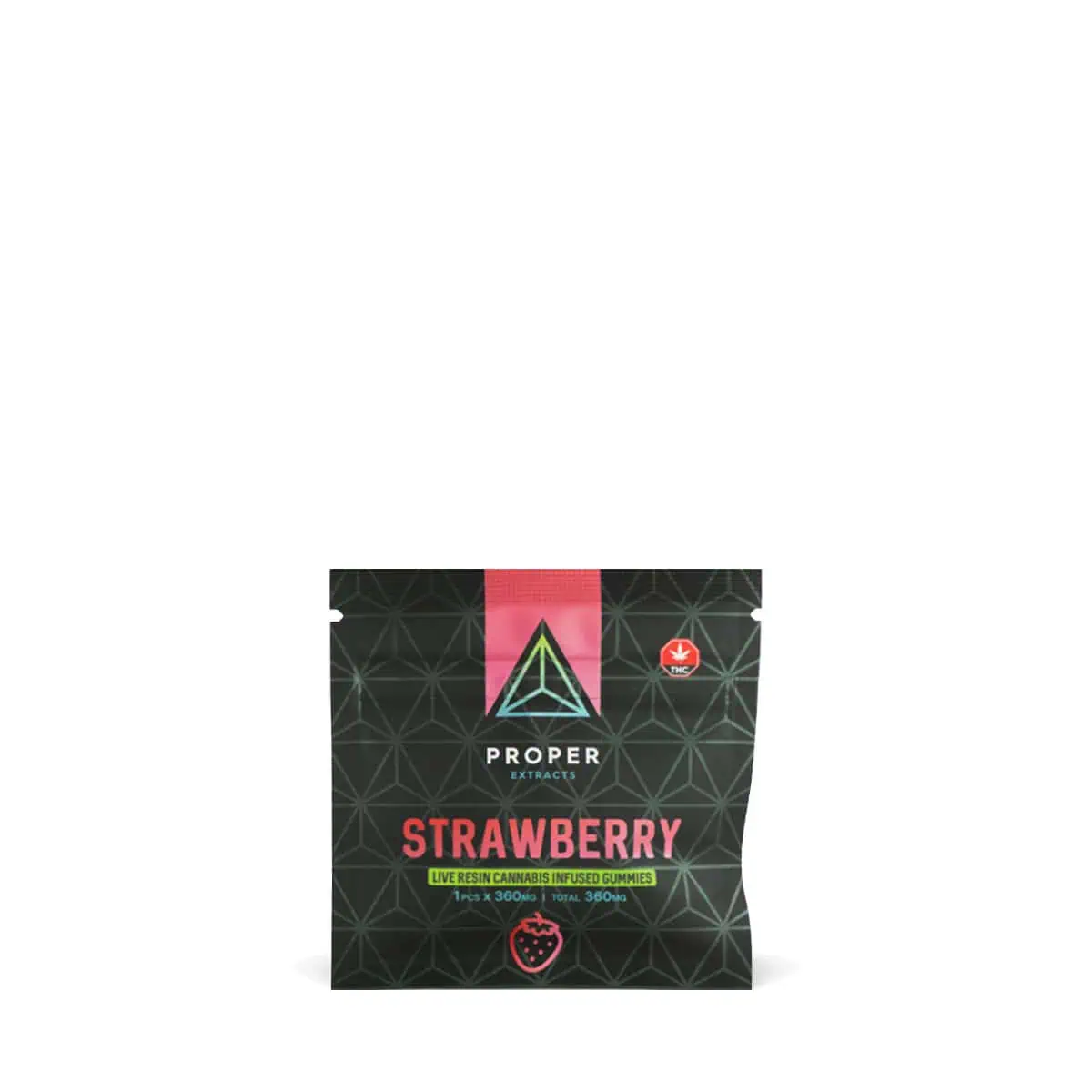
Gummies are the most popular recreational edible format, and for good reason. They’re discreet, taste pleasant, and come in precise doses (typically 5-10 mg per piece). However, they’re solid food products, so onset is slower—usually 45 minutes to two hours.
Hard candies work similarly to gummies but dissolve on your tongue, which can create a slightly faster onset if some cannabinoids absorb sublingually. They still take longer than true sublingual products because most absorption happens in the digestive system.
Both types are convenient for health-conscious users who want consistent, measured doses without preparation or messy preparation.
Edible chocolates and baked goods are typically slower to take effect because they’re fatty, calorie-dense foods that require more digestive time. A chocolate brownie with 10 mg THC may take 60-90 minutes to kick in, and effects can last 6-8 hours due to the fat content slowing absorption.
Fat actually prolongs cannabinoid absorption, which is why edibles consumed with meals take longer but last longer than those on an empty stomach.
Baked goods are practical for sustained relief, but less ideal if you want predictable timing or precise micro-dosing.
Drinks and liquid formats act faster than solid foods. Liquid and oil-based edibles generally produce effects within 30-60 minutes because they bypass some digestive delays. Some cannabis beverages are emulsified (broken into tiny droplets) to speed absorption even further.
Liquid edibles are excellent for people who want quicker effects without smoking, though they require drinking the full dose rather than eating a portion.
Capsules provide pharmaceutical-level precision. Each capsule contains an exact dose, making them perfect for medical users tracking precise intake. Onset is typically 60-90 minutes, similar to gummies.
Oils and tinctures are the most flexible format. You can use drops under your tongue (sublingual absorption—15-30 minutes) or mix them into food (standard edible onset—45-120 minutes). This versatility appeals to users who want control over both dose and timing.
Key format comparison:
Your edible format choice should match your lifestyle—gummies for convenience, oils for flexibility, capsules for precision, and beverages for faster effects.
Pro tip: If you’re new to edibles, start with gummies or capsules because they come pre-dosed and are easier to control than homemade baked goods or oils where dosing varies widely between batches.
Here’s a summary comparing different cannabis edible formats by key practical factors:
| Edible Format | Dosing Precision | Onset Speed | Suitability for Beginners |
|---|---|---|---|
| Gummies | High (pre-measured) | Slow (45–120 min) | Excellent, easy to dose |
| Baked Goods | Moderate (varies) | Slowest (60–120 min) | Challenging, dose can vary |
| Beverages | Good (per bottle) | Moderate (30–60 min) | Good, simple ingestion |
| Capsules | Highest (per capsule) | Slow (60–90 min) | Excellent, medical-grade |
| Oils/Tinctures | Variable (use dropper) | Fastest (15–30 min, sublingual) | Good if careful with drops |
When you consume a cannabis edible, your body processes it completely differently than when you smoke or vape. Instead of cannabinoids entering your bloodstream through your lungs within seconds, edibles take a slower but more complex metabolic journey. This fundamental difference explains why edibles feel stronger, last longer, and behave unpredictably compared to inhalation.

Your digestive system breaks down the edible first, releasing cannabinoids into your gastrointestinal tract. From there, cannabinoids travel through your intestinal walls and into your bloodstream via the portal vein, which carries them directly to your liver. This is where the crucial transformation happens.
Your liver metabolises THC into a compound called 11-hydroxy-THC, which crosses the blood-brain barrier far more efficiently than the original THC molecule. This metabolite is substantially more potent and psychoactive than smoking-route THC, which explains why many people find edibles hit harder despite consuming similar doses.
This hepatic metabolism is the main reason edibles feel so different from smoking. Your liver essentially amplifies the effect.
Onset time depends on several factors working together. First, your stomach needs to break down the food matrix containing cannabinoids. Then cannabinoids must cross your intestinal lining and travel through your liver before reaching your brain.
If you’ve eaten a large meal, digestion slows further, delaying onset to 90 minutes or longer. An empty stomach can speed absorption to 30-45 minutes, but the effect is still dramatically slower than smoking’s 5-15 minute onset.
Peak effects typically occur 2-4 hours after consumption, not the 30-minute peak of smoking.
Because 11-hydroxy-THC metabolite accumulates in your system and clears slowly, edible effects persist far longer than inhalation. While smoked THC typically fades within 2-4 hours, edible effects commonly last 4-8 hours, and sometimes 12+ hours depending on dose and individual metabolism.
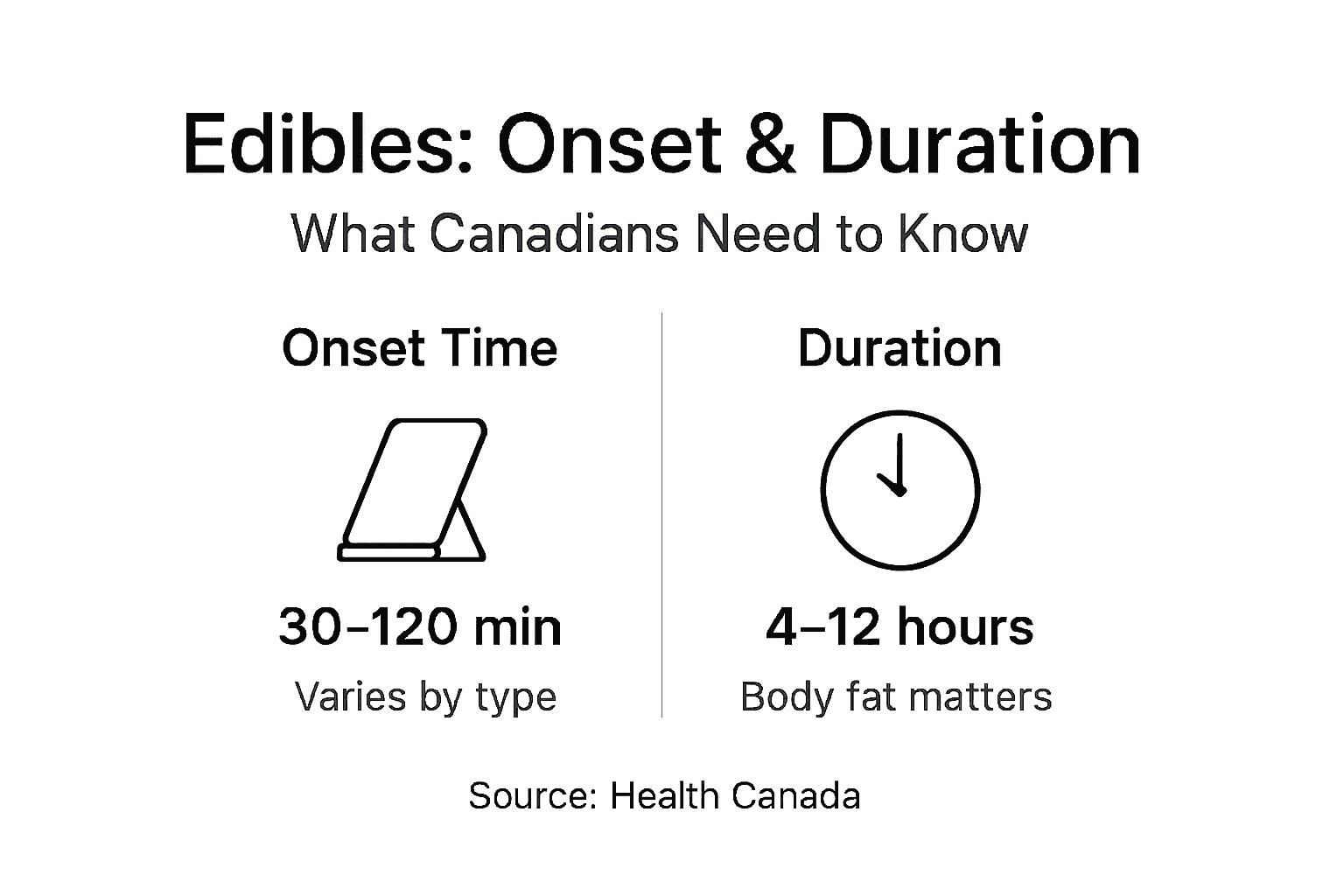
Your body fat also stores cannabinoids, creating a reservoir that extends the duration. Heavier individuals or those with higher body fat may experience longer effects.
Two people consuming identical edibles often experience vastly different effects. This unpredictability stems from differences in:
Edibles affect everyone differently because liver metabolism and gut absorption vary significantly between individuals—what works for your friend may feel completely different for you.
Pro tip: Keep a simple log of your edible experiences (type, dose, time of consumption, food eaten, and effects felt) to identify your personal patterns and predict how future edibles will affect you.
Canada became the first G7 nation to legalise recreational cannabis nationally, and edibles have been legal since the Cannabis Act came into force in 2018. As a health-conscious adult considering edibles, you need to understand the regulatory framework that governs what you can buy, how it’s labelled, and what protections exist. The legal landscape is more complex than you might think because both federal and provincial rules apply.
The Cannabis Act establishes strict federal controls on all edible cannabis products sold in Canada. Licensed producers must follow rigorous manufacturing standards, quality control protocols, and testing requirements before any edible reaches consumers.
THC potency limits are a cornerstone of Canadian edible regulation. Individual edible servings cannot exceed 10 mg of THC, and a single package cannot contain more than 100 mg total. This limit exists specifically because of edibles’ delayed onset—regulators recognised that the two-hour lag between consumption and peak effects creates overconsumption risk.
Packaging requirements are equally strict. All edibles must come in child-resistant packaging with clear labelling showing exact THC and CBD content, serving size, and health warnings. No edible can resemble a cartoon character or appeal deliberately to minors.
As a consumer, federal rules guarantee several things:
However, potency limits only apply to individual servings. A chocolate bar could theoretically contain multiple 10 mg servings, totalling 100 mg in one package.
Provincial governments regulate retail sales, distribution channels, and sometimes impose additional restrictions. Ontario allows online sales through Ontario Cannabis Store; British Columbia permits private retailers; Quebec restricts sales to government-run stores.
Some provinces also limit where edibles can be sold, require additional warnings, or restrict marketing further than federal law mandates. These variations mean a legal edible purchase in one province might be restricted in another.
Federal restrictions on edibles:
Licensed edibles from regulated Canadian producers guarantee compliance with testing and labelling standards. Unlicensed products from unregulated sources offer no such guarantees—potency may be inaccurate, contaminant testing absent, and labelling misleading.
For health-conscious consumers, purchasing from licenced retailers eliminates guesswork about what you’re actually consuming.
Canadian edible regulation prioritises potency limits and accurate labelling to prevent accidental overdose, but the effectiveness depends on whether you purchase from licensed retailers.
Pro tip: Always purchase edibles from licensed Canadian retailers and check the licence number on packaging—this confirms the product met federal quality and testing standards before reaching shelves.
Edibles carry genuine health risks that differ from smoking, and most negative experiences stem from preventable mistakes rather than the edibles themselves. Understanding these pitfalls helps you use edibles responsibly and avoid the disorientation, nausea, and panic that sends unprepared users to emergency departments. The good news is that these risks are entirely manageable with knowledge and caution.
The single biggest mistake people make with edibles is consuming more before feeling effects. You eat a gummy at 6 p.m., feel nothing by 7 p.m., and assume the dose didn’t work. So you eat another. Then at 8 p.m., both doses hit simultaneously—and now you’re dealing with 2-3 times your intended dose hitting your system at once.
Accidental overconsumption from delayed onset is the primary reason for adverse edible experiences. This isn’t true overdose in the medical sense (cannabis cannot cause fatal overdose), but it creates profound impairment, confusion, panic, and sometimes psychotic symptoms that feel genuinely frightening.
The two-hour window is not a suggestion. Wait the full two hours before considering redosing, even if you feel absolutely nothing.
Redosing too quickly creates the majority of negative experiences. The delayed onset tricks your brain into thinking the dose failed.
Mixing edibles with alcohol or other substances amplifies impairment and unpredictability. Cannabis and alcohol together intensify each other’s effects in ways that are difficult to predict.
Improper storage around children is a serious concern. Edibles often look like regular candy, making accidental paediatric ingestion a real hazard. Store them in locked containers, clearly labelled, away from children’s reach.
Driving while impaired from edibles is illegal and dangerous. Effects last 4-8+ hours, so plan your consumption when you won’t need to drive.
Consuming on an empty stomach creates unpredictable, rapid onset. Eating food beforehand slows absorption and creates more predictable effects.
Key mistakes to prevent:
To help you avoid the most common edible mistakes, here’s a quick reference guide on risk reduction strategies:
| Mistake | Typical Consequence | Risk Reduction Tip |
|---|---|---|
| Redosing too soon | Overwhelming effects | Always wait at least two hours |
| Mixing with alcohol | Increased impairment | Never combine substances |
| Poor storage | Child accidental ingestion | Use locked, labelled containers |
| Driving after use | Impaired driving charges | Plan to avoid driving for 8+ hours |
| Taking on empty stomach | Rapid and unpredictable onset | Eat a balanced meal beforehand |
Older adults metabolise cannabis differently and often experience stronger effects from standard doses. Starting with 2-5 mg is more appropriate than standard 10 mg servings.
First-time users have no tolerance and should start even lower—2.5 mg THC is reasonable for absolute beginners. Your body’s response to cannabinoids can surprise you.
People with anxiety, depression, or psychotic disorders face higher risk of negative psychological reactions. If you have mental health concerns, consult your healthcare provider before trying edibles.
Edible safety relies entirely on patience, accurate dosing, and waiting the full two hours before redosing—most problems stem from rushing this process.
Pro tip: Set a phone alarm for two hours after consuming an edible, and commit to not redosing until that alarm goes off, no matter how long effects seem delayed.
Understanding the unique effects and risks of cannabis edibles is essential for any health-conscious Canadian. The delayed onset and variable potency can make dosing a challenge. At GreenSociety.cc, we help you navigate this complexity with precise, licensed products designed for consistent dosing. Whether you prefer gummies, capsules, or oils, we offer a wide selection that matches your lifestyle and safety needs.
Start your edible experience with confidence by shopping at GreenSociety.cc. Explore our curated range of lab-tested edibles that ensure clear labelling, consistent potency, and child-resistant packaging. Take control of your wellness journey today and enjoy discreet, fast delivery across Canada. Visit us now to find your perfect edible match and learn more about responsible use at GreenSociety.cc.
Cannabis edibles are food and beverages infused with cannabinoids from the cannabis plant. They are processed through the digestive system, with effects typically taking 45 minutes to two hours to onset, lasting much longer than other methods like smoking.
It’s recommended to start with a low dose of 5-10 mg of THC if you are new to edibles. Wait a full two hours before consuming more, as effects can take time to manifest, reducing the risk of accidental overdose.
Cannabis edibles come in various forms such as gummies, chocolates, baked goods, beverages, capsules, and oils. Gummies and capsules offer precise dosing, while beverages and oils provide a quicker onset of effects. The choice depends on personal preferences and desired experiences.
Individual responses to cannabis edibles can vary significantly due to factors such as liver enzyme activity, gut health, metabolism, body composition, and food intake. These differences can lead to varying onset times and effects, even with identical dosages.