Free Shipping
on orders over $150.00
$0.00
$150.00
Add $150.00 more for free shipping!


TL;DR:
- Many Canadians underestimate cannabis potency and potential for dependence, especially with high-THC products.
- The gateway drug theory is unsupported; personal, social, and genetic factors more influence drug progression.
- Cannabis risks are often exaggerated or underestimated; informed, harm-reduction approaches improve safe use.
Cannabis has been legal in Canada since 2018, yet a surprising number of Canadians still make decisions based on outdated information, playground rumours, or decade-old anti-drug campaigns. Whether you’re a casual weekend user, a medical cardholder, or someone genuinely curious about whether cannabis is right for you, the myths swirling around this plant can lead to real harm, whether that’s underestimating risks, overestimating therapeutic benefits, or simply missing the full picture. This article takes the most persistent myths head-on, backed by current science, so you can approach cannabis with clear eyes and smarter choices.
| Point | Details |
|---|---|
| Cannabis can be addictive | About one in ten adults using cannabis may develop dependence, with risks higher for youth. |
| No proof for the gateway theory | Most cannabis users do not progress to harder drugs—common risk factors explain substance use patterns. |
| Modern cannabis is much stronger | Higher THC levels increase health and addiction risks compared to past decades. |
| Therapeutic use is condition-specific | Cannabis is only proven effective for a few medical conditions like epilepsy and chemotherapy nausea. |
| Education is the best safeguard | Accurate, up-to-date information is vital for making responsible and safe choices about cannabis. |
This is probably the most common misconception we hear, and it’s a genuinely dangerous one. The belief that cannabis is “just a plant” and therefore can’t cause dependence has led many people to ignore early warning signs and dismiss legitimate concerns about their own use.
The reality is more nuanced and more serious. 1-in-10 adults who use cannabis will develop a dependency on it. That risk climbs to 1-in-6 for users who start before the age of 18, which is a striking difference that underscores why age of first use matters so much. Among people who use cannabis regularly, CUD affects 20-30% of them. Cannabis use disorder (CUD) is the clinical term for a pattern of problematic use that causes significant distress or impairment in daily life.
What does CUD actually look like? Here are the most common signs:
It’s worth noting that withdrawal from cannabis is not life-threatening, but it’s very real, and many users are genuinely surprised by how uncomfortable it can be. Symptoms typically peak within the first week of stopping and can last up to two weeks.
Pro Tip: If you’re questioning whether your cannabis use is becoming problematic, check out this cannabis wellness checklist to honestly assess your patterns before they become harder to shift.
Knowing cannabis can lead to dependence, let’s address another stereotype that has fuelled decades of policy.
The gateway drug theory has been around since at least the 1980s, and it’s been used to justify some of the harshest drug policies in North American history. The idea is simple: using cannabis leads people to try harder drugs. But the science doesn’t support it.
Research consistently shows that the majority of cannabis users do not go on to use harder substances. What actually predicts whether someone progresses to harder drug use is far more complex and far more rooted in individual circumstances than any single substance they’ve tried.
Here’s what actually drives substance use progression, according to current research:
“Most people who use marijuana do not go on to use other, ‘harder’ substances. The likelihood that someone will transition to other drugs is influenced by many factors including social environment, genetics, and individual mental health.”
The gateway theory is not just scientifically weak, it’s actively harmful. When policy and public conversation focus on cannabis as the problem, we miss the actual risk factors. Teenagers who later develop serious substance use disorders usually have identifiable vulnerabilities that deserve early intervention, not just stricter messaging about cannabis.
Moving from addiction concerns, another myth involves how cannabis might supposedly fuel other drug use.
As attitudes have softened and legalisation has spread, a new myth has emerged on the opposite end of the spectrum: that cannabis is entirely safe, or at least that any risks are minor and manageable. This framing is just as misleading as the reefer madness era, and potentially more dangerous because people are actually acting on it.
The truth is that modern cannabis is significantly more potent than what previous generations encountered. Cannabis THC levels are now roughly three times higher than they were 25 years ago, thanks to decades of selective cultivation. Higher potency means higher risk, particularly for newer or infrequent users who may not realise how much they’re consuming.
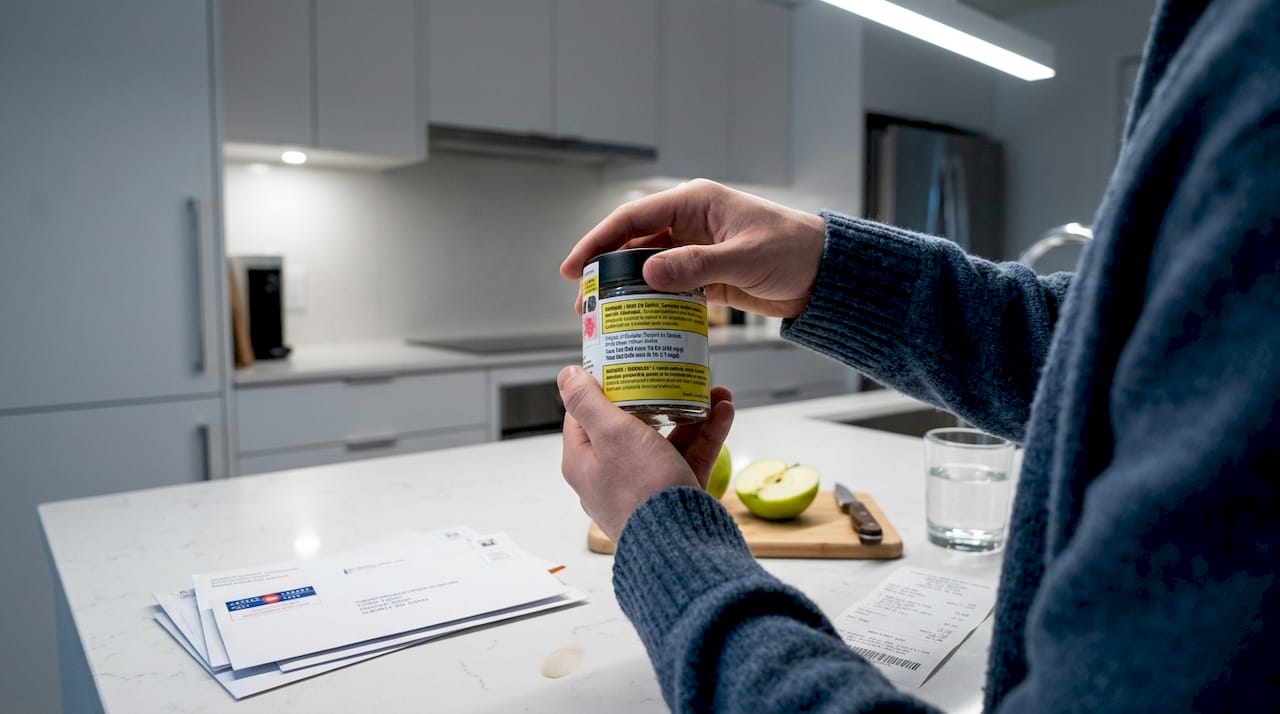
Here’s a quick comparison of how potency changes the risk profile:
| Factor | Lower-THC cannabis (pre-2000s) | High-THC cannabis (today) |
|---|---|---|
| Average THC content | 3 to 4% | 15 to 30%+ |
| Risk of anxiety/paranoia | Lower | Significantly higher |
| Risk of dependence | Lower | Higher |
| Cognitive impact | Mild, short-term | More pronounced |
| Risk for new users | Moderate | High if dose unknown |
The risks associated with modern cannabis use are well documented, and they’re not trivial:
Understanding potency in cannabis is one of the most important steps any consumer can take. If you want to understand how to read product labels and what percentages actually mean, decoding potency is essential knowledge for every Canadian cannabis user. And if you’re still unclear on the fundamental differences between compounds, a solid grounding in THC vs CBD differences will change how you shop.
Pro Tip: Start low and go slow, particularly with any new product or delivery method. This isn’t just an old saying. It’s harm reduction advice grounded in real pharmacology.
As risks become clearer, let’s separate science from hope by tackling popular claims about medical uses.
Cannabis has genuine therapeutic value. Let’s be upfront about that. But the online landscape around cannabis wellness has become a bit of a wild west, with breathless claims that cannabis or CBD can treat everything from autism to cancer. This myth does real harm because it can lead people to forgo proven treatments in favour of something that may not actually work for their condition.
So what does the evidence actually say?
Conditions with strong evidence for cannabis or cannabinoids:
Conditions where evidence is limited, mixed, or insufficient:
| Condition | Evidence status | Notes |
|---|---|---|
| Chronic pain | Mixed | Some benefit reported; rigorous trials lacking |
| Insomnia | Insufficient | Short-term only; tolerance develops quickly |
| Anxiety | Contradictory | High-THC may worsen anxiety in many users |
| PTSD | Emerging | Some promising signals; more research needed |
| Multiple sclerosis spasticity | Moderate | Some approved medications in select countries |
| Depression | Insufficient | May aggravate in heavy users |
The therapeutic benefits for nausea and appetite are real and meaningful. But for many other applications, risks may outweigh benefits depending on the individual. The dose, the product type, the ratio of THC to CBD, and your own health history all matter enormously.
Pro Tip: Before starting cannabis for any medical purpose, talk to your doctor or a cannabis-informed pharmacist. Knowing the side effects of THC/CBD edibles and reviewing safe cannabis use guidelines can genuinely shape a better outcome.
Now that we’ve separated fact from fiction in both the risks and health benefits, let’s draw these lessons together to consider what comes next for responsible Canadian consumers.
Here’s our honest take: the biggest problem in the Canadian cannabis conversation isn’t the myths themselves. It’s the fact that we’ve swung between two equally unhelpful extremes. For decades, cannabis was demonised with exaggerated warnings that nobody believed. Now, there’s a cultural pendulum effect where cannabis is celebrated as essentially harmless, which many users are eager to accept because it’s convenient.
Neither extreme serves you well. And after watching this cycle play out, we think the fix isn’t stricter messaging or more aggressive marketing. It’s accurate, specific, unglamourised information.
Most Canadians still significantly underestimate how potent modern cannabis products have become. They don’t know that “regular use” is a clinical risk category. They don’t realise that the anxious, racing-heart experience they’ve had with a high-THC product is actually a dose-related adverse reaction, not just “being too sensitive.” They don’t connect memory slips or low motivation to their consumption habits because they’ve been told cannabis doesn’t do that.
The stakes are real. When someone with early psychosis risk smokes high-THC concentrate because they’ve heard cannabis is natural and safe, that’s a missed opportunity for a genuinely different outcome. When a cancer patient replaces proven anti-nausea medication with unverified CBD oil because of online claims, that’s a harm that flows directly from misinformation.
What we advocate for is a harm-reduction mindset. That means starting with the lowest effective dose, choosing products whose potency you understand, being honest with your healthcare provider, and doing regular self-checks. This staying safe with cannabis resource is one of the most practical tools we offer, and we think every Canadian cannabis user should work through it at least once a year.
The cannabis conversation in Canada doesn’t need more cheerleading or more fear. It needs more honesty, more specificity, and more respect for the fact that you, as an adult user, can handle the truth.
If this article has prompted you to think differently about your cannabis choices, the next step is finding products and information you can actually trust.
At Green Society, we believe that being an informed consumer makes the whole experience better, whether you’re exploring types of cannabis products for the first time or refining a routine you’ve had for years. Our wellness checklist for cannabis is designed to help you honestly assess your use patterns and make adjustments that align with your goals. And if you’re not sure where to start with product selection, our product selection workflow gives you a structured, step-by-step framework to make confident choices without the guesswork.
Yes, CUD is treatable through behavioural therapies such as cognitive-behavioural therapy and motivational interviewing. Key signs include craving, withdrawal symptoms, and repeated failed attempts to cut back or quit.
No. Pregnancy-related cannabis risks include developmental harm to the baby, and health authorities in Canada consistently advise avoiding cannabis entirely during pregnancy and breastfeeding.
CBD is not intoxicating and carries a generally lower risk profile than THC, but CBD products can be mislabelled, contaminated, or contain more THC than listed. Research on long-term CBD use is still in relatively early stages, so caution remains wise.
Check the THC percentage listed on the label. Since cannabis is now three times stronger than it was in the late 1990s, even products labelled “moderate” today would have been considered extremely strong by older standards. Anything above 20% THC warrants extra caution, especially for less experienced users.
Cannabis is not approved for chronic pain by Health Canada or the FDA as a proven treatment. Some patients do report benefit, and it may be used off-label, but the evidence is mixed and the decision should always be made in consultation with a healthcare provider.