Free Shipping
on orders over $150.00
$0.00
$150.00
Add $150.00 more for free shipping!

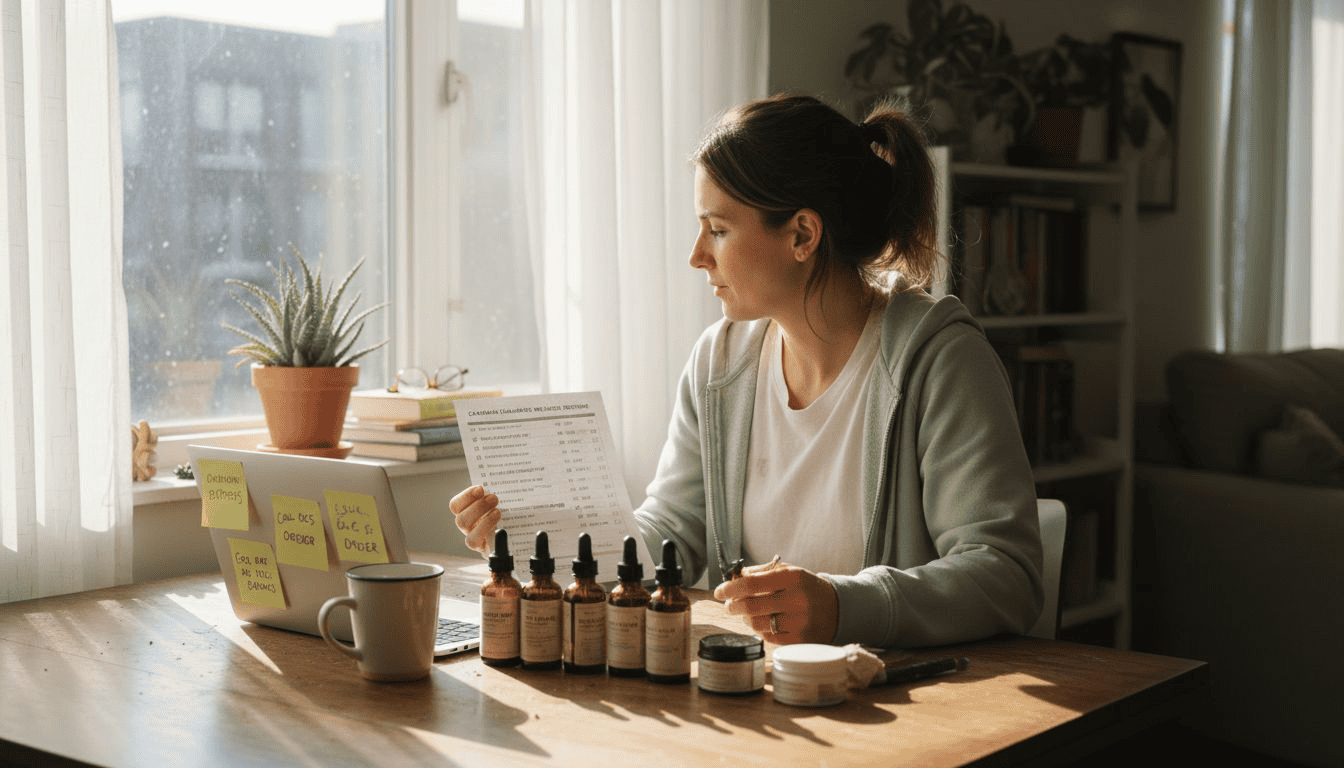
Choosing cannabis products for wellness can feel overwhelming when you’re faced with dozens of strains, formats, and dosing options. Without a structured approach, you risk selecting products that don’t match your health goals or consuming them in ways that undermine safety and effectiveness. A cannabis wellness checklist provides a clear framework to navigate these choices, helping you identify the right products, doses, and consumption methods while minimising risks and maximising benefits for your holistic health journey.
| Point | Details |
|---|---|
| Checklist framework | A cannabis wellness checklist simplifies product selection by evaluating type, THC/CBD ratio, dosing, legality, and safety criteria aligned with your health goals. |
| Product variety | Different cannabis formats like edibles, vapes, and CBD oils offer varied onset times, durations, and wellness applications from anxiety relief to pain management. |
| Safe dosing practices | Starting with low THC doses of 2.5 to 5 mg and choosing safer methods like vaping reduce adverse effects and support controlled wellness experiences. |
| Legal compliance | Purchasing lab-tested, legally compliant products ensures you avoid contaminants and verify quality through third-party certificates. |
| Use tracking | Monitoring your cannabis consumption and effects leads to 30% better symptom management and helps optimise product choices over time. |
Before adding any cannabis product to your wellness routine, you need clear criteria to evaluate whether it suits your specific health objectives. The product type determines how quickly effects begin and how long they last, which directly impacts your daily routine and symptom management timing. Flowers provide immediate relief within 5 to 10 minutes but wear off faster, while edibles take 30 to 90 minutes to activate yet deliver prolonged effects ideal for chronic conditions.
The THC to CBD ratio significantly alters psychoactive and therapeutic outcomes. High THC products produce stronger intoxication and may increase anxiety in sensitive users, whereas CBD-dominant options offer non-intoxicating benefits like inflammation reduction and stress relief. Understanding how to choose cannabis products based on these ratios helps you match formulations to your tolerance and wellness priorities.
Dosing and consumption methods form another critical evaluation layer. Accurate dosing prevents overconsumption and unwanted side effects, whilst safer consumption routes like vaping reduce exposure to harmful toxins compared to smoking. Key selection factors include:
Legal compliance and lab testing cannot be overlooked. Only products sold through licensed channels with verified testing certificates guarantee freedom from pesticides, heavy metals, and microbial contamination. This verification protects your health and ensures you’re consuming what the label promises, forming the foundation of responsible cannabis wellness use.
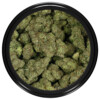
Cannabis wellness products come in several distinct categories, each offering unique characteristics suited to different health applications and user preferences. Flower remains popular for its rapid onset and full-spectrum cannabinoid and terpene profile, delivering effects within 5 to 10 minutes that typically last 2 to 4 hours. Concentrates provide higher potency for users requiring stronger relief but demand careful dosing due to THC levels often exceeding 70%.
Edibles offer the longest-lasting effects, making them ideal for chronic pain, sleep disorders, or all-day anxiety management. Edibles have slower onset but longer-lasting effects, requiring careful dosage attention to avoid overconsumption during the delayed activation period. Vapes combine rapid relief with discreet use and significantly reduce exposure to harmful combustion toxins compared to smoking, making them a safer inhalation choice.
CBD products deserve special attention for wellness-focused users seeking therapeutic benefits without intoxication. CBD-dominant products typically contain over 50% CBD relative to THC and offer non-intoxicating therapeutic benefits for conditions like inflammation, anxiety, and seizures. Research shows CBD-only products reduce anxiety by up to 30% in clinical trials, making them an evidence-backed option for stress management without psychoactive effects.
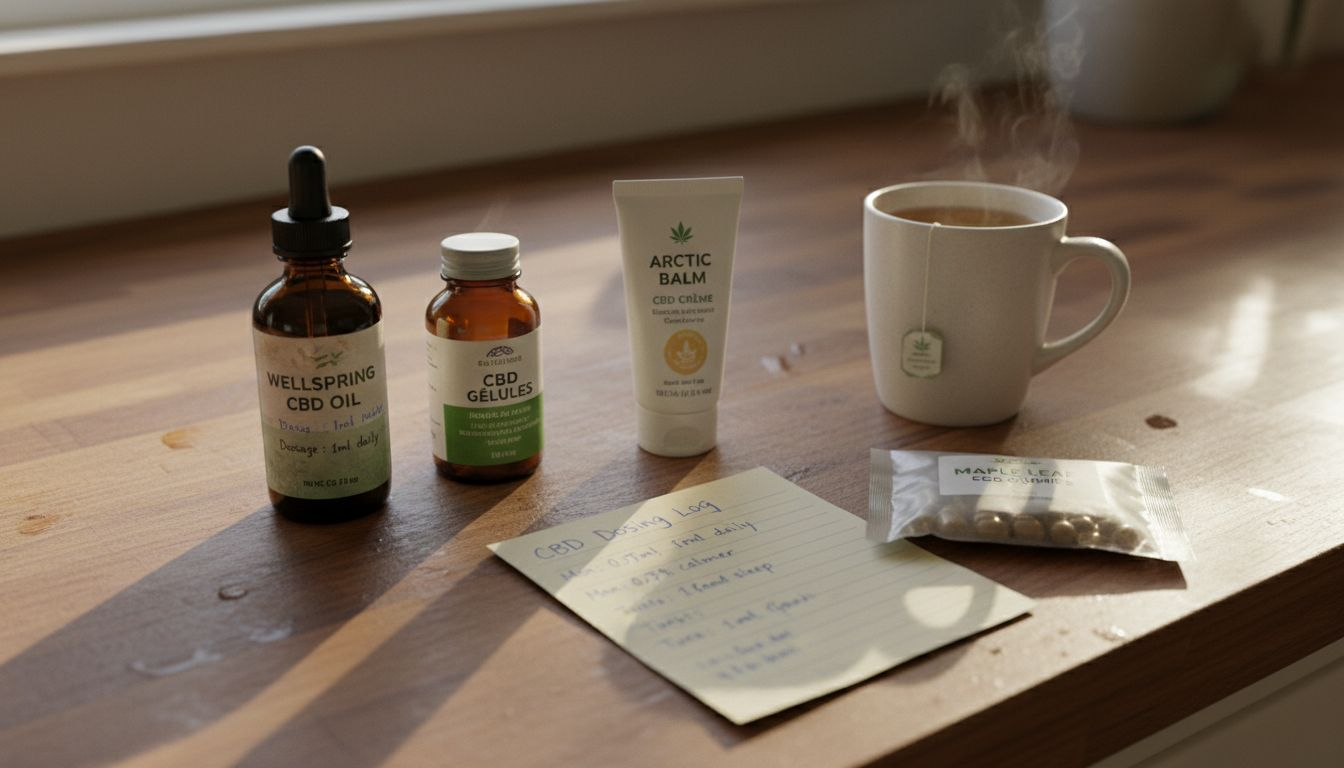
Exploring CBD product types reveals options including oils, capsules, topicals, and edibles, each suited to different wellness applications. The following table summarises key differences:
| Product Type | Typical Potency | Onset Time | Duration | Common Wellness Uses |
|---|---|---|---|---|
| Flower | 15-25% THC | 5-10 minutes | 2-4 hours | Quick anxiety relief, pain management |
| Concentrates | 60-90% THC | 1-5 minutes | 3-5 hours | Severe pain, nausea, high tolerance users |
| Edibles | 5-50 mg THC/serving | 30-90 minutes | 6-8 hours | Chronic pain, sleep disorders, sustained relief |
| Vapes | 60-85% THC | 1-5 minutes | 2-4 hours | Rapid symptom control, discreet use |
| CBD Products | <0.3% THC, 10-50 mg CBD | 15-45 minutes | 4-6 hours | Inflammation, anxiety, non-intoxicating relief |
Understanding these distinctions helps you select products aligned with your symptom patterns, lifestyle requirements, and comfort level with psychoactive effects.
Proper dosing separates effective cannabis wellness use from frustrating experiences marked by adverse effects or insufficient relief. The golden rule for beginners remains starting with low THC doses between 2.5 and 5 mg, then gradually increasing by small increments over several sessions. This titration approach lets you identify your minimum effective dose whilst avoiding anxiety, paranoia, or cognitive impairment common with excessive consumption.
Onset times vary dramatically by consumption method and must inform your dosing schedule. Edibles require 30 to 90 minutes to activate, tempting impatient users to consume additional servings before the first dose takes effect. Vapes and flower deliver relief within minutes, allowing for more immediate dose adjustments. Understanding these timelines prevents the classic edibles mistake of overconsumption during the lag period.
Consumption method safety matters as much as dose accuracy. Vaping cannabis significantly reduces exposure to harmful combustion toxins compared to smoking, protecting your respiratory health whilst delivering cannabinoids efficiently. Edibles eliminate inhalation risks entirely but require precise portioning and patience during onset. Sublingual tinctures offer a middle ground with 15 to 30 minute activation and easy dose control.
Microdosing has emerged as a wellness-focused approach involving regular consumption of sub-intoxicating doses, typically 1 to 3 mg THC. This practice aims to achieve therapeutic benefits like improved focus, mood elevation, or mild pain relief without impairment. Following cannabis dosage step by step guidance and reviewing cannabis dosage guidelines helps you establish safe, effective protocols.
Best practices for dosing and consumption include:
Pro Tip: Keep a simple journal tracking product type, dose, consumption time, and effects experienced. This record reveals patterns helping you optimise your wellness routine and communicate clearly with healthcare providers about your cannabis use.
Legal cannabis purchase channels exist for good reason beyond regulatory compliance. Licensed dispensaries and platforms must meet safety standards that protect consumers from contaminated or mislabelled products common in unregulated markets. Verifying your purchase source follows local cannabis laws ensures you access products tested for potency accuracy and contaminant absence.
Lab testing certificates should accompany any quality cannabis product, detailing cannabinoid concentrations, terpene profiles, and safety screening results. These third-party analyses confirm the absence of pesticides, heavy metals like lead and mercury, residual solvents from extraction, and microbial contamination including moulds and bacteria. Using lab-tested products helps avoid contaminants that can harm health, particularly for individuals with compromised immune systems.
Product packaging provides additional safety information when you know what to look for. Expiry dates indicate potency degradation timelines, whilst storage recommendations preserve cannabinoid integrity. Cannabis products typically maintain peak quality for 6 to 12 months when stored properly in cool, dark, airtight containers. Examining packaging for tamper-evident seals and child-resistant features also signals manufacturer attention to safety standards.
Responsible users verify several compliance and safety factors:
Pro Tip: Photograph lab certificates and product labels for your records. This documentation helps you identify products that work well for your wellness goals and provides evidence of legal, tested purchases should questions arise. Following the 7-step cannabis safety checklist reinforces these verification habits.
Even well-intentioned cannabis wellness users stumble into avoidable mistakes that diminish benefits or create unnecessary risks. Hydration and nutrition status significantly influence how your body processes cannabinoids, yet many users overlook these foundational factors. Underestimating hydration and nutrition effects can reduce cannabis benefits by about 20%, as dehydration intensifies dry mouth and impairs cannabinoid absorption whilst poor nutrition affects metabolism and effect duration.
Starting with excessively high THC doses ranks among the most frequent errors, driven by expectations of immediate, strong relief. This approach backfires by triggering anxiety, rapid heart rate, and paranoia that discourage continued use. New users often assume more THC equals better results, missing that individual endocannabinoid system sensitivity varies widely and lower doses frequently provide superior wellness outcomes without impairment.
Neglecting product knowledge leads to mismatched choices like selecting high-THC sativas for sleep or pure CBD expecting pain relief equivalent to THC-containing products. Each cannabis product category serves specific purposes based on cannabinoid ratios, terpene profiles, and consumption format. Investing time to understand these distinctions through resources like cannabis wellness tips 2025 prevents frustrating trial-and-error cycles.
Failing to track your cannabis use represents perhaps the most overlooked pitfall despite evidence showing its importance. Research indicates tracking cannabis use leads to 30% better symptom management by revealing which products, doses, and timing patterns work best for your unique physiology. Without this feedback loop, you’re essentially guessing each time rather than building evidence-based wellness protocols.
“Systematic tracking of cannabis consumption patterns, product types, and symptom responses enables users to achieve 30% better therapeutic outcomes compared to unstructured use, transforming cannabis from experimental to evidence-based wellness.”
Additional pitfalls to avoid include:
Recognising these common mistakes positions you to build a sustainable, effective cannabis wellness practice grounded in safety and self-awareness.
Matching cannabis products to specific wellness goals transforms generic consumption into targeted therapy. For long-lasting pain relief or sleep support, edibles provide 6 to 8 hour duration ideal for overnight use or all-day chronic condition management. Their delayed onset suits planned consumption before bed or early morning, allowing effects to peak when needed most.
Vapes excel when you need rapid symptom relief you can precisely control. Anxiety attacks, acute pain flares, or nausea episodes respond well to vaping’s near-immediate effects and ability to administer small doses until adequate relief occurs. The discreet nature and lack of lingering odour make vapes practical for use throughout the day without drawing attention.
CBD-only products deserve primary consideration for anxiety reduction, inflammation management, or seizure control when you want therapeutic benefits without any intoxication. These formulations let you maintain full cognitive function whilst addressing symptoms, making them suitable for daytime use during work or caregiving responsibilities. Their legal status in more jurisdictions also expands access compared to THC products.
Flower offers balanced experiences combining moderate potency with rich terpene profiles that many users find more satisfying and effective than isolated cannabinoids. The entourage effect, where multiple cannabis compounds work synergistically, appears strongest with whole-plant flower consumption. This option suits users who enjoy the ritual and flavour experience alongside wellness benefits.
Situational product recommendations include:
Exploring cannabis wellness tips 2025 and reviewing how to choose cannabis products provides additional guidance for aligning product selection with your unique wellness objectives and lifestyle requirements.
Applying your cannabis wellness checklist becomes easier with access to curated resources and quality product options. Green Society offers extensive educational content designed specifically for wellness-focused users navigating cannabis choices. Whether you’re interested in incorporating cannabis into your cooking through edible recipes and tips, or need structured guidance via the cannabis flower checklist steps, these resources complement your wellness journey.
For those prioritising non-intoxicating relief, the CBD edibles products guide showcases tested options combining therapeutic benefits with enjoyable consumption experiences. Green Society’s platform emphasises lab-tested products, transparent sourcing, and educational support that empower you to make informed decisions aligned with your health goals. Explore these resources to transform your cannabis wellness checklist from concept to practical, personalised action.
A cannabis wellness checklist is a structured framework guiding you through product selection, dosing, and consumption method decisions based on your specific health goals. It helps you evaluate critical factors like THC/CBD ratios, legal compliance, and safety verification, ensuring your cannabis use remains informed and purposeful rather than experimental. This systematic approach minimises risks whilst maximising therapeutic benefits tailored to your individual needs.
Higher THC concentrations produce stronger psychoactive effects that may trigger anxiety or impairment in sensitive users, whilst CBD offers calming, anti-inflammatory benefits without intoxication. Ratios let you customise cannabis effects, with balanced 1:1 THC/CBD products providing moderate relief and CBD-dominant options delivering pure therapeutic value. Understanding these ratios helps you match products to your tolerance level and specific wellness objectives.
Vaping reduces exposure to harmful combustion toxins by up to 95% compared to smoking whilst delivering rapid cannabinoid absorption for quick symptom control. Edibles eliminate all inhalation risks and provide prolonged effects ideal for chronic conditions, though they require careful dosing due to delayed onset. Microdosing through any method supports safe, controlled wellness experiences by keeping doses below intoxicating thresholds whilst maintaining therapeutic benefits.
Tracking your cannabis consumption patterns, product types, doses, and resulting effects creates a personalised data set revealing what works best for your unique physiology. This practice leads to 30% better symptom management by eliminating guesswork and enabling evidence-based adjustments to your wellness routine. Your records also facilitate clearer communication with healthcare providers and help identify tolerance changes requiring dose modifications over time.