Free Shipping
on orders over $150.00
$0.00
$150.00
Add $150.00 more for free shipping!

TL;DR:
- Many beginners often assume others’ experiences predict their own, but individual differences make each cannabis session unique.
- To ensure safety, always choose low-potency, regulated products from licensed sources, and start with small, measured doses in a comfortable environment.
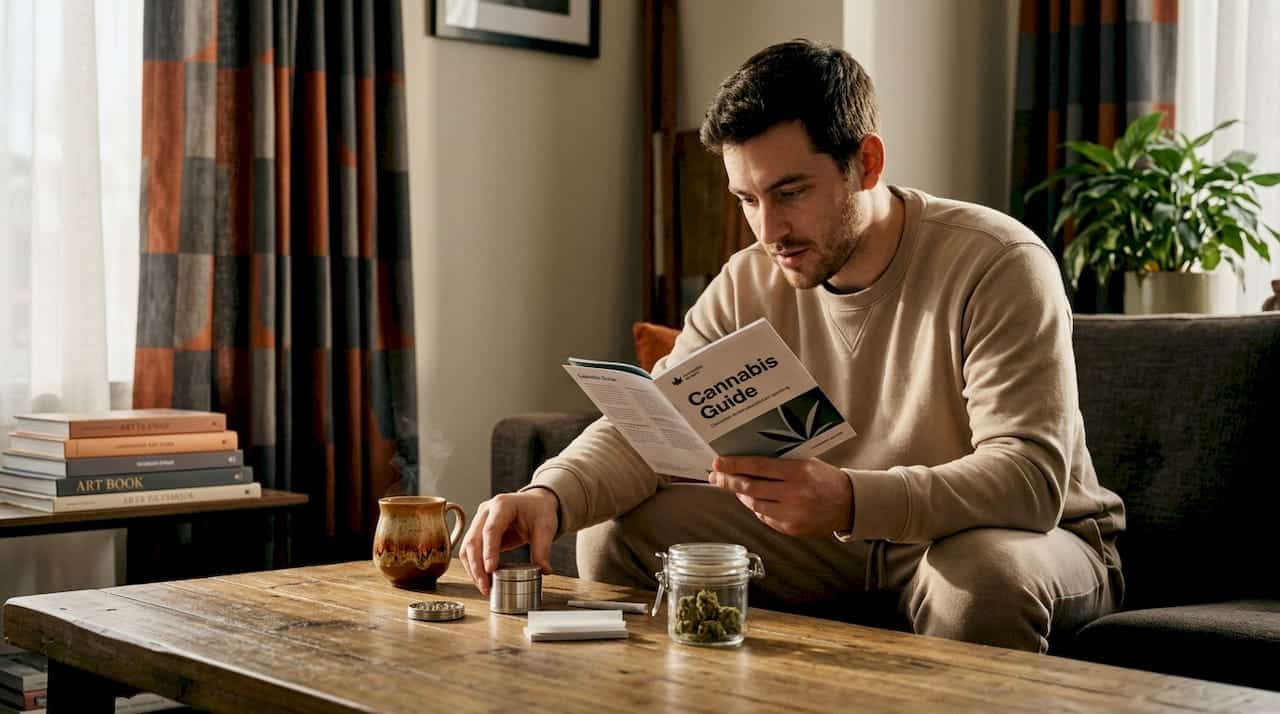
You’ve heard people talk about it, maybe seen it on a menu at a licensed shop, and now you’re genuinely curious. That’s completely normal. Millions of Canadian adults are in the same position: interested in trying cannabis for the first time but unsure about the types, the effects, or how to avoid making rookie mistakes. This guide walks you through everything you need to know, from what cannabis actually is to how to use it safely, what to expect, and how to handle things if they don’t go as planned. Think of it as your practical roadmap to a confident, informed first experience.
| Point | Details |
|---|---|
| Start low and slow | Begin with a small dose and wait for the effects before deciding to use more. |
| Know your products | Choose licensed, quality-tested cannabis and be aware of THC and CBD content to avoid surprises. |
| Prioritise safety | Never drive or mix with alcohol, and always use cannabis in a comfortable, safe setting. |
| Effects are personal | Everyone reacts differently to cannabis, so pay attention to your own experience—not just others’ stories. |
Cannabis is a plant that contains dozens of naturally occurring chemical compounds called cannabinoids. Two of them matter most for beginners: THC (tetrahydrocannabinol) and CBD (cannabidiol). Understanding the THC vs CBD differences is your first and most important step.
THC is the psychoactive compound. It’s what produces the “high” — the altered perception, euphoria, and sometimes the anxiety or paranoia that people associate with cannabis. CBD, on the other hand, is non-intoxicating. It won’t get you high, but it may contribute to a sense of calm or physical ease. Most cannabis products contain varying combinations of both, and understanding what’s in your product before you use it makes a real difference to how your experience unfolds.
According to the THC and CBD guide, potency is one of the most important variables to track. Higher THC potency significantly raises the likelihood of adverse effects, particularly for people who have never used cannabis before. A product with 25% THC is a very different experience from one with 8% THC. Many beginners make the mistake of assuming more is better. It isn’t.
Common positive effects include relaxation, mild euphoria, heightened sensory awareness, and a sense of wellbeing. But common acute adverse effects from THC-containing products include dizziness, dry mouth, impaired attention, impaired coordination, anxiety, sedation, and an elevated heart rate. Respiratory symptoms are more strongly associated with inhalational methods like smoking.
Here’s a quick comparison of the two main cannabinoids:
| Feature | THC | CBD |
|---|---|---|
| Psychoactive? | Yes | No |
| Produces a “high”? | Yes | No |
| Risk of anxiety? | Higher, especially at high doses | Low |
| Common use | Recreational and therapeutic | Therapeutic, wellness |
| Beginner-friendly? | At low doses only | Generally yes |
Routes of use also matter enormously:
Understanding these differences before you choose a product gives you a significant advantage as a first-time user.
With an understanding of cannabis effects, let’s prepare so your first encounter is as safe, legal, and positive as possible.
Before you even think about which product to try, confirm the legal purchasing age in your province. In most Canadian provinces it’s 19, with Alberta at 18 and Quebec formerly at 21 (now also 21 for some products depending on legislation). Buy only from licensed retailers or reputable online dispensaries that follow provincial regulations. Cannabis product quality from regulated sources is held to strict standards that unregulated markets simply cannot match.
This matters more than many beginners realise. Many CBD and cannabis products sold outside regulated or prescription channels are not subject to federal standards for content, purity, or potency, creating real risks of mislabelling or contamination. If you’re choosing CBD safely, sticking to products with clear third-party testing and proper labelling is non-negotiable.
Here’s a side-by-side look at licensed versus unregulated sources:
| Factor | Licensed/regulated | Unregulated |
|---|---|---|
| THC/CBD labelling accuracy | Required by law | Unreliable |
| Contaminant testing | Mandatory | None |
| Dosage consistency | Standardised | Highly variable |
| Legal protection | Yes | No |
| Product traceability | Full | None |
Before your first session, run through this preparation checklist:
Pro tip: Your first time should never be at a party or in an unfamiliar place. Choose a quiet, familiar environment where you feel relaxed and in control. This simple step eliminates a significant percentage of bad first experiences.
Once you’ve gathered what you need, here’s how to approach your first experience step by step.
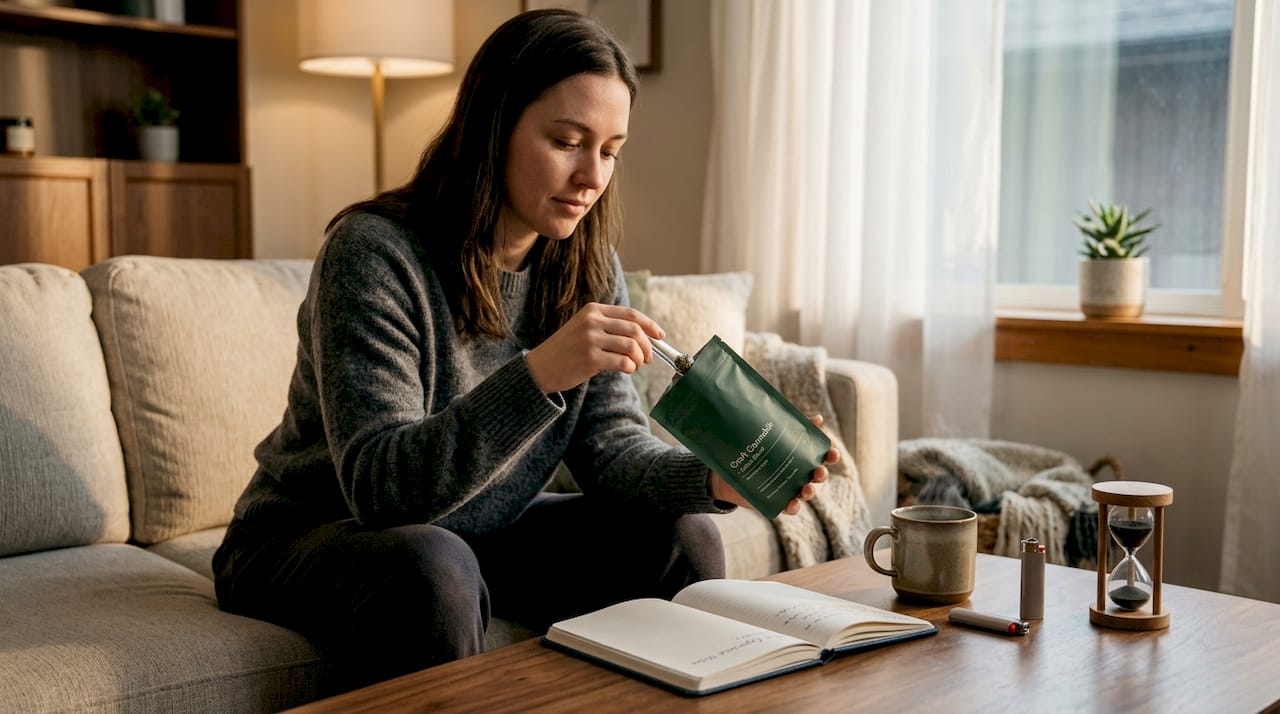
The method you choose affects everything: how quickly you feel effects, how intense they are, and how long they last. Inhaled methods (smoking or vaping) kick in within five to fifteen minutes and typically peak within thirty minutes. Edibles are slower and sneakier. Onset can take anywhere from thirty minutes to two hours, which is exactly why so many beginners make the mistake of taking more because they “don’t feel anything yet.” The route-related differences in how cannabis affects you are one of the most important things to understand before you start.
Simulated driving impairments increase measurably with smoked THC concentration in controlled trials, which underscores why dose and potency deserve serious attention from the very first session.
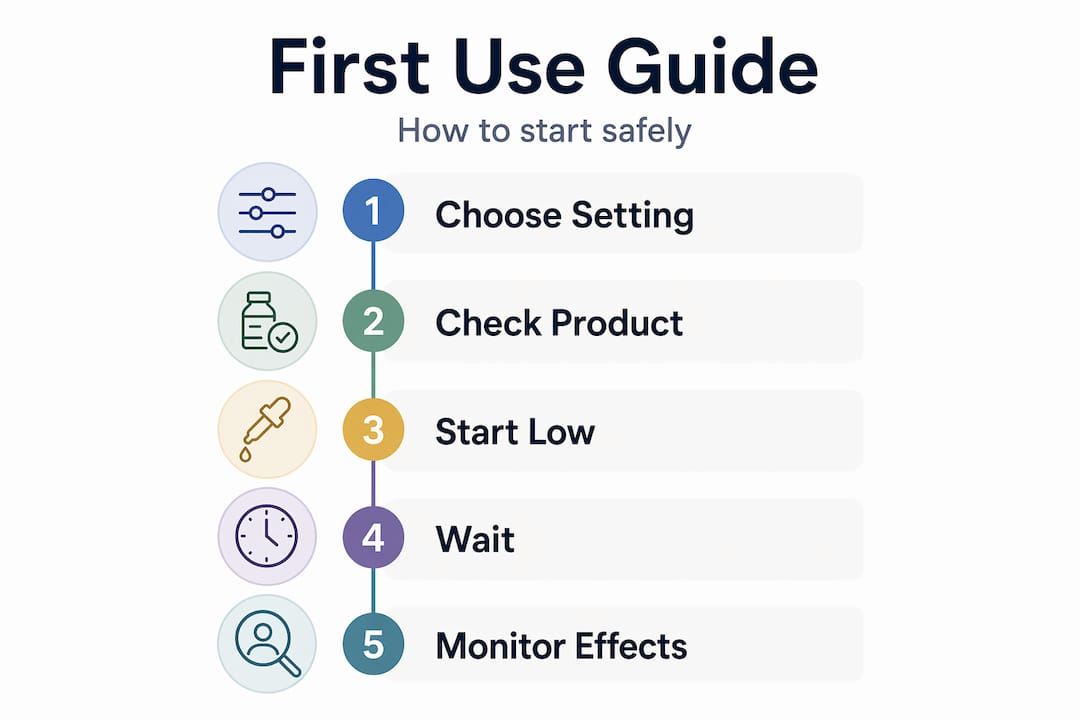
Follow these steps for a safer, more enjoyable first experience:
Review solid cannabis dosage guidelines before your first session. If you want a deeper walkthrough, the step-by-step dosing process is worth reading in full, and this optimal cannabis dosing resource explains how to adjust over time.
Pro tip: Never mix cannabis with alcohol, especially on your first attempt. Alcohol dramatically amplifies THC’s effects and significantly raises your risk of nausea, dizziness, and anxiety. Keep your first experience clean and straightforward.
To round out your first session, here’s what you can expect next and how to ensure safety remains your priority.
Effects vary considerably depending on the product and how you used it. With an inhaled low-THC product, you might feel mild relaxation, a light-headed sensation, or a pleasant mood lift within fifteen minutes. With an edible, the onset is slower but the experience can be more body-centred and longer-lasting. Effects from inhalation typically last one to three hours. Edibles can keep you feeling the effects for up to eight hours depending on the dose and your metabolism.
During and after your first session, avoid the following:
“Never drive or operate heavy equipment after using cannabis — impairment can last several hours.”
Cannabis impairs reactions and coordination in ways that are measurable and dangerous. Combining cannabis and alcohol increases impairment beyond what either substance produces on its own.
Special caution applies to certain groups. If you’re an older adult, be aware that older adults may be more sensitive to adverse effects including neuropsychiatric symptoms and postural hypotension (a sudden drop in blood pressure when standing). Starting at even lower doses under the guidance of a health professional is wise. If you have a personal or family history of psychosis, schizophrenia, or severe anxiety disorders, speak to a doctor before trying cannabis. These are not reasons to never try it, but they are reasons to proceed with much more care and medical input.
For medical cannabis dosing with specific health goals, the guidance is more structured and personalised, and working with a healthcare provider adds an important layer of safety.
If you feel unwell, remember: stay calm, hydrate, find a comfortable position, and breathe. Most cannabis-related discomfort passes within one to two hours. If symptoms are severe, persistent, or involve chest pain, seek medical attention.
With the practical steps covered, let’s zoom out for some real talk about starting with cannabis — the things most guides skip.
The most common mistake beginners make has nothing to do with dosage. It’s the assumption that someone else’s experience is a reliable template for their own. Your friend who smokes a full joint and feels great is not a useful benchmark. Cannabis effects are profoundly individual. Your body weight, metabolism, prior mental health history, sensitivity to THC, sleep patterns, and even your emotional state on the day all shape your experience in ways that no standard dose chart can fully account for.
Medical cannabis clinicians are clear that there is no universally safe approach to cannabis. Risk varies with dose, potency, and individual factors, particularly mental health history. This is advice worth taking seriously even if you’re using for purely recreational reasons.
“There is no universally safe approach — cannabis effects are highly individual and context matters.”
Many beginners also try to rush the experience. They want to feel the effects quickly, so they use too much, or they mimic the habits of experienced users without understanding that tolerance builds over time. Experienced users often consume at levels that would be genuinely overwhelming for someone on their very first attempt. Purposeful, patient experimentation is far more valuable than copying someone else’s routine.
Canada’s regulatory framework for cannabis is genuinely one of the best in the world. Licensed products come with accurate labelling, contaminant testing, and dosage information. That’s a real advantage. But regulations set a floor, not a ceiling. Self-awareness, patience, and honest reflection on how you actually feel (rather than how you expected to feel) are what turn a first experience into a genuinely good one.
The product selection workflow approach, where you identify your goals, choose a format, verify quality, and start conservatively, is a far smarter starting point than just grabbing what’s popular or cheap.
Ready to keep learning and exploring? Here are proven resources for your cannabis journey.
At GreenSociety.cc, we’ve built our platform around the idea that informed buyers make better choices and have better experiences. Whether you’re curious about flower, edibles, or CBD, there are great options available for every comfort level and preference.
If you want to explore the wide world of cannabis flower, start with our guide to cannabis flower varieties to understand the range of options and find one that suits a beginner’s palate. Prefer a smoke-free approach? Our breakdown of CBD edibles covers the tastiest and most approachable options on the market. And if you want the full picture on why so many beginners start with edibles, the edibles benefits guide walks through the key advantages, effects timeline, and safe use practices in detail. Start slow, choose quality, and let curiosity guide you.
Effects can last from one hour (inhaled) to up to eight hours (edibles), depending on dose and product type.
No. Cannabis impairs attention and coordination and you should avoid driving or operating any equipment for several hours after use.
Find a calm space, drink water, and rest. Common acute adverse effects like dizziness and anxiety usually pass within an hour or two, but seek medical help if they are severe.
Not automatically. Outside regulated channels, CBD products may lack quality controls, accurate labelling, or consistent potency, so always source from a licensed retailer.