Free Shipping
on orders over $150.00
$0.00
$150.00
Add $150.00 more for free shipping!

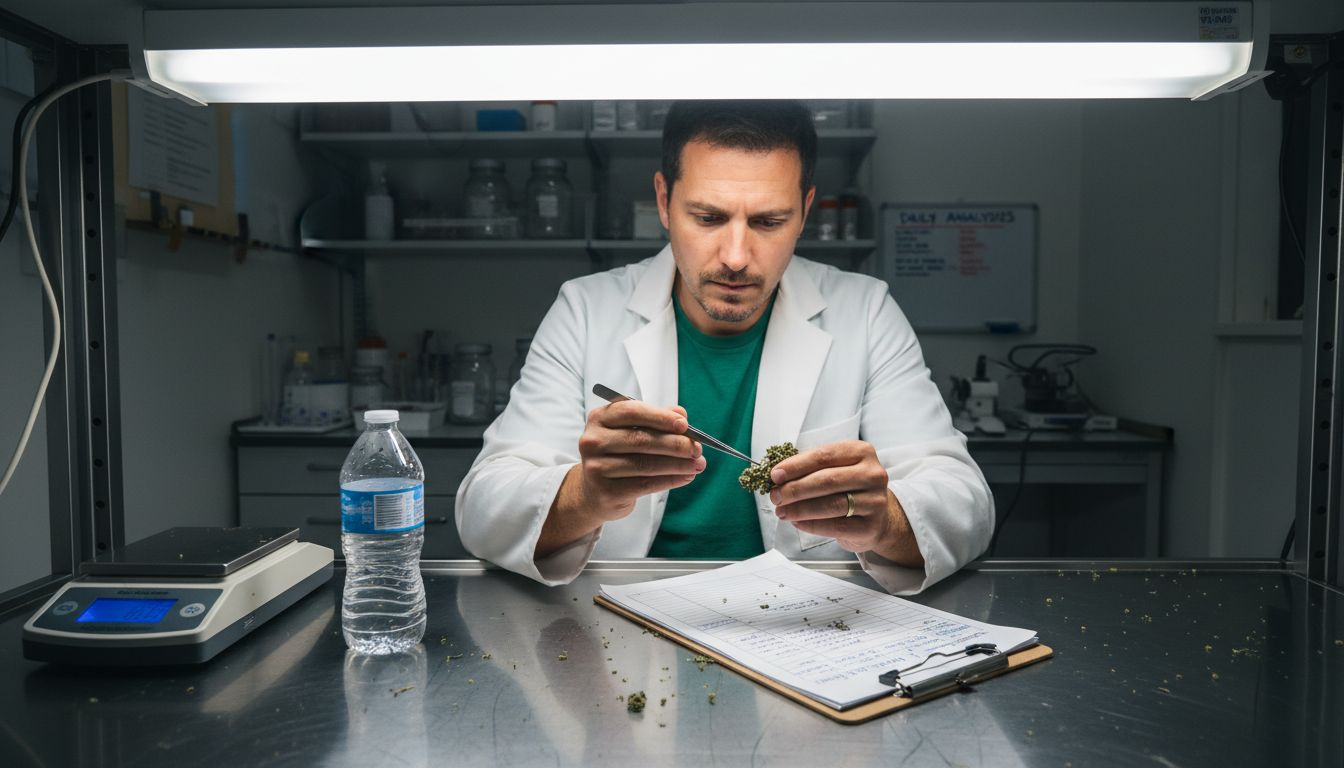
Finding a trustworthy cannabis product online can feel uncertain when every option promises something different. Adults across Canada deserve clear, reliable ways to tell which cannabis products put safety and quality first. Learning about cannabis product quality indicators, such as laboratory test results and accurate labeling, helps you steer clear of hidden contaminants while ensuring accurate potency. Discover how understanding these science-backed checks empowers you to make safer choices and enjoy greater confidence in every purchase.
| Point | Details |
|---|---|
| Importance of Quality Indicators | Understanding cannabis product quality indicators is crucial for safe and reliable consumption. Request detailed laboratory testing certificates to verify quality and safety standards. |
| Diverse Product Types | Different cannabis products, such as dried flower, oils, and edibles, have unique quality considerations that require specific testing. Be informed about these factors to make better purchasing decisions. |
| Laboratory Testing Standards | Comprehensive laboratory testing ensures cannabis safety, with protocols for potency and contaminant screening. Always review testing results for detailed information on product composition. |
| Regulatory Framework in Canada | Canadian regulations mandate strict labeling and quality control processes, ensuring consumer protection. Carefully examine product labels for crucial information on THC/CBD content and potential health warnings. |
Understanding cannabis product quality indicators is crucial for consumers seeking safe, reliable cannabis experiences. These indicators represent scientific measurements and standards that evaluate the overall safety, potency, and reliability of cannabis products. Global quality standards help consumers and regulatory bodies assess product characteristics objectively.
Quality indicators encompass several key areas of assessment: cannabinoid profile, contaminant screening, consistency, and laboratory testing protocols. Each indicator provides critical insights into product composition and potential risks. Cannabinoid profiles reveal the specific concentration of active compounds like THC and CBD, while contaminant screenings identify potential harmful substances such as pesticides, heavy metals, or microbial pathogens.
Comprehensive quality assessment involves multiple scientific measurements. Independent laboratory testing results examine potency levels, chemical composition, and potential impurities. Producers must demonstrate consistent product standards through rigorous testing, ensuring consumers receive predictable and safe cannabis products. These indicators help establish trust between manufacturers, regulators, and consumers by creating transparent quality benchmarks.
Pro Tip: Always request detailed laboratory testing certificates when purchasing cannabis products to verify their quality and safety standards.
Cannabis products represent a diverse range of consumption methods, each with unique quality considerations. Cannabis product variations include dried flower, oils, concentrates, edibles, and vapes, with distinct production challenges and quality control requirements. Understanding these differences helps consumers make informed purchasing decisions and recognize the critical importance of comprehensive quality assessment.
Dried flower, the most traditional cannabis product, requires rigorous testing for pesticide residues, moisture content, and cannabinoid potency. Concentrates and oils demand even more meticulous quality control, as extraction processes can introduce potential contaminants or alter chemical compositions. Edibles present additional complexity, requiring precise dosage measurements and thorough screening for consistent THC and CBD levels. Quality control variables span microbiological testing, pesticide screening, and accurate labeling across all product categories.
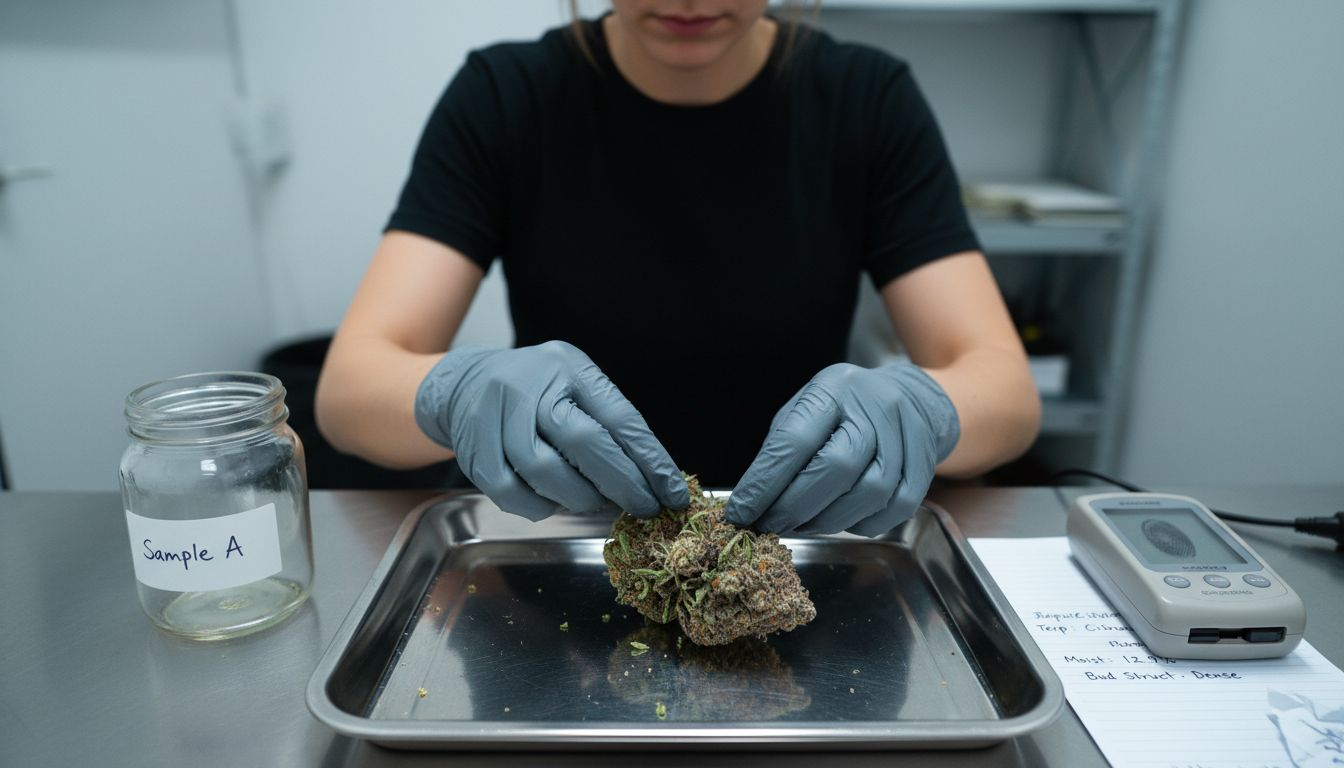
Here is a comparison of quality assessment requirements across popular cannabis product types:
| Product Type | Key Quality Concern | Common Lab Test |
|---|---|---|
| Dried Flower | Pesticide residues | Moisture, potency, metals |
| Oils | Extraction-related impurities | Residual solvents, potency |
| Edibles | Dosage accuracy | THC/CBD levels, ingredients |
| Vapes | Additive contamination | Solvent, heavy metals tests |
Regulated markets like Canada enforce stringent quality standards that significantly differentiate licensed producer products from unregulated sources. Licensed producers must demonstrate consistent product quality through comprehensive laboratory testing, ensuring consumers receive safe, accurately labeled cannabis products. These standards protect consumers by mandating thorough screening for potential harmful substances, establishing trust through transparent quality benchmarks.
Pro Tip: Request detailed laboratory test results for any cannabis product, focusing on potency, contaminant screening, and microbial analysis to ensure your personal safety and product quality.
Comprehensive laboratory testing represents the cornerstone of ensuring cannabis product safety and reliability. Cannabis Laboratory Quality Assurance programs establish rigorous standards for evaluating product characteristics, focusing on critical measurements that protect consumer health and regulatory compliance. These scientific assessments analyse multiple components, providing a detailed profile of each cannabis product’s composition and potential risks.
Key laboratory testing protocols typically encompass several essential analyses. Potency testing measures precise cannabinoid concentrations, including THC and CBD levels, ensuring accurate product labeling. Contaminant screening investigates potential harmful substances such as pesticide residues, heavy metals, microbial organisms, and potential toxic elements. FDA testing guidance emphasizes the importance of comprehensive screening to identify any compounds that could compromise consumer safety.
Advanced testing methodologies have transformed cannabis quality control, enabling producers and regulators to establish unprecedented transparency. Sophisticated analytical techniques like high-performance liquid chromatography and mass spectrometry allow for precise identification and quantification of chemical compounds. These scientific approaches help differentiate between high-quality, rigorously tested products and those from less regulated sources, ultimately protecting consumers and supporting informed purchasing decisions.
Pro Tip: Always request and review the complete laboratory testing certificate when purchasing cannabis products, paying close attention to potency levels, contaminant screening results, and batch-specific testing information.
Canadian cannabis regulations represent a global benchmark for consumer protection and product transparency. Cannabis product regulations establish comprehensive standards that mandate detailed labeling requirements, ensuring consumers receive accurate information about product composition, potency, and potential health implications. These stringent guidelines aim to create a safe, predictable marketplace that prioritizes consumer understanding and informed decision-making.
Labeling standards in Canada require precise documentation of critical product characteristics. Mandatory elements include clear displays of THC and CBD concentrations, comprehensive ingredient lists, specific health warnings, and traceable production information. Licensed producers must adhere to standardized packaging guidelines that prevent misleading marketing and ensure consistent consumer communication. Legal standards for cannabis emphasize transparency, requiring detailed documentation that allows consumers to understand exact product specifications before purchase.
The following table summarises Canadian cannabis labelling and legal requirements:
| Label Aspect | Regulatory Requirement | Consumer Benefit |
|---|---|---|
| THC/CBD content | Must be clearly displayed | Informs potency choice |
| Ingredient listing | Full disclosure mandatory | Aids allergy avoidance |
| Health warnings | Standardised, visible on all labels | Enhances safety awareness |
| Batch traceability | Production batch and lot on package | Enables recalls, verification |
The regulatory framework extends beyond simple labeling, encompassing rigorous quality control processes. Cannabis products must undergo extensive testing for contaminants, potency verification, and safety assessments before reaching consumers. These multifaceted requirements help eliminate potential health risks, differentiate between licensed and unlicensed products, and maintain high standards across the Canadian cannabis marketplace. By establishing these comprehensive standards, regulators protect consumer interests while supporting a responsible, transparent cannabis industry.
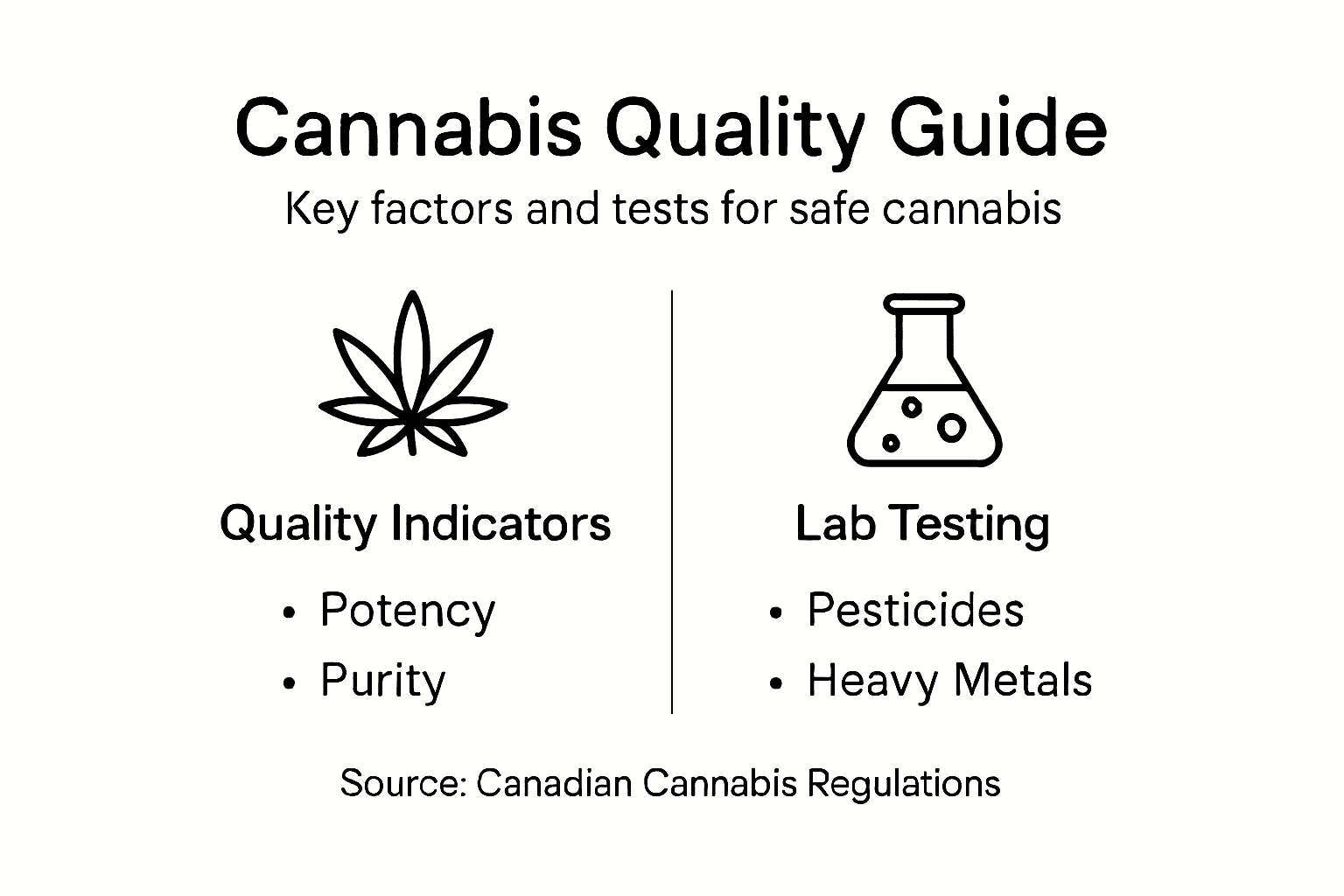
Pro Tip: Always examine the complete product label carefully, paying special attention to THC and CBD percentages, production batch numbers, and health warning sections.
Illicit cannabis markets expose consumers to significant and potentially life-threatening health risks that extend far beyond typical product quality concerns. Health risks in cannabis markets reveal a complex landscape of potential contamination, where unregulated products can contain dangerous substances that compromise consumer safety. These risks range from pesticide exposure to microbial contamination, presenting serious health hazards that are often invisible to the untrained consumer.
Contaminants represent the most immediate threat in poor quality cannabis products. Unregulated sources may introduce harmful substances including dangerous pesticides, heavy metals, and toxic microbial organisms that can cause severe short and long-term health complications. Some illicit products have been found to contain dangerous adulterants like synthetic cannabinoids or unidentified chemical compounds that can trigger unpredictable physiological responses, potentially leading to acute medical emergencies.
Global quality standards emphasize the critical importance of comprehensive testing and regulatory oversight in mitigating these risks. Laboratory testing in licensed markets provides multiple layers of protection, screening for potential contaminants, verifying cannabinoid concentrations, and ensuring product consistency. By contrast, illicit market products bypass these essential safety protocols, leaving consumers vulnerable to potentially dangerous substances that could cause significant health complications.
Pro Tip: Always purchase cannabis products from licensed, regulated sources and request detailed laboratory testing certificates to verify product safety and quality standards.
The article highlights the crucial role of cannabis product quality indicators and the risks tied to unregulated sources. If you seek reliable potency, safety, and transparency in your cannabis products, navigating the challenges of finding fully tested, contaminant-free options can be overwhelming. Pain points like inconsistent cannabinoid profiles or hidden impurities make product choice stressful and risky for many consumers.
At GreenSociety.cc, we understand the importance of comprehensive laboratory testing, clear labeling, and responsible sourcing that the article emphasises. We provide a carefully curated selection of flowers, edibles, concentrates, and more — all vetted to meet trusted quality standards. Our platform offers a seamless experience with promotional deals and swift, discreet delivery so you can shop confidently from home.
Take control of your cannabis journey today. Experience peace of mind by choosing products that align with the highest safety expectations and transparent quality benchmarks.
Browse Our Premium Cannabis Products
Discover top-quality cannabis you can trust and elevate your experience with GreenSociety.cc now. Your health and satisfaction deserve nothing less than the best.
Cannabis product quality indicators are scientific measurements and standards that evaluate the safety, potency, and reliability of cannabis products. They include assessments such as cannabinoid profiles, contaminant screenings, and consistency checks through laboratory testing.
Laboratory testing is crucial as it provides comprehensive analysis of cannabis products’ potency and potential contaminants. This ensures that consumers are informed about the product’s cannabinoid concentrations and possible harmful substances, which is essential for safe consumption.
Key quality concerns include the presence of pesticide residues, accurate potency levels (THC and CBD), and screening for contaminants such as heavy metals and microbial organisms. Always request laboratory test results to verify these factors before making a purchase.
Different cannabis products have unique quality requirements. For example, dried flower must be tested for pesticide residues and moisture content, while oils and concentrates require screening for extraction-related impurities. Edibles need precise dosage measurements and ingredient verification, emphasizing the importance of thorough quality assessments for each product type.