Free Shipping
on orders over $150.00
$0.00
$150.00
Add $150.00 more for free shipping!


TL;DR:
- Terpenes are the key compounds that determine cannabis flavor and aroma, surpassing THC in predictive value.
- Understanding terpene profiles allows users to select strains based on taste preferences and desired sensory experiences.
Cannabis strain flavour profiles are defined by terpene chemistry, the same aromatic compounds found in lavender, citrus peel, and black pepper. Terpenes explain why two strains with identical THC percentages can taste completely different. As RethinkTHC notes, terpene profiles reliably predict smell and taste, making them the most practical tool for choosing a strain. Whether you are shopping for recreation, managing a health condition, or simply curious about what makes Sour Diesel taste nothing like Lavender, understanding terpene families is your starting point.
Terpenes are volatile organic compounds produced in the resin glands of cannabis flowers. They are not unique to cannabis. Myrcene, one of the most abundant terpenes in cannabis, is also found in hops and mango. Limonene gives lemon rind its sharp brightness. These molecules bind to your olfactory receptors and create the sensory experience you associate with a particular strain.
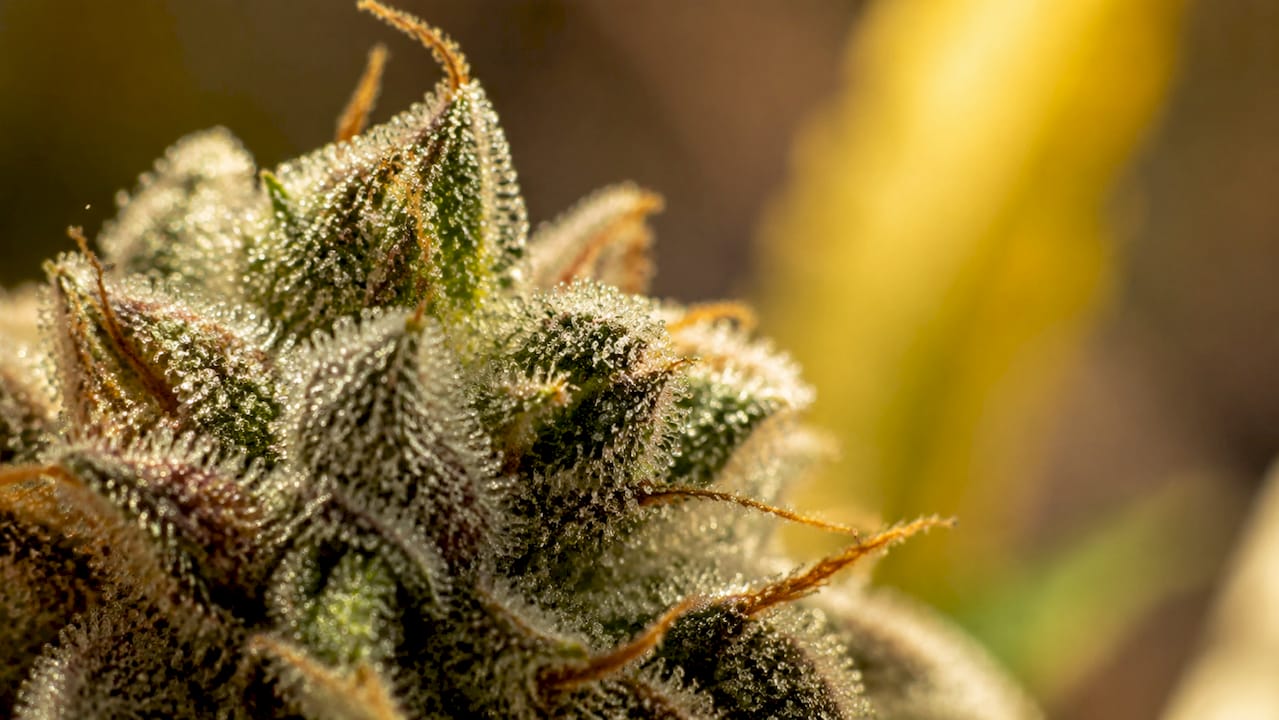
THC content tells you about potency, not taste. A strain sitting at 28% THC could smell like diesel fuel or fresh blueberries depending entirely on its terpene composition. Flavonoids and esters add further complexity, contributing earthy, bitter, or candy-like sweet notes that layer on top of the dominant terpene character. This is why experienced consumers increasingly read terpene labels rather than chasing the highest percentage on the shelf.
The citrus flavour family is driven primarily by limonene, a monoterpene with a sharp, zesty aroma that reads as lemon, orange, or grapefruit depending on concentration. Strains in this category tend to feel bright and uplifting on the inhale, with a clean finish.
Popular examples include Lemon Haze, Super Lemon OG, and Tangie. Key sensory notes:
Pro Tip: Limonene is highly volatile, so citrus strains smell most intense when the flower is freshly ground. Grind just before consumption to capture the full aromatic burst.
The fuel family is one of the most recognisable cannabis flavour profiles. It is driven by myrcene combined with caryophyllene and occasionally terpinolene, producing that sharp, petroleum-like aroma that has become a hallmark of East Coast genetics. Myrcene is the most abundant terpene in many cultivars, contributing musky, earthy undertones that underpin the sharper fuel notes.
Sour Diesel is the defining strain of this category. Other examples include Chemdawg and OG Kush. Key sensory notes:
Earthy profiles are the most common across cannabis cultivars because myrcene dominates so many strain lineages. The aroma reads as damp soil, forest floor, or dried herbs, and it often pairs with subtle woody or spiced undertones from caryophyllene.
Strains like Northern Lights, Afghan Kush, and Blue Dream sit firmly in this category. Key sensory notes:
This profile is particularly popular among consumers who prefer a classic, unfussy cannabis experience without the sharp edges of citrus or diesel.
The sweet and berry family is shaped by a combination of myrcene, ocimene, and linalool, often with small amounts of limonene adding brightness. The result is a profile that reads as fresh blueberries, strawberries, or mixed berry jam. Strains in this category are among the best tasting cannabis strains for new consumers because the flavour is approachable and pleasant.
Blueberry, Strawberry Cough, and Zkittlez are the benchmark strains here. Key sensory notes:
Pinene, the terpene responsible for the scent of pine needles and rosemary, defines this flavour family. Alpha-pinene and beta-pinene both contribute sharp, resinous, forest-like aromas that feel clean and invigorating. The flavour-family framework links pinene directly to that crisp, outdoor scent many consumers associate with classic sativa genetics.
Jack Herer and Pineapple Express carry strong pine profiles. Key sensory notes:
Beta-caryophyllene is the terpene that sets this flavour family apart. It is the only terpene known to bind CB2 receptors, which makes it unique among cannabis aroma compounds. On the palate, it reads as black pepper, clove, or warm spice, often with a woody base.
Girl Scout Cookies and Hash Plant are strong representatives. Key sensory notes:
Linalool drives the floral family, the same terpene that gives lavender its characteristic calming scent. Cannabis strains high in linalool tend to have soft, perfumed aromas with a gentle sweetness. The flavour is delicate compared to diesel or pine profiles, making it a favourite for consumers who prefer subtle, nuanced tasting notes.
The strain Lavender (also called Lavender Kush) is the clearest example. Amnesia Haze also carries notable floral notes. Key sensory notes:
The cheese family is produced by a specific combination of myrcene, caryophyllene, and sulphur compounds that develop during curing. The result is a sharp, savoury, almost fermented aroma that divides opinion but commands fierce loyalty among fans. UK Cheese genetics are the origin point for most strains in this category.
UK Cheese, Blue Cheese, and Exodus Cheese are the defining examples. Key sensory notes:
Terpinolene and ocimene combine to produce the tropical fruit family, delivering aromas of mango, pineapple, guava, and papaya. This profile is common in strains with Southeast Asian or Hawaiian lineage. The cannabis terpene aroma in this category is among the most immediately appealing to new consumers.
Pineapple, Mango Kush, and Papaya are strong examples. Key sensory notes:
The dessert family is a newer category shaped by modern breeding programmes that have stacked sweet, creamy, and vanilla-like terpene combinations. Cereal Milk is the benchmark strain here. Its layered flavour profile combines sweet, creamy, berry, and gas notes driven by limonene, myrcene, and caryophyllene, making it one of the most complex tasting experiences in contemporary cannabis.
Other examples include Gelato, Ice Cream Cake, and Wedding Cake. Key sensory notes:
Vaporizer temperature is the single most controllable variable in your flavour experience. Different terpenes evaporate at different temperatures, so the setting you choose determines which aromatic compounds reach your palate first.
Here is how the temperature progression works:
Pro Tip: Start vaporizing at lower temperatures to capture delicate monoterpenes first, then gradually increase the setting in 5°C increments. This technique reveals the full layered character of a strain rather than burning through it all at once.
Choosing a strain by flavour is more reliable than choosing by THC percentage alone. Effect predictions based on terpene content remain speculative, but flavour and aroma are consistent and verifiable. Use this table as a starting point for matching your taste preferences to a strain.
| Strain | Dominant terpenes | Flavour notes | Typical THC range | Best use case |
|---|---|---|---|---|
| Cereal Milk | Limonene, myrcene, caryophyllene | Sweet, creamy, berry, gas | 18–23% | Creative sessions, evening |
| Sour Diesel | Myrcene, caryophyllene, limonene | Fuel, sour, earthy | 20–26% | Daytime energy, focus |
| Lavender | Linalool, myrcene, caryophyllene | Floral, sweet, herbal | 14–19% | Relaxation, wind-down |
| Gelato | Caryophyllene, limonene, linalool | Sweet, dessert, citrus | 20–25% | Social, creative |
| Jack Herer | Terpinolene, pinene, myrcene | Pine, spice, earthy | 15–20% | Uplifting, outdoor activities |
Gelato and Cereal Milk share overlapping terpene profiles but taste noticeably different because of the ratio between limonene and caryophyllene. This is why reading the full terpene breakdown matters more than identifying a single dominant compound.
Selecting strains by flavour is a skill that improves with practice and attention. Here is a practical approach:
Strain genetics also influence flavour consistency across harvests, so understanding lineage helps you predict whether a strain will taste the same from batch to batch.
Terpenes are the definitive drivers of cannabis flavour, making them the most reliable guide for strain selection beyond THC percentage.
| Point | Details |
|---|---|
| Terpenes define flavour | Myrcene, limonene, and caryophyllene each produce distinct, predictable taste and aroma profiles. |
| THC does not predict taste | Two strains at the same THC level can taste completely different based on terpene composition. |
| Temperature controls flavour | Vaporizing at 180 to 195°C preserves the widest range of terpene notes for the best flavour experience. |
| Flavour journals build expertise | Tracking strain names, terpenes, and tasting notes accelerates your ability to identify personal preferences. |
| Effects remain speculative | Use terpene data for flavour selection, not as a guaranteed predictor of how a strain will make you feel. |
The conversation in Canadian cannabis has shifted. Three years ago, every dispensary shelf was organised by THC percentage and the assumption was that higher meant better. That framing is losing ground, and I think it is because consumers are getting burned by high-THC strains that taste like nothing and deliver an experience they did not want.
Terpene science has given consumers a vocabulary they did not have before. When someone tells me they prefer Gelato over Sour Diesel, they are not just expressing a vague preference. They are telling me they favour caryophyllene and linalool over myrcene-heavy fuel profiles. That is a meaningful distinction, and it points toward a more satisfying purchase every time.
What I find genuinely exciting is how vaporizer technology has made flavour exploration accessible. A device with precise temperature control turns a single gram into a tasting experience. You can pull a citrus-forward draw at 170°C and a heavier, earthier draw from the same bowl at 190°C. That kind of nuance was not available to most consumers five years ago.
The one area where I think the industry still falls short is labelling clarity. Too many products list a single dominant terpene without the full breakdown, or worse, they list terpenes that were added back after extraction. Consumers deserve to know what they are actually tasting. Until labelling standards catch up, the best approach is to buy from sources that publish full terpene data and to treat any flavour claim without supporting lab data with healthy scepticism.
Explore the cannabis strain selection workflow if you want a structured approach to applying this knowledge to your next purchase.
— Juiced

Greensociety carries a curated selection of flower organised by strain type, with terpene data available to help you shop by flavour rather than guesswork. Whether you are drawn to the creamy dessert notes of Gelato, the sharp citrus of Lemon Haze, or the classic fuel profile of Sour Diesel, the catalogue covers the full range of flavour families covered in this guide. If you are ready to put this knowledge to work, start with selecting cannabis flower online and filter by the terpene profiles that match your preferences. For those who want to take their flavour exploration further, the cannabis edible recipes section pairs strain flavour profiles with culinary applications worth exploring.
Cannabis strain flavour profiles are the distinct taste and aroma characteristics of a strain, determined primarily by its terpene composition. Terpenes like myrcene, limonene, and linalool each produce specific sensory notes ranging from earthy and musky to citrus and floral.
Myrcene is the most abundant terpene across cannabis cultivars and produces earthy, musky, and slightly fruity aromas. It forms the base note in many flavour profiles, including diesel, earthy, and berry families.
THC percentage does not determine flavour. Two strains at identical THC levels can taste completely different based on their terpene and flavonoid composition, which is why reading terpene data is more useful than comparing potency numbers.
The 180 to 195°C range in a vaporizer produces the fullest flavour experience by releasing a broad spectrum of terpenes without burning them. Starting at lower temperatures around 160°C first captures the most delicate, volatile terpene notes.
Start by identifying a flavour family you enjoy, such as citrus, pine, or sweet and berry, then look for strains with the corresponding dominant terpenes. Strain databases and dispensary terpene labels are the most reliable tools for matching flavour to purchase.