Free Shipping
on orders over $150.00
$0.00
$150.00
Add $150.00 more for free shipping!


TL;DR:
- Cannabis side effects vary from mild to serious and are influenced by dose, product type, and individual sensitivity. Managing these effects involves gradual dosage adjustments, choosing appropriate consumption methods, and open communication with healthcare providers. Recognizing severe reactions like CHS or emergency symptoms is crucial for timely treatment and safe use.
Cannabis side effects are defined as unwanted physical or psychological responses caused by overdose, individual sensitivity, underlying health conditions, or drug interactions. Knowing how to manage cannabis side effects is the difference between a comfortable experience and a distressing one. Health Canada classifies these reactions across a spectrum from mild inconvenience to medical emergency. The good news is that most side effects respond well to straightforward adjustments in dose, product type, and consumption method. This guide covers the full picture, from common reactions to serious warning signs, so you can use cannabis with confidence.
Cannabis adverse effects management starts with understanding what triggers reactions in the first place. Side effects reflect not only the product and dose but also your individual sensitivity, health status, and any other medications you are taking. That complexity means there is rarely one single fix. You need to look at the full picture.
The table below summarises the most common side effects, their likely causes, and typical severity.
| Side Effect | Primary Cause | Typical Severity |
|---|---|---|
| Anxiety or paranoia | High THC dose, low CBD ratio | Mild to moderate |
| Dizziness or lightheadedness | Rapid onset, low blood pressure | Mild |
| Dry mouth | CB1 receptor activation in salivary glands | Mild |
| Nausea | Overconsumption, sensitivity | Mild to moderate |
| Rapid heart rate | THC stimulation of the cardiovascular system | Mild to moderate |
| Impaired memory or concentration | THC binding in the hippocampus | Mild to moderate |
THC and CBD affect the body differently. THC is the primary driver of psychoactive side effects like anxiety and paranoia, while CBD tends to moderate those reactions. Users with pre-existing anxiety disorders or cardiovascular conditions face a higher baseline risk. Medications that affect liver enzymes, particularly CYP450 inhibitors, can also intensify cannabis effects by slowing how your body processes cannabinoids. You can read more about cannabis drug interactions on the Greensociety blog.
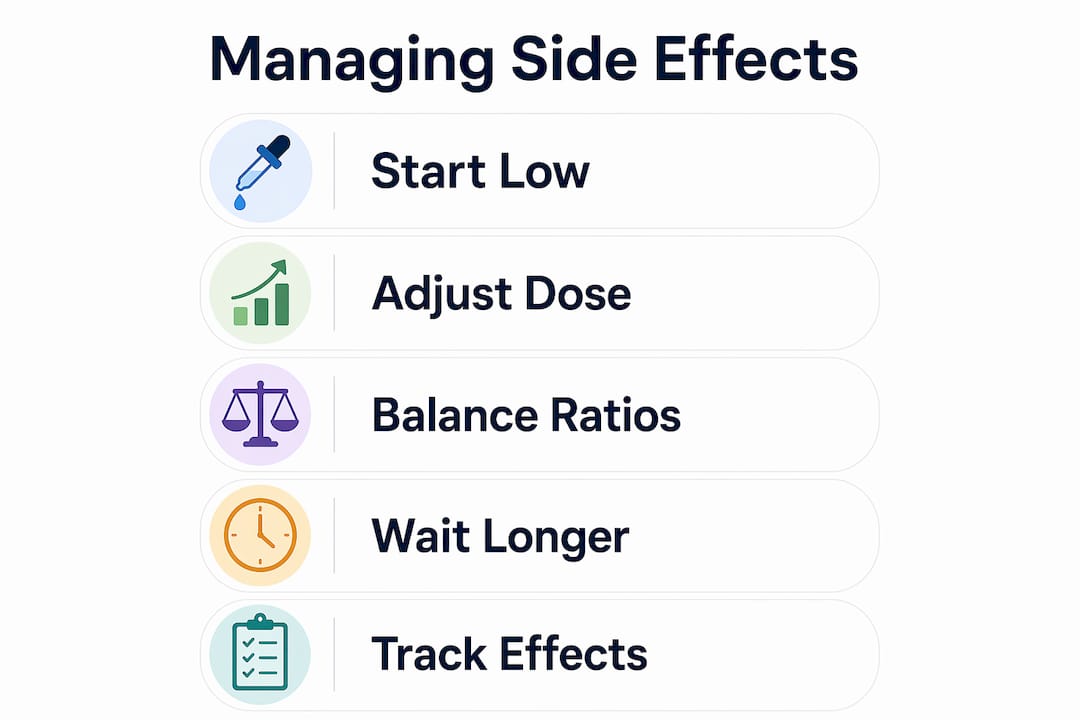
The single most effective strategy for reducing side effects is the “start low, go slow” approach. Oral cannabis effects can be delayed up to 90 minutes, peak between 2–4 hours, and last 8–24 hours. That extended timeline is the most common reason people accidentally overconsume.
Choosing the right consumption method also shapes your experience significantly:
Adjusting your THC to CBD ratio is another practical lever. Higher CBD content counteracts some of THC’s anxiety-producing effects. If you are experiencing anxiety or paranoia regularly, shifting to a product with a 1:1 or CBD-dominant ratio is worth trying before reducing your dose entirely. The Greensociety THC vs CBD guide breaks down how these two cannabinoids interact in detail.
Timing matters too. Using cannabis on an empty stomach intensifies effects. Eating a light meal beforehand slows absorption and smooths out the experience.
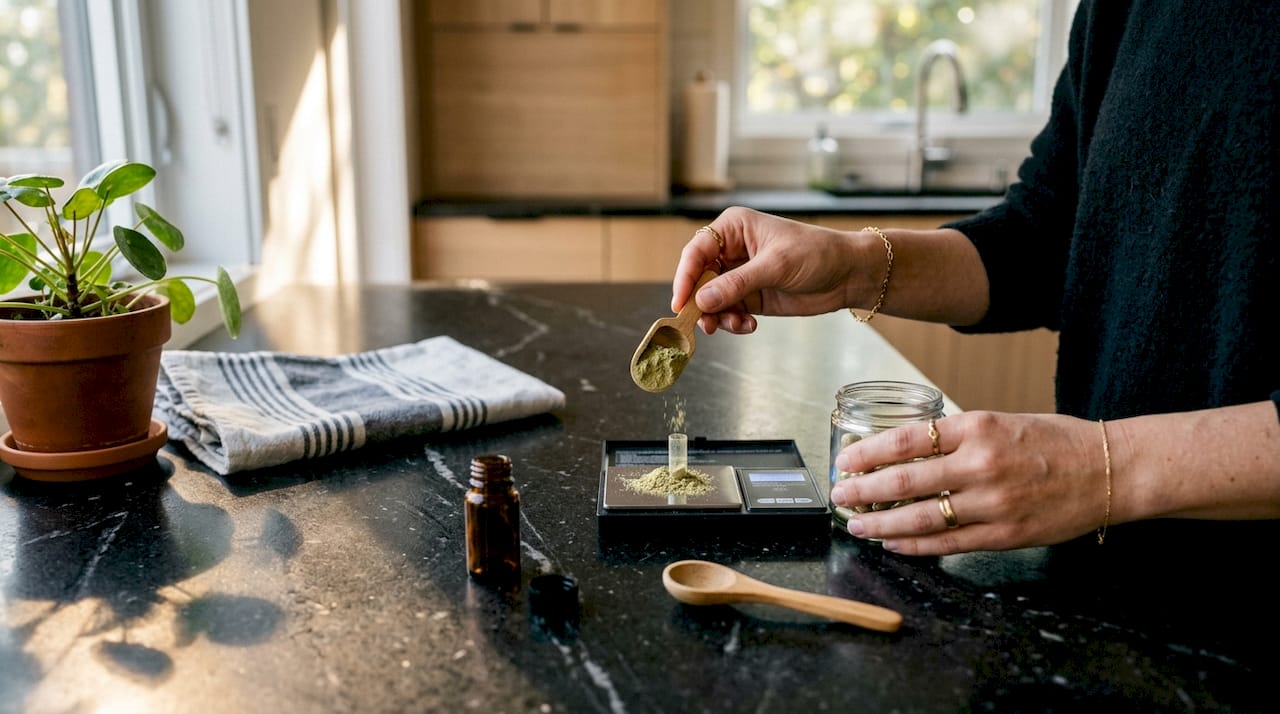
Pro Tip: With edibles, wait a full two hours before considering a second dose. The most common cause of an overwhelming high is redosing before the first dose has peaked. The delayed onset risk is well documented and entirely preventable with patience.
Cannabis withdrawal is a real and recognised condition, not just a myth. Withdrawal symptoms begin within 24 hours of stopping heavy use, peak around day 3, and typically resolve within two weeks. Recognising this timeline helps you distinguish withdrawal from other health issues.
Common cannabis withdrawal symptoms include irritability, anxiety, insomnia, reduced appetite, headaches, and sweating. These are distinctly different from acute intoxication symptoms like paranoia or rapid heart rate. Knowing which category your symptoms fall into guides the right response.
Follow these steps to manage withdrawal safely:
Managing cannabis withdrawal is largely about supportive care and patience. The two-week resolution window is predictable, which means you can plan around it.
Some cannabis reactions require urgent attention rather than self-management. Emergency symptoms that warrant calling 9-1-1 include seizures, chest pain, difficulty breathing, and severe allergic reactions. Do not wait to see if these resolve on their own.
Cannabinoid Hyperemesis Syndrome, or CHS, is a specific condition affecting long-term, heavy cannabis users. It causes cyclic episodes of severe nausea, vomiting, and abdominal pain. The defining behavioural marker is compulsive hot showers for temporary relief. Hot showers provide only temporary symptom relief. The only cure for CHS is sustained cannabis cessation.
Key points about CHS management:
Pro Tip: If you or someone you know is taking multiple hot showers a day to manage nausea, that is a specific red flag for CHS, not a general cannabis reaction. Bring this detail up with a doctor immediately. Early recognition shortens the diagnostic delay significantly.
The broader category of severe side effects also includes acute psychosis, which can occur in users with a personal or family history of schizophrenia or bipolar disorder. Cannabis is not appropriate for everyone, and a healthcare provider can help you assess your personal risk profile before you start or continue using it.
Open communication with your prescribing clinic or family doctor is the most underused tool in managing side effects. Curaleaf Clinic advises reporting side effects early and continuously, not just at scheduled appointments. That early reporting gives clinicians the information they need to adjust your treatment before problems escalate.
When you speak to your healthcare provider, bring the following information:
Clinical adjustments your doctor may suggest include dose reduction, a shift in THC to CBD ratio, switching from inhaled to oral products, or a temporary cessation period. These are all standard tools in cannabis adverse effects management. You can also report adverse effects directly to Health Canada through the Canada Vigilance Program, which contributes to national medication safety monitoring.
Pro Tip: Keep a simple daily log for one week before your appointment. Note the product, dose, time of use, and any symptoms. Clinicians make better decisions with specific data than with general descriptions like “it made me feel off.” A written record removes the guesswork.
Managing cannabis side effects requires adjusting dose, product formulation, and consumption method while maintaining open communication with your healthcare provider.
| Point | Details |
|---|---|
| Start low, go slow | Begin with the lowest effective dose and increase gradually to avoid overconsumption. |
| Edibles need extra patience | Wait at least two hours before redosing to avoid the delayed onset overshoot effect. |
| Withdrawal follows a timeline | Symptoms peak around day 3 and resolve within two weeks with supportive care. |
| CHS requires cessation | Hot showers relieve CHS temporarily; only stopping cannabis resolves it permanently. |
| Document and report | Keep a symptom log and report side effects to your doctor and Health Canada promptly. |
Most people who have a bad experience with cannabis make the same mistake. They do not adjust. They either stop entirely or keep using the same product at the same dose and hope the reaction goes away. Neither approach works particularly well.
The most common scenario I see is someone who tries an edible, feels nothing after an hour, takes more, and then spends the next six hours deeply uncomfortable. The delayed onset issue is not new information, but it keeps catching people off guard because the experience feels so different from inhaled cannabis.
What actually works is treating cannabis like any other therapeutic substance. You track what you take, you note how you feel, and you adjust based on evidence rather than guessing. The “start low, go slow” principle is not just a safety slogan. It is genuinely the fastest path to finding a dose that works without the side effects.
The other thing worth saying plainly: if you are experiencing anxiety every single time you use cannabis, the product is not right for you. That is not a character flaw or a tolerance issue. It is a signal that your THC to CBD ratio, your dose, or your consumption method needs to change. A cannabis dosing guide can help you find a better starting point, but the real work is paying attention to your own responses and being willing to change course.
Cannabis can be a genuinely positive part of life for many people. Getting the side effects under control is not complicated. It just requires patience, honesty with yourself, and a willingness to ask for help when you need it.
— Juiced
Understanding side effects is only half the equation. Choosing the right product from the start reduces the likelihood of problems significantly.
Greensociety offers a wide selection of cannabis flowers, edibles, and CBD products alongside practical educational resources to help you make informed choices. If you are new to edibles or looking to refine your approach, the Greensociety guide on selecting cannabis flower walks you through what to look for before you buy. For those exploring edibles specifically, the cannabis edible recipes and tips resource covers dosing, timing, and preparation methods that make a real difference to your experience. Greensociety ships discreetly across Canada, with product quality and customer safety at the centre of every order.
The most common side effects include anxiety, dry mouth, dizziness, nausea, rapid heart rate, and impaired concentration. These are typically dose-dependent and resolve as the effects wear off.
Cannabis withdrawal symptoms begin within 24 hours of stopping heavy use, peak around day 3, and resolve within approximately two weeks. Irritability, insomnia, and appetite changes are the most frequently reported symptoms.
Cannabinoid hyperemesis syndrome is a condition caused by long-term heavy cannabis use, characterised by cyclic vomiting and compulsive hot showers for temporary relief. The only effective treatment is sustained cannabis cessation.
CBD can moderate some of THC’s anxiety-producing effects when used in a balanced ratio. Shifting to a 1:1 or CBD-dominant product is a practical first step if you regularly experience anxiety or paranoia.
Call 9-1-1 immediately if you experience seizures, chest pain, difficulty breathing, or a severe allergic reaction after using cannabis. These symptoms require emergency medical attention and should not be managed at home.