Free Shipping
on orders over $150.00
$0.00
$150.00
Add $150.00 more for free shipping!


TL;DR:
- A vape safety checklist includes daily practices to prevent hazards like battery failure, nicotine overdose, and device malfunction. Following proper battery charging, device maintenance, and e-liquid handling habits significantly reduces fire and health risks. Responsible vaping requires consistent user habits, not just reliable hardware or safety circuits.
A vape safety checklist is a set of essential daily and maintenance practices designed to protect you from the most common hazards of vaping, including lithium-ion battery failure, nicotine overexposure, and device malfunction. These aren’t optional extras. They are the baseline habits that separate responsible vaping from reckless use. Whether you are new to vaping or have been at it for years, following a structured set of safe vaping practices keeps both you and your device in far better shape.
A vape safety checklist covers four core areas: battery charging habits, device and coil maintenance, e-liquid handling, and hazard recognition. Each area carries its own risks, and neglecting any one of them creates real problems. Regulatory bodies like the UK’s Office for Product Safety and Standards (OPSS) and Canada’s Health Canada both treat vape safety as a user responsibility, not just a manufacturer obligation. That framing matters. Your habits determine the outcome, not just the hardware.
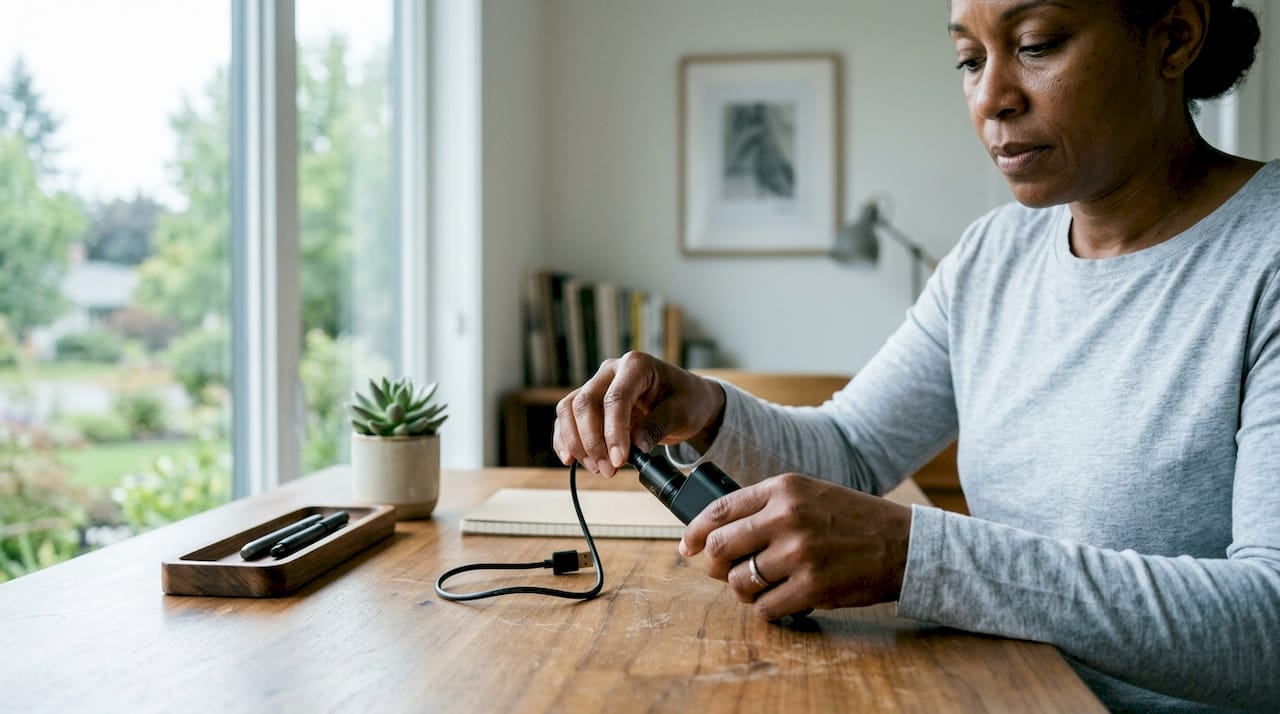
Battery incidents are the most preventable category of vaping accidents. The habits below eliminate the majority of charging risks.
Pro Tip: Label your batteries with the purchase date using a small sticker. Most lithium-ion vape batteries perform reliably for 300–500 charge cycles before capacity drops noticeably. Knowing the age of your battery helps you replace it before problems start.
| Charging situation | Recommended action |
|---|---|
| Charging surface | Hard, non-flammable only (desk, tile) |
| Charger type | Manufacturer-supplied or 5V/1A USB adapter |
| Charge duration | 45–90 minutes; never overnight |
| Temperature range | 15–25°C ambient |
| Removable batteries | Use a dedicated external charger |
Coil and device maintenance is the second pillar of any solid vaping checklist for beginners. A neglected device performs poorly and creates unnecessary health risks.
Pro Tip: Keep a small notebook or phone note tracking when you last replaced your coil and cleaned your tank. Most coils last 1–2 weeks with daily use. A simple log removes the guesswork.
E-liquid safety is often underestimated, particularly around nicotine concentration and storage. These are the non-negotiable rules.
For a broader look at vape cartridge safety, including what to check before purchasing, Greensociety’s guide covers the key quality indicators in detail.
Early detection of battery problems prevents the most serious vaping accidents. Thermal runaway, the process where a failing battery generates uncontrolled heat that accelerates further failure, is the primary cause of vape fires and explosions. Recognising the warning signs early stops it before it starts.
If your device shows any of these warning signs, stop using it, place it on a non-flammable surface away from combustibles, and do not attempt to charge it. Return the device to an authorised retailer or take it to a battery recycling facility. A damaged lithium-ion battery that continues to be used can enter thermal runaway with no further warning.
Report faulty devices to the retailer you purchased from. In Canada, you can also report unsafe consumer products to Health Canada directly. Never sell or give away a device you know to be faulty.
| Safety area | Key practice | When to apply |
|---|---|---|
| Charging safety | Use 5V/1A adapter; charge 45–90 min on hard surface | Every charge session |
| Battery care | Inspect wraps; store in hard case; recycle properly | Weekly and at end of life |
| Device maintenance | Prime coils; clean tank; follow wattage limits | Before first use and weekly |
| E-liquid handling | Buy regulated products; store child-safe; limit session length | Every purchase and daily use |
| Warning sign response | Stop use; place on non-flammable surface; recycle or return | Immediately upon detection |
Modern regulated devices include built-in safety circuits for short-circuit cutoff, overcharge protection, and auto-fire limits. These circuits are fail-safes, not substitutes for the habits above. They reduce risk. They do not eliminate it.
Safe vaping requires consistent battery habits, regular device maintenance, and responsible e-liquid handling, not just quality hardware.
| Point | Details |
|---|---|
| Battery charging is the highest-risk habit | Always use the correct adapter and never charge overnight or unattended. |
| Coil priming prevents dry-hit damage | Saturate the wick and wait 5–10 minutes before first use every time. |
| E-liquid nicotine levels matter | Beginners should stay at 3–6 mg/mL freebase or 20 mg/mL nicotine salt. |
| Warning signs demand immediate action | Swelling, heat, or strange smells mean stop using the device right away. |
| Built-in safety circuits are not enough | User habits remain the primary defence against battery incidents. |
The vaping community talks a lot about flavour, cloud production, and device specs. Battery safety gets far less attention, and that gap is where most serious incidents happen. I’ve seen people charge their devices on a nightstand overnight for months without incident, then conclude the practice is fine. That logic is backwards. The absence of a problem so far is not evidence that the practice is safe.
The UK OPSS 2026 campaign puts it plainly: vape battery care is a personal responsibility. Regulatory bodies can mandate safety circuits in hardware, but they cannot mandate your charging habits. That part is entirely on you.
What actually works is treating your vape battery the same way you treat any lithium-ion device you depend on. You wouldn’t leave your laptop plugged in on a pile of laundry overnight. The same logic applies here. The checklist mindset, running through a short mental list before you charge or use your device, takes about ten seconds and eliminates the majority of preventable risks. That is a trade-off worth making every single time.
— Juiced
Choosing a quality vape product is the first step in any safe vaping practice. Greensociety carries a curated range of cannabis vape products selected with quality and consistency in mind.

The cannabis product categories guide on Greensociety walks you through every major product type available in Canada, from vape pens to concentrates, with clear descriptions to help you choose confidently. For vapers who want a broader framework, the 2026 cannabis wellness checklist covers safe usage guidelines alongside product selection advice. Both resources are free and built specifically for Canadian adults.
A vape safety checklist is a set of daily and maintenance practices covering battery charging, device care, e-liquid handling, and hazard recognition. Following it consistently reduces the risk of battery failure, nicotine overexposure, and device damage.
Replace your coil every 1–2 weeks with regular daily use, or immediately when you notice a burnt taste, reduced vapour, or gurgling. Priming new coils by waiting 5–10 minutes after saturating the wick extends their lifespan.
Beginners should start at 3–6 mg/mL freebase nicotine or 20 mg/mL nicotine salt, with sessions limited to 5–10 puffs and short breaks between rounds to avoid overconsumption symptoms like dizziness or nausea.
Vaping while charging stresses the battery by simultaneously drawing and inputting current, which accelerates degradation and raises thermal risk. Always unplug before use.
Stop using the device immediately and place it on a non-flammable surface away from combustibles. Do not charge it. Return it to an authorised retailer or take it to a battery recycling facility for safe disposal.