Free Shipping
on orders over $150.00
$0.00
$150.00
Add $150.00 more for free shipping!

TL;DR:
- Proper decarboxylation at 240°F for 40 minutes activates THC effectively for edibles.
- Using a slow cooker at 160–190°F ensures consistent infusion while preserving cannabinoids.
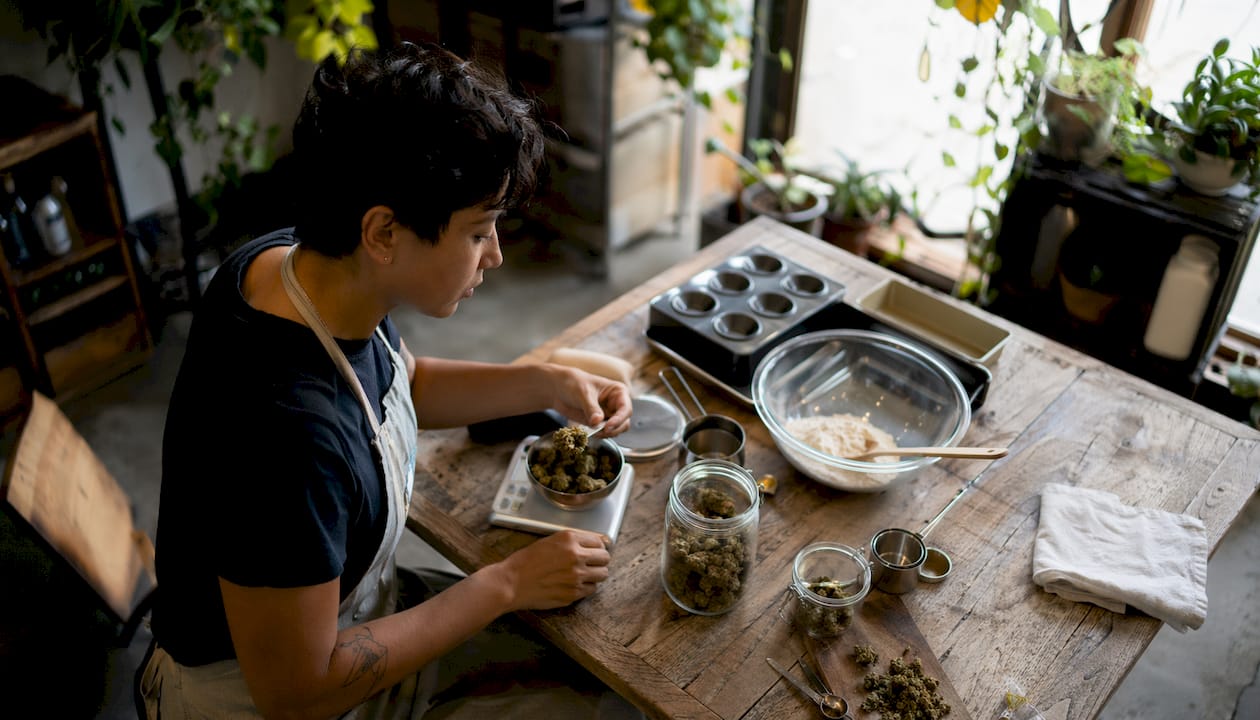
Cannabis edibles are homemade treats infused with activated cannabis, made through a process called decarboxylation followed by fat infusion. Getting the step by step cannabis edibles process right means controlling your potency, knowing your dose, and avoiding the most common mistakes that leave batches either useless or overwhelming. The standard industry term for the full process is “cannabis infusion,” and it covers everything from activating THC to folding your infused butter into a recipe. Done correctly, homemade edibles cost less per dose than store-bought options and give you full control over ingredients.
The right equipment makes the difference between a consistent batch and a wasted one. You need an oven thermometer, a slow cooker or double boiler, cheesecloth or a fine mesh strainer, mixing bowls, and a kitchen scale. A standard oven can run 15–25°F hotter or cooler than its dial suggests, so the thermometer is not optional.
Your choice of infusion base affects both flavour and how well cannabinoids absorb. Butter, coconut oil, and olive oil are the three most common options, each with distinct trade-offs.
| Infusion base | Fat content | Flavour profile | Best use |
|---|---|---|---|
| Butter | High (saturated + dairy) | Rich, traditional | Baked goods, brownies, cookies |
| Coconut oil | Very high (saturated) | Mild, slightly sweet | No-bake recipes, capsules |
| Olive oil | Moderate (unsaturated) | Mild, slightly grassy | Savoury dishes, dressings |
High saturated fat content improves cannabinoid absorption because THC binds to fat molecules. Coconut oil and butter both perform well on this front. Olive oil is a lighter option for those who prefer it in savoury cooking with cannabis.
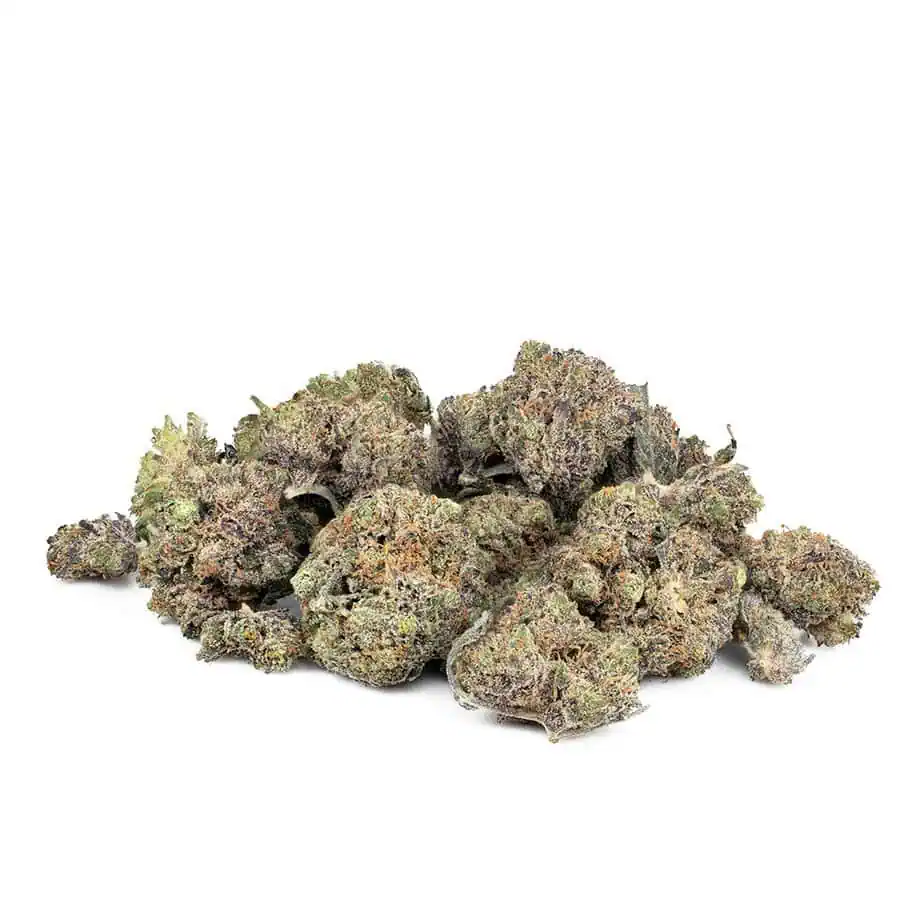
For cannabis flower, choose a strain with a known THC percentage. That number is the foundation of every dosing calculation you will make later. Grinding the flower to a medium consistency, not powder, gives you the best surface area for decarboxylation without burning.
Decarboxylation is the process of applying heat to raw cannabis to convert inactive THCa into psychoactive THC. Raw flower contains THCa, which produces no intoxicating effect on its own. Skipping this step means your edibles will have little to no effect, regardless of how much cannabis you use.
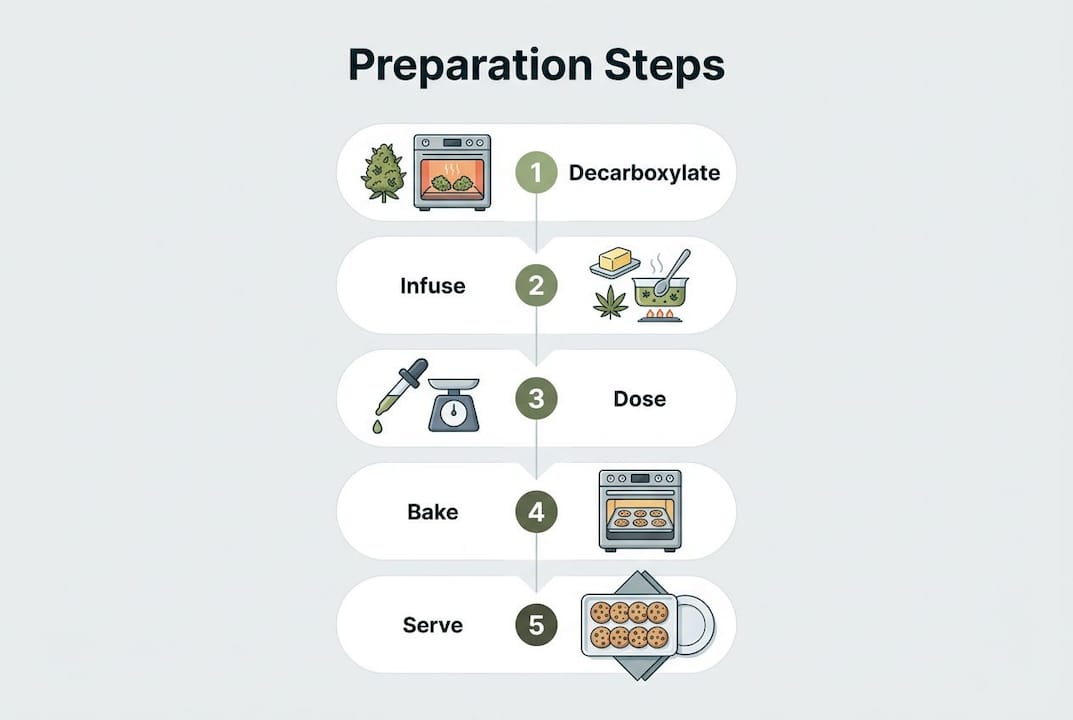
The standard decarb guideline is 240°F (115°C) for 40 minutes. That temperature is specific for a reason. It activates THC efficiently without destroying it.
Overheating is the most common decarb mistake. Temperatures above 250°F convert THC into CBN, a cannabinoid associated with sedative effects and lower potency. You end up with a batch that makes you sleepy rather than producing the effect you wanted. Many beginners confuse this sedating result with a “strong” batch, when the opposite is true.
Follow these steps for a consistent decarb:
Pro Tip: Place a second baking sheet on the rack above your cannabis to trap heat evenly and reduce hot spots. This one step noticeably improves consistency across the whole batch.
Fat infusion is where your decarboxylated cannabis transfers its cannabinoids into a usable cooking base. The goal is gentle, sustained heat. Rushing this step by turning up the temperature destroys the very compounds you just worked to activate.
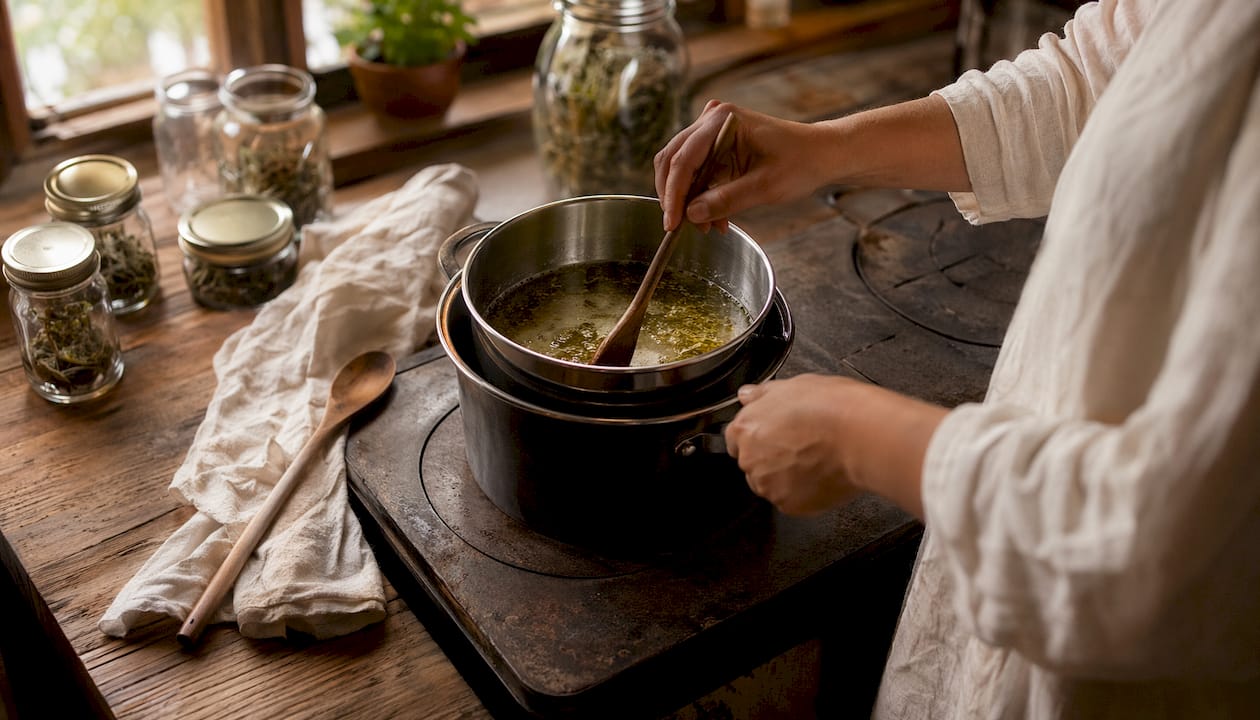
Maintain your infusion temperature between 160°F and 190°F throughout the entire process. Boiling your butter or oil is a mistake. It pushes temperatures well above 200°F and degrades both cannabinoids and terpenes.
| Method | Temperature control | Effort required | Best for |
|---|---|---|---|
| Stovetop double boiler | Manual, requires monitoring | Moderate | Experienced cooks |
| Slow cooker | Automatic, very stable | Low | Beginners |
A slow cooker stabilises temperature and reduces the risk of burning your infusion. Set it to “low” and walk away. That consistency is exactly what beginners need when making cannabutter at home for the first time.
The full infusion process runs as follows:
Adding sunflower lecithin improves THC bioavailability by acting as an emulsifier. It helps cannabinoids absorb more efficiently in the digestive system. Straining thoroughly removes plant material and prevents a bitter, chlorophyll-heavy taste in your final recipe. Squeezing the cheesecloth forces that bitterness through, so resist the urge.
Pro Tip: Freeze your infused butter in an ice cube tray. Each cube equals a measured portion, making it far easier to control your dose when you cook.
Dosing is the part most beginners get wrong, and it is the part that matters most. The bioavailability of ingested THC is 20–30%, meaning your body absorbs only a fraction of the THC present in each serving. That range shifts based on your metabolism, whether you ate beforehand, and the fat type you used.
Here is a basic dosing calculation to get you started:
For beginners, the recommended starting dose is 5–10 mg THC per serving. That range allows you to feel an effect without risking an uncomfortable experience. Always wait 2 hours before re-dosing. Edibles metabolise slowly, and taking more before the first dose peaks is the most common cause of an unpleasant experience.
To reduce the potency of a batch, mix your infused butter 50/50 with regular unsalted butter. This halves the THC per serving without changing the recipe’s texture or flavour.
No-bake recipes reduce the risk of THC degradation because they use low, controlled heat rather than a hot oven. Cannabis-infused Rice Krispie treats are the ideal starting point. They take under 30 minutes, require no baking, and portion easily into equal squares for consistent dosing.
Here is the basic process:
Overheating marshmallows is the single most common mistake in no-bake cannabis recipes. Once the marshmallows melt, pull the pot off the heat. Continued cooking raises the temperature enough to degrade THC and reduce the potency of your final treats.
Safety tips apply beyond the recipe itself. Store all cannabis edibles in a clearly labelled, airtight container out of reach of children and pets. Never leave them in packaging that resembles regular food. Refer to the top mistakes to avoid when consuming edibles to protect yourself and anyone in your household.
For more cannabis edible recipes and tips, including savoury options and baked goods, Greensociety’s kitchen guides cover a wide range of skill levels.
Making effective cannabis edibles requires decarboxylation at 240°F for 40 minutes, fat infusion at 160–190°F for 2–4 hours, and a starting dose of 5–10 mg THC per serving.
| Point | Details |
|---|---|
| Decarboxylation is non-negotiable | Heat raw cannabis at 240°F for 40 minutes to activate THC before any infusion. |
| Temperature control protects potency | Keep infusion heat between 160°F and 190°F; boiling or exceeding 250°F degrades THC into CBN. |
| Bioavailability affects your dose | Only 20–30% of ingested THC absorbs, so calculate servings conservatively and start low. |
| No-bake recipes suit beginners best | Low-heat recipes like Rice Krispie treats preserve potency and simplify consistent portioning. |
| Labelling and storage prevent accidents | Store edibles in airtight, clearly labelled containers away from children and pets at all times. |
The biggest mistake I see beginners make is impatience. They rush the decarb, skip the thermometer, and then wonder why their batch did nothing. Decarboxylation is chemistry, not guesswork. The 40-minute window at 240°F exists for a reason, and cutting it short by even 10 minutes leaves a meaningful portion of THCa unconverted.
The second mistake is treating the infusion like a cooking task rather than a controlled process. People crank the heat to speed things up. That decision converts THC into CBN and produces a batch that sedates rather than satisfies. A slow cooker on “low” for three hours beats a stovetop on “medium” every single time.
What actually separates consistent home cooks from frustrated ones is record-keeping. Write down your strain, its THC percentage, the weight you used, your infusion time, and the number of servings per batch. After two or three batches, you will have a personal reference that no guide can give you. Your metabolism, your preferred dose, and your kitchen equipment all factor into the result.
Start with one gram of cannabis in a small test batch before committing to a full recipe. The cost of a test batch is low. The cost of eating an entire tray of over-dosed brownies is not.
— Juiced
Making your first batch of cannabis edibles is far easier when you start with quality flower and reliable guidance. Greensociety brings both together in one place.
Browse the full cannabis product categories on Greensociety to find flower with clearly listed THC percentages, which is the single most important number in any dosing calculation. The site also offers a cannabis wellness checklist covering safe and effective use for 2026, including guidance on edible consumption. Whether you are building your first infused butter or refining a recipe you have made a dozen times, Greensociety’s educational resources and product selection support every step of the process.
The standard decarboxylation temperature is 240°F (115°C) for 40 minutes. Exceeding 250°F converts THC into CBN, which reduces potency and produces sedative effects.
Infuse for 2–4 hours at 160–190°F using a slow cooker or double boiler. Staying within that temperature range preserves cannabinoids and terpenes without boiling off potency.
A starting dose of 5–10 mg THC per serving is recommended for beginners. Always wait at least 2 hours before considering a second serving, as edibles metabolise slowly.
The bioavailability of ingested THC is only 20–30%, and it varies based on metabolism, stomach contents, and the fat type used in the infusion. Two people eating the same brownie can have noticeably different experiences.
Yes. No-bake recipes like cannabis-infused Rice Krispie treats are ready in under 30 minutes and reduce the risk of THC degradation from oven heat. They are the most beginner-friendly option for easy cannabis snacks at home.