Free Shipping
on orders over $150.00
$0.00
$150.00
Add $150.00 more for free shipping!


TL;DR:
- Starting with a low daily dose of high-quality, third-party tested CBD helps beginners in Canada experience subtle benefits. Choosing the right spectrum and method, and consulting a healthcare professional, ensures safe and effective use over time. Consistent gradual adjustments and verified lab results are key to a successful CBD routine.
CBD is a non-intoxicating compound found in hemp, and for most beginners, the right starting point is a low oral dose using a broad-spectrum or CBD-dominant product. You won’t get high. What you may notice, after a few consistent weeks, is a subtle shift in how you feel: a little less anxious, sleeping more soundly, or recovering from a workout with less soreness. The key word is subtle. CBD works cumulatively, not like a light switch.
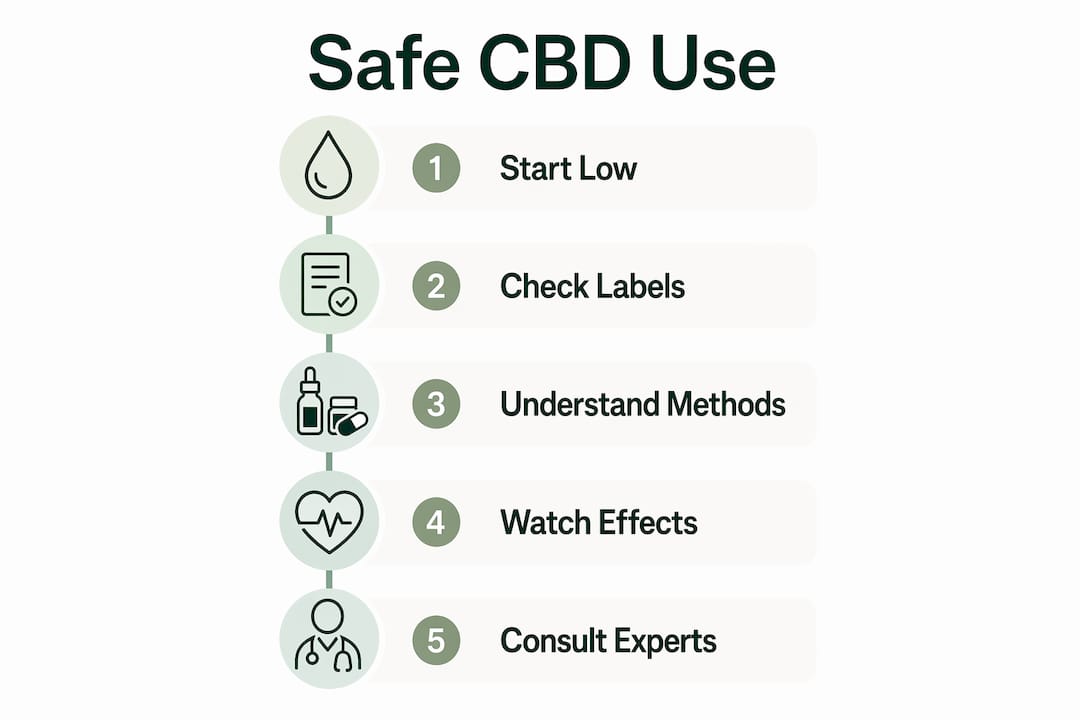
Before you buy anything, a few things matter more than the brand name on the label:
The Canadian market has grown considerably since federal legalisation, and the quality gap between products is real. A well-made CBD oil from a transparent brand and a cheap, unlabelled capsule from a gas station shelf are not the same product. This guide walks you through everything you need to know to start confidently.
CBD, short for cannabidiol, is one of over a hundred cannabinoids found in the cannabis plant. Unlike THC (tetrahydrocannabinol), it does not cause a high and carries no psychoactive effects at the concentrations found in legal products. Hemp-derived CBD contains negligible THC by definition, which is why it sits in a different regulatory category than recreational cannabis.
The body has its own endocannabinoid system (ECS), a network of receptors and signalling molecules that helps regulate mood, sleep, pain perception, and immune response. CBD interacts with this system indirectly. Rather than binding tightly to CB1 receptors (the ones THC activates to produce a high), CBD modulates CB1 and CB2 receptors more gently, and also influences other receptor pathways involved in serotonin signalling and inflammation.
Three product types reflect how much of the plant’s chemistry you’re getting:
Research into CBD’s mechanisms is still evolving, and Canadian regulators continue to assess the evidence base for various health claims. What’s clear is that CBD is not a placebo for everyone, and it’s not a cure-all either. The science is genuinely promising in several areas, which the next section covers.
The honest answer is: promising, but not settled. Current research points to real potential for CBD in several areas, though the evidence varies considerably by condition.
The strongest case is for epilepsy. Epidiolex, a pharmaceutical-grade CBD product, received approval specifically for rare seizure disorders, and the clinical trial data behind it is solid. For most other uses, the picture is more nuanced.
One thing worth knowing: individual response varies considerably. Body weight, metabolism, the condition being addressed, and even gut health all influence how CBD works for a given person. A dose that gives one person noticeable relief may do very little for another at the same weight. Consulting a healthcare provider helps you set realistic expectations and align CBD use with your actual health picture, especially if you’re managing a diagnosed condition.
Pro Tip: CBD is a wellness tool, not a pharmaceutical substitute. Treat it as a complement to other healthy habits, not a replacement for medical care.
CBD’s safety profile is generally good at recommended doses. Most people tolerate it well, and serious adverse events are rare. That said, side effects do occur, particularly when doses are too high or products are poor quality.
Common mild side effects include:
The more significant concern is drug interactions. CBD is metabolised by the liver’s cytochrome P450 enzyme system, the same pathway used by many common medications. This is similar to how grapefruit juice interacts with certain drugs. If you take blood thinners like warfarin, anti-epileptics, or certain antidepressants, consult your healthcare provider before adding CBD to your routine. The interaction can raise or lower the effective level of your medication in ways that matter clinically.
Third-party lab testing is your best protection against a different category of risk: contaminated or mislabelled products. A COA from an independent lab confirms the actual CBD content, verifies THC levels, and screens for pesticides, heavy metals, and residual solvents. Never buy a CBD product that can’t produce one.
In Canada, CBD products sold through licensed cannabis retailers and regulated online dispensaries must meet federal quality standards. Buying from a licensed vendor isn’t just a legal formality; it’s the most practical safety step a beginner can take.
The format you choose changes everything about how CBD feels and how long it lasts. There’s no universally best method; the right one depends on what you’re trying to address and how quickly you need it to work.
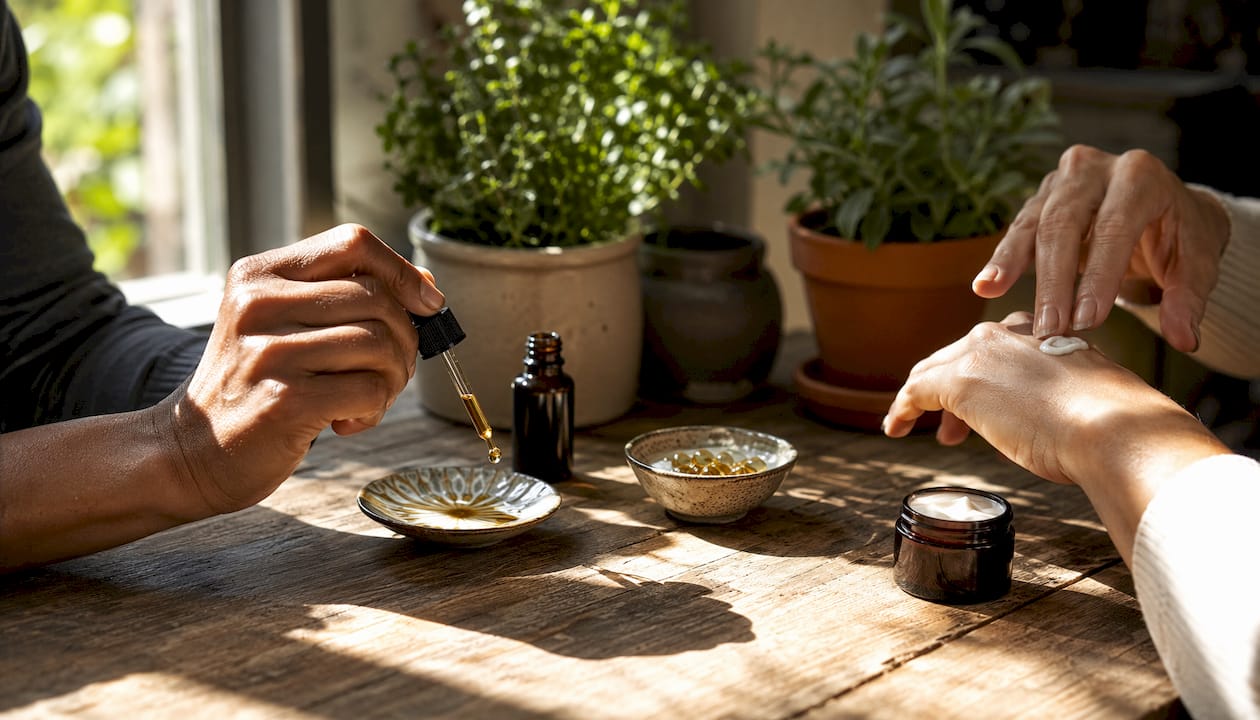
Sublingual oils and tinctures are the most popular starting point for good reason. You place drops under the tongue, hold for about 60 seconds, then swallow. Holding the oil under the tongue (not on top of it) allows direct absorption through the mucous membranes, bypassing the digestive system entirely. Onset runs 15–45 minutes, and effects typically last 4–6 hours. The dosing flexibility is a real advantage for beginners still finding their ideal amount. For a deeper look at getting started with this format, Greensociety’s CBD tincture guide covers the basics clearly.
Edibles and capsules are discreet, pre-dosed, and easy to work into a daily routine. The trade-off is time: onset takes 1–2 hours because the CBD passes through the digestive system first, and effects can last up to 8 hours. That longer duration is useful for sleep or all-day relief, but it makes dose adjustment trickier. Start lower than you think you need and wait the full two hours before concluding it isn’t working.
Topicals (creams, balms, roll-ons) work locally. They don’t enter the bloodstream in meaningful amounts, so they won’t affect your mood or sleep. What they do well is target specific areas of muscle soreness, joint discomfort, or skin irritation.
Inhalation (vaping or smoking CBD flower) produces the fastest onset, within minutes, but comes with respiratory risks that make it a poor first choice for most beginners. If you’re curious about different CBD product formats, the options extend well beyond oils and gummies.
| Method | Onset time | Duration | Best for |
|---|---|---|---|
| Sublingual oil | 15–45 min | 4–6 hrs | Anxiety, general wellness, flexible dosing |
| Edibles/capsules | 1–2 hrs | Up to 8 hrs | Sleep, sustained relief, convenience |
| Topicals | 15–30 min (local) | 2–4 hrs | Localised pain, skin conditions |
| Inhalation | 2–10 min | 2–3 hrs | Fast relief (higher risk profile) |
Start low, go slow. That’s not just a catchy phrase; it’s the standard expert approach because CBD’s effective dose varies widely between people, and starting too high is the most common reason beginners have a bad first experience.
| Experience level | Suggested starting dose | Typical maintenance range |
|---|---|---|
| Complete beginner | 10–15 mg/day | 15–30 mg/day after 2–4 weeks |
| Some prior experience | 15 mg/day | 30–50 mg/day based on response |
| Managing a specific condition | Consult healthcare provider | Varies by condition and provider guidance |
Pro Tip: Dose in milligrams, not by volume. A 30 mL bottle labelled “1,500 mg CBD” contains 50 mg per mL. One full dropper (1 mL) is 50 mg, not a starter dose.
The Canadian market offers a lot of choice, and not all of it is equal. Knowing what to look for cuts through the noise quickly.
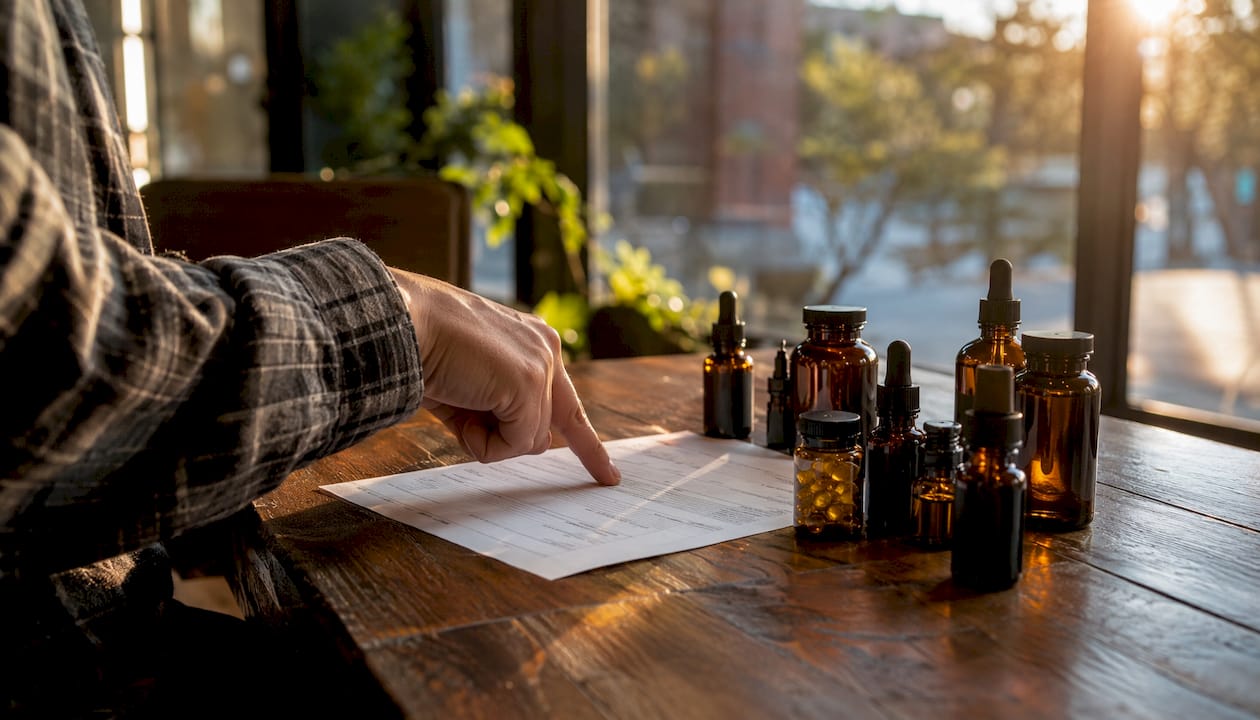
Understand the spectrum. Full-spectrum, broad-spectrum, and isolate each suit different needs. If you want to avoid THC for workplace drug testing or personal preference, broad-spectrum or isolate are your options. If you want the full plant profile and trace THC doesn’t concern you, full-spectrum may offer more complete effects. Greensociety’s breakdown of full-spectrum vs isolate is a useful reference before you buy.
Demand a Certificate of Analysis. Any reputable brand makes its COA easy to find, either on the product page or via a QR code on the label. The COA should come from an independent, accredited lab, not the brand’s own facility. Check that the CBD content matches the label claim and that THC, pesticides, and heavy metals are within safe limits.
Read the label carefully. A quality product states the exact milligrams of CBD per serving, not just per bottle. Ingredient lists should be short and recognisable. Avoid products with vague “proprietary blends” or synthetic additives you can’t identify.
Check the extraction method. CO2 extraction is the gold standard. It’s clean, doesn’t leave solvent residues, and preserves the plant’s cannabinoid and terpene profile. Ethanol extraction is also acceptable. Avoid products that don’t disclose their extraction method at all.
Consider format and flavour. You’re more likely to take something consistently if you actually like it. Oils come in natural hemp flavour or mint, citrus, and other options. Capsules are flavourless. Gummies taste like candy. Pick what fits your daily routine.
Buy from licensed Canadian vendors. Under Canada’s Cannabis Act, licensed retailers must meet federal quality and safety standards. Purchasing through a regulated online dispensary or physical retailer gives you legal recourse and product accountability that grey-market sources simply can’t offer. For practical guidance on selecting quality CBD products, Greensociety’s buying guide covers what to look for in detail.
PureKana is one example of a brand that publishes its COAs publicly and uses CO2 extraction, which reflects the kind of transparency worth looking for in any brand you consider. The standard applies regardless of which brand you choose: if they won’t show you the lab results, move on.
A few final practical tips for shopping:
Greensociety carries a curated selection of CBD products suited to beginners and experienced users alike, from tinctures and capsules to topicals and edibles. Every product on the platform comes from vetted sources, with quality and transparency as the baseline. If you’re still exploring formats, the guide to CBD edibles is a good place to see what’s available in a format that’s easy to dose and enjoyable to use. Browse the full CBD catalogue at Greensociety and find a product that fits your goals.
Starting with a low daily dose of quality, third-party-tested CBD and adjusting gradually over two to four weeks is the most reliable approach for beginners in Canada.
| Point | Details |
|---|---|
| Start low and go slow | Begin at 10–20 mg per day and hold for one to two weeks before increasing. |
| Choose the right spectrum | Broad-spectrum or isolate suits those avoiding THC; full-spectrum suits those wanting the full plant profile. |
| Verify with a COA | Always check a third-party Certificate of Analysis for CBD content, THC levels, and contaminants. |
| Match method to your goal | Sublingual oils act in 15–45 minutes; edibles take 1–2 hours but last up to 8 hours. |
| Consult your doctor | CBD interacts with common medications through liver enzyme pathways; medical advice is especially important if you take prescriptions. |