Free Shipping
on orders over $150.00
$0.00
$150.00
Add $150.00 more for free shipping!

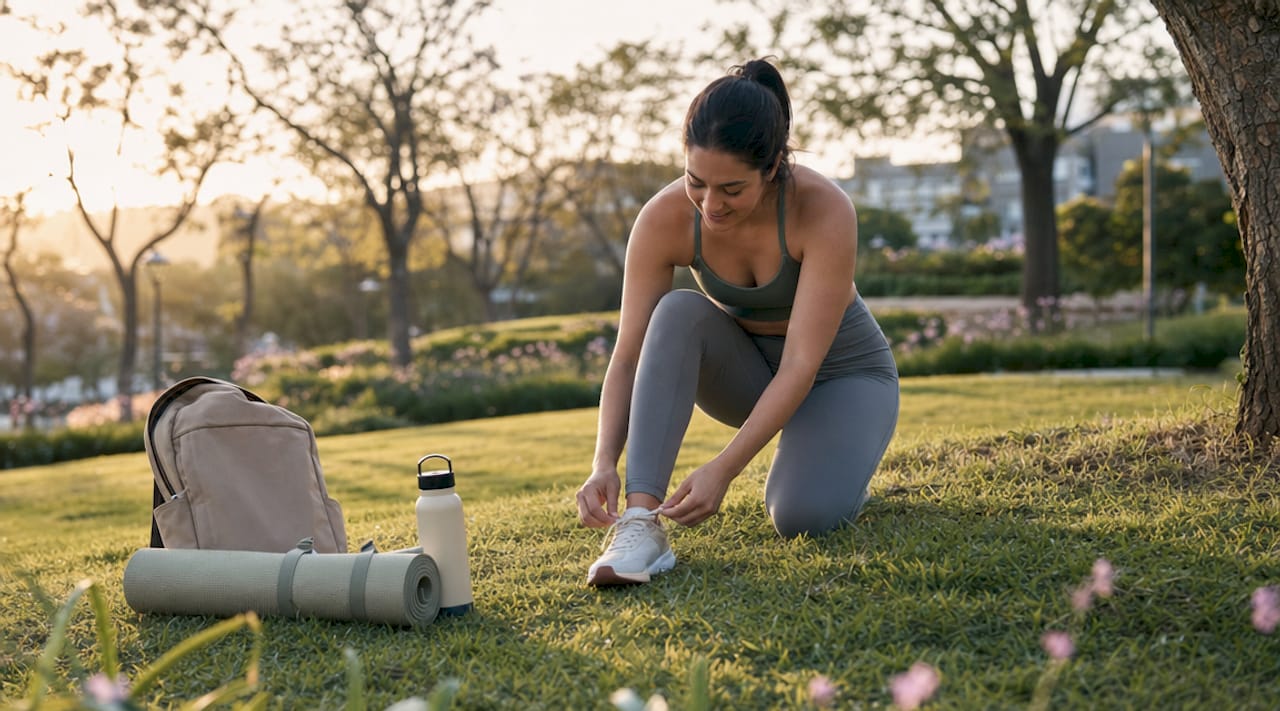
TL;DR:
- Cannabis enhances workout enjoyment and recovery when used appropriately with low-dose THC and CBD. The trend favors controlled, daily cannabinoid use tailored to activity type and product format, emphasizing safety and sustainable benefits. While it does not boost physical performance, cannabis can improve adherence and subjective experience in fitness routines.
Cannabis and fitness trends are defined by one core principle: targeted cannabinoid use improves workout enjoyment and recovery, not raw athletic output. Research from the University of Colorado confirms that 40% of cannabis consumers integrate it with exercise, and over 90% of those users report increased workout enjoyment. The two cannabinoids driving these trends are THC, valued for mental benefits like focus and reduced anxiety, and CBD, used for post-exercise inflammation and muscle recovery. Understanding how to use each one correctly is what separates a productive fitness routine from an impaired one.
Low-dose THC use before moderate exercise is the most widely adopted trend among fitness enthusiasts combining cannabis with movement. Low-dose THC at 2.5 to 5mg before training improves focus, reduces social anxiety in group settings, and meaningfully increases subjective enjoyment without the disorientation of higher doses.
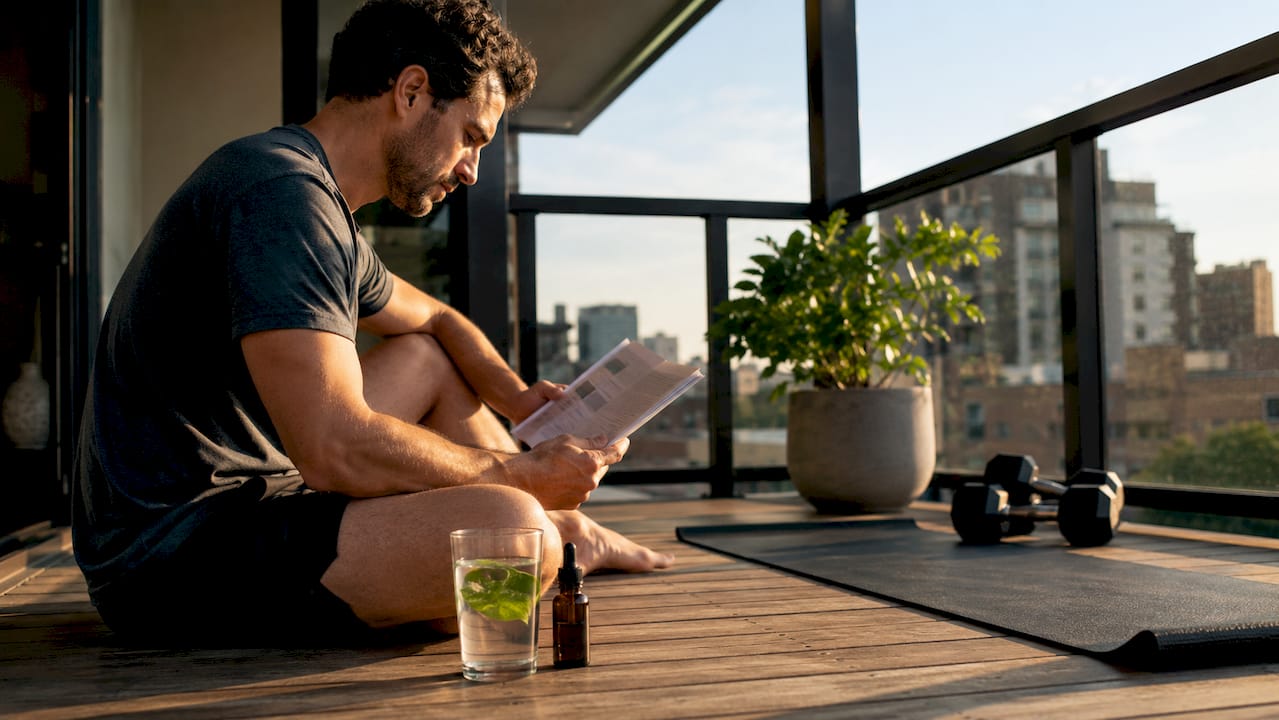
The activities best suited to this approach are yoga, treadmill walking, cycling, and light to moderate cardio. These are rhythmic, low-coordination movements where heightened sensory awareness adds to the experience rather than creating risk. Cannabis encourages preference for light to moderate activity and sustains consistent routines, which matters far more for long-term fitness than any single high-intensity session.
The caution here is real. 5mg THC increases balance errors by 18% and slows reaction time by 12%. Olympic lifting, rock climbing, HIIT with complex movement patterns, and any sport requiring rapid decision-making are not appropriate pairings with THC.
Pro Tip: Start with 2.5mg THC and wait a full 90 minutes if using an edible before beginning your workout. The delayed onset is the most common reason people accidentally overdose and have a negative experience.
CBD is the dominant cannabinoid in the recovery space, and the clinical evidence is catching up to the trend. A 2024 clinical trial found that daily CBD at 25 to 50mg reduces perceived muscle soreness by 28% over four weeks compared to placebo. That is a meaningful reduction for anyone training four or more days per week.
The mechanism is well understood. CBD modulates inflammatory pathways including TNF-α and IL-6, the same cytokines that NSAIDs like ibuprofen target. The difference is that CBD does not carry the gastrointestinal risks associated with regular NSAID use, making it a more sustainable daily option for active people.
| Recovery method | Mechanism | Best use case | Intoxication risk |
|---|---|---|---|
| CBD tincture (25mg) | Anti-inflammatory cytokine modulation | Daily soreness management | None |
| CBD topical | Localised inflammation relief | Joint or muscle spot treatment | None |
| Ibuprofen | COX enzyme inhibition | Acute pain relief | None, but GI risk |
| Ice bath | Vasoconstriction, reduced swelling | Acute post-training recovery | None |
| Low-dose THC edible | Pain perception reduction, sleep support | Evening recovery and sleep | Moderate |
Practical formats for CBD recovery include tinctures taken sublingually after training, capsules for consistent daily dosing, and topicals applied directly to sore muscles or joints. You can explore various CBD product types to find the format that fits your routine.
Pro Tip: Take CBD within 30 minutes of finishing your workout when inflammation is just beginning. Waiting until soreness peaks the next morning means you are managing symptoms rather than preventing them.
The product format landscape for fitness-focused cannabis users has shifted noticeably in 2026. The canna-wellness trend favours minimally processed whole-plant products like hemp shake and whole flower, driven by fitness users who want control over potency, terpene profiles, and dosing rather than relying on standardised commercial formulations.
This shift from recreational to wellness-focused cannabis use is marked by demand for transparency and lower processing. Fitness users are reading certificates of analysis, selecting strains by terpene content, and treating cannabis more like a supplement than a recreational product.
| Product format | Pre-workout suitability | Post-workout suitability | Key advantage |
|---|---|---|---|
| Vaporised flower | High (fast onset, controllable) | Moderate | Rapid effect, terpene variety |
| Low-dose edible (2.5mg THC) | Moderate (plan 90 min ahead) | High | Consistent, long-lasting effect |
| CBD tincture | Low | High | Fast sublingual absorption |
| CBD topical | Low | High | Targeted localised relief |
| Hemp shake | Moderate | High | Cost-effective, whole-plant profile |
The economic angle matters too. Hemp shake and whole flower cost significantly less per dose than branded edibles or capsules, which makes daily supplementation practical for regular gym-goers. For guidance on selecting quality flower products, Greensociety’s flower selection guide covers what to look for in terms of cannabinoid content and terpene profiles.
The most surprising finding in recent cannabis and exercise research involves testosterone. A 2026 study found that cannabis users had 23% higher testosterone on average compared to non-users, directly contradicting older studies that suggested cannabis lowered testosterone levels. This does not mean cannabis is a testosterone booster. It means the relationship is more complex than previously assumed and likely involves endocannabinoid system interactions with hormonal regulation.
What cannabis does not do is equally important to understand. Cannabis does not improve raw strength or speed, and it does not increase cardiorespiratory output. It modifies the subjective workout experience, which is a different and more modest claim. Knowing this prevents fitness users from expecting performance gains that will not materialise.
“Cannabis modifies how hard exercise feels, not how much work your body can actually do. The mental experience improves; the physiological ceiling does not change.” This distinction is what the research consistently supports, and it is the framing every fitness user should carry into their first cannabis-assisted session.
Common myths and the facts that replace them:
Safe integration of cannabis into fitness routines follows a straightforward protocol once you understand which cannabinoid does what. THC belongs in the pre-workout window for low-intensity sessions and in the evening recovery window for sleep support. CBD belongs in the post-workout window and as a daily supplement for inflammation management. Mixing both in high doses before training is the pattern most likely to produce negative outcomes.
The broader cultural trend worth noting is the rise of what practitioners are calling “canna-wellness.” This includes cannabis-enhanced yoga classes, group fitness sessions where participants use low-dose products beforehand, and alcohol-free social recovery spaces where CBD drinks replace post-workout beer. These formats are growing in Canadian cities and reflect a genuine shift in how fitness communities relate to cannabis.
Practical guidelines for safe integration:
Pro Tip: Treat your first four weeks of cannabis-assisted training as a data-collection period. Note mood, perceived exertion, recovery quality, and sleep. The pattern you observe is more reliable than any general recommendation.
The cannabis and athletic recovery resource from Greensociety provides a practical breakdown of how to structure CBD and THC use around training blocks, which is useful if you are building a structured programme.
Cannabis fitness benefits are maximised when THC is used at low doses for enjoyment and CBD is used consistently for recovery, with product format and timing matched to workout type.
| Point | Details |
|---|---|
| Low-dose THC for enjoyment | Use 2.5 to 5mg THC before low-intensity, low-coordination activities only. |
| CBD for daily recovery | 25 to 50mg CBD daily reduces muscle soreness by 28% over four weeks. |
| Product format matters | Vaporised flower suits pre-workout; tinctures and topicals suit post-workout recovery. |
| No performance enhancement | Cannabis reduces perceived exertion but does not increase strength, speed, or cardio output. |
| Hormonal effects are complex | Recent data shows higher testosterone in cannabis users, but causality is not established. |
The most honest thing I can say about cannabis and fitness trends is that the majority of the benefit is psychological, and that is not a criticism. Consistency is the single biggest predictor of fitness results, and anything that makes you more likely to show up and enjoy the session has real value. I have seen people build sustainable four-day-per-week routines using low-dose cannabis before yoga or cycling who previously struggled to maintain two sessions a week. The cannabis did not make them fitter in the session. It made the session something they looked forward to.
Where I push back on the trend is the recovery side. Too many people are using THC edibles in the evening and calling it a recovery strategy when what they are actually doing is masking discomfort and disrupting sleep architecture. CBD is the cannabinoid with genuine anti-inflammatory evidence. THC for sleep is a short-term tool, not a long-term recovery protocol.
The cultural shift in Canada is real and worth acknowledging. Cannabis-enhanced yoga classes and group wellness sessions are not a fringe phenomenon anymore. They reflect a generation of fitness users who are more interested in sustainable enjoyment than peak performance metrics. That is a healthy direction for fitness culture, provided people stay honest about what cannabis is actually doing versus what they want it to do.
The fitness users I respect most in this space treat cannabis like any other supplement: they dose deliberately, track outcomes, and adjust based on evidence rather than habit.
— Juiced
Greensociety carries a full range of products suited to the fitness and recovery use cases covered in this article. Whether you are looking for whole flower to vaporise before a yoga session, a CBD tincture for daily post-workout recovery, or low-dose edibles for evening muscle repair, the catalogue is built for informed buyers. The edibles guide covers dosing, onset times, and how to match edible formats to your training schedule. For those newer to flower, the THC and CBD edibles guide for athletes walks through how to structure cannabinoid use around training blocks. Greensociety ships discreetly across Canada with a product selection that prioritises quality and transparency.
Cannabis does not improve raw athletic performance. It reduces perceived exertion and increases subjective enjoyment, which can support consistency, but strength, speed, and cardiorespiratory output remain unchanged.
2.5 to 5mg THC is the evidence-supported range for pre-workout use before low-intensity activities like yoga or moderate cardio. Higher doses impair coordination and elevate heart rate significantly.
Clinical evidence supports 25 to 50mg of CBD daily for reducing muscle soreness. Taking it within 30 minutes post-workout produces the best anti-inflammatory effect.
THC before high-intensity training is not recommended. It increases resting heart rate by 20 to 100% and impairs reaction time and balance, raising injury risk during complex or demanding movements.
Yes. Research shows 40% of cannabis consumers integrate it with exercise, and over 90% of those users report improved workout enjoyment. The trend is growing in Canadian wellness and fitness communities.