Free Shipping
on orders over $150.00
$40.00
$150.00
Add $110.00 more for free shipping!
-
×
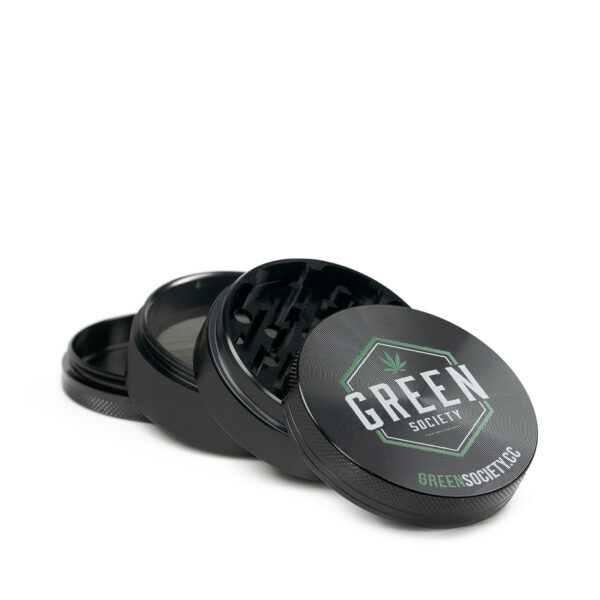 Green Society Herb Grinder
$40.00
Green Society Herb Grinder
$40.00

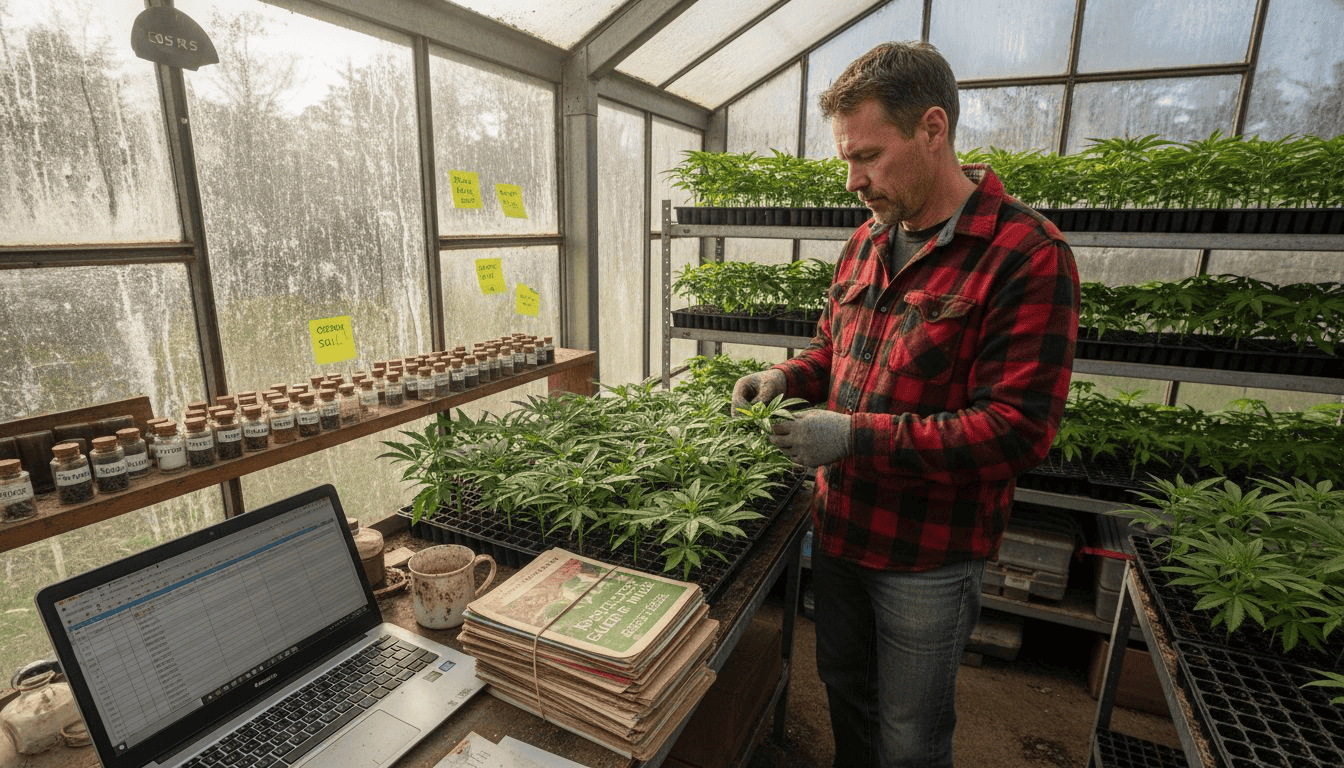
You’ve probably heard Indica relaxes and Sativa energises, but here’s the reality: over 90% of commercial cannabis strains share genetic overlap, making these traditional labels nearly meaningless. Modern breeding has blurred botanical lines so thoroughly that chemical profiles, not plant shape, determine your experience. This article cuts through marketing myths to show Canadian consumers what really matters when choosing cannabis products.
| Point | Details |
|---|---|
| Traditional labels oversimplify | Sativa and Indica names don’t reliably predict effects or chemical content |
| Chemistry beats categories | Cannabinoid ratios and terpene profiles determine actual cannabis experiences |
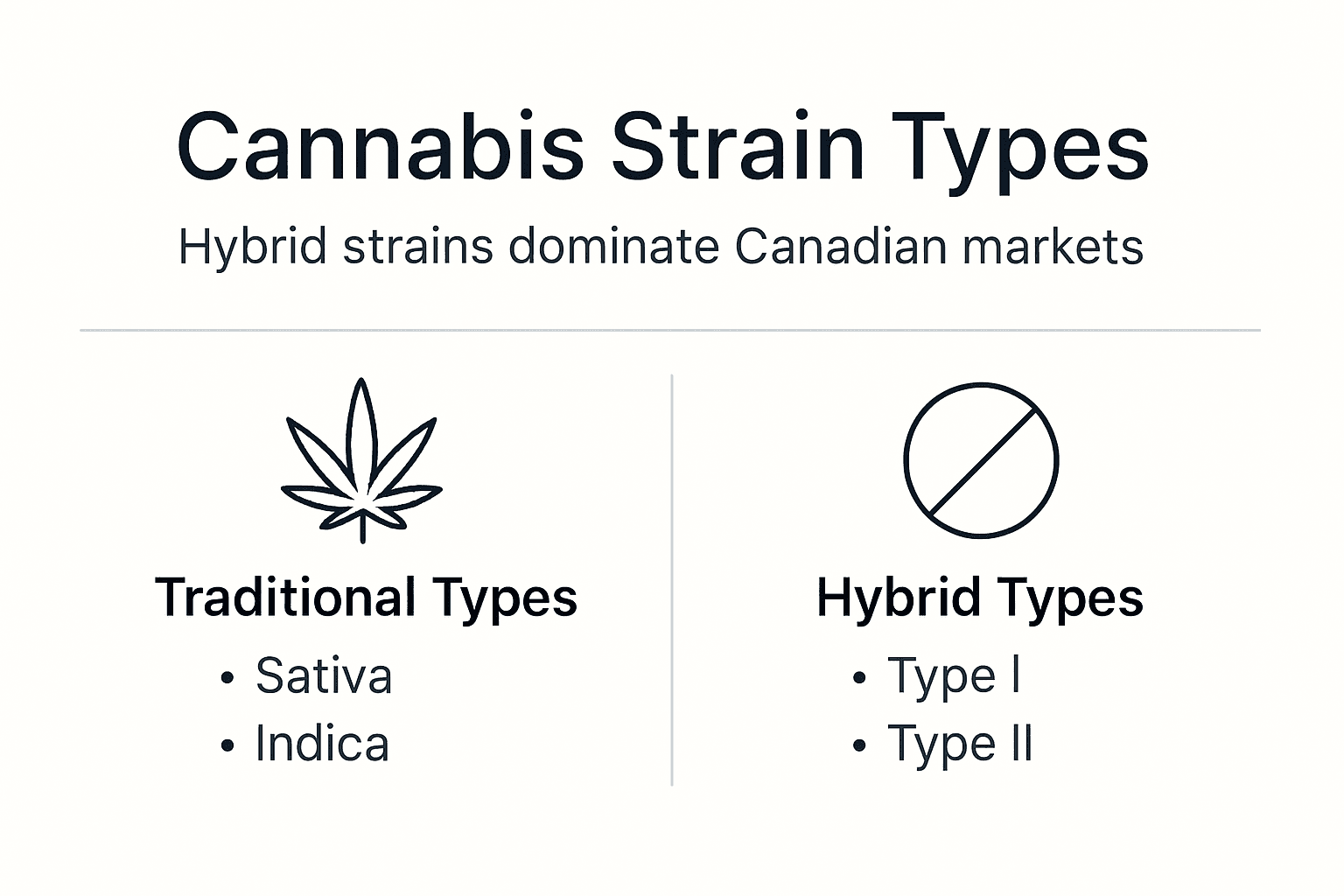
| Hybrids dominate markets | Most legal Canadian products blend Sativa and Indica genetics extensively |
| Individual variation matters | Personal biology and dosage create unique responses beyond strain labels |
| Regulation enables choice | Health Canada mandates detailed chemical reporting for informed decisions |
The terms Sativa and Indica originated from 18th-century botanical classifications based purely on plant appearance and native habitats. Cannabis sativa typically grows tall with narrow, finger-like leaves, thriving in equatorial regions with long growing seasons. Cannabis indica remains shorter and bushier with broader leaves, adapting to mountainous areas like the Hindu Kush with shorter summers.
These distinctions worked when classifying wild specimens, but modern cultivation changed everything. Breeders spent decades crossing regional varieties to optimise yields, potency, and growth characteristics. Today’s commercial strains carry genetic material from both ancestral types, making pure Sativa or pure Indica plants nearly extinct in legal markets.
Canadian dispensaries still use traditional Indica and Sativa labels, but these names now describe marketing categories rather than botanical realities. A strain labelled Indica might contain 70% Sativa genetics. The reverse happens just as often. Plant structure no longer predicts chemical content or user experience.
Key botanical differences:
What you feel from cannabis comes from its chemical makeup, not its name. Two compounds dominate: THC creates psychoactive effects, whilst CBD modulates them without intoxication. Cannabinoid profiles vary widely between strains but show no consistent link to Sativa or Indica labels.
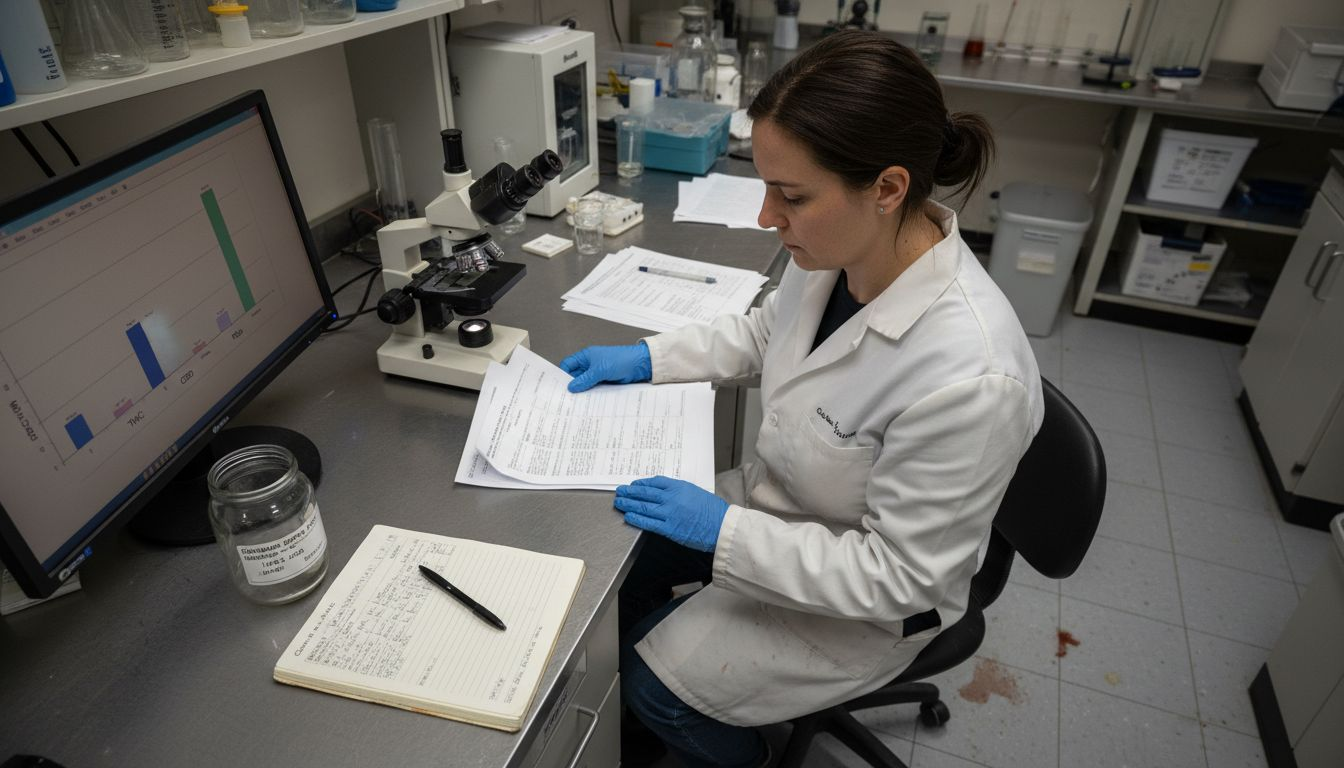
Terpenes add another layer of complexity. These aromatic molecules give cannabis its distinctive smells and modify how cannabinoids affect you. Myrcene, the most common terpene, significantly influences sedation and relaxation effects traditionally blamed on Indica genetics. High myrcene content creates couch-lock regardless of strain ancestry.
The entourage effect describes how cannabinoids and terpenes work together synergistically. A strain with 15% THC and rich terpenes might feel stronger than one with 20% THC and sparse terpenes. This interaction explains why chemical profiles predict experiences better than strain names ever could.
Common cannabinoids and their roles:
Pro tip: Request lab reports showing exact cannabinoid and terpene percentages before purchasing. This data reveals far more about potential effects than any strain name.
Understanding cannabis terpenes and their roles helps you predict experiences more accurately. Limonene creates uplifting citrus notes, pinene enhances alertness, and linalool promotes relaxation. Reading terpene profiles on Canadian product labels gives you real predictive power.
Scientific analysis reveals the Sativa/Indica binary as marketing fiction. Genetic studies show commercial strains share over 90% genetic overlap due to decades of interbreeding. You can’t reliably distinguish most strains by their DNA, let alone predict effects from their labels.
Researchers now favour chemotype classification instead. This system groups cannabis by chemical ratios: Type I has high THC and low CBD, Type II balances both cannabinoids, and Type III contains high CBD with minimal THC. Chemotypes predict effects far better than botanical ancestry.
The disconnect between labels and chemistry creates real consumer confusion. A dispensary might sell two strains labelled Indica with completely different cannabinoid profiles and opposite effects. Traditional names persist because they’re familiar, not because they’re accurate.
| Classification approach | Based on | Predictive accuracy | Consumer familiarity |
|---|---|---|---|
| Traditional (Sativa/Indica) | Plant morphology and origin | Low to none | Very high |
| Chemotype system | Cannabinoid ratios | High | Growing |
| Terpene profiles | Aromatic compound analysis | Moderate to high | Limited |
| Genetic analysis | DNA sequencing | Variable | Very limited |
Canadian regulations acknowledge these limitations by requiring detailed chemical reporting whilst permitting traditional strain names. This hybrid approach lets consumers use familiar labels whilst accessing accurate chemical data for informed choices.
The science underlying modern strain classification continues evolving. Future systems will likely combine genetic markers, chemical profiles, and user experience data to create truly predictive categories.
Medical cannabis patients approach strain selection differently than recreational users. They prioritise specific symptom relief over subjective experiences, making chemical profiles essential. Patients select strains based on cannabinoid ratios and terpene content rather than relying on Indica or Sativa labels.
Someone managing chronic pain might seek high THC with significant myrcene and caryophyllene. Anxiety patients often prefer balanced THC/CBD ratios with limonene and linalool. Epilepsy treatment typically requires high CBD with minimal THC. These precise requirements make traditional strain categories useless.
Recreational users have more flexibility but still benefit from understanding chemistry. If you enjoyed a mellow evening from one product, checking its myrcene content helps you find similar experiences. If something felt too intense, lower THC percentages or higher CBD ratios might suit you better.
Matching chemical profiles to goals:
Pro tip: Keep a simple journal noting product names, cannabinoid percentages, terpene profiles, and your experiences. Patterns emerge quickly, helping you identify your ideal chemical ranges.
Both groups should start with low doses and increase gradually. Individual biology creates massive variation in cannabis responses. Your friend’s perfect strain might overwhelm you or barely register, depending on your endocannabinoid system sensitivity.
Learn more about selecting cannabis strains for specific effects to refine your choices over time.
Health Canada transformed consumer decision making by mandating detailed cannabinoid and terpene reporting on all legal products. Every package must display THC and CBD content as percentages or milligrams. Many producers voluntarily add terpene profiles, giving you complete chemical transparency.
Reading these labels matters more than remembering strain names. Look for THC percentages matching your tolerance. Check if CBD is present, as even small amounts significantly alter experiences. When available, scan terpene listings for compounds matching your desired effects.
| Label component | What to look for | Why it matters |
|---|---|---|
| THC percentage | 10-15% for beginners, 15-25% for experienced users | Determines psychoactive intensity |
| CBD content | 1:1 THC/CBD for balance, higher CBD for minimal intoxication | Moderates THC effects and adds therapeutic benefits |
| Dominant terpenes | Myrcene for relaxation, limonene for uplift, pinene for alertness | Influences specific experiential qualities |
| Production date | Within 6 months for optimal freshness | Terpenes degrade over time |
Canadian regulations also require standardised symbols indicating THC levels, making quick comparisons easy. Products marked with a single THC symbol contain lower concentrations suitable for beginners. Multiple symbols indicate higher potency requiring more caution.
Practical steps for informed cannabis shopping:
Understand why cannabis strains matter in practical selection by focusing on measurable chemistry instead of marketing labels.
The legal framework empowers you to make evidence-based choices impossible in unregulated markets. Use these tools to find products truly matching your needs rather than gambling on traditional categories.
Ready to apply this knowledge? Green Society offers extensive cannabis selections with detailed chemical profiles on every product.

Our Indica strain collection showcases diverse cannabinoid and terpene combinations beyond traditional labels. Browse products with complete lab data, making informed comparisons simple. Whether you’re seeking relaxation, pain relief, or sleep support, chemical transparency helps you find your ideal match.
Explore our comprehensive guide on choosing cannabis strains for specific effects to deepen your understanding. Looking to extend your cannabis experience beyond smoking? Discover delicious edible recipes and preparation tips that let you apply strain knowledge in culinary contexts. Green Society combines product variety with educational resources, supporting confident choices at every experience level.
No. These effects depend on chemical profiles, not plant ancestry. A strain labelled Indica might contain energising terpenes like limonene, whilst some Sativa-labelled products have high myrcene creating sedation. Check cannabinoid ratios and terpene content rather than trusting traditional categories.
Hybrids dominate commercial markets, making pure classifications meaningless. Most products labelled Indica or Sativa actually contain genetics from both ancestral types. Focus on chemical composition since hybrid genetics create unpredictable relationships between labels and effects.
Prioritise THC and CBD percentages, then check terpene profiles when available. Production dates indicate freshness since terpenes degrade over time. Ignore strain names as primary selection criteria and compare chemical data across products instead.
Absolutely. Your endocannabinoid system’s unique characteristics determine how you process cannabinoids and terpenes. The same product might relax one person whilst energising another. Start with low doses and track your personal responses to identify ideal chemical ranges.
Strain names lack standardisation and predictive power. Two products with identical names from different producers often have completely different chemical profiles. Cannabinoid ratios and terpene content directly determine effects, making them reliable selection criteria regardless of marketing labels.