Free Shipping
on orders over $150.00
$40.00
$150.00
Add $110.00 more for free shipping!
-
×
 Green Society Herb Grinder
$40.00
Green Society Herb Grinder
$40.00


TL;DR:
- Cannabis edibles are food or drink products infused with cannabinoids that produce psychoactive effects through digestion. They are metabolized differently from inhaled cannabis, leading to delayed onset, stronger effects, and longer duration due to the production of the more potent metabolite 11-hydroxy-THC. Proper dosing, patience, and food intake are essential for safe use, as overconsumption can lead to uncomfortable experiences and increased emergency room visits.
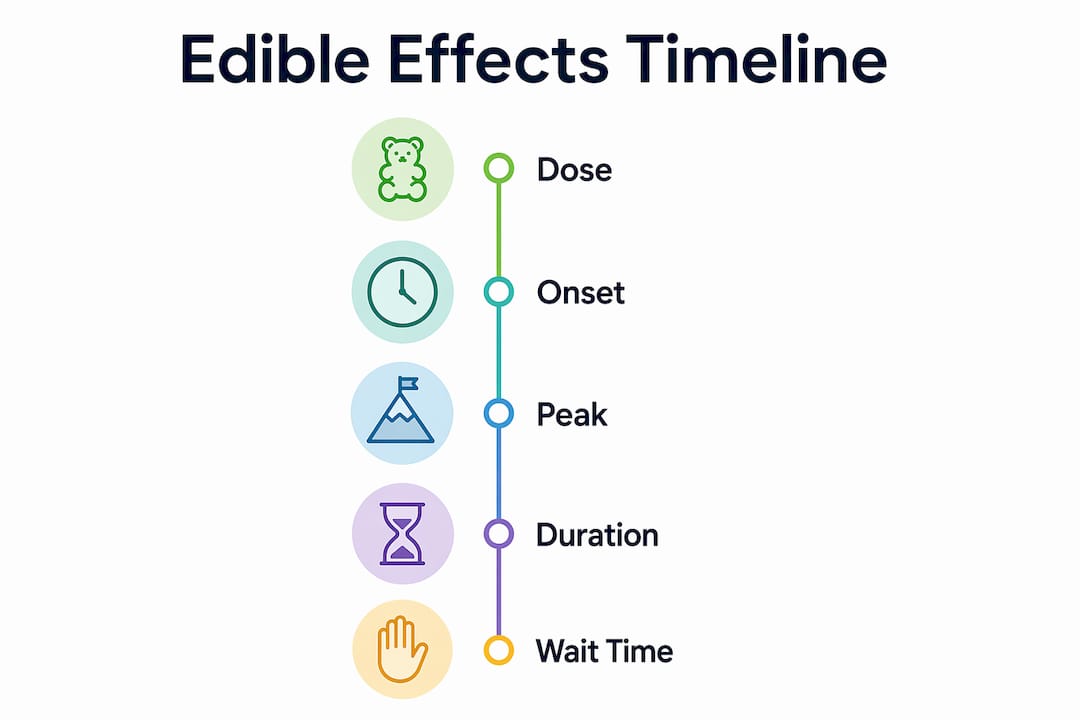
Cannabis edibles are defined as food or drink products infused with cannabinoids, most commonly THC, that produce psychoactive effects through digestion rather than inhalation. The effects of edibles are distinct from smoking or vaping because the liver converts delta-9-THC into a more potent compound called 11-hydroxy-THC. This metabolic process delays onset to 30–120 minutes after ingestion, pushes the peak to 2–4 hours, and extends the total duration to 4–12+ hours. Medical guidance consistently recommends starting at 2.5–5 mg THC for first-time consumers. Understanding this timeline before you take your first bite is the single most important thing you can do to avoid a difficult experience.
The core difference comes down to liver metabolism. When you eat a cannabis edible, your digestive system absorbs THC and sends it directly to the liver before it ever reaches your bloodstream. The liver then converts delta-9-THC into 11-hydroxy-THC, a metabolite that crosses the blood-brain barrier more efficiently and produces a noticeably stronger effect than inhaled THC.
Inhaled cannabis bypasses this conversion almost entirely. THC from smoke or vapour enters the bloodstream through the lungs and reaches the brain within minutes, but it never undergoes the same hepatic transformation. The result is a faster, shorter, and generally milder experience compared to edibles. Many people who are comfortable with inhaled cannabis underestimate edibles for exactly this reason.
The oral bioavailability of THC sits at just 4–12%, which sounds low. What that number misses is the potency of the 11-hydroxy-THC metabolite that gets produced in the process. You absorb less THC overall, but what you do absorb hits harder and lasts longer. That gap between perception and reality is where most dosing mistakes happen.
There is also the matter of entrohepatic recirculation. Secondary peaks in effect can occur several hours after the initial onset as 11-hydroxy-THC recirculates through the liver. This explains why some people feel a second wave of intensity hours after they thought the experience was winding down.
Key distinction: Edibles do not simply deliver more cannabis. They deliver a pharmacologically different compound to your brain. Treating them as a stronger version of smoking is the most common mistake new consumers make.
The practical takeaway is straightforward. Edibles require more patience, more respect for dose, and a clear understanding that the experience will not feel the same as other consumption methods. Exploring the different types of THC and CBD edibles available can also help you match the product format to your goals.
The short-term effects of cannabis edibles range widely depending on dose, individual tolerance, and body chemistry. At lower doses, most adults report positive effects. At higher doses or with unexpected sensitivity, the experience can turn uncomfortable quickly.
Common short-term effects include:
Adverse short-term effects include:
The safety data here is worth taking seriously. ER visits related to edibles run 33 times higher than expected relative to their share of cannabis sales. That figure reflects how often people misjudge the dose or the onset time and consume far more than intended. It is not a reason to avoid edibles, but it is a strong reason to approach them carefully.
Longer-term use raises additional considerations. High-THC edibles can worsen or trigger psychiatric symptoms in people who are vulnerable to psychosis or who have a personal or family history of schizophrenia. Regular heavy use has also been associated with cognitive impacts, particularly in adults who began using cannabis frequently at a younger age. CBD may reduce some of the anxiety-related effects of THC, but cannabis is not approved as a treatment for any mental health condition. Anyone managing a mental health condition should speak with a physician before using high-THC products.
For medical users, the picture is more nuanced. Edibles can provide sustained relief for chronic pain or insomnia lasting 6–8 hours, compared to 2–3 hours for inhaled cannabis. That extended duration is exactly why many patients prefer them. Understanding the potential side effects of THC and CBD edibles before starting any medical use is a practical first step.
Safe edible use starts with one principle: start low and go slow. Clinical guidance sets the recommended initial dose at 2.5–5 mg THC. That range gives your body a chance to respond without overwhelming your system, and it gives you useful information about your personal sensitivity before you increase.
Practical dosing guidelines:
Pro Tip: Set a timer for 90 minutes after your first dose. If you feel nothing, wait another 30 minutes before deciding whether to take more. The urge to redose too early is the most common reason people end up in a difficult experience.
A detailed cannabis edibles dosing guide can walk you through the full process of finding your ideal dose safely, including how to adjust based on your body weight, tolerance, and the specific product you are using.
What you eat before taking an edible shapes the entire experience. Consuming edibles with a fat-rich meal improves cannabinoid absorption and produces more consistent, predictable effects. An empty stomach speeds up onset but can make the experience more intense and less stable.
| Eating condition | Onset speed | Effect intensity | Duration |
|---|---|---|---|
| Empty stomach | Faster (30–60 min) | Higher, less predictable | Shorter |
| Light meal | Moderate (60–90 min) | Moderate and consistent | Standard |
| Fat-rich meal | Slower (90–120 min) | Stronger, more consistent | Longer |
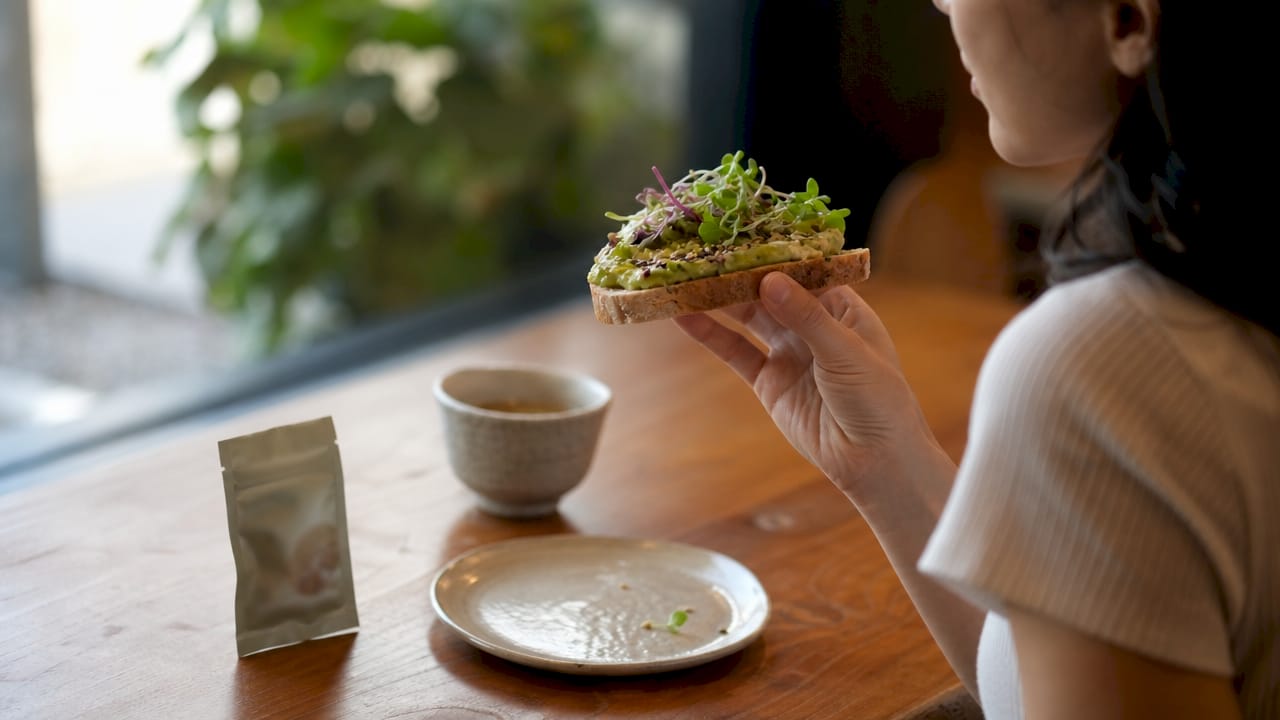
The reason fat matters comes back to the liver. THC is fat-soluble, meaning it binds to dietary fats during digestion and gets absorbed more efficiently through the intestinal wall. A meal with avocado, nuts, or olive oil before an edible produces noticeably more consistent results than the same dose taken on an empty stomach.
Individual metabolism also plays a significant role. Body composition, liver enzyme activity, and even genetics affect how quickly and completely your body processes 11-hydroxy-THC. Two people taking the same 10 mg gummy can have completely different experiences. This variability is why personal experimentation at low doses is the only reliable way to understand your own response.
Pro Tip: Pair your edible with a small snack containing healthy fats, like a handful of nuts or a slice of avocado toast. This simple habit makes your experience more predictable and reduces the chance of an unexpectedly intense onset.
Variability in edible effects can be meaningfully reduced by consistently pairing edibles with fat-containing meals. Once you find a pairing that works for your body, stick with it. Consistency in how you consume produces consistency in how you feel.
Cannabis edibles produce stronger, longer-lasting effects than inhaled cannabis because the liver converts THC into 11-hydroxy-THC, a more potent metabolite that requires careful dosing, patience, and awareness of food intake to manage safely.
| Point | Details |
|---|---|
| Onset and duration | Effects begin 30–120 minutes after ingestion and can last 4–12+ hours depending on dose and metabolism. |
| Liver metabolism | The liver converts delta-9-THC into 11-hydroxy-THC, which is more potent and longer-lasting than inhaled THC. |
| Start low, go slow | Begin with 2.5–5 mg THC and wait at least 2 hours before considering any additional dose. |
| Food affects absorption | Eating a fat-rich meal before an edible improves consistency and reduces the risk of an unpredictable experience. |
| Safety risks are real | ER visits linked to edibles run 33 times higher than expected, almost always due to stacking doses or misjudging onset. |
The single most common error I have seen is people treating edibles like a faster version of smoking. They take a dose, feel nothing after 45 minutes, and take another. Then another. By the time the first dose peaks, they have consumed three or four times what they actually needed. The next several hours are not enjoyable.
What makes this frustrating is that the pharmacology is not complicated. The liver needs time. That is the whole story. But knowing it intellectually and trusting it in the moment are two different things. The urge to redose is strong when you feel nothing, and it takes real discipline to wait.
Edibles are genuinely excellent for certain purposes. For chronic pain, insomnia, or sustained anxiety relief, the 6–8 hour duration is a feature, not a side effect. Patients who have struggled with the short window of inhaled cannabis often find edibles transformative for managing symptoms through the night. The benefits of edibles for Canadians go well beyond recreation when used with intention.
My honest advice is to treat your first few edible experiences as research. Take a low dose, note the time, eat something with fat beforehand, and do not plan anything demanding for the next four hours. You are learning how your specific body processes a pharmacologically unique compound. That knowledge is worth more than any single experience.
— Juiced
Greensociety has built a library of practical, Canadian-focused resources for anyone who wants to get more from their edible experience.
Whether you are curious about what products are worth trying or want to go deeper on safe consumption, Greensociety covers it. The most incredible edibles on the market guide gives you a clear overview of today’s top product formats, from gummies to chocolates to infused beverages. For those who prefer to make their own, the cannabis in the kitchen resource covers recipes, dosing tips, and techniques for consistent results at home. Greensociety ships discreetly across Canada, with a product range built for both first-time consumers and experienced adults who know exactly what they want.
A cannabis edible is any food or drink product infused with cannabinoids, typically THC or CBD, that produces effects through digestion rather than inhalation. Common formats include gummies, chocolates, baked goods, and infused beverages.
Edibles typically take 30–120 minutes to produce noticeable effects, depending on your metabolism, body composition, and whether you have eaten recently. Always wait at least 2 hours before deciding to take more.
The liver converts delta-9-THC into 11-hydroxy-THC during digestion, a metabolite that crosses the blood-brain barrier more efficiently and produces more intense effects than inhaled THC.
Effects from cannabis edibles typically last 4–12 hours, with the peak occurring 2–4 hours after ingestion. Higher doses and slower metabolisms extend the duration further.
High-THC edibles can worsen or trigger psychiatric symptoms in people with a history of psychosis or schizophrenia. Anyone managing a mental health condition should consult a physician before using THC edibles.