Free Shipping
on orders over $150.00
$0.00
$150.00
Add $150.00 more for free shipping!

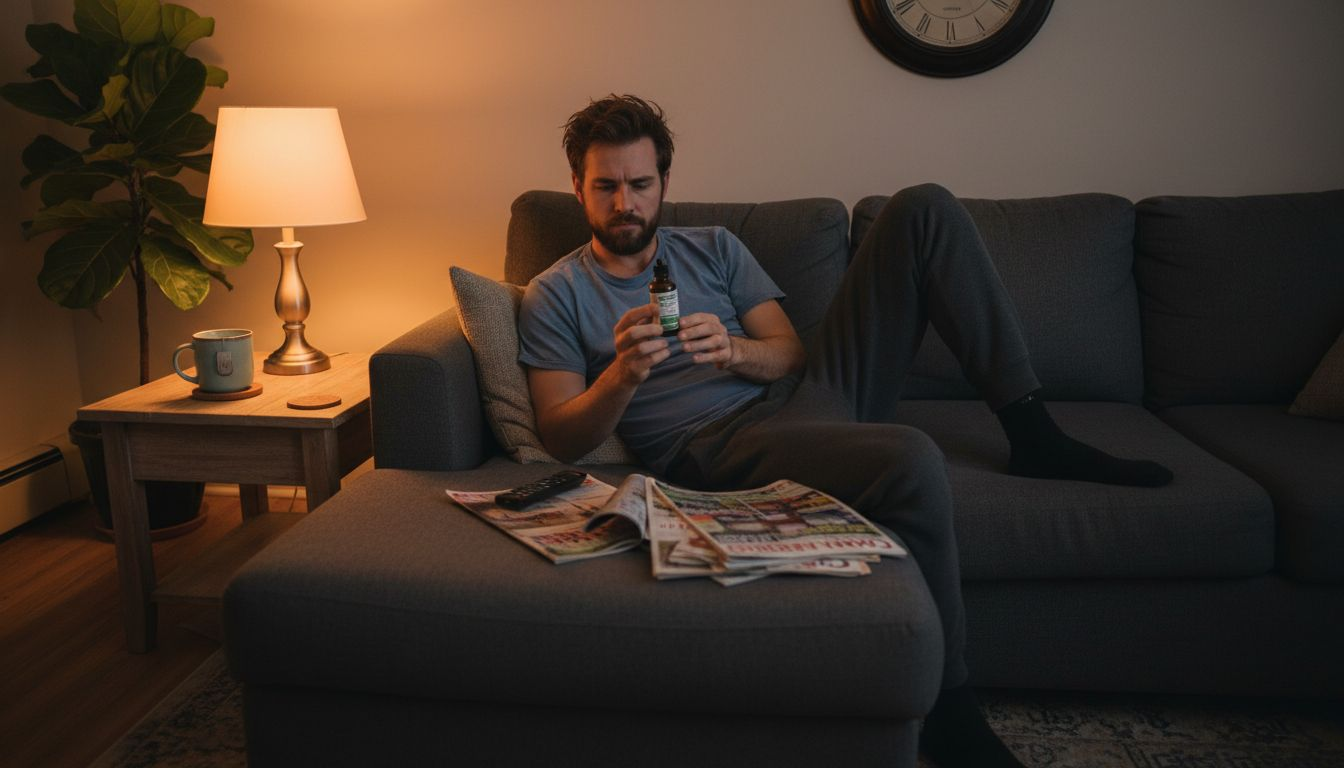
Finding restorative sleep is a growing concern for many Canadian adults, with about one in three facing chronic sleep issues. The quest for better rest often leads to a maze of overpriced products and unproven claims. Understanding how cannabis interacts with natural sleep processes gives Canadians a science-backed path toward real improvement. This article spotlights key insights that help you choose effective, quality cannabis solutions that arrive quickly and discreetly at your door.
| Point | Details |
|---|---|
| Cannabis and Sleep Quality | Cannabinoids like THC and CBD interact with the endocannabinoid system, influencing sleep architecture and potentially improving sleep quality for individuals with insomnia. |
| Product Efficacy | Different cannabis products vary in their absorption rates and effects; selecting the appropriate format is crucial for individual sleep challenges. |
| Risks of Use | Potential risks include dependency and cognitive changes, necessitating careful consideration of personal health and legal regulations surrounding cannabis. |
| Professional Guidance | Consultation with healthcare professionals is essential for developing personalized cannabis sleep strategies and ensuring safe usage. |
Cannabis represents a complex botanical compound with profound implications for human sleep architecture. Research indicates that its interaction with the human endocannabinoid system profoundly influences neurological processes related to rest and recovery.
The intricate relationship between cannabis and sleep emerges from how cannabinoids like THC and CBD interact with our body’s natural biochemical pathways. These compounds engage directly with receptors in the brain responsible for regulating sleep cycles, potentially modulating neurotransmitter release and influencing overall sleep quality. Specific cannabinoid profiles can either promote relaxation or stimulate alertness, depending on their precise molecular composition.
Sleep disorders represent a significant challenge for many Canadians, with approximately 30% experiencing chronic insomnia or disrupted sleep patterns. Cannabis offers a potential alternative therapeutic approach by potentially reducing sleep latency, increasing total sleep duration, and improving overall sleep stability. Crucial factors like strain selection, cannabinoid ratios, and individual physiological responses play critical roles in determining therapeutic effectiveness.
Pro tip: Consult with a healthcare professional before integrating cannabis into your sleep management strategy to understand potential interactions with existing medications and individual health conditions.
Cannabis sleep solutions offer diverse product formats designed to address individual sleep challenges. Global research surveying over 1,200 users reveals distinct preferences among cannabis consumption methods, highlighting flower, vape, and edible products as primary choices for sleep enhancement.

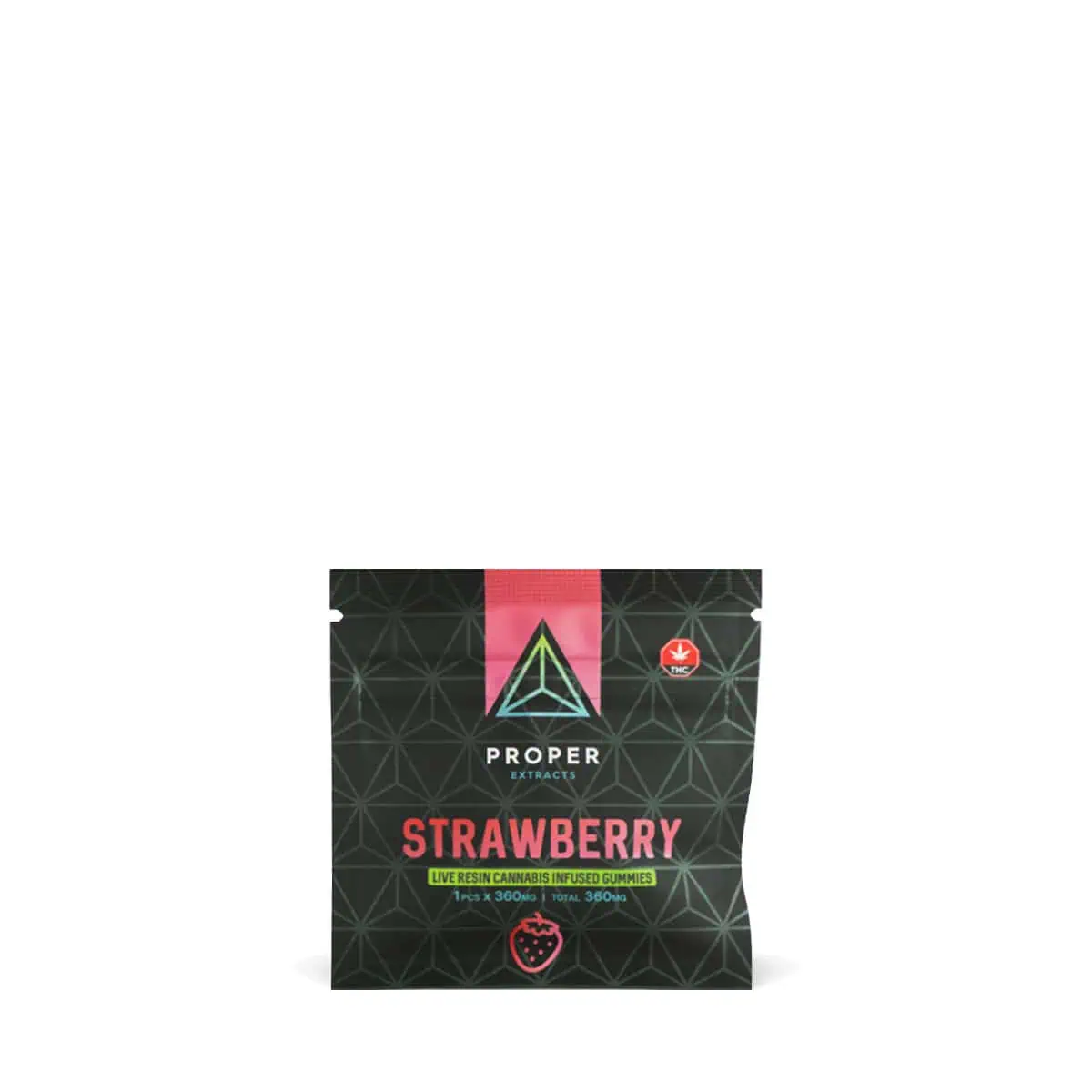
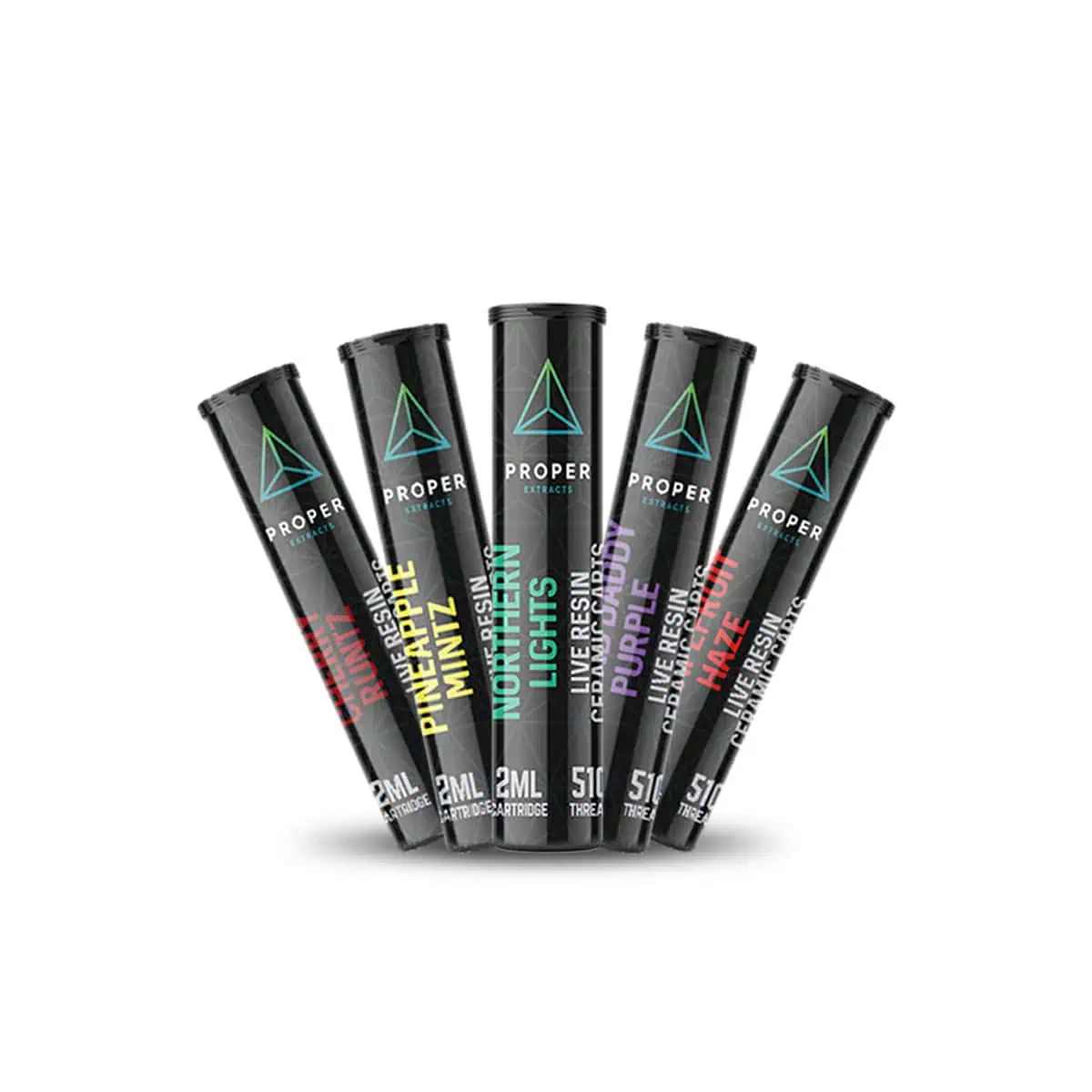
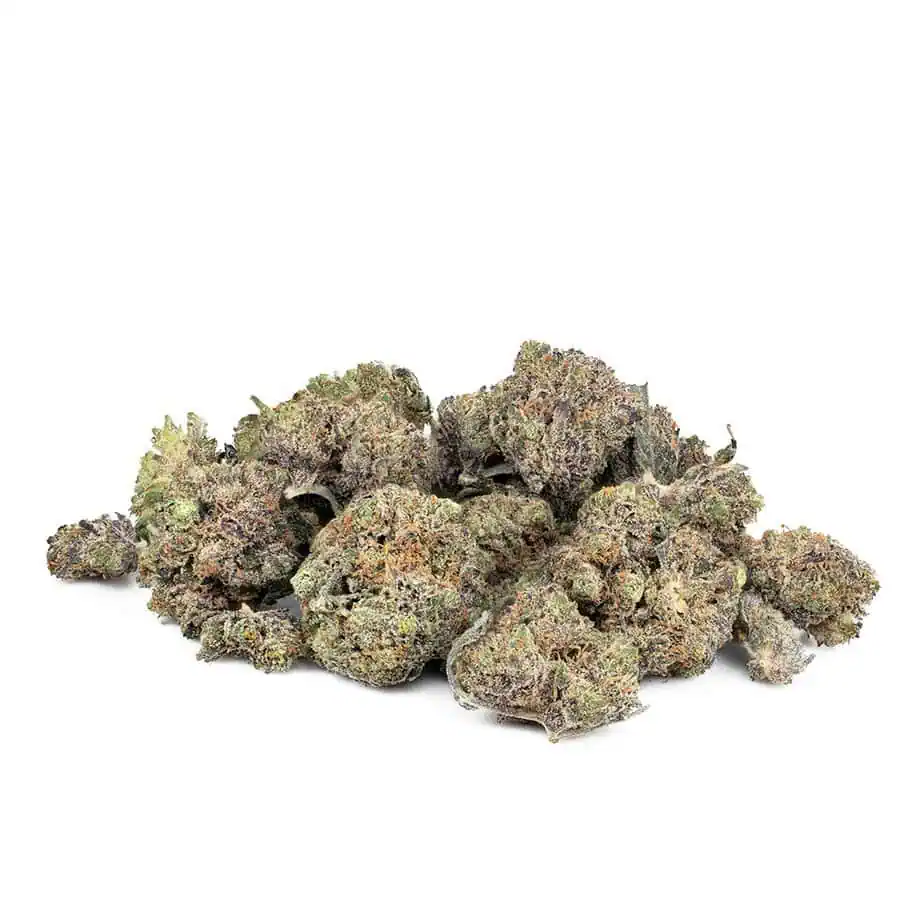
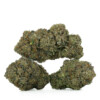
The primary cannabis product categories for sleep management include flower, vapes, edibles, tinctures, and capsules. Each format provides unique absorption rates and duration of effects. Flower offers rapid onset with immediate cannabinoid delivery, while edibles provide extended, slower-release experiences. Vapes represent a middle ground, offering quick absorption with relatively controlled dosage. Tinctures enable precise droplet-based consumption, allowing users to fine-tune their intake with remarkable precision.
Terpene and cannabinoid composition significantly influences product effectiveness. Indica-dominant strains typically provide more sedative experiences, while hybrid varieties offer balanced relaxation. Certain products intentionally combine THC and CBD to modulate sleep-related neurochemical responses, creating tailored experiences for individuals with specific rest requirements.
Here’s a quick comparison of key cannabis product types for sleep and their unique characteristics:
| Product Type | Absorption Speed | Typical Duration | Common Use Case |
|---|---|---|---|
| Flower | Rapid (minutes) | Short (1–3 hrs) | Immediate sedation |
| Edibles | Slow (30–90 mins) | Long (4–8 hrs) | Prolonged sleep support |
| Vapes | Moderate (minutes) | Moderate (2–4 hrs) | Fast symptom relief |
| Tinctures | Variable (15–45 mins) | Adjustable (2–6 hrs) | Precision dosing |
| Capsules | Slow (30–90 mins) | Long (4–8 hrs) | Consistent effects |
Pro tip: Start with low dosages and track your individual response, recognising that cannabis interactions vary dramatically between different physiological profiles.
Comprehensive research on cannabinoid interactions reveals the intricate mechanisms by which cannabinoids modulate human sleep architecture. The endocannabinoid system plays a crucial role in regulating sleep-wake cycles, with specific cannabinoids demonstrating complex neurological impacts across different sleep stages.
Two primary cannabinoid receptors, CB1 and CB2, significantly influence sleep regulation. THC typically reduces REM sleep and increases slow-wave sleep periods, while CBD appears to counteract anxiety and promote overall sleep stability. Interestingly, molecular neuroscience studies demonstrate that cannabinoid receptor activation can dramatically alter sleep onset latency, total sleep time, and sleep maintenance.
The differential effects of cannabinoids depend on multiple factors, including dosage, individual metabolic profiles, and specific molecular interactions within the endocannabinoid system. Minor cannabinoids like CBN and CBG also contribute to sleep regulation, offering nuanced neurochemical responses that extend beyond traditional THC and CBD mechanisms. These compounds interact with neuroreceptors to potentially modulate circadian rhythms, reduce sleep interruptions, and support more consistent sleep patterns.
Pro tip: Consult healthcare professionals to understand your unique endocannabinoid profile and develop a personalised cannabis sleep strategy.
Comparative research on sleep medication experiences reveals significant differences between cannabis and traditional pharmaceutical sleep aids. While conventional medications often produce predictable but potentially harsh side effects, cannabis offers a more nuanced approach to sleep management with potentially fewer systemic disruptions.
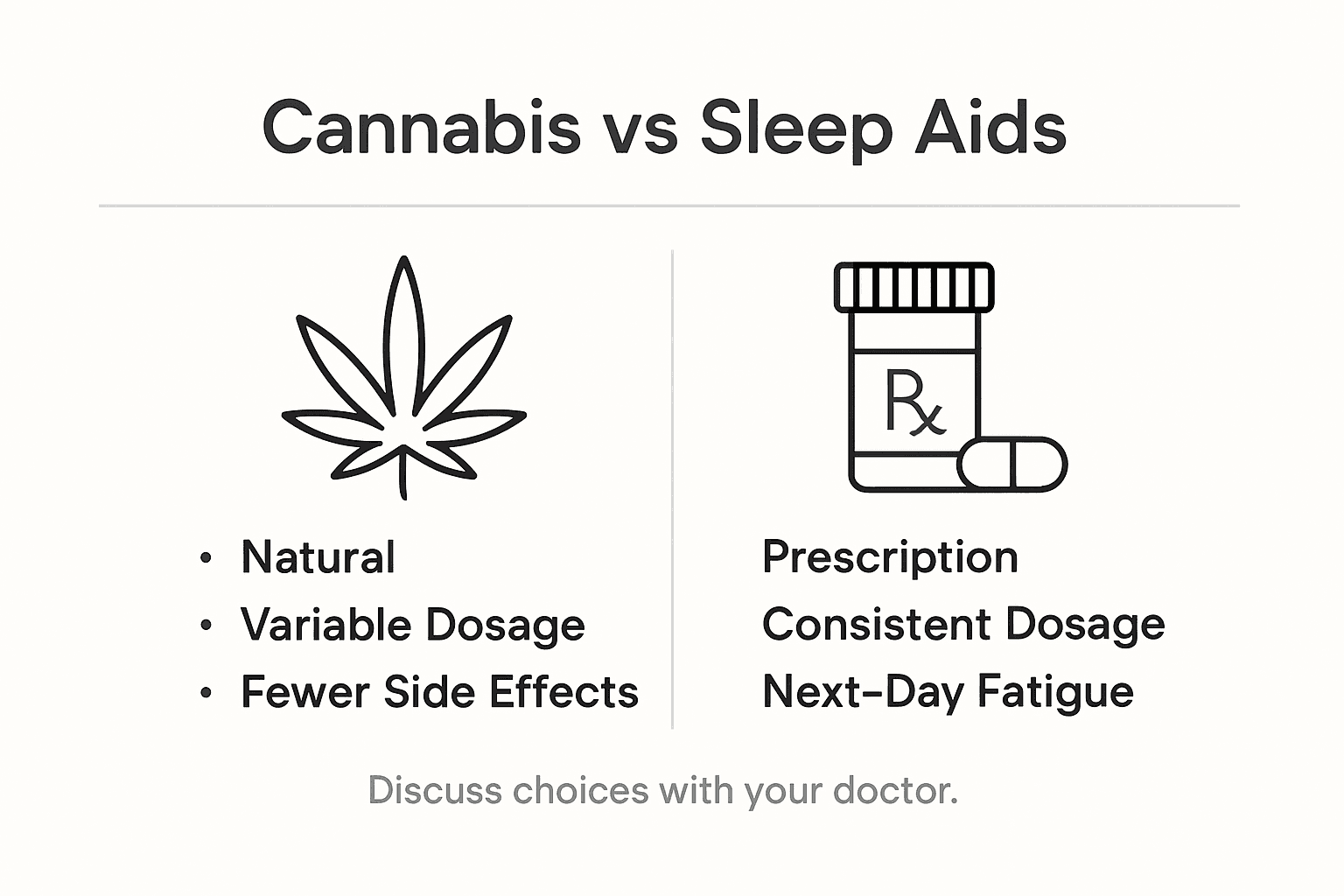
Traditional sleep medications like benzodiazepines and z-drugs typically work by suppressing central nervous system activity, creating artificial sedation that can lead to dependency and morning grogginess. In contrast, cannabinoids interact more holistically with the body’s endocannabinoid system, potentially addressing underlying sleep disturbances rather than merely inducing unconsciousness. THC and CBD can modulate sleep architecture more dynamically, reducing anxiety, managing pain, and supporting natural sleep progression.
Next-day outcomes further distinguish cannabis from traditional pharmaceuticals. Unlike prescription sleep aids that often cause significant cognitive impairment, cannabis users report more variable morning experiences. Some individuals experience increased alertness and reduced morning headaches, while others might encounter mild sleepiness. The key difference lies in cannabis’s potential to address root causes of sleep disruption such as stress, chronic pain, and neurological imbalances, rather than merely forcing temporary unconsciousness.
Pro tip: Consult healthcare professionals to understand how your specific physiological profile might interact with different sleep intervention strategies.
Comprehensive research exploring cannabis use risks reveals a complex landscape of potential health, legal, and social implications surrounding cannabis use for sleep management. The emerging bidirectional risk model highlights the nuanced interactions between cannabis consumption, sleep health, and potential dependency patterns.
Cannabis presents several potential risks that users must carefully consider. Dependency represents a primary concern, with prolonged use potentially leading to cannabis use disorder. Neurological adaptation can occur, where individuals gradually require increased dosages to achieve similar sleep outcomes. Additionally, some users might experience cognitive changes, including short-term memory disruption, reduced concentration, and potential mood alterations. These risks are particularly pronounced for individuals with pre-existing mental health conditions or those consuming high-THC cannabis varieties.
Legal considerations vary dramatically across Canadian jurisdictions, creating a complex regulatory environment for cannabis consumers. Provincial regulations differ significantly regarding possession limits, consumption locations, and purchasing mechanisms. While recreational cannabis is federally legal in Canada, workplace policies, driving regulations, and medical restrictions can create substantial legal complications. Users must remain vigilant about local bylaws, potential employment consequences, and the evolving legal landscape surrounding cannabis consumption.
To help make informed decisions, here is a summary of major risk and legal considerations for cannabis use in sleep management across Canada:
| Risk/Legal Factor | Description | Impact on Canadians |
|---|---|---|
| Dependency Potential | Habit formation possible | May require higher doses |
| Cognitive Changes | Memory and focus may suffer | Affects daily functioning |
| Jurisdictional Laws | Regulations differ by province | Risk of legal complications |
| Workplace Policies | Employment restrictions apply | Possible job consequences |
Pro tip: Always document your cannabis use, consult healthcare professionals, and stay informed about local legal regulations to mitigate potential risks.
Recent clinical reviews examining cannabis sleep solutions reveal critical considerations for consumers seeking responsible and effective cannabis products. The emerging scientific consensus emphasizes the importance of individualized, carefully selected approaches that prioritize safety and therapeutic potential.
Safe cannabis selection requires a multifaceted approach focusing on product quality, cannabinoid composition, and individual health profiles. Third-party testing represents a crucial verification mechanism, ensuring product purity, accurate cannabinoid concentrations, and absence of contaminants. Consumers should prioritize products with comprehensive laboratory reports detailing THC, CBD, and terpene profiles. Specific factors like strain selection, extraction method, and intended therapeutic outcomes play significant roles in determining overall product effectiveness.
Individualized cannabis strategies demand nuanced understanding of personal physiology, existing health conditions, and specific sleep challenges. Factors such as age, metabolism, existing medications, and previous cannabis experiences critically influence product selection. Low-dose, CBD-dominant products often provide gentler introductions for those new to cannabis, while more experienced users might benefit from balanced THC:CBD formulations designed to address complex sleep disruptions. Professional medical consultation remains the gold standard for developing personalized, evidence-based cannabis interventions.
Pro tip: Always request and review comprehensive third-party lab testing results before purchasing any cannabis product, ensuring transparency and quality assurance.
Struggling with sleep disturbances or seeking a natural way to support your wellness goals Can the complex interaction between cannabinoids like THC and CBD with your sleep cycles be the answer you are looking for At GreenSociety.cc, we understand how crucial personalized, quality cannabis products are for improving sleep latency and overall rest stability Our carefully curated selection includes flower, edibles, tinctures, and vapes tailored to fit diverse sleep needs and physiological profiles
Take control of your sleep wellness journey today Explore our full range of high-quality, lab-tested cannabis products at GreenSociety.cc Learn how to make informed decisions with our educational resources and enjoy discreet fast delivery right to your door Experience a better night’s rest and wake up refreshed by choosing trusted cannabis solutions tailored for you
Cannabis interacts with the endocannabinoid system, potentially reducing sleep latency, increasing total sleep duration, and enhancing overall sleep stability, making it a promising alternative for many individuals with sleep disorders.
The best types of cannabis products for sleep include flower, edibles, vapes, tinctures, and capsules. Each provides different absorption rates and effects, allowing users to choose based on their specific needs—flower offers rapid onset, while edibles provide prolonged effects.
THC is known to reduce REM sleep while increasing slow-wave sleep, potentially aiding in sedation. In contrast, CBD can help reduce anxiety and promote overall sleep stability, making it beneficial for those with restless sleep patterns.
Potential risks include dependency, cognitive changes such as memory disruption, and legal complexities depending on local regulations. It’s important to consult healthcare professionals and document use to mitigate these risks.