Free Shipping
on orders over $150.00
$0.00
$150.00
Add $150.00 more for free shipping!


Cannabis for anxiety is one of the most misunderstood topics in wellness today. While many assume cannabis universally calms nerves, research reveals a far more nuanced reality. Low doses of certain cannabinoids can reduce anxiety symptoms, yet higher concentrations may trigger panic and paranoia. This complexity leaves many adults unsure whether cannabis offers genuine relief or added risk. The truth lies in understanding dose, cannabinoid ratios, and individual response patterns. This guide cuts through confusion with evidence-based insights, helping you navigate cannabis use for anxiety management safely and effectively in 2026.
| Point | Details |
|---|---|
| Dose matters critically | Low THC doses calm anxiety while high doses often worsen symptoms and trigger paranoia |
| CBD shows consistent promise | CBD-dominant products reduce anxiety without intoxication or significant side effects |
| Research shows mixed results | 70% of studies report anxiety improvements but methodology limitations require cautious interpretation |
| Dependence risk exists | Approximately 30% of medical cannabis users develop Cannabis Use Disorder with withdrawal anxiety |
| Professional guidance essential | Cannabis complements but never replaces evidence-based therapies like CBT or prescribed medications |
Your body contains an endocannabinoid system that naturally regulates mood, stress response, and anxiety levels. This network of receptors and enzymes maintains emotional balance through chemical signalling. When you consume cannabis, cannabinoids interact with this system in ways that can either soothe or heighten anxiety depending on dose and composition. Cannabis modulates the endocannabinoid system by targeting CB1 and CB2 receptors, with augmentation reducing anxiety-like behaviours in clinical observations.
THC and CBD produce dramatically different effects on anxiety symptoms. THC binds directly to CB1 receptors in your brain, creating the familiar “high” sensation. At low doses, this interaction can reduce worry and promote relaxation. However, THC exhibits biphasic effects where low doses prove anxiolytic whilst high doses become anxiogenic, causing paranoia and panic. This dose-dependent response explains why some users feel calm while others experience heightened anxiety from the same product.
CBD operates through entirely different mechanisms. It doesn’t bind strongly to cannabinoid receptors but instead influences serotonin signalling and other pathways linked to mood regulation. Research consistently shows CBD reduces anxiety without producing intoxication or cognitive impairment. Understanding the THC vs CBD difference becomes essential when selecting products for anxiety management.
The biphasic nature of THC creates a narrow therapeutic window for anxiety relief. Doses below 7.5mg typically produce calming effects in most adults. Above this threshold, anxiety and paranoia risk increases sharply, particularly in sensitive individuals or those new to cannabis. This explains the common experience of feeling relaxed after one puff but panicked after three.
Pro Tip: Track your response to different doses in a journal, noting THC and CBD content, timing, and anxiety levels before and after use. This personalised data helps identify your optimal therapeutic range.
Chemical composition determines whether cannabis helps or harms anxiety symptoms. Products with balanced THC:CBD ratios often provide better anxiety relief than THC-dominant options. CBD appears to buffer THC’s anxiety-inducing effects, creating a smoother, more therapeutic experience. This synergy explains why whole-plant products sometimes outperform isolated cannabinoids.
“The endocannabinoid system represents a promising target for anxiety treatment, but cannabinoid therapy requires precision dosing and careful product selection to avoid paradoxical anxiety worsening.”
Individual variation significantly impacts cannabis effects on anxiety. Your genetics, previous cannabis exposure, current anxiety severity, and even time of day influence how cannabinoids affect your symptoms. What works brilliantly for one person may prove ineffective or counterproductive for another. This variability demands cautious experimentation under appropriate guidance.
Current scientific literature presents a complex picture of cannabis efficacy for anxiety disorders. A systematic review of medicinal cannabis found 70% of top-quality studies report anxiety symptom improvements, yet methodology limitations and high bias risk complicate interpretation. Most studies rely on observational designs rather than rigorous randomised controlled trials, making definitive conclusions challenging.
Specific anxiety disorders show varying response patterns to cannabis treatment. Generalised Anxiety Disorder patients report substantial relief in real-world settings, though placebo-controlled trials demonstrate more modest effects. Social Anxiety Disorder responds particularly well to CBD in controlled studies, with participants showing reduced anxiety during public speaking tasks. PTSD research reveals mixed outcomes, with some veterans experiencing significant symptom reduction whilst others report no benefit or worsening nightmares.
One compelling study found medical cannabis provided largest anxiety relief over 45 days compared to other substances, outperforming conventional anxiolytics in patient-reported outcomes. However, researchers noted individual anxiogenic effects remained possible, reinforcing the importance of personalised approaches. This highlights cannabis’s potential whilst acknowledging significant individual variation in response.
| Study Type | Anxiety Reduction | Limitations |
|---|---|---|
| Observational surveys | 60-75% report improvement | Self-selection bias, no placebo control |
| CBD randomised trials | Moderate effect in SAD | Short duration, small sample sizes |
| THC clinical studies | Mixed results, dose-dependent | High dropout rates, tolerance development |
| Real-world medical programs | Substantial patient satisfaction | Lack of standardised dosing protocols |
CBD shows particular promise for anxiety management across multiple study designs. Randomised controlled trials of CBD demonstrate reduced self-reported anxiety in Social Anxiety Disorder, though long-term efficacy remains unproven. Short-term trials consistently show CBD reduces anticipatory anxiety before stressful events. However, the lack of extended follow-up studies leaves questions about sustained benefits and optimal treatment duration.
Dosing standardisation represents a critical gap in current research. Studies employ wildly different cannabinoid ratios, administration methods, and dose ranges, making cross-study comparisons nearly impossible. Some trials use pure CBD isolate whilst others employ whole-plant extracts with varying THC content. This methodological inconsistency complicates evidence synthesis and practical guidance development.
Pro Tip: When evaluating research claims, prioritise randomised controlled trials over observational studies and look for dose-specific findings rather than generalised “cannabis helps anxiety” statements.
The placebo effect significantly influences anxiety treatment outcomes across all interventions, including cannabis. Studies with proper placebo controls show smaller effect sizes than open-label designs. This doesn’t invalidate cannabis benefits but suggests expectations and ritual around use contribute meaningfully to anxiety relief. Understanding this helps set realistic expectations.
Long-term safety and efficacy data remain limited. Most studies follow participants for weeks or months, not years. Questions about tolerance development, dependence risk, and sustained anxiety relief over extended periods lack definitive answers. This evidence gap necessitates cautious optimism rather than wholesale endorsement. For comprehensive information on cannabis anxiety benefits and risks, consider multiple evidence sources.
High THC doses create significant anxiety risks that often surprise new users. Elevated heart rate, racing thoughts, and intense paranoia can emerge quickly when THC concentration exceeds individual tolerance. High THC increases panic risk whilst balanced THC:CBD ratios prove safer for anxiety-focused use. This dose-dependent anxiety worsening affects approximately 20-30% of users, particularly those with pre-existing anxiety sensitivity.
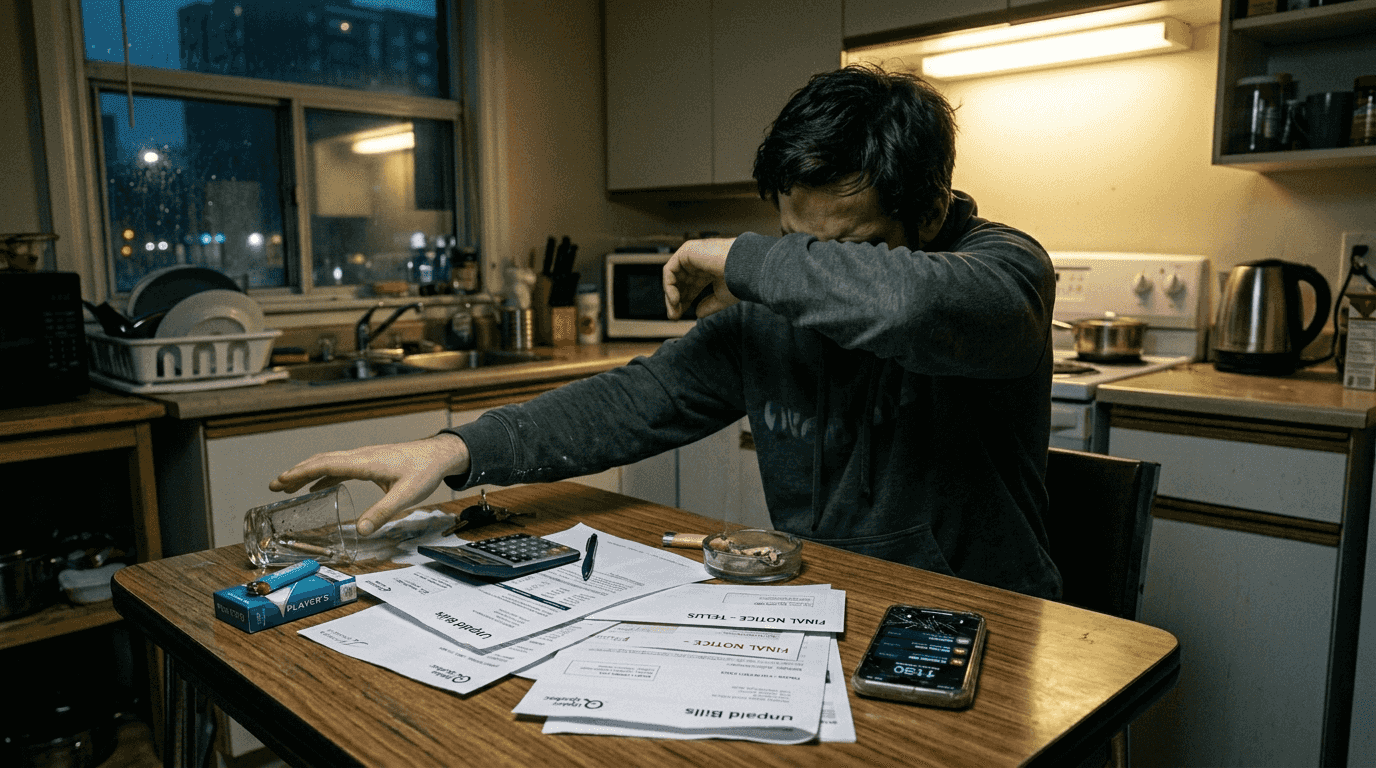
Cannabis Use Disorder develops in roughly 30% of medical cannabis users, creating a dependence cycle that complicates anxiety management. Regular use alters your endocannabinoid system’s natural functioning, requiring increasing doses to achieve the same relief. When you stop using cannabis after prolonged regular consumption, withdrawal symptoms often include rebound anxiety worse than original symptoms. This creates a problematic cycle where cannabis simultaneously treats and perpetuates anxiety.
Withdrawal-related anxiety typically peaks 2-3 days after stopping regular use and may persist for several weeks. Symptoms include:
Balanced or CBD-dominant products minimise these risks whilst preserving therapeutic benefits. Products with 1:1 or higher CBD:THC ratios reduce anxiety without significant intoxication or dependence risk. CBD appears to moderate THC’s anxiety-inducing properties whilst contributing its own anxiolytic effects. This makes balanced formulations ideal for anxiety management in most users.
Cannabis should never replace evidence-based anxiety treatments like Cognitive Behavioural Therapy or prescribed medications. CBT addresses underlying thought patterns that generate anxiety, providing lasting skills cannabis cannot teach. SSRIs and other psychiatric medications target specific neurotransmitter imbalances with proven long-term efficacy. Cannabis may complement these approaches but lacks the evidence base to serve as standalone treatment for clinical anxiety disorders.
Responsible cannabis use for anxiety requires:
| Risk Factor | Low-Risk Approach | High-Risk Approach |
|---|---|---|
| THC concentration | <10mg doses, CBD-dominant | >20mg THC, minimal CBD |
| Frequency | Occasional, as-needed use | Daily or multiple times daily |
| Medical oversight | Regular provider consultation | Self-treatment without guidance |
| Treatment integration | Combined with therapy/medication | Cannabis as sole intervention |
Monitoring your usage patterns helps identify problematic dependence before it becomes entrenched. Track frequency, dose escalation, inability to reduce use, and whether anxiety worsens on days without cannabis. These warning signs suggest cannabis has shifted from helpful tool to dependency. Early recognition allows course correction before Cannabis Use Disorder fully develops.
Individual sensitivity varies dramatically in anxiety response to cannabis. Genetics, previous trauma, current stress levels, and anxiety disorder subtype all influence whether cannabis helps or harms. Some people experience profound relief at doses that trigger panic in others. This variability demands individualised approaches rather than universal recommendations. Exploring cannabis strains anxiety relief options helps identify products matching your specific needs.
Starting with minimal doses allows you to assess individual response without overwhelming anxiety risk. Begin with 2.5-5mg THC or 10-20mg CBD and wait at least two hours before considering additional consumption. This conservative approach prevents the common mistake of taking too much too quickly, which often triggers the anxiety you’re trying to relieve. Track your response in detail, noting onset time, peak effects, duration, and any anxiety changes.
CBD-dominant or balanced THC:CBD products provide the safest entry point for anxiety management. Look for products with at least equal parts CBD to THC, or preferably higher CBD ratios like 2:1 or 5:1. These formulations deliver therapeutic benefits whilst minimising intoxication and anxiety risk. Empirical data supports prioritising CBD-dominant products in legal markets to minimise risks whilst targeting symptom relief.
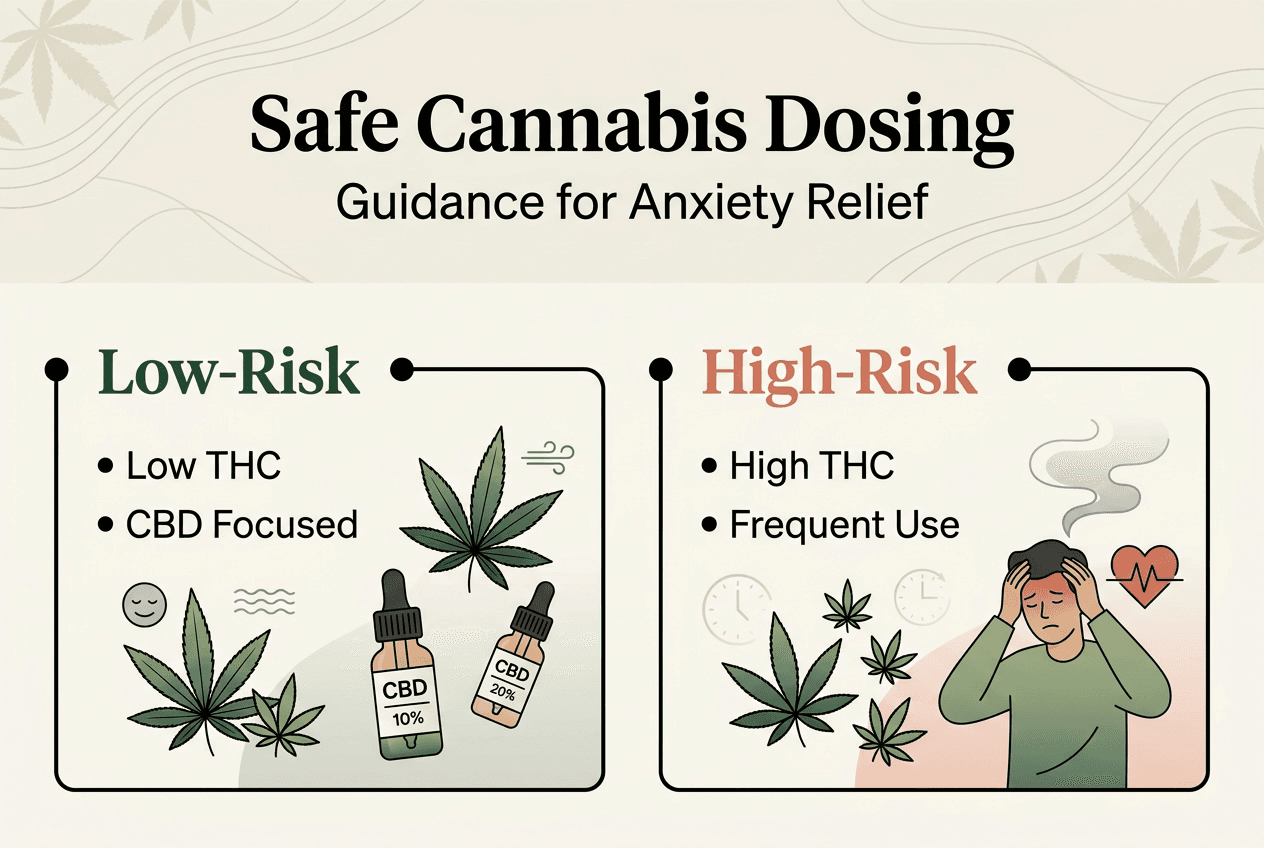
Avoid high-THC concentrations, especially if you’re anxiety-sensitive or new to cannabis. Products exceeding 20% THC or doses above 10mg create disproportionate anxiety risk compared to modest additional benefits. The cannabis market increasingly favours ultra-high-THC products, but these formulations serve recreational intensity-seekers poorly suited for anxiety management. Resist marketing pressure towards maximum potency.
Incremental dosing strategy:
Consult healthcare providers before starting cannabis for anxiety, especially if you take psychiatric medications. Some combinations create problematic interactions or reduce medication effectiveness. Your doctor can help weigh cannabis benefits against risks given your specific health profile. Never discontinue prescribed anxiety medications to try cannabis without medical supervision. For comprehensive guidance, review using cannabis for anxiety guide resources.
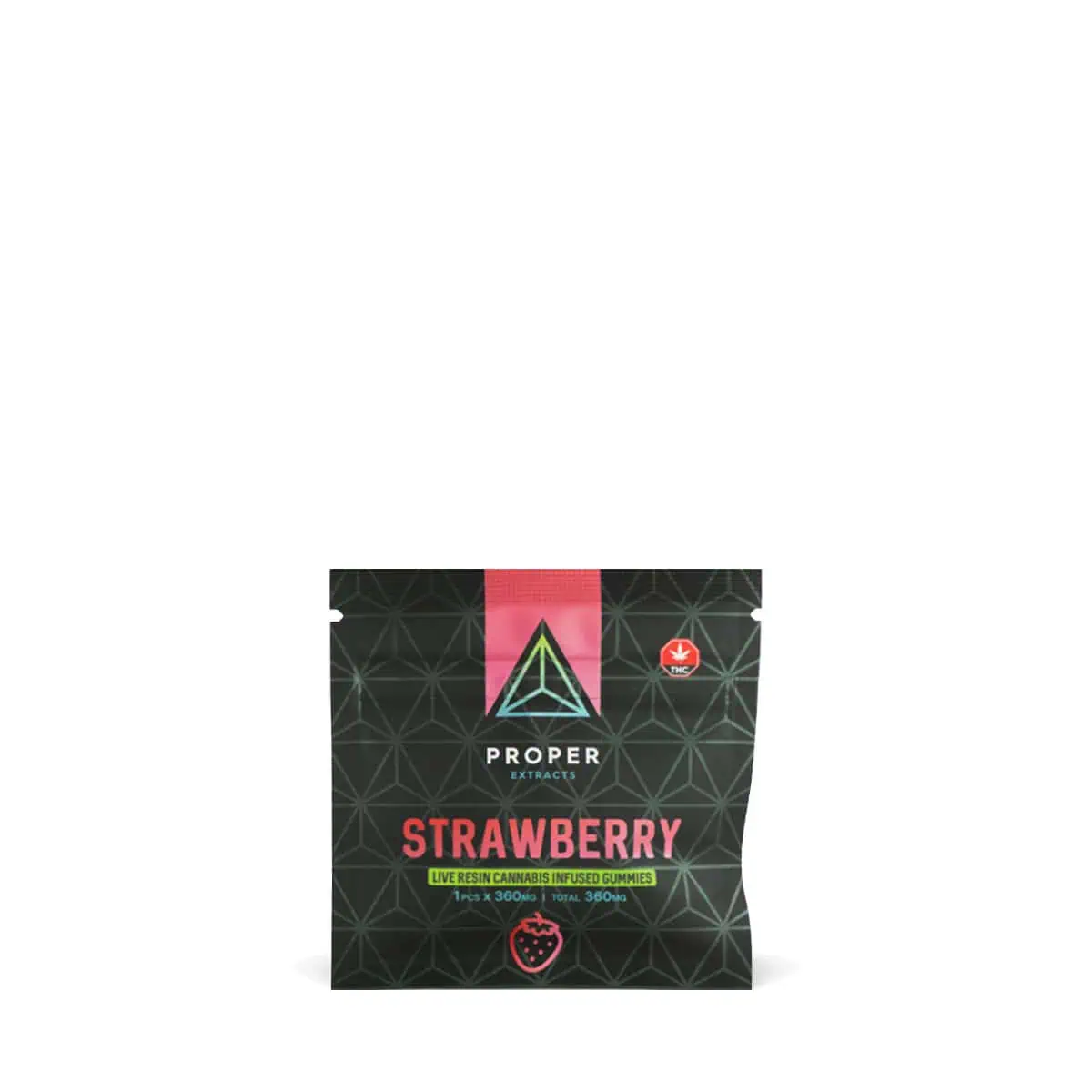
Product format significantly impacts anxiety relief effectiveness and side effect profile:
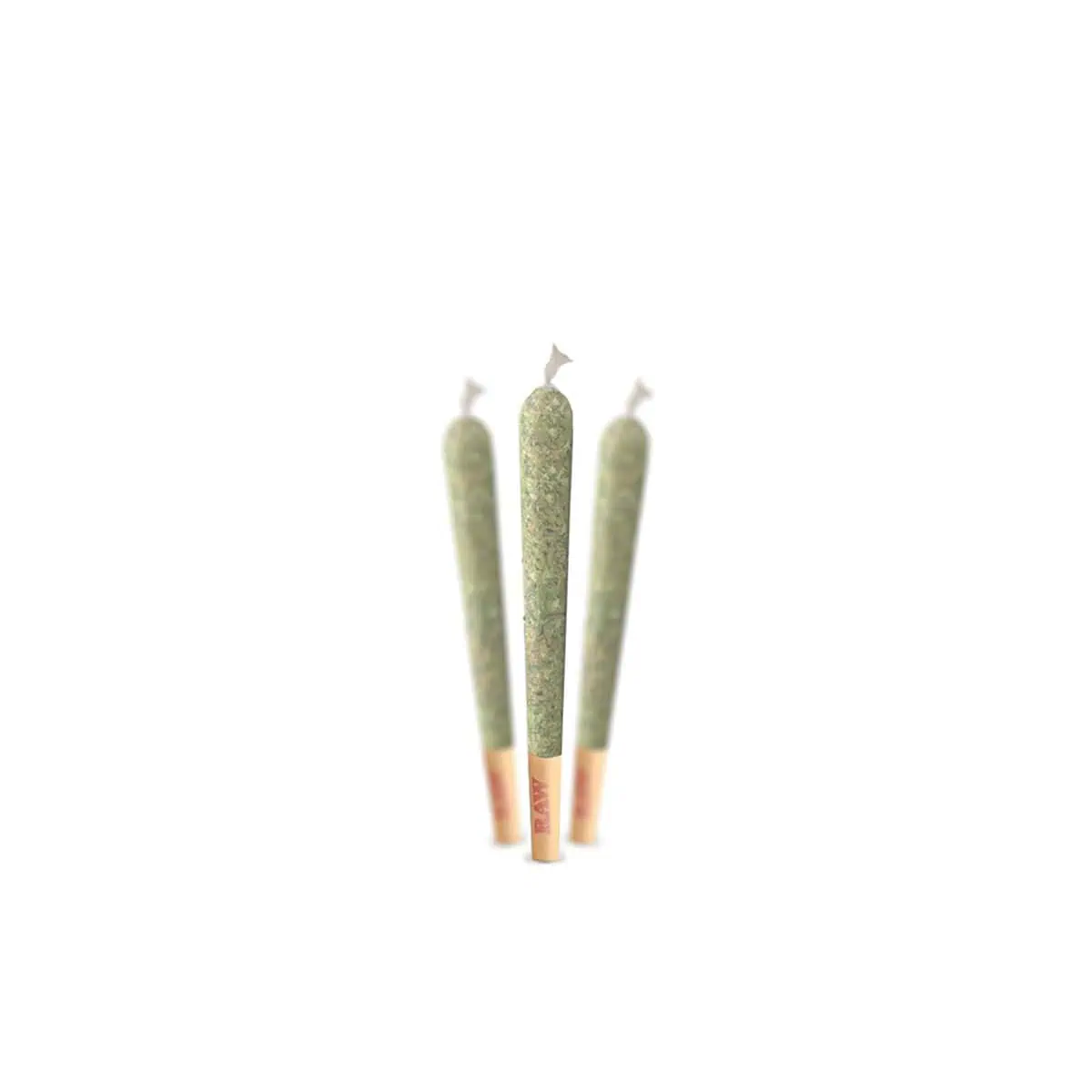
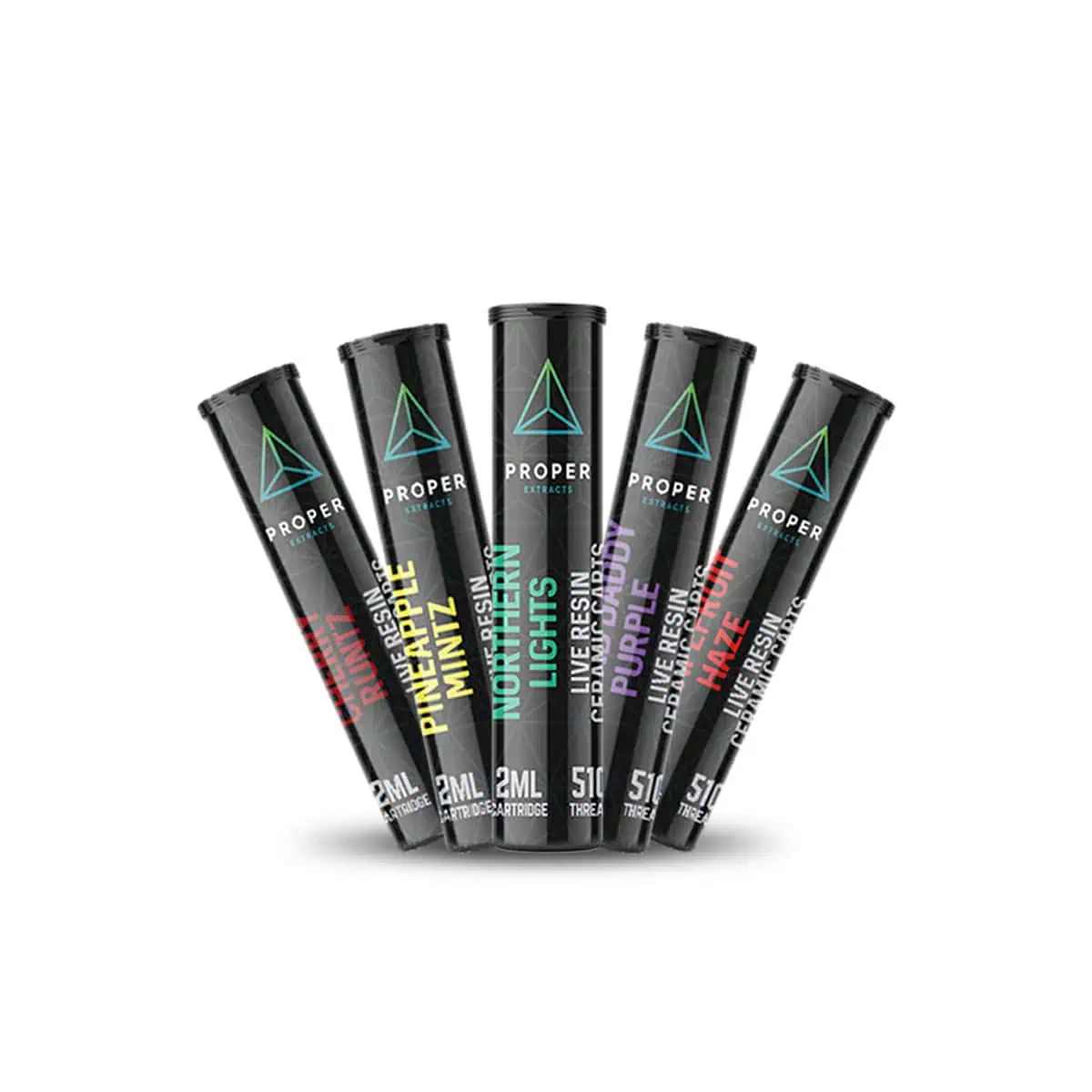
Vaporised cannabis offers advantages for anxiety management through rapid onset and easy dose control. You can take one inhalation, wait 15 minutes to assess effects, and decide whether additional consumption helps. This real-time feedback prevents overconsumption common with edibles. However, smoking or vaping carries respiratory considerations worth discussing with your doctor.
Pro Tip: Keep a detailed cannabis journal tracking product type, cannabinoid content, dose, timing, anxiety levels before and after, and any side effects. This data helps identify your optimal products and doses whilst providing concrete information for healthcare discussions.
Timing cannabis use strategically enhances anxiety relief whilst minimising tolerance development. Using cannabis only during high-anxiety periods rather than daily maintains effectiveness and reduces dependence risk. Some people find evening use helps wind down without interfering with daytime functioning. Others prefer as-needed dosing before anxiety-triggering situations. Experiment to find patterns that provide relief without creating problematic dependence.
Integrate cannabis within broader anxiety management strategies for optimal outcomes. Continue therapy, maintain regular exercise, prioritise sleep quality, and practise stress-reduction techniques alongside any cannabis use. Cannabis works best as one tool among many, not a standalone solution. This integrated approach provides more robust, sustainable anxiety relief than cannabis alone. Additional dosing guidance appears in cannabis dosage guidelines 2025 resources.
Navigating cannabis options for anxiety management becomes simpler with trusted resources and carefully curated product selections. Green Society offers diverse CBD-dominant and balanced THC:CBD products specifically suited for anxiety relief without overwhelming intoxication. Their platform helps you discover formulations that align with evidence-based guidance on safe, effective use.
Find practical tips and detailed dosage advice in their comprehensive using cannabis for anxiety guide, which expands on the principles covered here with product-specific recommendations. Their CBD edibles products collection features precisely dosed options ideal for consistent anxiety management. Explore curated selections of the best marijuana strains for anxiety to find varieties matching your specific symptom profile and preferences.
Yes, cannabis can significantly worsen anxiety, particularly at high THC doses. When THC concentration exceeds your tolerance threshold, it often triggers panic, paranoia, and racing thoughts instead of relaxation. This anxiogenic effect affects roughly 20-30% of users and represents one of the most common adverse reactions to cannabis.
CBD-dominant or balanced THC:CBD products provide the safest and most effective anxiety relief for most adults. Look for ratios of 1:1 or higher CBD:THC, such as 2:1 or 5:1 formulations. Indica-dominant strains often produce more calming effects than sativa varieties, though individual response varies considerably.
Start with very low doses such as 2.5-5mg THC or 15-25mg CBD and increase gradually over several weeks. Wait at least two hours between doses to fully assess effects before consuming more. Most people find anxiety relief at doses well below recreational levels, typically under 10mg THC combined with higher CBD amounts.
No, cannabis should not replace evidence-based treatments like SSRIs, benzodiazepines, or Cognitive Behavioural Therapy. These proven interventions address underlying neurochemical imbalances and thought patterns that cannabis cannot correct. Cannabis may complement professional treatment but lacks sufficient evidence to serve as standalone therapy for clinical anxiety disorders. Always consult your healthcare provider before changing prescribed treatments.