Free Shipping
on orders over $150.00
$0.00
$150.00
Add $150.00 more for free shipping!


TL;DR:
- Vape cartridges contain cannabis oil and attach to a separate battery as the full vape pen.
- Oil types vary in potency and flavor, with distillate being most common and suitable for beginners.
- Safety depends on regulated sourcing, materials used, and proper usage to reduce health risks.
Most people use the terms “vape pen” and “vape cartridge” interchangeably, but they are actually two different things. Getting this wrong is more than a vocabulary issue. It affects how you shop, how you use your device, and how safely you consume cannabis. A vape cartridge is the oil-filled component that attaches to a battery, while a vape pen is the complete setup. Understanding what goes into a cartridge, what types of cannabis oil are available, and how to stay safe with your choices is the foundation of a better vaping experience. This guide covers all of it.
| Point | Details |
|---|---|
| Cartridge basics | A vape cartridge is a pre-filled container for cannabis oil that attaches to a battery for vaporisation. |
| Oil types matter | Distillate, live resin, and live rosin offer different potency and flavour, each suited to different users. |
| Safety first | Always choose regulated cartridges with ceramic wicks and avoid unregulated products to minimise health risks. |
| Smart usage | Monitor your daily use, avoid high voltage, and troubleshoot clogs or burnt tastes for the best experience. |
| Personal choice | Pick your cartridge based on your experience, taste preference, and safety requirements. |
A vape cartridge, sometimes called a “cart,” is a small, pre-filled container designed to hold cannabis oil or extract. It attaches to a rechargeable battery and, when activated, heats the oil into vapour for inhalation. Simple in concept, but there is a lot going on inside that tiny tube.
The vape cartridge basics come down to four main components working together. The mouthpiece is where you inhale. The reservoir is the chamber that holds the oil. The wick or ceramic core draws oil toward the heat source. The heating coil, also called an atomiser, converts the oil into vapour.
According to product guides, a pre-filled cannabis cartridge typically comes in two standard sizes: 0.5 grams and 1 gram. Most cartridges use a 510-thread connection, which is the industry standard and compatible with the vast majority of vape batteries on the market. This universality is one reason carts are so popular.
Here is a quick breakdown of the main components:
The key distinction between a cartridge and a full vape pen device is simple. The cartridge is just the oil-filled top portion. The vape pen is the battery component. Together, they form a complete vaping device. You can browse popular vape cartridges to see how different brands approach these components.
| Component | Function | Material options |
|---|---|---|
| Mouthpiece | Inhalation point | Plastic, ceramic, glass |
| Reservoir | Holds cannabis oil | Glass, plastic |
| Wick/core | Draws oil to heat | Cotton, ceramic |
| Heating coil | Vaporises oil | Stainless steel, ceramic |
| Connector | Attaches to battery | 510-thread standard |
When you press the button on your battery or draw from the mouthpiece, the battery sends power to the coil, the coil heats up, the wick delivers oil to the coil, and vapour is produced. It takes less than a second. That speed and simplicity is why vaping has become one of the most popular cannabis consumption methods. You can explore THC/CBD vape types to see how different cartridge styles fit different preferences.
Not all cannabis oil is the same. What is inside the cartridge determines the potency, flavour, and overall experience. There are three main oil types you will encounter.
Distillate is the most common. It is a highly refined oil that strips away most plant compounds, leaving behind concentrated THC. Distillate cartridges typically contain 85 to 95% THC, making them the most potent option by percentage. The trade-off is flavour. Distillate lacks the rich terpene profile of less refined oils, so manufacturers often add terpenes back in artificially.
Live resin is made from fresh-frozen cannabis plants, meaning the plant is frozen immediately after harvest to preserve its natural terpene content. This process results in a product with 60 to 80% THC and a much more robust, true-to-plant flavour. Live resin is a favourite among experienced users who want a fuller cannabis experience beyond raw potency.
Live rosin takes things further. It is produced without solvents, using only heat and pressure to extract oil from fresh-frozen cannabis. The result is a clean, pure product with exceptional terpene preservation and what cannabis enthusiasts call the “entourage effect,” where cannabinoids and terpenes work together for a richer experience. Live rosin is generally the most expensive option.
Here is how the three oils compare:
| Oil type | THC range | Flavour | Process | Best for |
|---|---|---|---|---|
| Distillate | 85 to 95% | Mild | Refined/processed | Beginners, potency seekers |
| Live resin | 60 to 80% | Rich | Fresh-frozen extraction | Intermediate users |
| Live rosin | Varies | Exceptional | Solventless (heat/pressure) | Experienced users |
Choosing between them is about balancing what matters most to you. If you want maximum THC with consistent results, distillate is reliable. If flavour and a more natural cannabis experience are your priority, live resin or rosin will deliver. You can choose your vape cart based on these factors, or explore CBD vape oil intro if you are more interested in non-psychoactive options.
Pro Tip: If you are new to vaping cannabis, start with a distillate cartridge at a low dose. The consistent potency makes it easier to gauge your experience before moving to live resin or rosin.
Safety is where many guides fall short. The cartridge itself, not just the oil inside, can affect your health depending on its construction and where it was purchased.
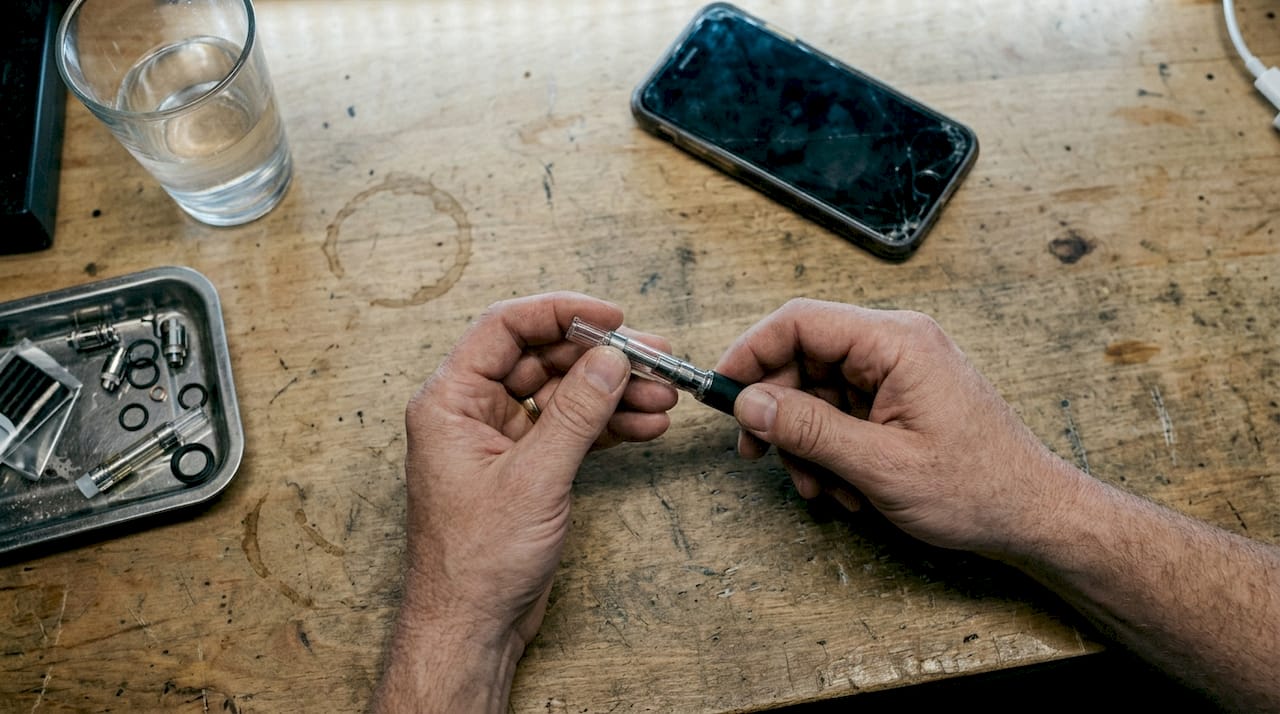
The most important material difference is in the wick. Ceramic wicks outperform cotton in both safety and flavour. Ceramic does not degrade at high temperatures the way cotton can, and it does not introduce unwanted flavours or compounds into your vapour. Cheap cartridges often use low-quality metals like brass in their construction, which can leach heavy metals into the vapour you inhale. Regulated products are estimated to carry up to 100 times lower contaminant risk than unregulated ones.
A Canadian study on metal exposure found that legal vape products present a low risk for typical users. However, heavy daily users should monitor their cumulative metal exposure over time, as repeated use can compound the effects of trace contaminants.
Here is what to check before buying any cartridge:
“Regulated cannabis vape products are subject to strict quality controls that unregulated black-market products simply cannot match. The difference in contaminant risk is not marginal. It is enormous.”
For more on staying safe, see cartridge safety tips and learn about vaping for safer use compared to other consumption methods.
Even a high-quality cartridge can underperform if you are not using it correctly. Here are the most common issues and how to avoid them.
Pro Tip: If you taste a burnt flavour, stop immediately. This usually means the wick has run dry or the voltage is too high. Let the cartridge rest for a few minutes, lower the voltage, and try again with a slow, gentle draw.
If oil is not vaporising, try warming the cartridge in your hands for 30 seconds before use. Cold temperatures thicken cannabis oil and reduce flow. If the problem persists, check the battery connection or consider replacing the cartridge.
For guidance on choosing your cartridge and understanding why use vape pens over other methods, those resources will give you a broader picture.
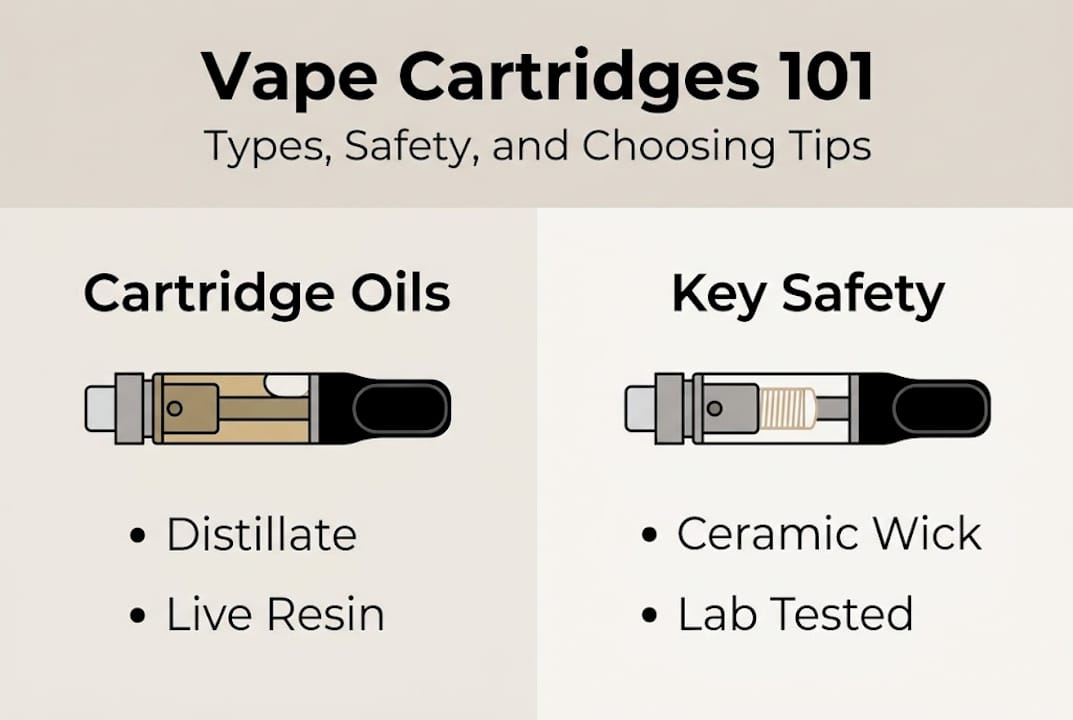
With all the options available, choosing a cartridge comes down to knowing yourself as a consumer. Here is a practical framework.
Start with your goals. Are you looking for maximum potency, rich flavour, or a balanced experience? Your answer points directly to an oil type. Distillate provides potency and consistency but lacks the entourage effect. Live extracts offer flavour and full-spectrum benefits but come at a higher price and slightly lower THC percentage.
Always buy from reputable, regulated sellers. Clear labelling, batch testing results, and recognisable brand names are signs of a trustworthy product. Avoid anything without ingredient disclosure or lab testing documentation.
Consider your accessories too. A variable-voltage battery gives you more control over your experience, and a compatible mouthpiece can improve comfort during longer sessions. Use the guide to THC/CBD vapes to match your needs with the right product category.
Here is something most vape content does not say plainly: the single biggest factor in your safety and satisfaction is not the oil type or the THC percentage. It is whether the product is regulated or not.
The gap between legal and black-market cartridges is not a small one. It is the difference between a product tested for heavy metals, pesticides, and accurate potency, and one that has no accountability at all. Chasing the highest THC number from an unverified source is how people end up with a poor experience or worse.
At GreenSociety, we think the smarter approach is to focus on the overall experience: how the product makes you feel, how it tastes, and whether you trust where it came from. Potency is one data point, not the whole picture. Test different oil types, adjust your voltage, and pay attention to how your body responds. The comprehensive cannabis vape guide is a great place to build that knowledge systematically. Vape cartridge technology is improving quickly, and the best users are the informed ones.
Ready to put this knowledge into action? GreenSociety.cc carries a curated selection of regulated vape cartridges, batteries, and accessories from trusted Canadian brands.
Whether you are shopping for your first cartridge or looking to upgrade your setup, our cannabis accessories guide walks you through everything you need. For a broader look at vaping options, the cannabis vape guide covers the full landscape. You can also explore our cannabis accessories explained resource to understand how the right tools improve your experience. All products on GreenSociety.cc come with clear labelling, verified sourcing, and fast, discreet delivery across Canada.
A vape cartridge is the oil-filled component that contains the cannabis extract, while a vape pen refers to the full device including the reusable battery. You attach the cartridge to the pen to use it.
Distillate cartridges are the top recommendation for new users because they offer consistent potency, predictable effects, and are generally the most affordable option available.
Yes. Legal Canadian vape products are regulated for contaminants including heavy metals and pesticides, making them significantly safer than unregulated black-market alternatives.
Heavy daily use around 0.3g per day or roughly 60 puffs may result in excess metal exposure, especially with unregulated products, and should be carefully monitored.