Free Shipping
on orders over $150.00
$0.00
$150.00
Add $150.00 more for free shipping!


Over half of Canadian adults report trying cannabis at least once, yet many still feel uncertain about the differences between product types. With such a variety now legally available across Canada, understanding each category is essential for making informed choices that match individual preferences and wellness goals. This guide cuts through the confusion to clarify what separates dried flower, concentrates, edibles, topicals, and vape products, providing key details every Canadian consumer needs.
| Point | Details |
|---|---|
| Diverse Product Categories | Cannabis products are available in various forms, including dried flower, concentrates, edibles, topicals, and vape products, each catering to different consumer preferences and therapeutic needs. |
| Consumer Decision Factors | Consumers choose cannabis products based on desired effects, cannabinoid composition, personal tolerance, and intended outcomes, highlighting the importance of informed selection. |
| Legal Framework in Canada | The legal landscape governing cannabis in Canada allows adults to purchase and possess regulated products, with key restrictions varying by province to ensure safety and compliance. |
| Potency and Quality Risks | High-THC products carry potential risks related to potency and dosage; consumers should prioritize quality control by verifying product sourcing and testing before purchase. |
Cannabis products come in diverse forms designed to meet different consumer needs and preferences. Comprehensive research examining cannabis product categories reveals multiple distinct types tailored for specific consumption methods and therapeutic objectives.
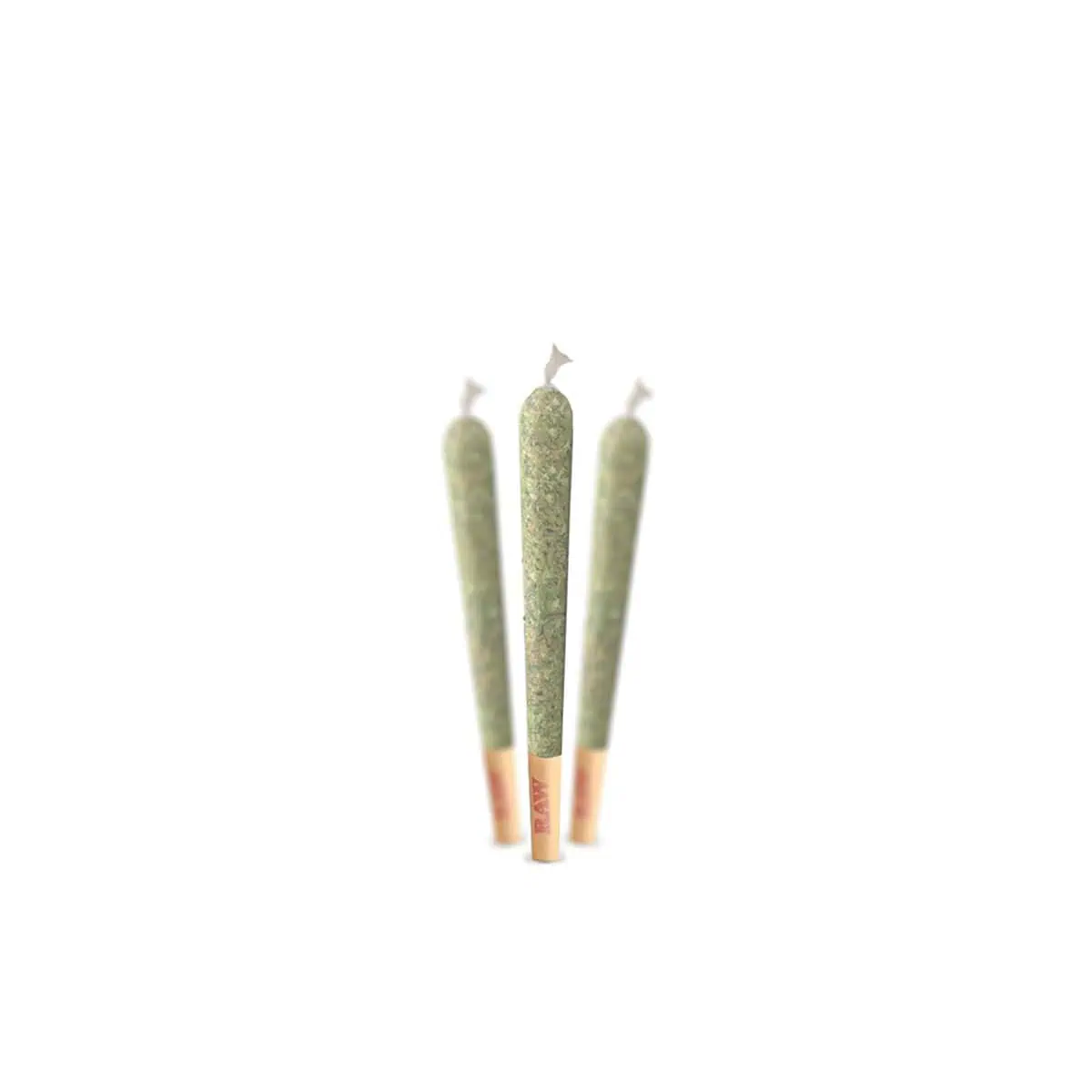
The primary cannabis product categories include dried flower, concentrates, edibles, topicals, and vape products. Each category offers unique characteristics and consumption experiences. Dried flower represents the most traditional form, featuring raw cannabis buds that can be smoked or vaporised. Concentrates deliver highly potent extracts with elevated cannabinoid levels, while edibles provide alternative consumption methods through infused foods and beverages. Topical products target localised relief through skin application, and vape products offer convenient, discreet inhalation options.
Research examining cannabis usage patterns in Canadian territories highlights the complexity of product selection. Consumers choose products based on several key factors:
Understanding these nuanced product categories empowers consumers to make informed decisions aligned with their specific wellness goals and personal preferences. Whether seeking pain management, stress relief, or recreational enjoyment, the contemporary cannabis market offers sophisticated options catering to virtually every individual need.
Comprehensive research on cannabis consumption patterns reveals significant diversity in product types, with each category offering unique consumption experiences and potential benefits. The primary cannabis product types include dried flower, edibles, concentrates, and vape products, each representing a distinct approach to cannabis consumption.
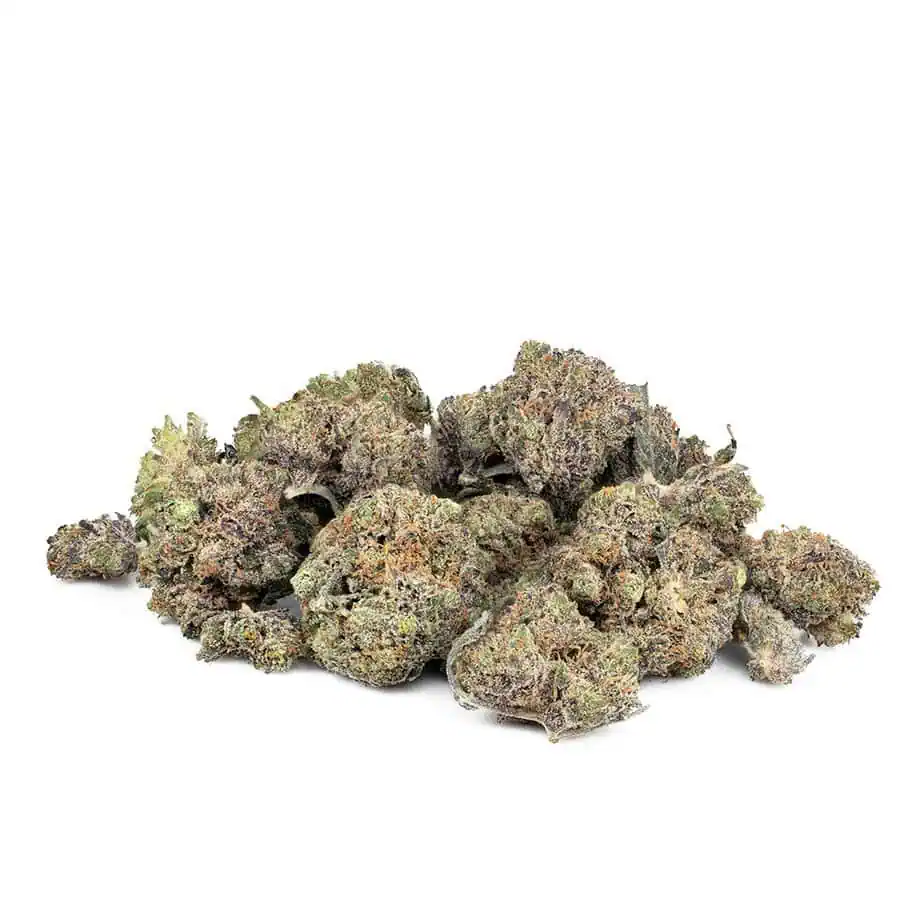
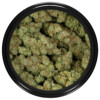
Dried Flower: The most traditional cannabis product, dried flower represents the raw, unprocessed cannabis buds. Users typically consume this form through smoking or vaporisation, appreciating its natural state and immediate effects. Flower products range from high-THC strains for recreational use to balanced CBD:THC varieties targeting specific therapeutic outcomes.
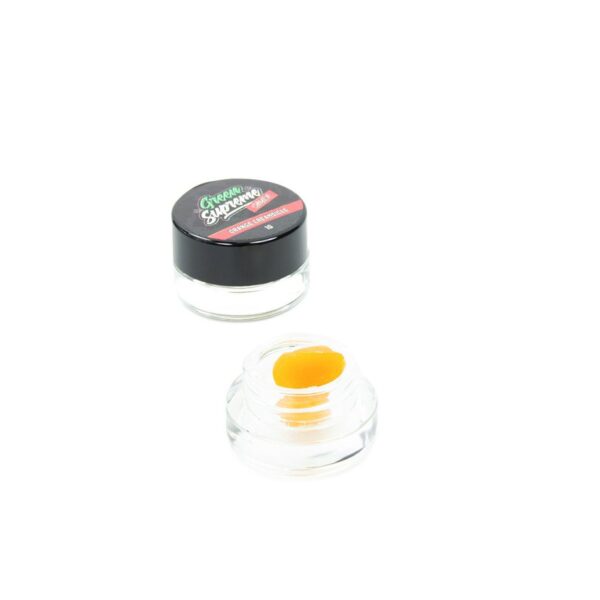
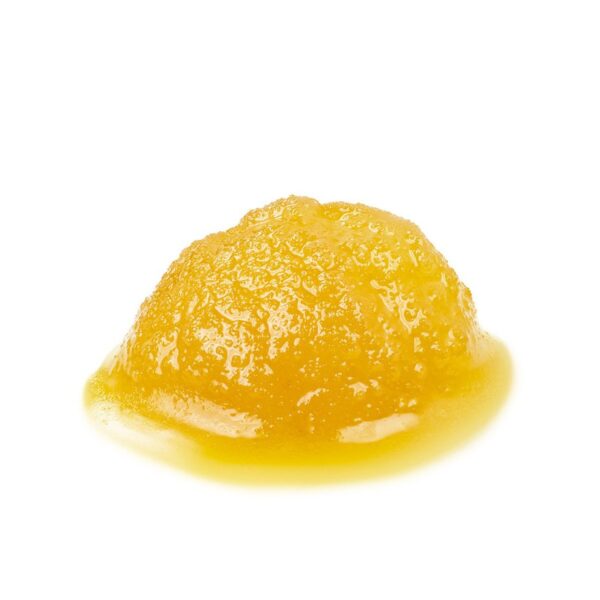
Concentrates: These represent highly potent cannabis extracts featuring significantly elevated cannabinoid concentrations. Emerging consumption trends indicate growing interest in concentrated cannabis forms, which offer more intense experiences and efficient consumption methods. Concentrates include:
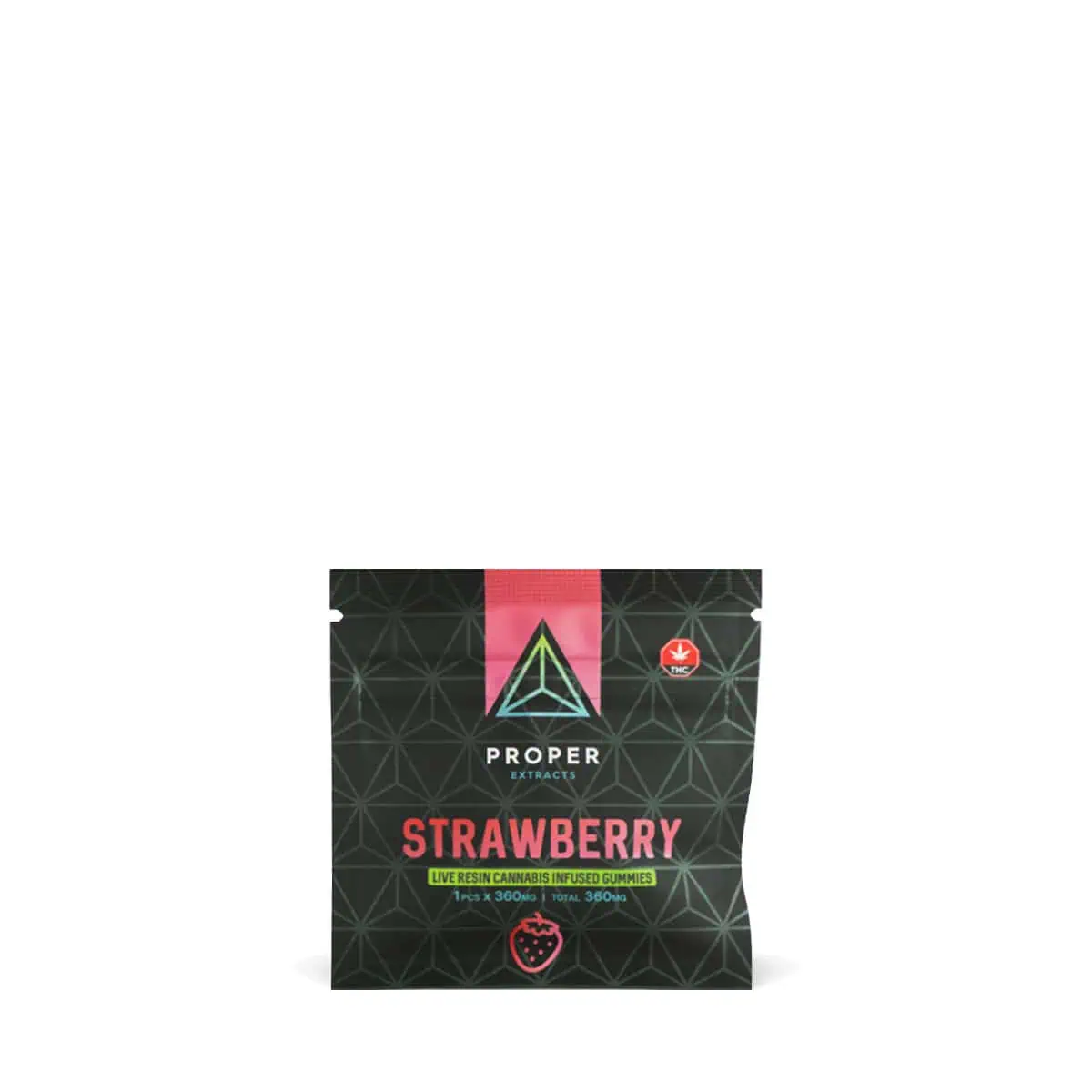
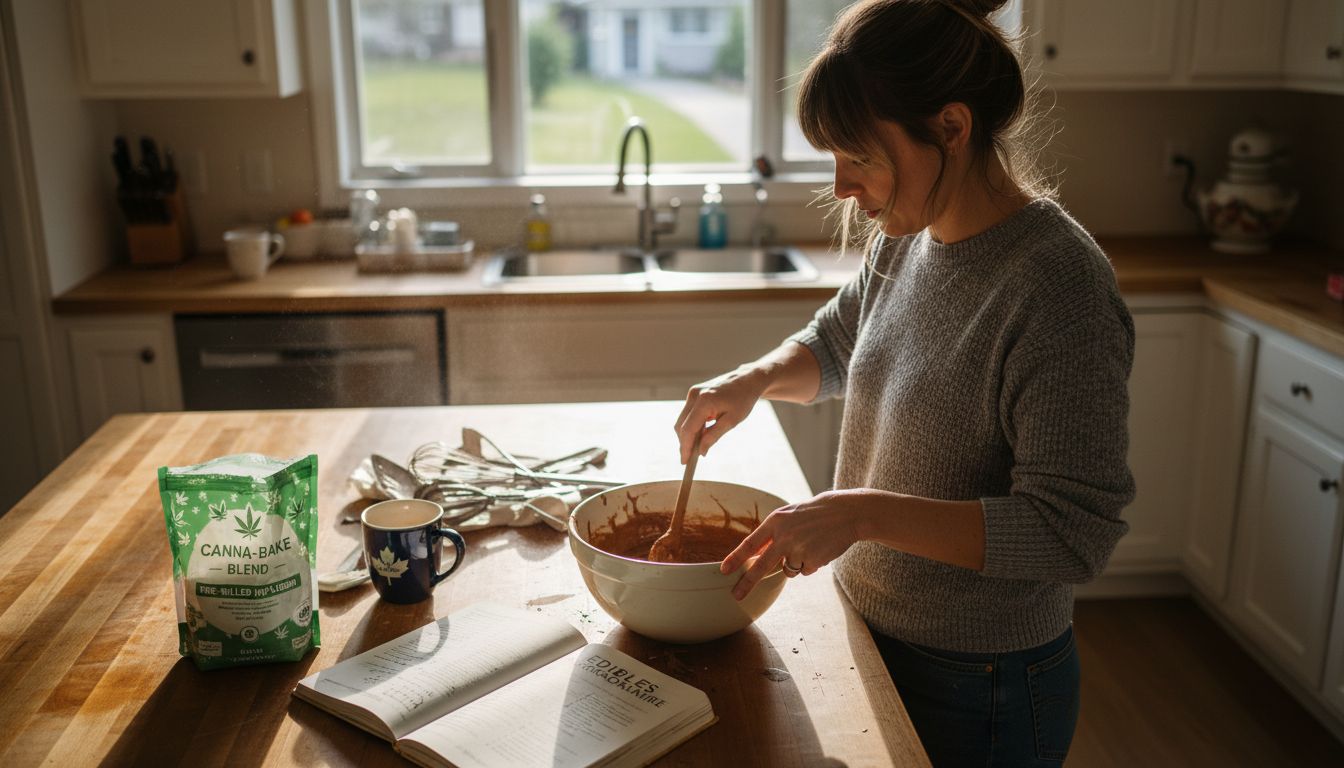
Edibles: Cannabis-infused food and beverage products provide an alternative consumption method for those preferring not to inhale. These products offer precise dosing, longer-lasting effects, and diverse flavour profiles. Ranging from gummies and chocolates to baked goods and beverages, edibles represent a sophisticated and discreet consumption option.
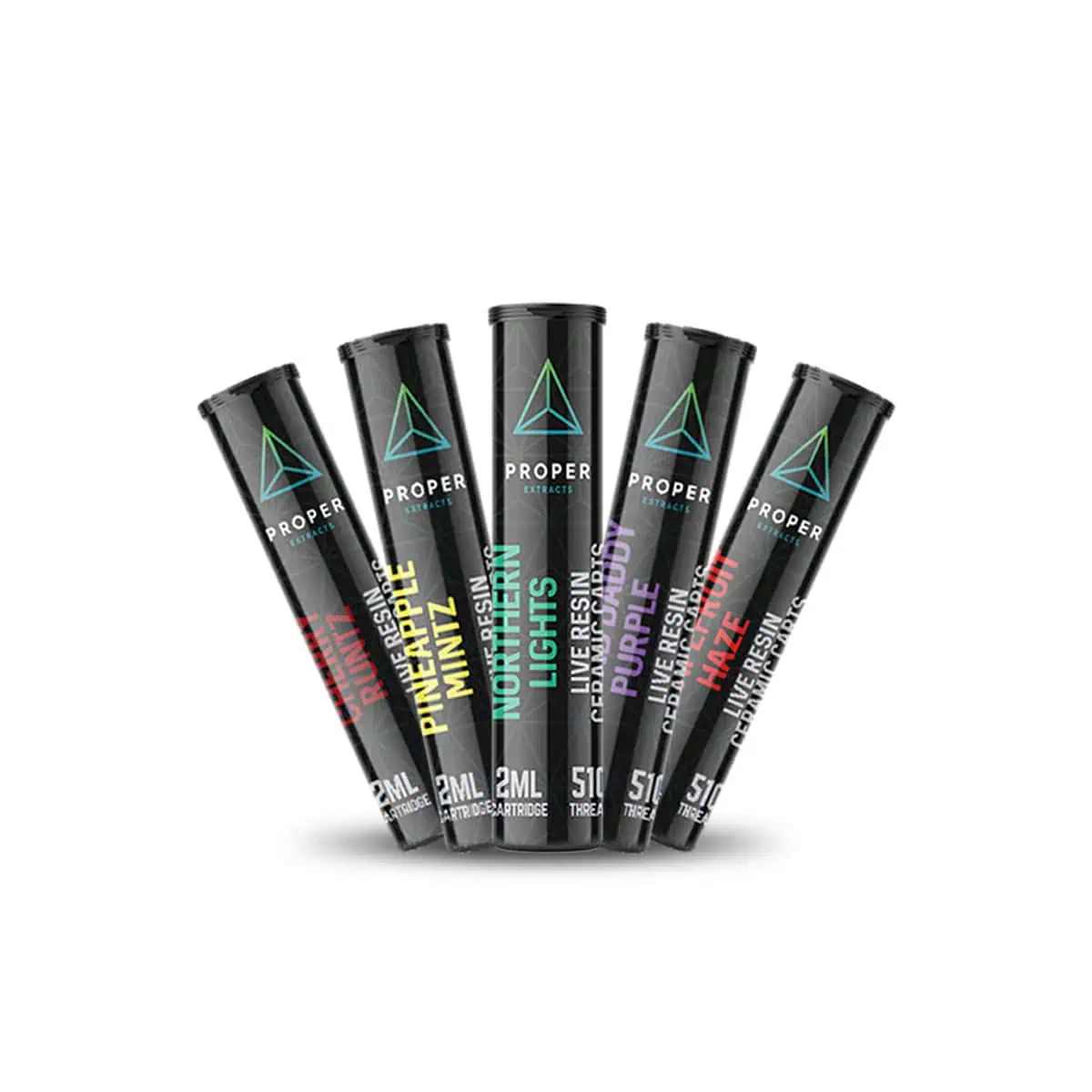
Vape Products: Representing the most technologically advanced cannabis consumption method, vape products offer convenient, portable options for consuming cannabis extracts. These devices heat cannabis oils or concentrates, producing inhalable vapour with minimal odour and potentially reduced respiratory impacts compared to traditional smoking methods.
Evolving research on cannabis product diversity reveals exciting developments in CBD and topical formulations, showcasing the cannabis industry’s innovative approach to consumer wellness. These emerging product categories represent a sophisticated shift from traditional consumption methods, targeting specific health and lifestyle needs with precision and versatility.
CBD Products: Cannabidiol (CBD) has emerged as a groundbreaking wellness compound, offering potential therapeutic benefits without the psychoactive effects associated with THC. CBD products now span a remarkable range of formats:
Topical Innovations: Research highlighting cannabis-derived topical developments demonstrates remarkable potential for targeted relief. These products include:
Emerging product innovations continue to push boundaries, with technologies like nanoemulsion enabling faster absorption and more efficient delivery mechanisms. Manufacturers are developing increasingly sophisticated products that cater to precise consumer preferences, from microdosed edibles to personalised wellness formulations that integrate cutting-edge scientific research with natural cannabis compounds.

Cannabis market research in Ontario reveals the complex legal landscape that has emerged since nationwide legalization in 2018. Canadian cannabis regulations have created a structured framework that balances consumer access with public health and safety considerations, establishing a comprehensive system for legal cannabis production, distribution, and consumption.
Federal legislation permits adults aged 18 or 19 (depending on the province) to purchase, possess, and consume cannabis products from licensed retailers. Each province maintains unique regulatory nuances, creating a diverse but controlled marketplace. Legal cannabis products are strictly regulated, including:
Research examining cannabis use in Canadian territories highlights the importance of provincial variations in cannabis regulations. Key legal parameters include:
The legal framework continues to evolve, with ongoing adjustments to address emerging market trends, consumer needs, and public health considerations. Provinces maintain significant autonomy in implementing specific regulatory details, creating a dynamic and responsive cannabis governance model that prioritizes responsible consumption and consumer protection.
Research investigating consumer use of high-THC cannabis products reveals critical insights into potential risks associated with cannabis consumption. Understanding these risks is paramount for consumers seeking to make informed, responsible purchasing decisions and maintain personal wellness.
Potency and Dosage Risks: High-THC products can produce significant physiological and psychological effects. Consumers must carefully consider their individual tolerance levels and potential interactions with existing health conditions. Key risk factors include:
Quality Control Considerations: Research examining product diversity in legal dispensaries emphasises the importance of purchasing from licensed, reputable sources. Responsible shopping involves:
Responsible cannabis consumption requires a nuanced approach that prioritises personal health, understands individual tolerance, and maintains awareness of potential short and long-term effects. Consumers should approach cannabis products as sophisticated wellness tools, requiring careful consideration, moderation, and ongoing self-assessment.
Choosing the right cannabis product can feel overwhelming given the variety of options such as dried flower, concentrates, edibles, and topicals. The article highlights the importance of understanding your personal goals, tolerance, and the specific effects you want. Whether you seek pain relief, relaxation, or recreational enjoyment, finding quality products that suit your needs is key to a safe and satisfying experience.
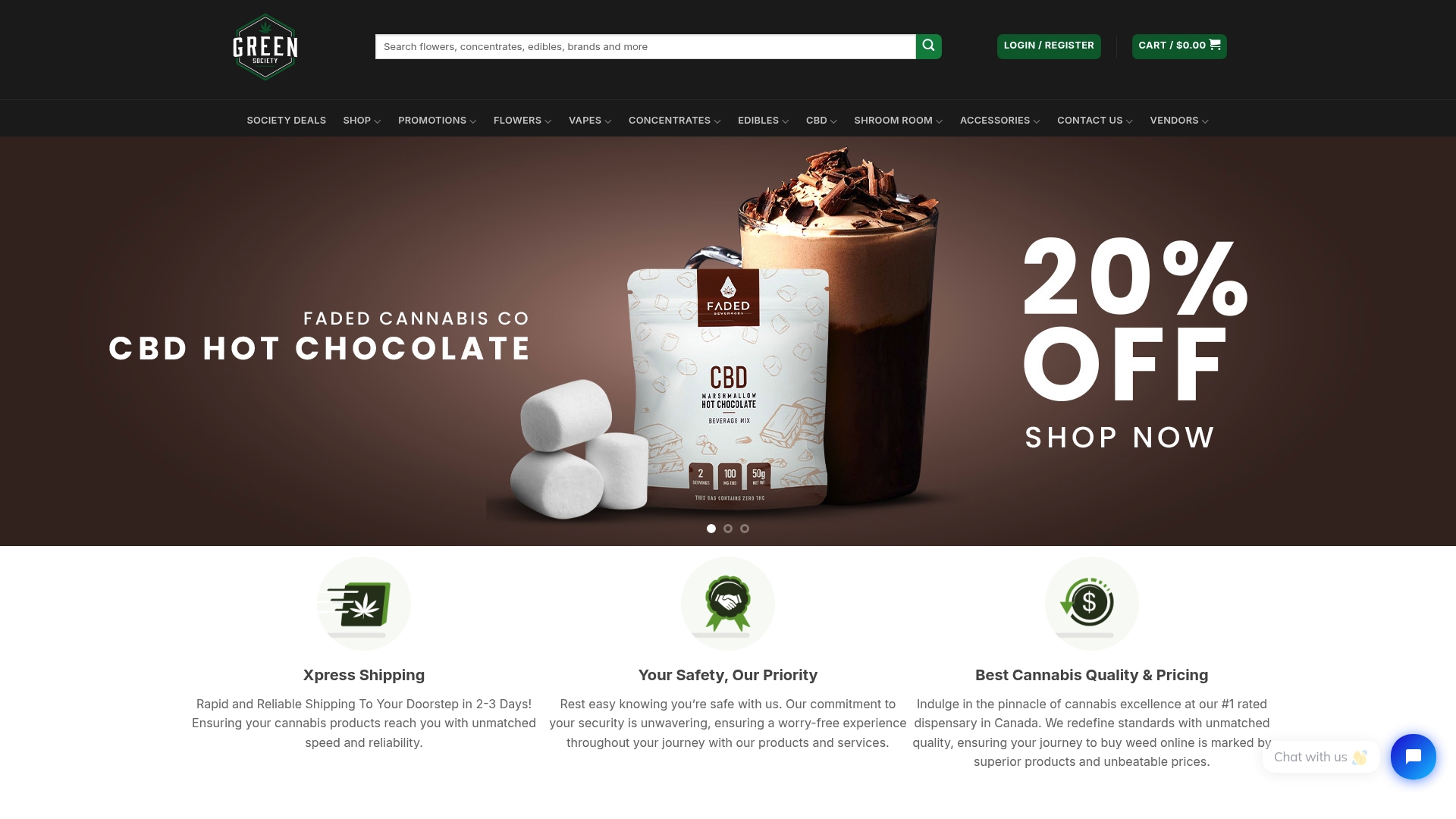
Explore our wide selection at GreenSociety.cc where you can easily navigate through trusted cannabis flower, potent concentrates, and innovative CBD products. We offer discreet and fast delivery so you can shop with confidence and convenience. Act now to experience premium cannabis products tailored to your lifestyle. Visit GreenSociety.cc and start your journey towards informed and responsible consumption today.
Cannabis products are primarily categorized into dried flower, concentrates, edibles, topicals, and vape products, each catering to different consumption methods and user preferences.
Edibles offer a different consumption method, featuring longer-lasting effects due to digestion, while dried flower provides more immediate effects when smoked or vaporized.
It’s essential to consider the THC/CBD ratio based on your desired effects. High-THC strains are typically used for recreational purposes, while balanced CBD:THC options are often selected for therapeutic benefits.
High-THC products can lead to acute anxiety, short-term memory impairment, and cardiovascular stress. It’s important to understand your individual tolerance levels and potential interactions with health conditions.