Free Shipping
on orders over $150.00
$0.00
$150.00
Add $150.00 more for free shipping!

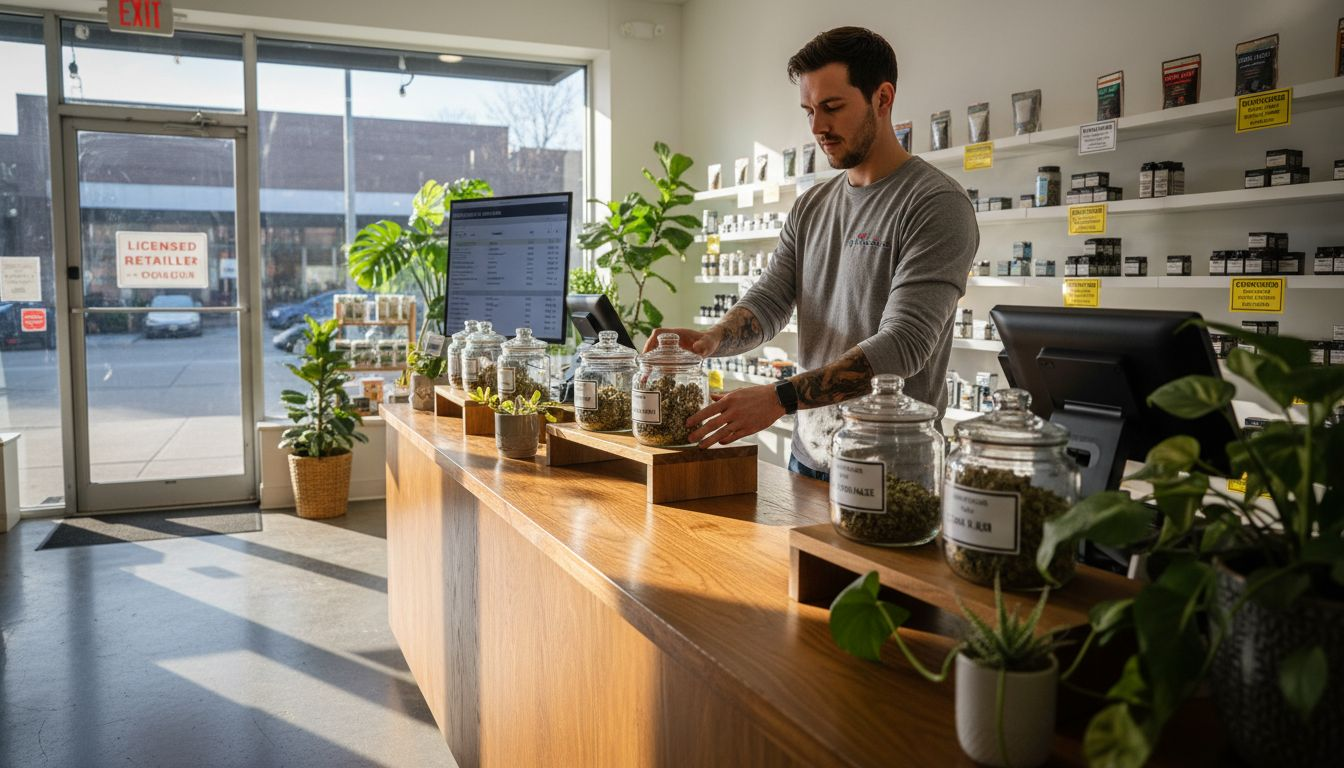
Choosing legal cannabis in Canada comes with more than just convenience. Since the introduction of the Cannabis Act in 2018, Canadian adults enjoy federally regulated access to a variety of cannabis products, with each province adding its own details on age limits, retail options, and consumer protections. Understanding these layered regulations and product choices helps you shop safely online, make informed decisions for your health or recreation, and fully benefit from the rights and safeguards Canada’s legalization provides.
| Point | Details |
|---|---|
| Cannabis Legalisation | Canada legalised cannabis federally in 2018, transitioning from prohibition to a regulated system aimed at public health and safety. |
| Diverse Product Range | The legal market offers various cannabis products, including dried flower, oils, edibles, and concentrates, each with different effects and consumption methods. |
| Provincial Regulations | Cannabis laws vary by province, including age limits, possession allowances, and sales channels, highlighting the importance of local compliance. |
| Consumer Rights and Responsibilities | Legal cannabis purchases provide consumer protections; however, buyers must adhere to age restrictions and quantity limits to avoid legal penalties. |
Cannabis legality in Canada represents a significant shift from decades of prohibition to a regulated legal framework. In 2018, Canada became one of the first major countries to legalize cannabis at the federal level through the Cannabis Act, moving away from criminal penalties to a controlled access system designed to protect public health and minimize harms. This landmark decision wasn’t merely about permitting use, it reflected a comprehensive policy change aimed at reducing illegal market activity whilst establishing clear rules for how cannabis could be produced, distributed, and consumed across the country.
Today in 2026, cannabis remains fully legal for both recreational and medical purposes under federal legislation, though the specifics vary by province. Adults aged 18 or 19 (depending on your province) can legally possess, purchase, and consume cannabis products. The legal system works through a combination of federal rules set by the Cannabis Act and provincial regulations that add their own requirements. Think of it like this: the federal government sets the baseline standards for safety and quality, whilst each province decides details like where you can buy it, how much you can possess, and what age restrictions apply in their jurisdiction. Medical cannabis operates under its own separate licensed framework, allowing patients with qualifying conditions to access products through regulated channels. This dual structure means your cannabis rights depend partly on where you live in Canada.
The regulatory environment continues to evolve as policymakers assess the impact on public health, Indigenous communities, the economy, and public safety. Markets are maturing, consumer expectations are shifting, and the rules are being refined based on real-world outcomes. When you’re purchasing cannabis through legal channels like licensed retailers or regulated online dispensaries, you’re benefiting from health and safety standards that ensure product quality, accurate labelling, and consumer protection. What this means for you as an adult consumer is straightforward: your cannabis purchases are legal, tracked for safety compliance, and protected by consumer rights that simply didn’t exist under prohibition.
Pro tip: Check your specific province’s regulations before making purchases, as possession limits, purchase locations, and age requirements vary across Canada, and staying within your local rules keeps your purchase entirely compliant with current law.
Canada’s legal cannabis market offers a diverse range of products to suit different preferences, consumption methods, and needs. The Cannabis Act authorises dried cannabis, fresh cannabis, oils, edibles, concentrates, and seeds for personal cultivation. Each product type delivers cannabis differently, affecting how quickly it takes effect, how long the effects last, and the overall experience. Understanding your options helps you make informed choices aligned with your lifestyle and health goals.
Dried and fresh cannabis remain the most recognisable legal products. Dried flower is the traditional form that many consumers prefer, offering straightforward consumption through smoking or vaporisation. Fresh cannabis provides a milder alternative with a different cannabinoid profile. Oils and tinctures offer precise dosing and versatility, allowing you to place drops under your tongue, add them to food, or mix them into beverages. These products appeal to people seeking consistent, measured experiences without the respiratory effects of smoking. Edibles represent one of the most popular modern cannabis products, ranging from gummies and chocolates to baked goods and beverages. They became legal for commercial sale in October 2019, and product safety standards now ensure proper labelling, potency testing, and packaging designed to prevent youth access. The appeal of edibles lies in their discretion, precise dosing per serving, and longer-lasting effects compared to smoking.
Concentrates and extracts fill a specific niche for experienced consumers seeking potency and efficiency. These products come in forms like shatter, wax, live resin, and rosin, delivering high cannabinoid concentrations in smaller volumes. They require specific equipment and knowledge to use safely, making them ideal for consumers comfortable with more advanced consumption methods. Your personal possession limits translate across these product types using standardised equivalencies. For example, 1 gram of dried cannabis equals approximately 15 grams of edible product or other cannabis conversions, ensuring fair and consistent regulation regardless of which product form you choose. This means if you’re at your legal possession limit with dried flower, you cannot add additional edible products without exceeding your allowance.
The variety available means nearly every consumer preference finds accommodation within legal channels. Whether you want rapid effects through inhalation, gradual effects through edibles, precise micro-dosing through oils, or concentrated potency through extracts, licensed retailers and regulated online dispensaries stock options across all categories. This diversity also reflects Canada’s commitment to moving people away from illegal markets by offering legitimate products that genuinely meet consumer needs.
Here’s how cannabis product types differ by effects and usage:
| Product Type | Main Effects | Typical Onset Time | Main Consumption Method |
|---|---|---|---|
| Dried Flower | Rapid, short-lived | 5–10 minutes | Smoking or vaporising |
| Edibles | Delayed, long-lasting | 1–2 hours | Eating or drinking |
| Oils/Tinctures | Steady, controllable | 30–90 minutes | Oral drops or mixing |
| Concentrates | Strong, efficient | 5–10 minutes | Dabbing or vaporising |
| Fresh Cannabis | Milder, subtle | 5–10 minutes | Smoking or cooking |
| Seeds | N/A (cultivation only) | N/A | Home growing |
Pro tip: Start with lower doses if trying edibles or concentrates for the first time, as these products often deliver stronger effects than dried flower, and effects take 1 to 2 hours to onset, making it easy to overconsume if you’re impatient.
Cannabis sales in Canada operate under a two-tiered regulatory system where the federal government establishes the foundational rules and provinces manage the actual retail experience. The Cannabis Act provides federal oversight of production, distribution, and sale standards, creating a baseline of safety and quality across all of Canada. However, provinces and territories hold the authority to determine how cannabis reaches consumers in their jurisdictions. This separation of powers means that the rules for where you buy cannabis, who can sell it, and how it’s sold depend significantly on your location. Federal law creates the framework; your province fills in the details.
Each province has designed its own retail model based on its priorities and governance philosophy. Some provinces operate government-run dispensaries that handle all retail sales, whilst others allow private retailers to operate under strict licensing requirements. A few provinces permit both models to coexist, giving consumers choice between public and private options. Beyond the public-versus-private distinction, provinces set their own rules for sales channels, age restrictions for purchase, and where cannabis can be legally consumed. Some jurisdictions authorise online sales through government platforms or licensed private retailers, allowing you to order cannabis from home for delivery or pickup. Others restrict sales to physical storefronts only. These variations mean that purchasing cannabis in British Columbia differs markedly from purchasing in Ontario or Quebec, even though both provinces operate within the same federal legal framework.
Compliance with both levels of regulation is essential for every transaction. Licensed retailers must meet federal production and safety standards whilst also adhering to their provincial licensing conditions, pricing regulations, and operational requirements. When you purchase from a legal dispensary, whether online or in-store, you’re benefiting from this layered oversight. The product has passed federal safety testing and quality controls, and the retailer operates under provincial supervision designed to prevent youth access and ensure consumer protection. This dual-regulation approach creates redundancy in safety checks, working to your advantage as a consumer seeking reliable, tested products.
Understanding your provincial regulations helps you shop legally and confidently. Age requirements typically range from 18 to 19 depending on your province, purchase limits exist to prevent resale, and consumption restrictions apply in certain public spaces. Online dispensaries operating legally in your province must comply with both federal and provincial requirements, making them as legitimate as brick-and-mortar retailers. The complexity of this system exists precisely because cannabis regulation prioritises both public health and regional autonomy, recognising that communities have different values and concerns.
This table clarifies key differences in provincial cannabis regulation approaches:
| Regulatory Aspect | Federal Government | Provincial/Territorial Government |
|---|---|---|
| Age Requirement | Minimum national standard | Specific age set (18 or 19) |
| Retail Licensing | Certifies producers/distributors | Licenses retailers and stores |
| Possession Limits | Sets overall national maximum | May lower limit locally |
| Sales Channels | Sets baseline rules | Selects public/private/online mix |
| Consumption Areas | Broad national policies | Detailed local restrictions |
Pro tip: Before your first purchase, visit your provincial government’s official cannabis website to confirm your local age requirement, purchase limits, possession rules, and whether online ordering is available in your area, ensuring your purchase stays fully compliant.
Online cannabis purchasing has become a convenient option for Canadian adults, but only through licensed retailers operating within provincial frameworks. The ability to order cannabis from home represents a genuine shift in accessibility, yet this convenience comes with specific legal boundaries. When you purchase cannabis online in Canada, you’re exercising a consumer right that exists only when buying from properly licensed platforms. Purchasing from unlicensed online sources, regardless of how legitimate they appear, exposes you to legal penalties and creates compliance violations. The distinction matters enormously: buying from a licensed online retailer is entirely legal and protected, whilst buying from unauthorised sellers is illegal, regardless of the seller’s location or shipping method.
Licensed online retailers operate under strict provincial oversight and must comply with federal and provincial compliance requirements. These retailers verify your age through secure identity confirmation processes, enforce purchase limits, and ensure packaging meets safety standards. They maintain detailed transaction records and deliver products in child-resistant packaging with accurate labelling showing THC and CBD content. Your personal data receives protection under provincial privacy regulations. When you buy from these licensed platforms, you receive consumer protections that informal or illegal channels simply cannot offer. You can verify a retailer’s legitimacy by checking your provincial cannabis regulator’s website for a list of approved online vendors. Each province maintains an official directory, and if a retailer doesn’t appear there, they’re operating outside the legal framework.
Possession limits apply to your total cannabis holdings regardless of purchase method or product type. If you buy edibles online one week and flower the next, your combined holdings must stay within your provincial limits. Age restrictions are absolute: retailers must verify you’re at least 18 or 19 (depending on your province) before completing any transaction. Promotion rules also apply to online purchases, meaning licensed retailers cannot use manipulative marketing or target youth through social media. These requirements exist to protect public health and prevent diversion to illegal markets. Breaking these rules by purchasing from unlicensed online sources can result in criminal charges, fines, and a record that affects future employment and travel opportunities.
Your consumer rights online include receiving exactly what you ordered, receiving it in proper condition, and receiving it within promised timeframes. Licensed retailers must honour these commitments or provide refunds. You also have the right to purchase with confidence, knowing the product has been laboratory-tested and meets federal safety standards. Building this trust relationship depends on buying exclusively from licensed sources. The convenience of online ordering combined with full legal compliance creates the ideal scenario for adult cannabis consumers in Canada.
Pro tip: Before ordering online, screenshot the retailer’s provincial licence number and save the vendor’s official government listing URL as proof of legitimacy in case any questions arise about your purchase.
Cannabis legality in Canada comes with boundaries that exist for genuine public health and safety reasons. Understanding these restrictions protects you from legal exposure that can have lasting consequences. Age restrictions form the foundation of cannabis law. If you’re under the legal age in your province (18 or 19), purchasing or possessing cannabis exposes you to criminal charges, regardless of intent. The law treats underage possession seriously because youth cannabis use carries documented risks to brain development and cognitive function. Possession limits also apply strictly. Exceeding your provincial limit, even by a small amount, constitutes a criminal offence. The same applies to distributing cannabis to anyone else, particularly minors. Giving cannabis to a friend under the legal age or helping someone exceed their possession limit transforms a personal consumption choice into a criminal act with serious penalties.
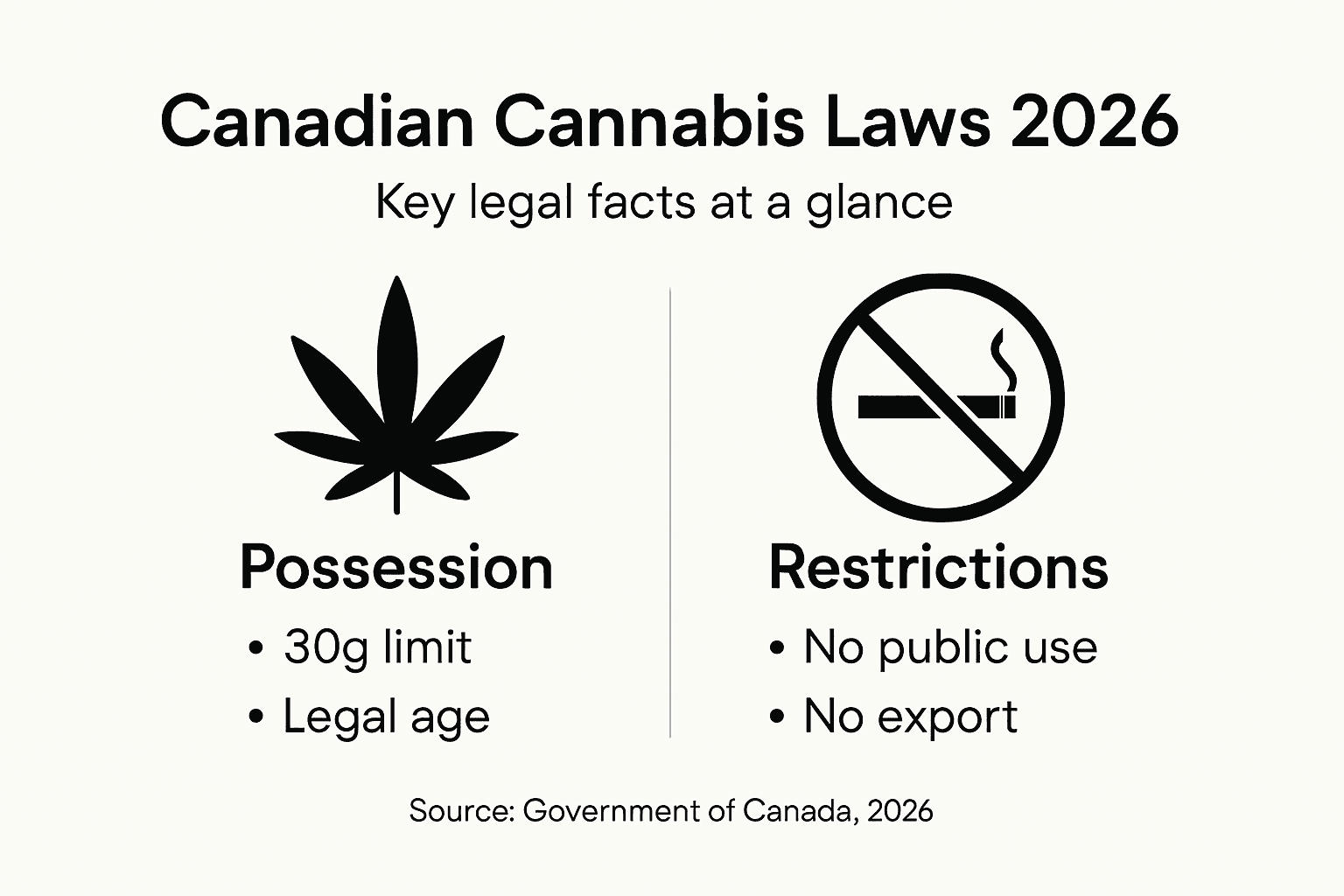
Public consumption restrictions exist in most Canadian jurisdictions, meaning you cannot legally use cannabis in parks, beaches, sidewalks, or other public spaces. These laws aim to protect public health and prevent normalising cannabis use in areas where children are present. Impaired driving laws are equally strict. Operating any vehicle while cannabis impairs your ability to drive safely is illegal and dangerous, carrying penalties comparable to alcohol-related impaired driving. Law enforcement can conduct roadside testing, and conviction results in criminal records, driving suspensions, and substantial fines. Workplace restrictions apply as well. Your employer can maintain drug-free workplace policies and may conduct testing, particularly in safety-sensitive roles. Legal cannabis use does not guarantee employment protection if your workplace prohibits it.
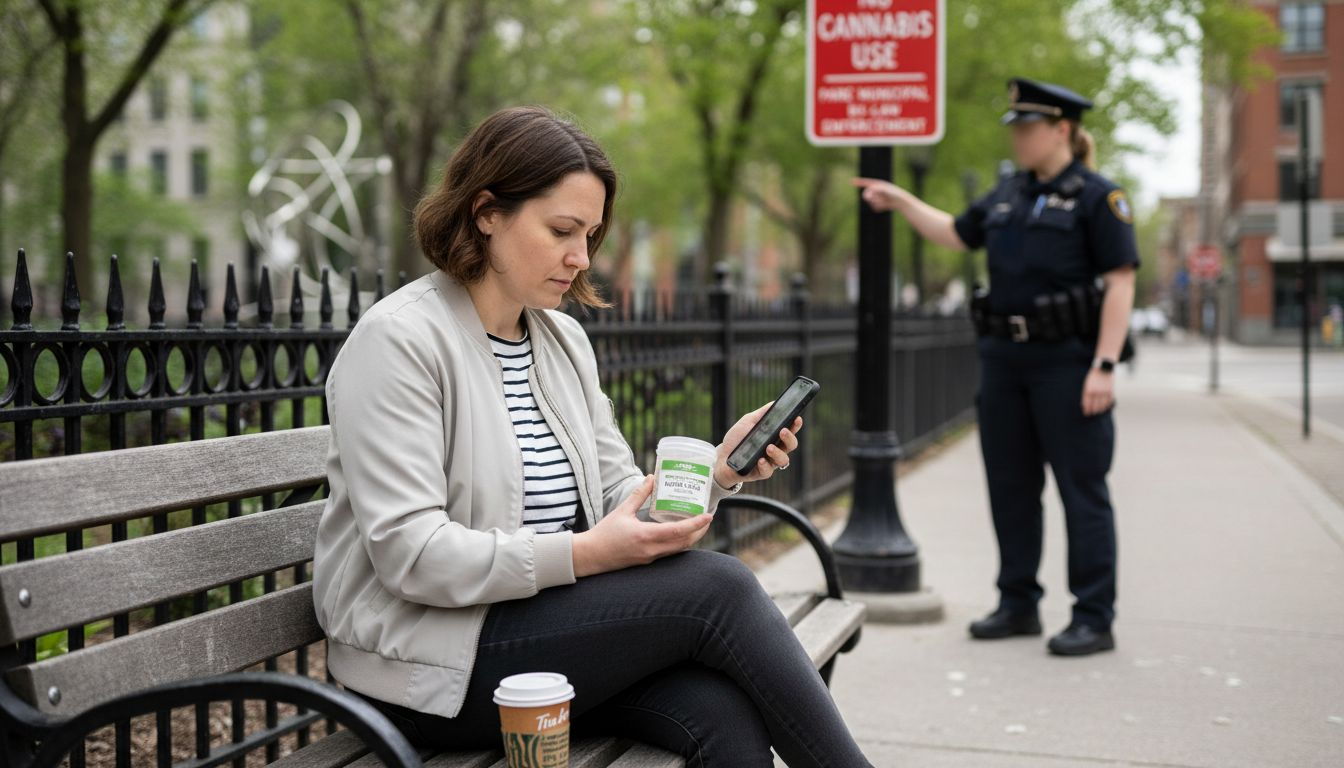
Legal exposure from cannabis violations can include criminal charges, fines ranging from hundreds to thousands of dollars, imprisonment for serious offences like distributing to minors, and a permanent criminal record affecting employment, travel, professional licensing, and housing opportunities. Beyond criminal penalties, civil consequences emerge. A cannabis-related criminal record complicates border crossing, creates challenges obtaining security clearances, and may disqualify you from certain professions including healthcare, education, and law enforcement. Selling cannabis without a licence or growing beyond personal cultivation limits carries enhanced penalties including substantial imprisonment.
The distinction between legal and illegal cannabis activity hinges on specific details: your age, the amount you possess, where you consume it, whether you’re impaired when operating vehicles, and whether you’re buying from licensed sources. These aren’t arbitrary restrictions. They reflect evidence-based policy designed to balance adult access with protecting vulnerable populations and public safety. Cannabis remains a controlled substance with documented effects on judgment, reaction time, and cognitive function, justifying why regulations surrounding use are comprehensive and enforced through criminal law.
Pro tip: If questioned by law enforcement about cannabis possession or use, clearly state you’re exercising your legal rights as an adult, provide only required information, and contact a lawyer immediately if charged, as cannabis offences carry serious consequences warranting professional legal defence.
Understanding Cannabis Legality in Canada today can feel complex given the varying provincial regulations, possession limits and product types approved under the Cannabis Act. If you want to stay fully compliant while enjoying a wide selection of legal cannabis products such as flowers, edibles and concentrates, GreenSociety.cc offers a secure and reliable way to shop online within Canadian legal frameworks.
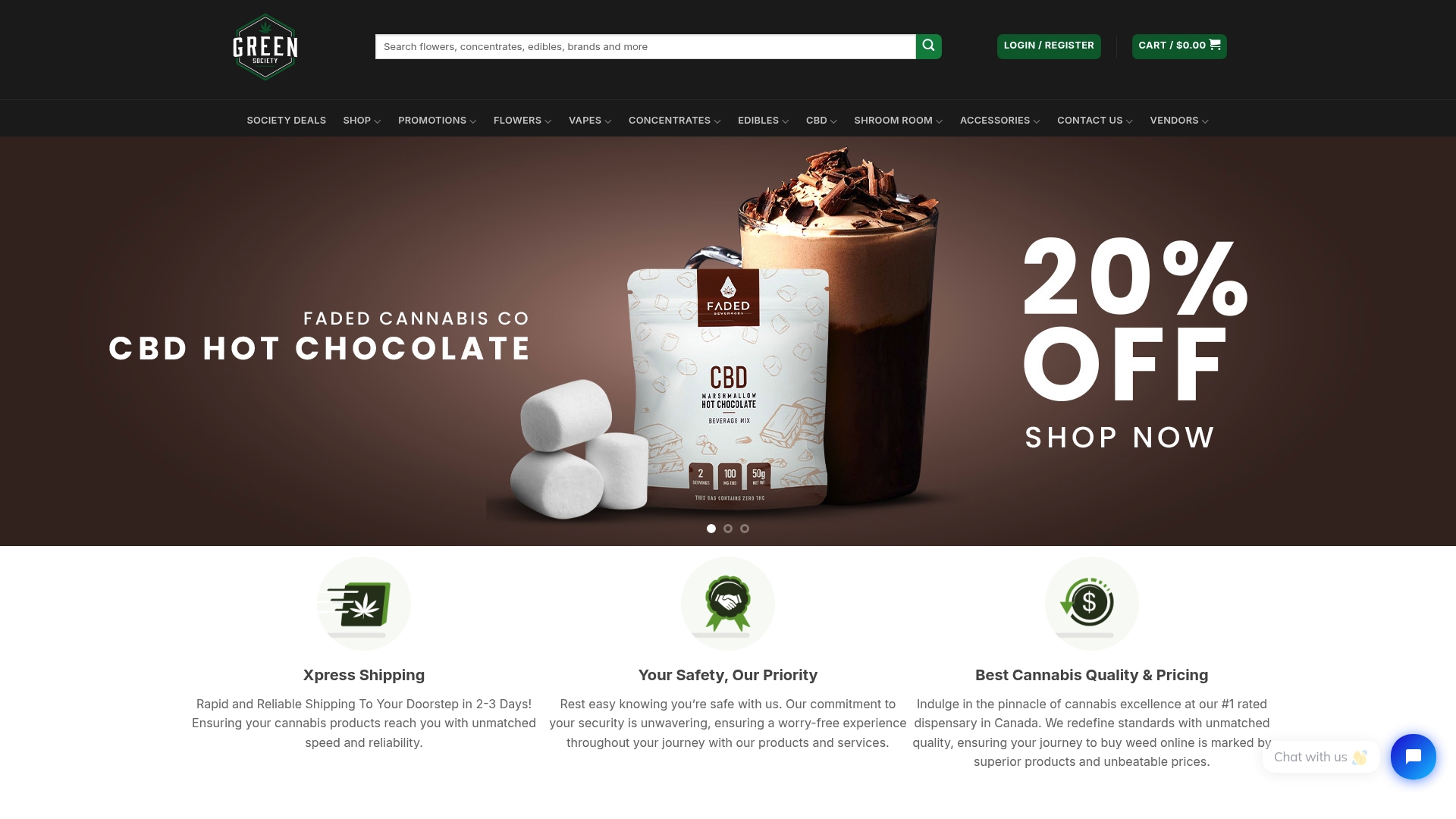
Explore our user-friendly platform where you can browse diverse product categories, benefit from fast discreet delivery, and access trusted vendor partnerships that meet federal safety standards. Make sure your cannabis purchases align with the laws explained in our comprehensive guides by choosing licensed sources. Visit GreenSociety.cc now and experience convenient, legal, and confident cannabis shopping right from your home.
In Canada, legal cannabis products include dried cannabis, fresh cannabis, oils, edibles, concentrates, and seeds for personal cultivation. Each type offers different effects and consumption methods, catering to various preferences and needs.
The effects of cannabis products can differ based on the type consumed. Dried flower provides rapid, short-lived effects, while edibles offer delayed, long-lasting effects. Oils and tinctures allow for steady, controllable dosing, and concentrates deliver strong, efficient effects. Understanding these differences helps users choose products that align with their preferences.
In Canada, the legal age for purchasing cannabis products varies by province, typically set at 18 or 19 years old. It’s important for consumers to verify the specific age requirement in their province before making a purchase to ensure compliance with local laws.
Online cannabis purchases in Canada must be made through licensed retailers operating under provincial regulations. Licensed online stores are required to verify age, enforce purchase limits, and comply with safety packaging standards, ensuring that consumers receive safe and regulated products.