Free Shipping
on orders over $150.00
$0.00
$150.00
Add $150.00 more for free shipping!

Over 70 percent of Canadian adults now live in regions where cannabis regulations have shifted dramatically since 2018. As laws keep changing, the meaning of cannabis legality in 2025 affects everything from how products are bought to who can possess them. This guide breaks down the current legal puzzle so Canadian consumers and industry professionals can make informed decisions about buying, using, or selling cannabis in a rapidly evolving world.
| Point | Details |
|---|---|
| Evolving Legal Frameworks | Cannabis legality in 2025 varies significantly across regions, necessitating an understanding of local regulations regarding consumption and distribution. |
| Types of Cannabis Laws | Global cannabis laws can be categorised into full legalization, medical use authorization, decriminalization, and prohibition, shaping public health and economic dynamics. |
| Online Purchasing Trends | The rise of online cannabis purchases has led to stricter regulations, including age verification and local compliance, varying by jurisdiction. |
| Consumer Protection Strategies | Enhanced consumer protections are implemented through mandatory product testing, potency labelling, and educational programs to ensure safe cannabis use. |
Cannabis legality in 2025 represents a complex landscape of evolving regulatory frameworks and shifting societal attitudes. As more jurisdictions reconsider their stance on cannabis, understanding the legal nuances has become increasingly important for consumers, medical patients, and industry professionals. Global cannabis regulations continue to demonstrate significant variation, with different regions adopting unique approaches to legal cannabis consumption and distribution.
At the core of cannabis legality in 2025 are several key considerations that impact how individuals can purchase, possess, and consume cannabis products. These legal frameworks typically address critical aspects such as age restrictions, possession limits, home cultivation permissions, and regulated retail sales. Most jurisdictions now recognise that blanket prohibition is less effective than carefully structured regulatory systems that prioritize consumer safety, controlled distribution, and harm reduction strategies.
The legal landscape also reflects emerging trends in medical and recreational cannabis use. Countries like Canada have established comprehensive frameworks that distinguish between medical and adult-use cannabis, creating separate regulatory pathways. Medical cannabis continues to receive more lenient treatment, with many jurisdictions maintaining broader access provisions for patients with documented healthcare needs. Cannabis trend analysis for 2025 suggests that regulatory approaches will likely become more nuanced, balancing public health concerns with individual freedoms and economic opportunities.
Practically speaking, cannabis legality in 2025 means different things in different regions. For consumers, this translates to understanding local regulations regarding:
Navigating these legal frameworks requires careful attention to local and regional specific regulations, as cannabis laws continue to evolve rapidly across different jurisdictions.
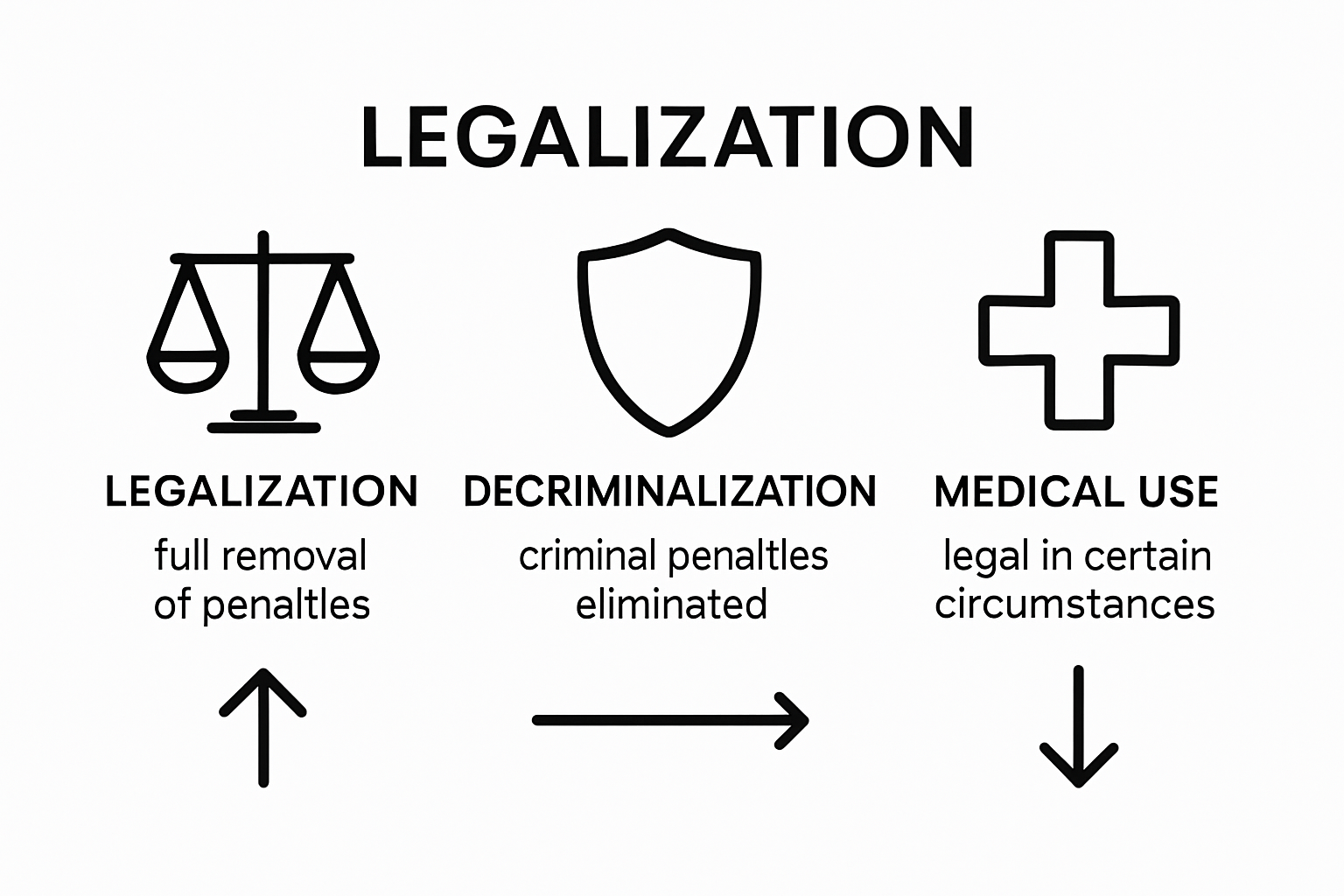
The landscape of global cannabis legislation reveals a complex spectrum of legal approaches, reflecting diverse cultural, political, and social perspectives. Global cannabis laws can be fundamentally categorized into four primary frameworks: full legalization, decriminalization, medical use authorization, and absolute prohibition. Each jurisdiction crafts its approach based on unique considerations of public health, individual rights, economic potential, and social impact.
Full Legalization represents the most progressive legal model, where cannabis is entirely regulated and legally available for both medical and recreational purposes. Countries like Canada and Uruguay have implemented comprehensive systems that permit cultivation, distribution, and consumption under strict governmental oversight. These frameworks typically include age restrictions, quality control measures, taxation protocols, and regulated retail mechanisms that aim to protect consumer safety while generating significant economic revenue.
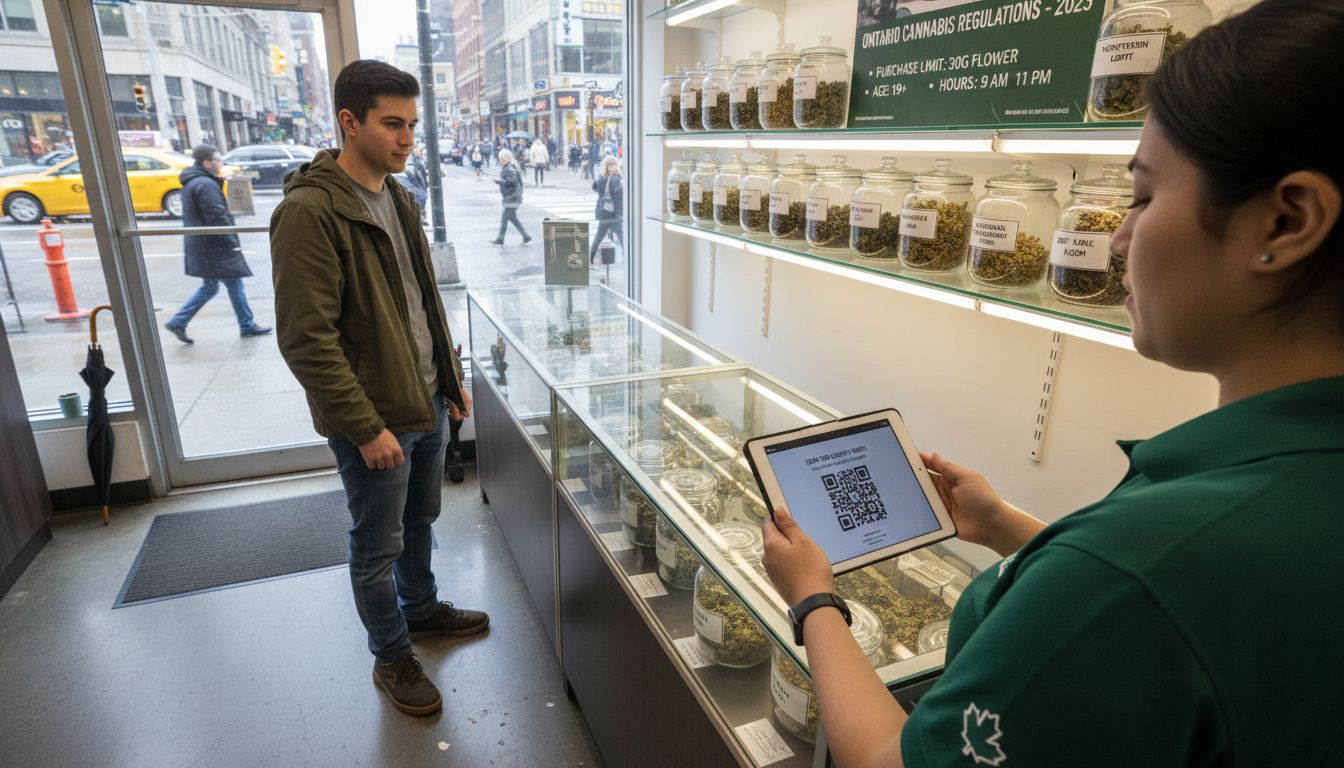
Decriminalization and medical use authorization offer more nuanced legal approaches. Decriminalization reduces criminal penalties for cannabis possession, often treating it as a civil offence rather than a criminal violation. Medical cannabis authorization creates controlled pathways for patients to access cannabis for therapeutic purposes, with healthcare professionals playing a critical role in determining appropriate usage. Provincial cannabis regulations demonstrate how regional variations can significantly impact legal interpretations and implementation.
The global cannabis legal landscape can be summarized through these primary classification types:
Understanding these legal categories helps consumers, healthcare professionals, and industry stakeholders navigate the increasingly complex world of cannabis regulation in 2025.
Online cannabis purchases and delivery regulations in 2025 represent a rapidly evolving landscape of legal frameworks designed to balance consumer convenience with public safety. International cannabis sale restrictions demonstrate the complexity of regulating digital cannabis transactions, with different jurisdictions implementing unique approaches to control distribution and prevent potential misuse.
Digital Cannabis Purchasing has emerged as a significant trend, with many regions developing sophisticated online procurement systems that include robust age verification, purchase tracking, and quantity limitations. These systems typically require customers to create verified accounts, provide government-issued identification, and adhere to strict regional purchasing guidelines. Cannabis delivery regulations have become increasingly sophisticated, incorporating advanced tracking technologies and stringent verification processes to ensure legal compliance.
Regulatory approaches vary significantly across different jurisdictions. Some countries have implemented strict controls that limit online sales to specific licensed providers, while others maintain more flexible frameworks. For instance, countries like Germany have recently introduced legislation restricting online cannabis sales, mandating in-person consultations and prohibiting mail-order deliveries to ensure proper medical oversight. Prescription-based systems are becoming more prevalent, with some regions requiring detailed medical documentation and monthly reporting for controlled cannabis purchases.
Key considerations for online cannabis purchases in 2025 include:
Navigating these complex regulations requires consumers to stay informed about the specific legal frameworks in their respective jurisdictions, as online cannabis purchasing continues to evolve with changing legislative landscapes.
The cannabis industry in 2025 presents a complex tapestry of licensing, taxation, and regional regulatory frameworks that dramatically shape market dynamics. Agricultural research initiatives demonstrate how governments are strategically developing comprehensive approaches to cannabis regulation, balancing economic opportunities with careful scientific oversight.
Licensing Frameworks have become increasingly sophisticated, with most jurisdictions implementing multi-tiered systems that distinguish between cultivation, processing, distribution, and retail operations. These licensing models typically require extensive background checks, substantial financial investments, and ongoing compliance monitoring. Provincial cannabis regulations reveal the intricate nature of these frameworks, where each region develops nuanced approaches reflecting local economic and social considerations.
Taxation strategies for cannabis represent another critical dimension of regional variation. Different jurisdictions have developed unique approaches to generating revenue while simultaneously controlling market dynamics. Some regions implement tiered tax structures based on product potency, cultivation method, or intended use (medical versus recreational). Others focus on creating progressive taxation models that support local healthcare, education, and social programs. The volatility of cannabis regulations is evident in sudden policy shifts, such as Thailand’s recent move to recriminalize cannabis, highlighting the potential for rapid legislative changes.
Key considerations in cannabis licensing and taxation include:
Understanding these complex regulatory landscapes requires continuous monitoring of local and national policy developments, as the cannabis industry remains dynamic and subject to significant legislative evolution.
Cannabis consumption patterns in 2025 reveal complex legal landscapes that balance individual freedoms with public health considerations. The evolving regulatory environment demonstrates a nuanced approach to managing potential risks associated with cannabis consumption, focusing on protecting consumers while maintaining realistic legal frameworks.
Consumer Protection Mechanisms have become increasingly sophisticated, with jurisdictions implementing comprehensive strategies to mitigate potential harm. These approaches typically include strict product testing requirements, potency labelling standards, age verification protocols, and public education initiatives. Cannabis shipping regulations now incorporate advanced tracking systems that ensure product quality, safety, and legal compliance throughout the distribution process.
Penalty structures vary significantly across different regions, reflecting diverse approaches to regulatory enforcement. Some jurisdictions maintain strict criminal penalties for unauthorized sales and distribution, while others focus on civil fines and administrative sanctions. For instance, countries like Thailand have implemented severe penalties, including potential jail terms and substantial financial penalties for violations of cannabis regulations. These penalty frameworks aim to discourage illegal activities while providing clear guidelines for legal cannabis commerce.
Key consumer protection and risk mitigation strategies include:
Navigating these complex legal landscapes requires consumers to remain informed about local regulations, understanding that cannabis laws continue to evolve rapidly across different jurisdictions.
Understanding the complexities of cannabis legality in 2025 can be challenging. From varying possession limits to different regulations around online purchases and delivery, staying informed is essential. Whether you face restrictions on age, home cultivation, or medical versus recreational use, knowing where and how to buy cannabis legally should never be a source of stress. GreenSociety.cc helps you overcome these common challenges by offering a reliable online platform tailored to regions where cannabis sales are permitted.
Discover a wide selection of cannabis products with verified quality and discreet delivery options. Our website keeps you updated on relevant regulatory nuances and provides seamless shopping to ensure you comply with local laws. Take control today and shop safely at GreenSociety.cc for flowers, edibles, concentrates, and more.
Explore the benefits of buying cannabis online within legal boundaries by visiting GreenSociety.cc. Your legal cannabis journey starts with a trusted partner who understands 2025’s evolving laws and consumer protections.
Cannabis legality in 2025 is influenced by factors such as age restrictions, possession limits, home cultivation permissions, and regulated retail sales. Jurisdictions are increasingly shifting towards carefully structured regulatory systems that prioritize consumer safety and harm reduction.
Medical cannabis regulations typically offer broader access provisions for patients with documented healthcare needs, while recreational cannabis is regulated for adult use. Countries have started to establish distinct pathways for both categories, allowing for tailored regulations that address specific usage needs.
Risks include penalties for unauthorized sales, potential legal repercussions for exceeding possession limits, and health risks from unregulated products. Consumer protections, such as mandatory product testing and age verification, are designed to mitigate these risks.
Consumers should be aware of local regulations regarding maximum possession quantities, permitted consumption locations, home cultivation allowances, and the purchasing mechanisms available, as these legal frameworks can vary significantly from one jurisdiction to another.