Free Shipping
on orders over $150.00
$27.00
$150.00
Add $123.00 more for free shipping!


Over 90% of modern legal market strains are hybrids, yet most consumers still rely on outdated indica and sativa labels to predict effects. This widespread crossbreeding means traditional categories rarely reflect what you’ll actually experience. Understanding hybrid cannabis strains, how they’re created, and what truly drives their effects empowers you to make informed choices for recreational enjoyment or medicinal relief. This guide clarifies hybrid classifications, debunks common myths, and reveals the chemical profiles that matter most when selecting strains.
| Point | Details |
|---|---|
| Market hybrids dominate | Over 90 percent of modern legal market strains are hybrids, and traditional indica and sativa labels often fail to predict effects. |
| Chemical profiles matter | Lab tested cannabinoid and terpene data are more reliable than strain names for predicting effects. |
| Hybrid creation process | Breeders select parent plants, cross them, and stabilize them over generations to produce stable hybrids with predictable traits. |
| Dominance labels limited | Indica dominant, sativa dominant, and balanced categories guide expectations but do not reliably predict effects. |
Hybrid cannabis strains are created by intentionally crossbreeding indica and sativa varieties or other hybrids to combine desirable traits like potency, flavour, yield, and growth characteristics. This process allows breeders to engineer plants that deliver specific effects, adapt to different growing conditions, or produce higher concentrations of particular cannabinoids and terpenes.
The breeding methodology involves selecting parent plants, pollinating, and stabilising through multiple generations. Here’s how breeders develop stable hybrid strains:
Stabilising traits ensures consistency in effects and plant characteristics across harvests. Without this multi-generation process, you’d encounter significant variation between plants from the same strain name. Common breeding goals include maximising cannabinoid content, developing unique terpene profiles for distinctive flavours and aromas, improving pest and disease resistance, and optimising yield for commercial cultivation.
Pro Tip: When selecting hybrids, lab-tested profiles are more reliable than names alone. Two strains with identical names from different growers can have vastly different chemical compositions due to breeding variations and growing conditions. Always prioritise verified cannabinoid and terpene data over marketing labels.
Understanding hybrid cannabis explained helps you recognise that strain names are starting points, not guarantees. The cannabis hybridisation explained process reveals why chemical testing matters more than genetic lineage when predicting your experience.
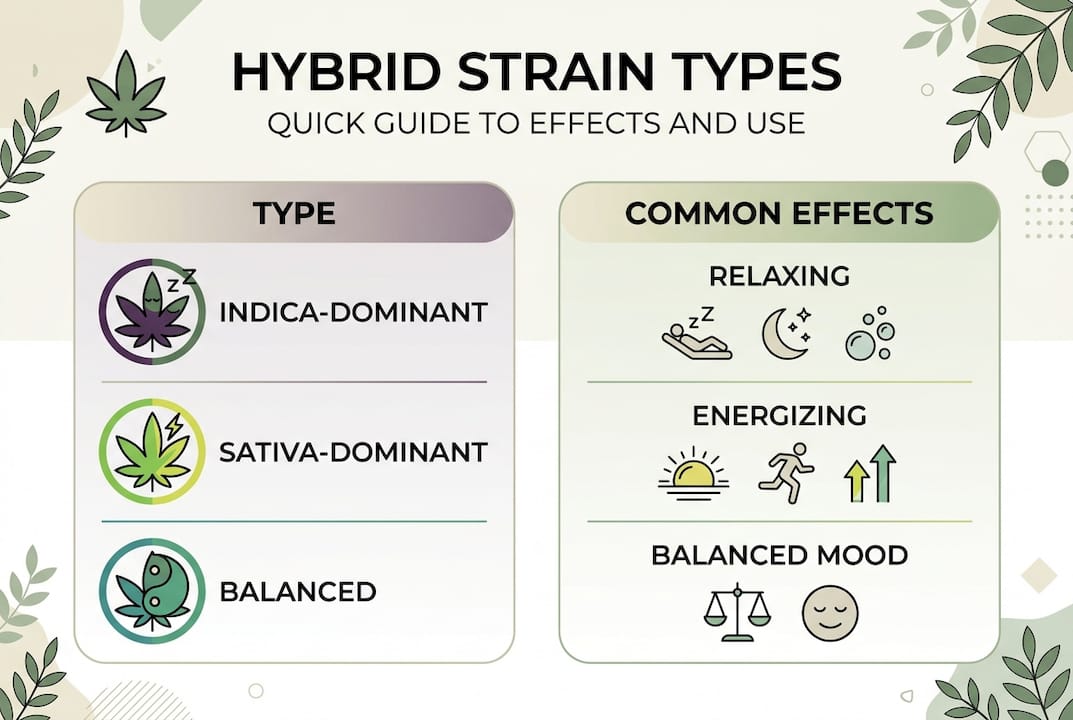
Hybrids are classified by dominance ratios affecting relaxation versus energy effects, typically expressed as percentages like 70/30 indica/sativa. These categories help consumers navigate the overwhelming variety of available strains by providing a general framework for expected effects, though they’re far from perfect predictors.
The three main hybrid categories reflect different genetic balances:
| Hybrid type | Typical genetic ratio | Common effects | Typical use cases |
|---|---|---|---|
| Indica-dominant | 70/30 indica/sativa | Body relaxation, sedation, appetite stimulation | Evening use, sleep support, pain relief |
| Sativa-dominant | 70/30 sativa/indica | Mental energy, focus, creativity | Daytime activities, social situations, productivity |
| Balanced | 50/50 indica/sativa | Mixed relaxation and alertness | Versatile use, mood enhancement, mild relief |
These categories relate to traditional expectations built over decades of cannabis culture. Consumers expect indica for relaxation and sativa for energy based on historical anecdotal reports. However, limitations of these labels emerge from extensive market hybridisation. Nearly all modern strains carry mixed genetics, making pure indica or sativa characteristics increasingly rare.
Several factors influence effects beyond dominance ratios:
Understanding indica sativa differences provides historical context, but modern science reveals these distinctions are less clear-cut than once believed. A comprehensive hybrid cannabis strains guide explores how genetic ratios interact with chemical profiles to shape your experience. The hybrid classification chart offers visual guidance for navigating these categories, though it’s crucial to remember that chemical composition ultimately determines effects more accurately than genetic percentages.

Labels are inaccurate in over 60% of cases; terpenes predict effects better than indica/sativa genetics. This finding challenges decades of cannabis culture and marketing, revealing that what you experience depends far more on chemical composition than genetic lineage. Scientific evidence shows traditional labels are poor predictors of effects because they focus on plant morphology rather than pharmacologically active compounds.
Terpenes and cannabinoids create an entourage effect driving user experiences through complex interactions between compounds. THC and CBD ratios determine potency and psychoactive intensity, while terpenes modulate these effects and contribute their own therapeutic properties. This synergy means a high-THC strain with myrcene produces vastly different effects than the same THC level with limonene.
Common terpenes and their typical impacts include:
“The chemical diversity within cannabis strains means that relying solely on indica or sativa classifications provides minimal guidance for predicting therapeutic or recreational effects. Cannabinoid and terpene profiles offer far more reliable indicators of how a particular strain will affect individual users.”
Pro Tip: Always check lab reports for cannabinoid and terpene profiles rather than relying solely on strain names. Two batches of the same named strain from different growers can have completely different chemical makeups, leading to inconsistent experiences. Reputable dispensaries provide certificates of analysis showing exact percentages of active compounds.
Understanding the entourage effect explained reveals why whole-plant cannabis often produces different results than isolated cannabinoids. A comprehensive THC vs CBD guide helps you understand how these primary cannabinoids interact with terpenes to create unique effect profiles. Research on the indica sativa myth science demonstrates that botanical classifications don’t align with pharmacological effects, supporting the shift toward chemical-based selection methods.
Selecting the best hybrid strain for your needs requires moving beyond marketing labels to focus on verified chemical profiles and personal response patterns. Whether you’re seeking recreational enjoyment or medicinal relief, a systematic approach helps you identify strains that consistently deliver desired effects.
Follow these steps for informed hybrid selection:
Recreational users benefit from understanding balanced, indica-dominant, or sativa-dominant classifications as general starting points. If you want evening relaxation without complete sedation, a balanced hybrid with moderate THC and calming terpenes like linalool might suit you better than a heavy indica-dominant strain. For social situations or creative activities, sativa-dominant hybrids with energising terpenes like limonene and pinene often provide mental stimulation without anxiety.
Medicinal considerations require extra attention to chemical precision. Start low-dose for medicinal use and prioritise lab-tested profiles to ensure consistent therapeutic effects. Consult healthcare providers familiar with cannabis medicine before using strains for specific conditions, particularly if you take other medications that might interact with cannabinoids. Monitor both cannabinoid and terpene profiles across successful treatments to identify patterns that work for your unique physiology.
Clinical evidence supporting anti-inflammatory and pain relief properties of hybrids continues to emerge. Hybrid extracts show synergistic effects for pain relief and inflammation through the entourage effect, though outcomes vary significantly between individuals. Recent hybrid cannabis clinical trials demonstrate promising results for certain conditions while highlighting the importance of personalised approaches based on individual endocannabinoid system variations.
Pro Tip: Keep a usage journal to track which hybrids and profiles work best for your goals. Record strain names, chemical compositions, dosages, consumption methods, timing, and detailed effect notes. Over time, you’ll identify patterns that guide future selections far more accurately than generic recommendations or marketing claims.
Exploring resources on choosing cannabis strains provides additional frameworks for matching chemical profiles to desired outcomes. A detailed hybrid strains guide offers strain-specific information to support your selection process.
Now that you understand how hybrid cannabis strains work and what drives their effects, you’re ready to apply this knowledge to your personal cannabis journey. Green Society offers comprehensive resources to deepen your understanding and enhance your experience.
Our hybrid cannabis strains guide provides detailed profiles of popular hybrids, including lab-tested cannabinoid and terpene data to support informed decisions. Whether you’re selecting flower for the first time or refining your preferences, our cannabis flower checklist walks you through essential evaluation criteria.

Beyond strain selection, the right accessories significantly impact your consumption experience. Our cannabis accessories guide covers everything from grinders and storage solutions to vaporisers and consumption tools designed to preserve terpene profiles and optimise effects. Green Society combines educational resources with quality products, supporting both newcomers and experienced users in making choices aligned with their goals.
Hybrid cannabis strains are plants bred by crossing indica and sativa varieties to combine desirable traits from both genetic lineages. They dominate the legal market, with over 90% of available strains containing mixed genetics. Effects vary widely based on specific cannabinoid and terpene profiles rather than genetic ratios alone.
Hybrids combine genetics from both indica and sativa parents, usually resulting in mixed effects that don’t fit neatly into traditional categories. Pure indica or sativa strains are extremely rare in modern legal markets due to decades of intentional crossbreeding. Most strains labelled as indica or sativa are actually indica-dominant or sativa-dominant hybrids.
Indica and sativa labels are inaccurate in over 60% of cases because effects depend more on cannabinoid concentrations and terpene profiles than genetic lineage. Recent research demonstrates that chemical composition predicts experiences far more reliably than botanical classifications. Always prioritise lab-tested profiles over traditional labels when selecting strains.
Beginners should start with low doses and prioritise lab-tested cannabinoid and terpene profiles over strain names or genetic classifications. Identify your desired effects, whether relaxation, energy, or balance, then select strains with chemical profiles supporting those goals. Consult reliable resources like choosing cannabis strains or speak with knowledgeable budtenders if you’re uncertain about where to begin.
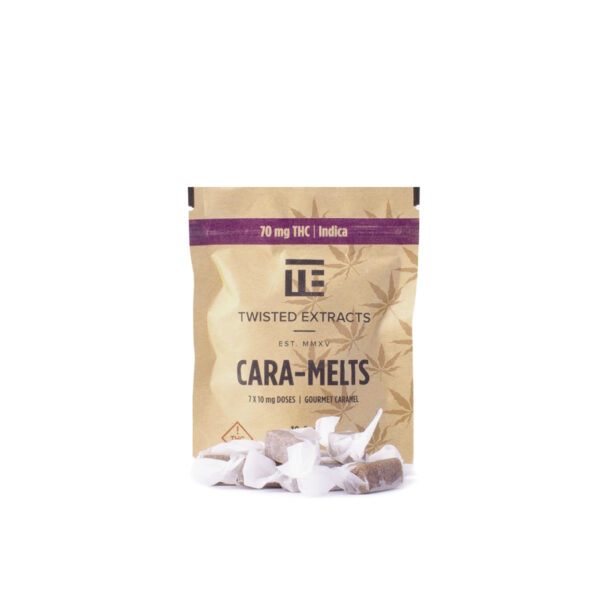 Twisted Extracts Indica Cara-Melts
 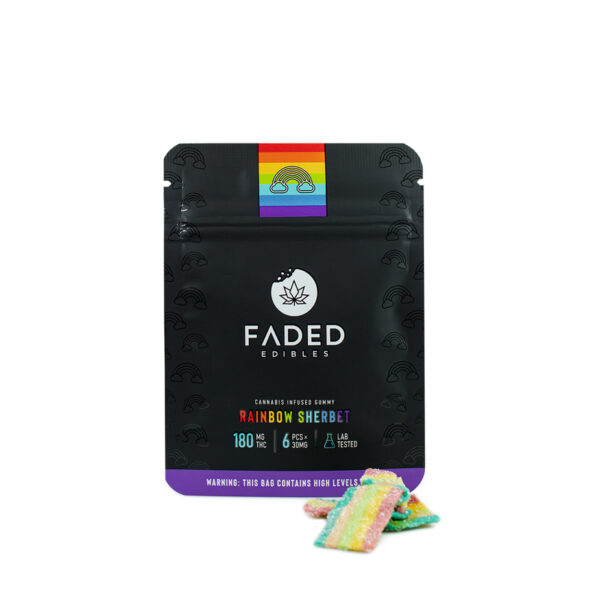 Faded Cannabis Co. Rainbow Sherbet Belts