Integrating cannabis into your wellness routine requires careful consideration of emerging trends, product types, and personalised dosing strategies. Health-conscious adults increasingly seek evidence-based approaches to harness cannabis benefits while minimising risks. Understanding the latest research on cannabinoid ratios, product formulations, and safety protocols empowers you to make informed decisions that align with your physical and mental health goals. This article explores the top cannabis wellness trends shaping 2026, key criteria for safe integration, and practical guidance to help you navigate the evolving landscape of cannabis-enhanced well-being.
Table of Contents
Key Takeaways
| Point |
Details |
| Personalised THC CBD ratios |
Starting with low doses and careful titration helps identify the minimum effective dose while minimising unwanted effects. |
| Balanced formulations dominate trends |
CBD dominant and balanced products are increasingly popular for wellness, offering fewer psychoactive effects. |
| High THC risks |
High THC products may offer modest pain relief but increase cognitive impairment and anxiety in some users. |
| Safety focused dosing |
A safety checklist and ongoing monitoring provide responsible cannabis integration. |
Key criteria for integrating cannabis into your wellness routine
Selecting the right cannabis products for your wellness goals demands a systematic evaluation framework. You need to consider multiple factors that influence both efficacy and safety. The most critical element is understanding how different cannabinoid ratios affect your specific symptoms and overall well-being.
Personalised THC:CBD ratios effectively improve symptoms and reduce pharmaceutical use when properly titrated. This individualised approach recognises that no single formulation works optimally for everyone. Your ideal ratio depends on factors including your endocannabinoid system sensitivity, symptom severity, previous cannabis exposure, and therapeutic objectives.
When evaluating cannabis wellness options, prioritise these essential criteria:
- Symptom-specific effectiveness for pain, sleep disturbances, anxiety, or chronic fatigue
- Side effect profile including cognitive impairment, drowsiness, or appetite changes
- Potential to reduce dependency on conventional pharmaceuticals
- Quality assurance through third-party testing and transparent sourcing
- Delivery method suitability for your lifestyle and preferences
Start with low doses and gradually increase whilst monitoring your response. This titration process helps you identify the minimum effective dose that delivers benefits without unwanted effects. Keep a wellness journal tracking dosage, timing, symptom changes, and any adverse reactions. This documentation proves invaluable for refining your approach over time.
Pro Tip: Begin your cannabis wellness journey with a balanced 1:1 THC:CBD ratio, then adjust based on your response. If you experience excessive psychoactive effects, increase the CBD proportion. For insufficient symptom relief, carefully titrate THC upward whilst maintaining safety margins.
Safety considerations must guide every decision in your cannabis wellness practise. Consult the cannabis wellness checklist safe effective use 2026 to ensure you address all critical factors before beginning or modifying your regimen. Informed dosing, awareness of contraindications, and ongoing monitoring form the foundation of responsible cannabis integration.
Popular cannabis wellness trends and products in 2025
The cannabis wellness landscape continues evolving rapidly as research expands and consumer preferences shift. Several key trends dominate the market, each offering distinct advantages for health-conscious adults seeking natural alternatives.
High-THC products offer modest short-term chronic pain relief but increase side effects compared to balanced formulations. Despite their popularity, these potent options require careful consideration of the risk-benefit equation. Many users report improved pain management but struggle with cognitive fog, coordination issues, or heightened anxiety.
Balanced and CBD-dominant products represent the fastest-growing segment. These formulations appeal to consumers prioritising wellness benefits without significant psychoactive effects. CBD-only products show promise for specific applications, though evidence for pain relief remains less robust than for balanced ratios.
Popular product categories reshaping cannabis wellness include:
- Edibles offering precise dosing and extended duration of effects
- Vaporisers providing rapid onset and easy dose titration
- Topicals delivering localised relief without systemic effects
- Tinctures enabling sublingual absorption and flexible dosing
- Capsules ensuring consistent cannabinoid delivery
Personalised formulation protocols represent the cutting edge of cannabis wellness. Rather than one-size-fits-all products, sophisticated consumers now seek customised cannabinoid profiles matched to their unique biochemistry and therapeutic needs. This trend reflects growing recognition that individual variation significantly impacts cannabis response.
To implement a personalised approach effectively:
- Assess your baseline symptoms and wellness objectives
- Select an initial cannabinoid ratio based on your primary concerns
- Begin with low doses and document your response meticulously
- Adjust ratios and dosages systematically based on outcomes
- Consult resources like thc vs cbd differences to deepen your understanding
- Explore various ways to ingest cbd to find optimal delivery methods
The trend towards micro-dosing has gained substantial traction amongst wellness-focused users. This approach involves consuming sub-psychoactive doses throughout the day to maintain therapeutic cannabinoid levels without impairment. Micro-dosing particularly appeals to professionals seeking wellness benefits whilst maintaining full cognitive function.

Another emerging trend involves combining cannabis with complementary wellness practises. Users increasingly integrate cannabis into yoga, meditation, massage therapy, and fitness routines. This holistic approach recognises that cannabis works synergistically with other wellness modalities to enhance overall outcomes.
Comparison of cannabis wellness products and their benefits
Understanding how different cannabis products and formulations compare helps you make strategic choices aligned with your wellness priorities. Each option presents distinct advantages and limitations worth evaluating.
| Product type |
Primary benefits |
Considerations |
Best for |
| High-THC edibles |
Strong pain relief, sleep support |
Delayed onset, side effects, impairment |
Severe chronic pain, insomnia |
| Balanced THC:CBD tinctures |
Versatile symptom relief, minimal side effects |
Requires titration, variable absorption |
General wellness, multiple symptoms |
| CBD-dominant topicals |
Localised relief, no psychoactive effects |
Limited systemic benefits |
Joint pain, muscle soreness, skin conditions |
| Vaporised balanced ratios |
Rapid onset, easy dose control |
Respiratory considerations |
Acute symptom management, flexible dosing |
| CBD capsules |
Consistent dosing, convenient |
Slower onset, less customisable |
Daily wellness maintenance, anxiety |
Cannabis use related to lower peripheral inflammation and higher physical activity levels demonstrates the broader wellness potential beyond symptom-specific relief. This anti-inflammatory effect may contribute to improved exercise recovery, enhanced mobility, and better overall physical function. Active individuals increasingly incorporate cannabis into their fitness regimens to support performance and recovery.
The effectiveness versus side effect profile varies dramatically across cannabinoid ratios. High-THC formulations deliver more potent acute effects but come with greater risks of cognitive impairment, coordination issues, and psychological distress. Balanced ratios typically provide meaningful symptom relief whilst minimising adverse reactions, making them ideal for daily wellness use.
Mental health considerations significantly influence product selection. Whilst some users report mood improvements and anxiety reduction, others experience increased anxiety or paranoia, particularly with high-THC products. CBD-rich formulations generally present lower mental health risks whilst potentially offering anxiolytic benefits.
Pro Tip: Match your product selection to your daily rhythm. Use fast-acting vaporised products for breakthrough symptoms, sustained-release edibles for overnight relief, and consistent-dose capsules for baseline wellness maintenance throughout the day.
For comprehensive guidance on cannabinoid differences and applications, explore the complete guide to thc and cbd. This resource provides detailed comparisons to inform your product choices.
Optimising wellness whilst minimising adverse effects remains the ultimate goal. This requires ongoing assessment of your response patterns, willingness to adjust your approach, and commitment to evidence-based decision-making. No single product or ratio works optimally for everyone, so personalisation proves essential.
Choosing the right cannabis wellness trend for your needs
Selecting appropriate cannabis wellness approaches demands honest assessment of your individual circumstances, health status, and objectives. Several factors should guide your decision-making process.
Before starting cannabis for wellness purposes, evaluate these risk factors:
- Personal or family history of mental health conditions, particularly psychosis or schizophrenia
- Current medications that may interact with cannabinoids
- Cardiovascular conditions that could be affected by cannabis use
- Pregnancy, breastfeeding, or plans to conceive
- Occupations or activities requiring peak cognitive performance
- Legal considerations in your jurisdiction
Mental health effects mixed across different users and formulations, with CBD potentially reducing anxiety at specific doses but high-THC products carrying risks including dependence and psychosis. This variability underscores the importance of starting conservatively and monitoring your psychological response closely.
Safe use guidance centres on several core principles. Begin with the lowest effective dose and increase gradually only when necessary. Choose products from reputable sources with transparent testing and quality assurance. Avoid combining cannabis with alcohol or other substances that may amplify effects unpredictably. Never operate vehicles or machinery whilst impaired.
Personalised THC:CBD balancing enables targeted symptom management. If pain relief is your primary goal, you might require higher THC levels than someone focused on anxiety reduction. Sleep support often responds well to moderate THC combined with sedating terpenes. Inflammation management may benefit from CBD-dominant formulations with minimal psychoactive effects.
Key considerations for different wellness goals:
- Pain management: Balanced to THC-dominant ratios, multiple daily doses, combination with topicals
- Sleep improvement: Moderate THC with sedating terpenes, evening dosing, consistent timing
- Anxiety reduction: CBD-dominant formulations, micro-dosing throughout day, avoiding high-THC products
- Inflammation control: CBD-rich products, consistent daily use, integration with anti-inflammatory diet
- Physical performance: Low-dose balanced ratios, timing around workouts, focus on recovery support
A holistic wellness approach integrates cannabis with other health-promoting practises. Regular physical activity, stress management techniques, adequate sleep hygiene, and nutritious eating all complement cannabis benefits. Cannabis works best as one component of a comprehensive wellness strategy rather than a standalone solution.
For practical implementation guidance, review safe medical cannabis use tips to ensure you address all critical safety considerations. These evidence-based recommendations help you avoid common pitfalls whilst maximising therapeutic potential.
Recognise when cannabis may not be appropriate for your situation. If you have active substance use disorders, severe mental health conditions, or significant cardiovascular disease, consult healthcare professionals before proceeding. Cannabis offers genuine wellness benefits for many people but is not universally suitable or risk-free.
Explore cannabis wellness products and guides at Green Society
Navigating the expanding cannabis wellness landscape becomes simpler with trusted resources and quality products designed for health-conscious consumers. Green Society provides comprehensive educational materials alongside carefully curated product selections to support your wellness journey.
Discover evidence-based approaches through the cannabis wellness checklist safe effective use 2026, which outlines essential considerations for responsible integration. This practical resource helps you avoid common mistakes whilst optimising your wellness outcomes.
Expand your cannabis culinary skills with cannabis edible recipes and tips that transform wellness into an enjoyable daily practise. Homemade edibles offer precise dose control and cost-effectiveness compared to commercial alternatives. Explore diverse CBD product options through the guide to cbd product types, helping you identify formats best suited to your preferences and lifestyle. Whether you prefer convenient capsules, fast-acting tinctures, or soothing topicals, understanding your options empowers better decision-making.
Frequently asked questions
What is the ideal THC to CBD ratio for wellness?
The ideal ratio varies significantly between individuals based on your endocannabinoid system, symptoms, and tolerance. Personalised ratios around 3.3:1 CBD:THC showed multi-symptomatic benefits in clinical observations. Start with a balanced 1:1 ratio and adjust based on your response, increasing CBD if you experience excessive psychoactive effects or carefully titrating THC upward for insufficient symptom relief.
Can cannabis help reduce anxiety without side effects?
Limited evidence supports CBD for anxiety relief at controlled doses, typically in the range of 300-600mg for acute situations. CBD at specific doses reduces anxiety but high-THC poses risks including dependence and psychosis. Avoid high-THC products if anxiety management is your primary goal, as these formulations may paradoxically increase anxiety in susceptible individuals. Start with CBD-dominant products and monitor your response carefully.
How can I safely use cannabis for wellness benefits?
Safe cannabis wellness practise begins with low doses and gradual titration whilst monitoring your response. Customise your THC:CBD ratio based on symptom patterns and side effect tolerance. Follow comprehensive safety protocols outlined in the cannabis wellness checklist safe effective use 2026. Always source products from reputable suppliers with transparent testing, avoid combining with alcohol or other substances, and consult healthcare professionals if you have pre-existing conditions.
Emerging research suggests cannabis users demonstrate lower inflammation markers and increased physical activity levels, potentially supporting exercise recovery and performance. CBD’s anti-inflammatory properties may reduce post-workout soreness and accelerate healing. However, THC can impair coordination and reaction time, so timing and dosage prove critical. Consider CBD-dominant formulations before activities requiring precision, reserving balanced ratios for post-workout recovery periods.
What are the risks of long-term cannabis wellness use?
Long-term risks include potential tolerance development requiring dose escalation, possible psychological dependence particularly with high-THC products, and uncertain effects on cognitive function with chronic heavy use. Respiratory concerns arise with smoked or vaporised cannabis. Mental health risks increase with high-potency THC products, especially in individuals with genetic vulnerability. Balanced, moderate-dose approaches with regular tolerance breaks minimise these risks whilst preserving wellness benefits. Regular health monitoring and honest self-assessment help you maintain a sustainable, beneficial relationship with cannabis wellness practises.
Recommended

 Twisted Extracts Black Cherry ZZZ Bomb
$12.00
Twisted Extracts Black Cherry ZZZ Bomb
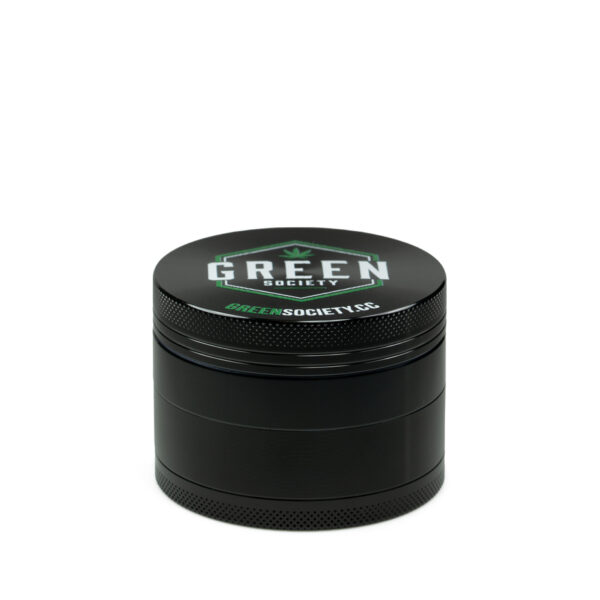
$12.00 Green Society Herb Grinder
$40.00
Green Society Herb Grinder
$40.00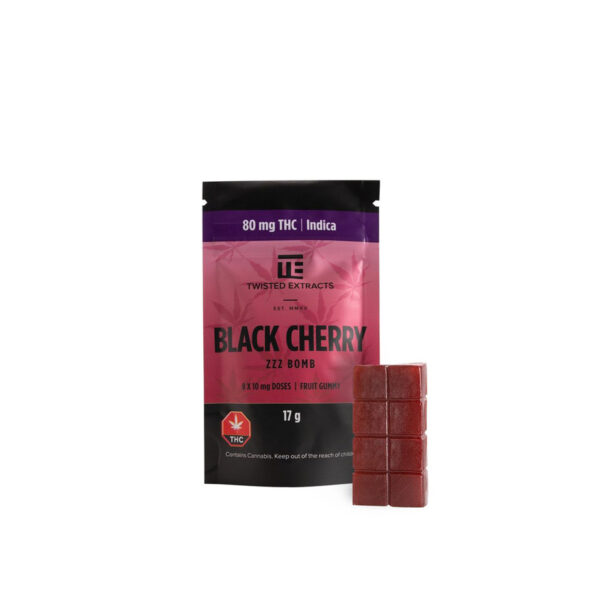 Twisted Extracts Black Cherry ZZZ Bomb
 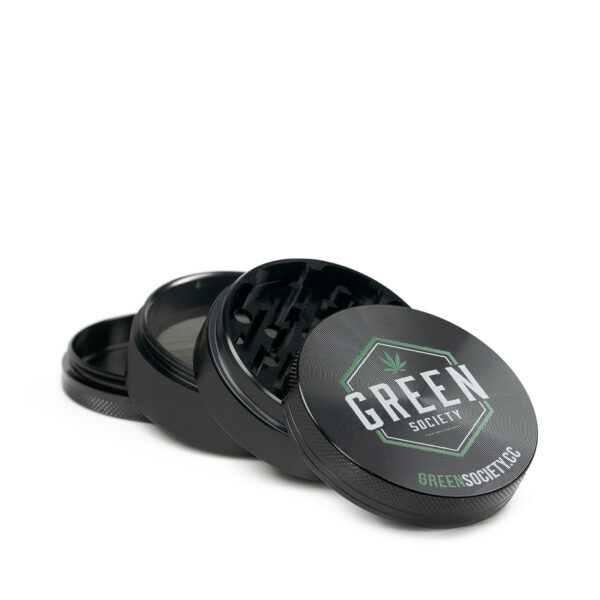 Green Society Herb Grinder