Free Shipping
on orders over $150.00
$0.00
$150.00
Add $150.00 more for free shipping!

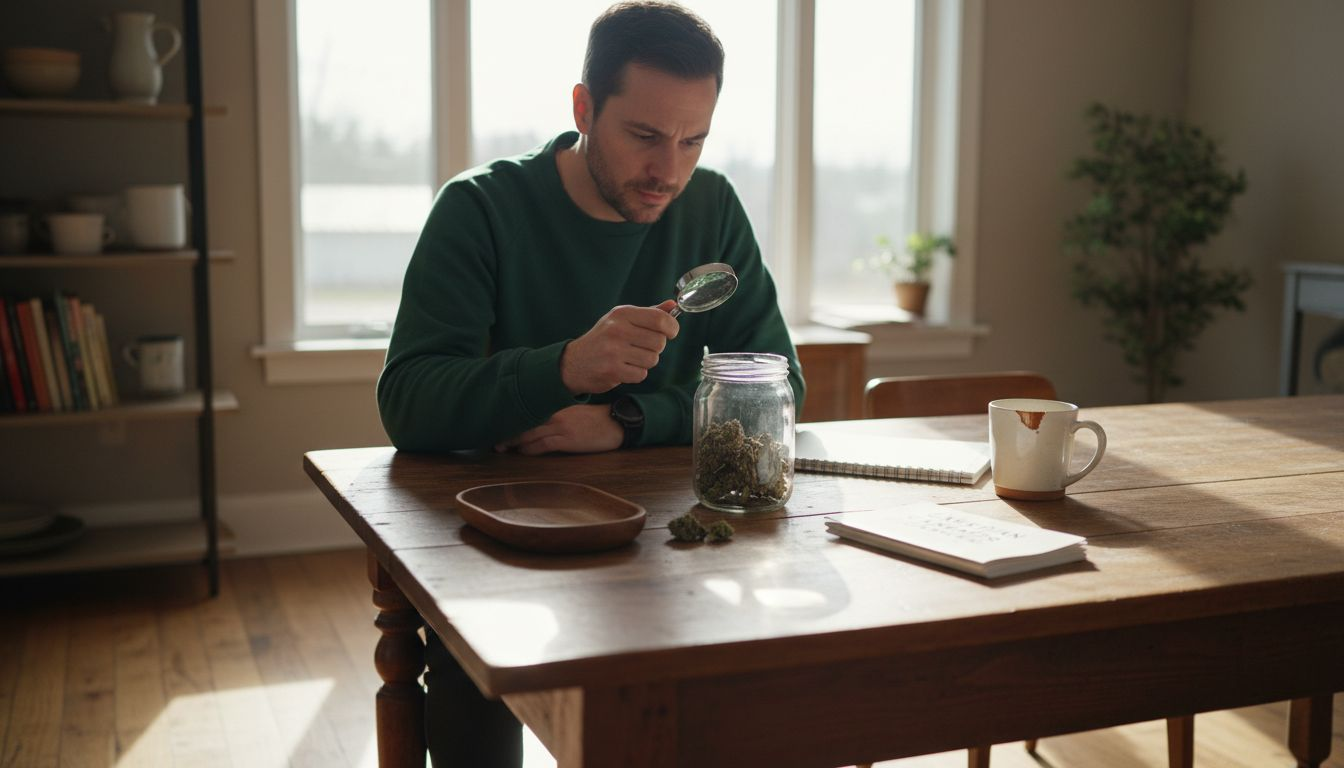
Choosing top quality cannabis flower in Canada can feel overwhelming, especially when every product claims to be the best. Without the right know-how, you might end up with dry buds, dull aromas, or lacklustre effects. The difference between mediocre and outstanding flower comes down to a few visual and sensory markers that anyone can check with a bit of guidance.
This list allows you to confidently spot the real markers of freshness, aroma, and potency—no advanced science degree required. You’ll discover how experts use cues like trichome appearance, aroma complexity, and genetics to judge quality with accuracy. These hands-on tips make it easy to avoid disappointing purchases and get the most out of your cannabis experience.
Unlock the secrets that Canadian producers and connoisseurs rely on every time they shop. A better flower experience starts with mastering these practical checks you can use right away.
| Key Insight | Explanation |
|---|---|
| 1. Assess Bud Visuals Carefully | Look for vibrant colours and trichome density, indicating proper growth and maturity. Avoid dull colours or signs of damage. |
| 2. Smell for Quality Indicators | A strong, pleasant aroma suggests freshness; musty or chemical odours indicate problems. Check aroma before purchase for quality assurance. |
| 3. Evaluate Trichome Quality | High trichome density correlates with potency and flavour. Ensure trichomes are intact and visible for best quality. |
| 4. Understand Cannabinoid Content | Know the THC and CBD levels to match your desired effects. Higher THC is psychoactive, while CBD offers relaxation without a high. |
| 5. Verify Lab Testing Results | Always check for Certificate of Analysis to confirm cannabinoid content and safety. Trust products tested by accredited labs for quality assurance. |
The moment you open a container of cannabis flower, appearance tells you a great deal about quality. What you’re looking at is the result of months of cultivation, and your eyes can detect whether that care paid off. Start by observing the overall visual presentation of the buds before digging deeper into specifics.
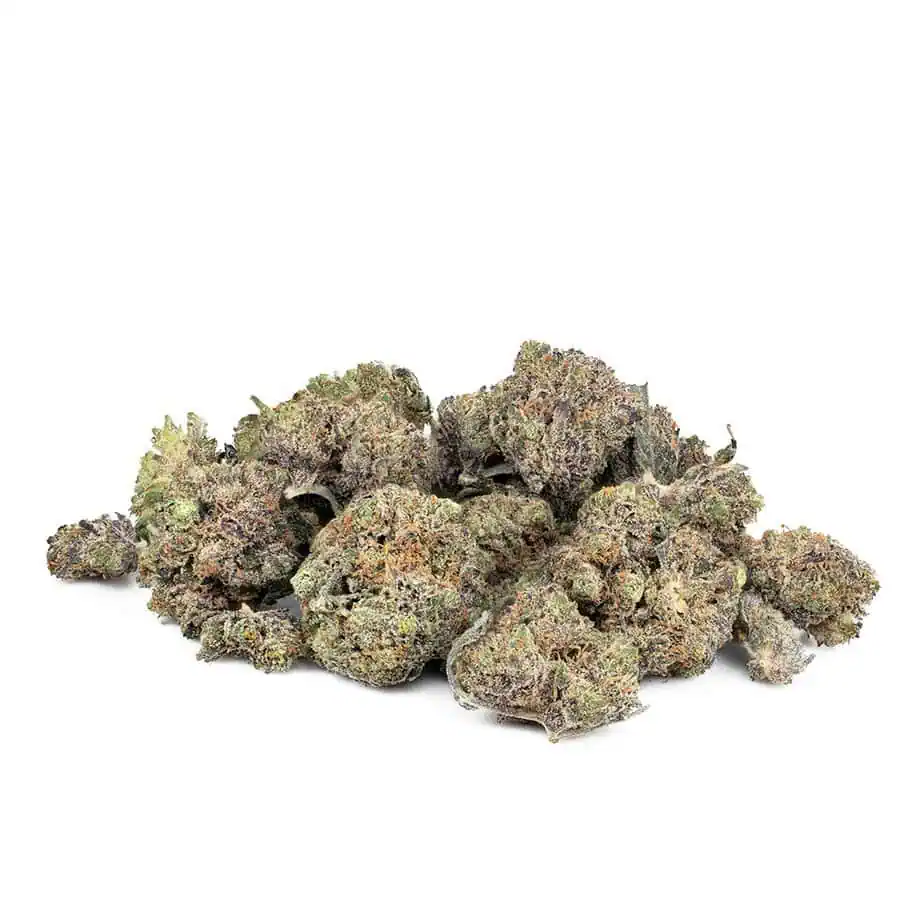
Colour is your first major clue. Healthy cannabis flowers display a range of colours depending on strain and maturity. You’ll commonly see deep greens, purples, blues, or even orange hues. The presence of multiple colours often indicates a well-developed plant. Avoid buds that appear grey, black, or uniformly brown, as these suggest mold, improper drying, or oxidation.
Trichome colour shifts from clear to milky to brown as flowers mature, providing visual markers for assessing bud quality. These tiny crystalline structures covering the flower contain cannabinoids and terpenes. You can evaluate maturity by examining whether trichomes appear milky (peak potency) or amber-coloured (more sedative effects).
Look for these visual indicators:
Stigma colours and trichome density changes throughout flowering development provide foundational descriptors for evaluating flower appearance across different cannabis types. These morphological features help you assess whether the flower reached proper maturity during cultivation.
Quality appearance suggests proper growing conditions, appropriate harvesting timing, and careful handling throughout the supply chain.
Buds should feel slightly sticky or resinous when you break them apart, not dry and crumbly. The exterior should look uniform, without obvious gaps or hollow spaces inside. Pay attention to any musty, ammonia-like, or chemical odours alongside your visual inspection, as these indicate problems that appearance alone might miss.
Pro tip: Hold the container up to natural light and rotate it slowly, examining buds from multiple angles to spot any hidden mold, discolouration, or damaged areas before committing to your purchase.
Aroma is one of the most telling indicators of cannabis quality, yet many people overlook it during their selection process. Your nose can detect what your eyes cannot, revealing information about freshness, proper storage, and the chemical profile of the flower. Take time to smell your cannabis before making a final decision.
Cannabis produces its distinctive scent through diverse volatile compounds including terpenes alongside aldehydes, ketones, esters, and sulfur-containing molecules. These compounds develop during cultivation and are heavily influenced by genetics, growing methods, and how the flower was processed and stored after harvest. A strong, pleasant aroma usually signals proper handling throughout the supply chain.
Fresh cannabis smells vibrant and complex. You might detect notes of citrus, pine, earth, spice, or floral undertones depending on the strain. Each cannabis type has its own aromatic profile, and that’s normal. What matters is that the smell is present and appealing, not absent or unpleasant.
Red flags to watch for include these warning signs:
Freshness depends on storage conditions. Cannabis degrades when exposed to light, heat, oxygen, and humidity. Flowers stored in proper conditions maintain their aromatic profile much longer than those left in suboptimal environments. When you purchase from a reputable source like GreenSociety, the flower has been stored carefully to preserve these delicate compounds.
Research shows that terpene profiles alone poorly predict perceived aroma and freshness, highlighting how complex the sensory experience truly is. The combination of multiple volatile compounds creates the overall aroma you experience, not just individual terpenes.
A pungent, multi-layered aroma is a sign of quality flower that has been properly cultivated, harvested, and preserved.
When evaluating aroma, open the container and take a few gentle sniffs rather than a single deep inhale. Let your nose adjust between sniffs. The aroma should be noticeable within seconds of opening. Freshly packaged flower typically has the strongest scent.
Pro tip: If the aroma seems faint, ask about the packaging date and storage conditions—older flower or flower stored in warm environments loses its aromatic compounds quickly, which affects both flavour and overall quality.
Trichomes are the small crystalline structures covering cannabis flowers that contain cannabinoids, terpenes, and other beneficial compounds. Evaluating trichome density and quality is one of the most direct ways to assess potency and overall flower value. Learning to spot high-quality trichomes transforms you from a casual buyer into an informed consumer.
Trichome density matters significantly. Flowers covered in abundant trichomes typically contain higher cannabinoid concentrations than those with sparse coverage. Trichome density assessments are critical for cannabis flower quality because they directly correlate with the amount of active compounds you’re getting. More trichomes generally mean more potent effects and better flavour.
You don’t need a microscope to evaluate trichomes, though one is helpful. Under natural light, quality flowers display a visible frosted or crystalline appearance. The buds should look like they’ve been dusted with sugar or salt. If you’re examining flower at a dispensary or online, look for product photos that clearly show this trichome coverage.
Here’s what quality trichomes look like:
Stalked-capitate trichomes on mature female flowers link directly with cannabinoid content, making them the most valuable type to evaluate. These prominent structures develop as the plant matures and are responsible for producing the compounds you’re seeking.
Trichome quality declines over time, especially when flowers are stored improperly. Exposure to light, heat, and air causes trichomes to degrade, lose their potency, and flatten. This is why fresh flower with intact trichomes delivers better effects than old flower where trichomes have deteriorated.
High trichome density and quality directly translate to more potent, flavourful cannabis with better effects.
When comparing flowers side by side, the one with visibly more trichomes will generally perform better. Avoid buds that appear dull, sticky without visible crystal structures, or where trichomes look crushed or amber throughout. These signs indicate age, mishandling, or improper storage conditions.
Pro tip: Request high-resolution product photos or look at detailed images showing the trichome coverage before purchasing—dense, frosted buds with abundant visible crystals will consistently outperform those with sparse or flattened trichomes.
THC and CBD are the two most discussed cannabinoids in cannabis, but many people don’t truly understand how they differ or why the ratio matters. Knowing the cannabinoid content of your flower guides you toward the effects you actually want. This knowledge transforms random purchases into informed decisions.
THC is the psychoactive compound. It’s responsible for the “high” associated with cannabis use. THC levels typically range from 5% to 30% in modern flowers, with higher percentages delivering stronger intoxicating effects. If you’re seeking recreational effects, THC content is your primary focus.
CBD produces different effects. This non-intoxicating cannabinoid doesn’t create a high but may offer relaxation, pain relief, and other benefits without impairment. CBD flowers contain minimal THC and higher CBD percentages. Many Canadian consumers appreciate CBD-dominant strains for daytime use or when they need to stay functional.
Labels in Canadian dispensaries must display accurate cannabinoid information. Look for products that show verified THC and CBD percentages through proper quantification methods. This transparency helps you choose flowers that match your preferences and tolerance level.
Understanding cannabinoid content helps you:
When you read a label, THC and CBD levels are typically shown as percentages. A flower labelled “20% THC, 0.5% CBD” delivers primarily THC-dominant effects. One marked “5% THC, 15% CBD” offers more balanced or CBD-leaning effects. Your desired experience should guide which profile you select.
The cannabinoid profile—not just the THC percentage—determines how a flower will affect you.
Beginners often benefit from lower THC strains (under 15%), while experienced users might prefer 20% or higher. CBD-rich flowers offer alternatives for those sensitive to THC or seeking specific wellness applications. There’s no universally “best” content level, only what works for your body and preferences.
Pro tip: Start with strains showing lower THC percentages and gradually increase as you learn your tolerance—this approach prevents overwhelming effects while helping you discover your ideal cannabinoid balance.
Every cannabis strain has a unique genetic background that influences how it grows, what it contains, and how it affects you. Understanding strain genetics and information helps you predict effects and find varieties that match your preferences. Don’t buy based on name alone—dig into the actual genetics behind your flower.
Strain genetics determine morphology and chemistry. Cannabis genetics influence flowering time, plant structure, cannabinoid production, and terpene profiles. Genetic markers linked to agronomic and morphological traits help cultivators optimise plants for specific characteristics. When you know a strain’s genetic background, you understand what to expect.
Traditional classifications are outdated. Most people still use “indica,” “sativa,” and “hybrid” labels, but these traditional categories don’t reliably predict effects. Chemical fingerprinting through terpene profiling shows heterogeneity that doesn’t correlate strongly with traditional classifications, meaning two sativas can produce vastly different experiences. Modern strain selection focuses more on chemical composition than old-fashioned labels.
When researching a strain, look for this information:
Why strain genetics matter for Canadian consumers lies in making personalised choices. A strain’s genetic heritage tells you whether it was bred for relaxation, creativity, pain relief, or social effects. Understanding this background transforms purchasing from guesswork into strategy.
Canadian dispensaries like GreenSociety provide detailed strain information including genetics, cannabinoid content, and user reviews. Use this information to cross-reference multiple sources and identify patterns. If ten reviews mention “energetic and creative,” that tells you more than a single label.
Genetics determine your flower’s chemistry, and chemistry determines your experience.
Some strains carry famous genetics worth seeking out, while others may be newer creations worth experimenting with. The best approach combines genetic information with lab results, user feedback, and your own experimentation. Over time, you’ll discover which genetic lineages consistently work for your needs.
Pro tip: Read reviews and strain descriptions before purchasing, then note which genetic lineages consistently deliver the effects you want—this builds personal knowledge that guides smarter purchases over time.
Lab testing is your final safeguard before purchasing cannabis flower. Third-party laboratory results reveal what’s actually in your product, including cannabinoid content, contaminants, and microbial presence. Never buy cannabis without verifying that it has been tested by an accredited laboratory.
Canada requires rigorous testing standards. Licensed cannabis producers must submit their flowers for testing before sale. Lab testing cannabis ensures contaminants, cannabinoid potency, moisture, and microbial presence are verified by accredited facilities. This regulatory requirement protects consumers from unsafe or mislabelled products.
Certificates of Analysis (COAs) are official test documents showing what testing revealed about your flower. These documents list cannabinoid percentages, terpene profiles, and contamination results. A legitimate COA displays the testing laboratory’s name, accreditation number, and test date. Always request or verify these documents before purchasing.
Quality lab testing checks for these critical factors:
Rigorous standards including cannabinoid content, microbial limits, and heavy metals define pharmaceutical-grade cannabis quality. These standards exist globally to ensure consistency and safety. Products meeting these parameters have undergone thorough quality control.
When reviewing test results, compare claimed cannabinoid percentages with actual lab findings. A flower labelled “25% THC” should show approximately that percentage in the COA. Significant discrepancies indicate either mislabelling or quality control issues. GreenSociety partners with accredited laboratories to ensure all products meet Canadian standards.
Lab testing transforms trust from a hope into verified fact.
Accredited laboratories hold ISO certifications and regulatory approval. Be cautious of products without proper COAs or from untested sources. The few dollars saved by skipping testing aren’t worth the health and legal risks.
Pro tip: Always ask for the Certificate of Analysis before purchasing, and cross-reference the lab’s accreditation status independently—legitimate testing facilities are transparent about their credentials and readily share documentation.
Below is a comprehensive table summarizing the essential considerations for evaluating cannabis flower quality as discussed in the article.
| Aspect | Key Details | Insights |
|---|---|---|
| Bud Appearance and Colour | Dense, compact structure, vibrant varied colours, frosty trichomes, absence of damage or mould | Indicates quality cultivation, proper drying, and storage processes. |
| Trichome Density | Abundant frosted coverage, intact structures, amber or milky coloration indicating maturity | Associated with higher potency, cannabinoid concentration, and flavour profile. |
| Aroma | Vibrant, fresh scents indicative of strain profile, storage quality, and absence of negative odours | Demonstrates proper cultivation, curing, and preservation of the cannabis flower. |
| THC and CBD Content | Clearly labelled cannabinoid percentages relevant for user preference and experience level | Allows informed selection based on desired effects, tolerance, and specific needs. |
| Strain Genetics and Lineage | Information on parent strains, effects, and chemical profile | Guides purchase decisions based on strain characteristics and expected outcomes, offering personalised experiences. |
| Storage and Freshness | Proper preservation conditions, such as controlled temperature and humidity | Maintains quality, potency, and desired effects, ensuring freshness and usability. |
| Lab Testing and Certification | Verification by accredited labs for cannabinoids, contaminants, and overall safety | Ensures product complies with health standards and reliable labelling, thereby building consumer trust. |
Choosing the perfect cannabis flower can feel overwhelming without knowing exactly what to look for. From inspecting bud appearance and trichome quality to understanding THC and CBD content and verifying lab tests, this article highlights the essential steps every knowledgeable consumer should follow. At GreenSociety.cc, we recognise these challenges and make it easier for you to select premium cannabis products with complete transparency and trusted quality.
Discover a wide selection of carefully curated cannabis flowers and more, all clearly labelled with verified cannabinoid percentages and accompanied by detailed strain genetics and lab-tested safety information. Our online cannabis dispensary platform offers everything from aromatic flowers to concentrates, ensuring you receive fresh, potent products backed by rigorous standards and delivered discreetly.
Take control of your cannabis journey by shopping with confidence at GreenSociety.cc. Explore our comprehensive product listings where you can immediately apply the six essential steps from your checklist. Act now and experience the peace of mind that comes from buying cannabis products built on quality, clarity, and convenience.
To assess the appearance and colour of cannabis flowers, examine the buds for dense, compact structures and vibrant colours like deep greens, purples, and oranges. Look especially for crystal trichomes, which indicate quality; simply open the container and visually inspect the buds from different angles.
When evaluating the aroma of cannabis, look for a strong, pleasant scent with complex notes such as citrus, pine, or spice. Open the container and take gentle sniffs—if the smell is faint or unpleasant, it may indicate poor quality, so consider checking the storage conditions prior to purchase.
To check trichome density and quality, look for a frosty, crystalline appearance on the buds, which indicates a high concentration of cannabinoids. Inspect the buds for visible trichomes, and if available, use product photos to compare coverage before purchasing.
Knowing the THC and CBD content helps you select cannabis that aligns with your desired effects; THC provides the psychoactive high while CBD offers relaxation without intoxication. Check product labels for cannabinoid percentages to make informed choices based on your personal preferences.
Before purchasing cannabis, review the strain’s genetics, parent lineage, and reported effects, as these factors influence its growth, cannabinoid profile, and your overall experience. Look for detailed strain descriptions to match your preferences more accurately.
Lab testing is essential because it verifies cannabinoid levels and checks for contaminants, ensuring the product’s safety and potency. Always request a Certificate of Analysis to confirm the flower has met quality standards before making your purchase.