Free Shipping
on orders over $150.00
$40.00
$150.00
Add $110.00 more for free shipping!
-
×
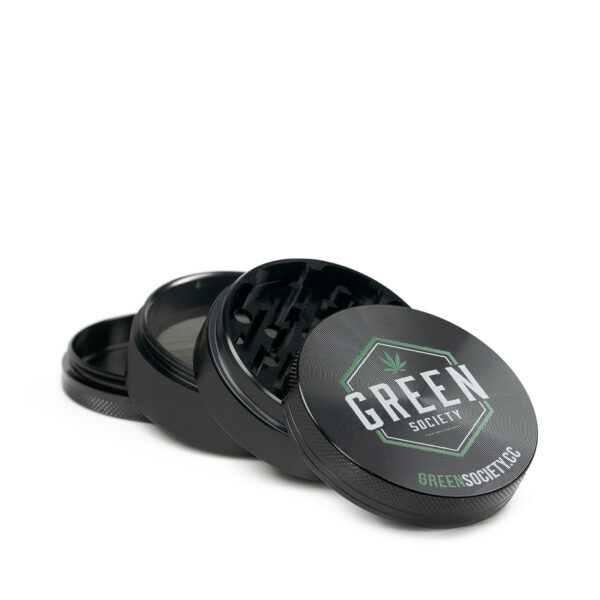 Green Society Herb Grinder
$40.00
Green Society Herb Grinder
$40.00


Cannabis has a direct and measurable effect on the digestive system, and the evidence cuts both ways. For some people, it relieves nausea, reduces gut inflammation, and stimulates appetite. For others, particularly heavy long-term users, it can trigger a debilitating cycle of vomiting known as cannabinoid hyperemesis syndrome (CHS). Understanding which outcome applies to you depends on how cannabis is used, in what form, and at what dose.
Here is what the current research shows:
The endocannabinoid system (ECS) is the biological foundation for everything cannabis does in the gut. CB1 and CB2 cannabinoid receptors are distributed throughout the gastrointestinal tract, from the oesophagus to the colon, and they regulate motility, inflammation, pain, and secretion at every level.
CB1 receptors sit primarily on enteric neurons, where they modulate neurotransmitter release and slow gut motility. CB2 receptors are concentrated in immune cells lining the intestinal wall, where they govern inflammatory responses. When cannabinoids bind to these receptors, the effects ripple across gastric emptying, colonic transit, visceral pain perception, and mucosal permeability.
The therapeutic window here is narrow. Effects can be paradoxical depending on the disease state and the dose, which is why the same compound that relieves nausea in one person can worsen symptoms in another. Your gut microbiome also plays a role: dysbiosis may reduce cannabis efficacy, meaning restoring gut health first can be a prerequisite for cannabis to work as intended.
Pro Tip: If you have an existing gut condition, address microbiome health through diet and probiotics before adding cannabis to your routine. The ECS responds differently in a dysbiotic gut.
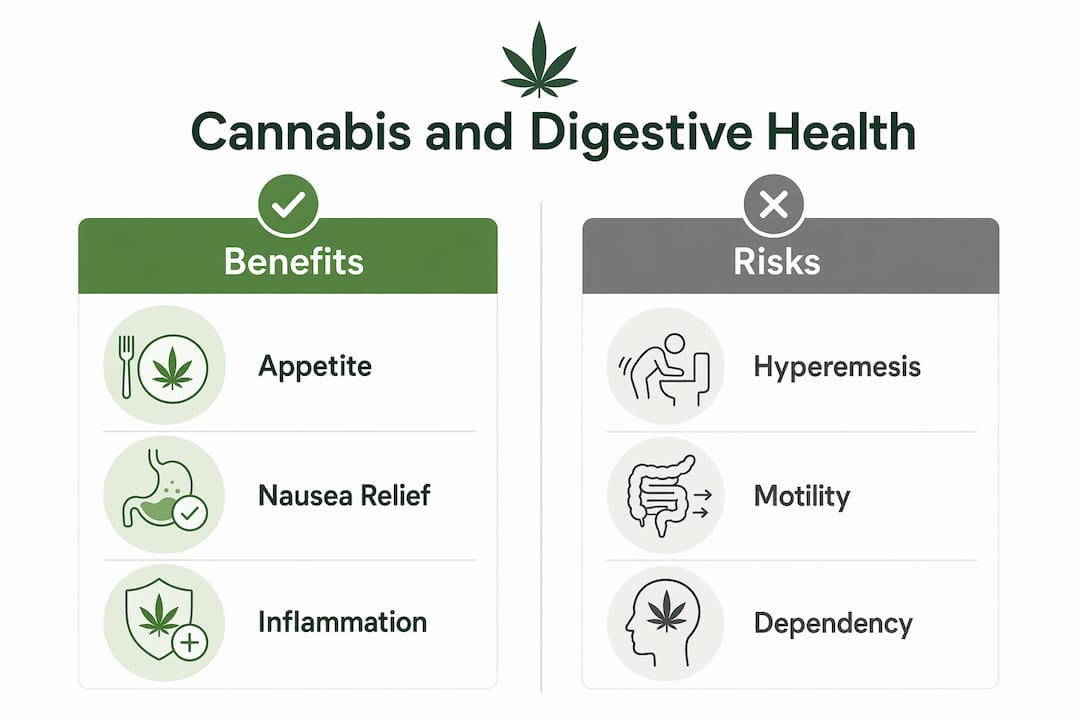
The clinical picture for cannabis as a digestive therapy is genuinely promising in some areas and frustratingly incomplete in others. The strongest evidence sits around nausea, gastroparesis, and appetite stimulation. IBD is where the research gets complicated.
Gastroparesis, a condition where the stomach empties too slowly, causes chronic nausea, vomiting, and abdominal pain. Cannabis addresses these symptoms through visceral sensation pathways rather than by speeding up gastric emptying. In fact, Δ9-THC delays solid gastric emptying in humans, yet patients with gastroparesis consistently report symptom relief. The disconnect suggests that pain and nausea relief in gastroparesis comes from altered sensory processing, not motility changes.

A published study found that medical marijuana users reported significant and lasting gastrointestinal symptom relief over one year, particularly for nausea, anorexia, and stomach pain. Common side effects at mild to moderate severity included increased appetite, fatigue, anxiety, cough, headache, and dry mouth.
Cannabis is well established as an appetite stimulant through CB1 receptor activation in the hypothalamus. For patients with cancer-related cachexia, HIV-associated weight loss, or anorexia secondary to chronic illness, this effect has real clinical value. The role of CBD in gut health extends to reducing nausea that suppresses appetite in chemotherapy patients.
Inhalation suits acute nausea episodes where fast relief is the priority. Oral cannabis, including edibles and oils, provides a slower onset but longer duration, making it better suited to chronic conditions like IBD or persistent gastroparesis symptoms. Rectal administration is used in clinical settings for patients who cannot tolerate oral intake, though it remains uncommon outside hospital care. The differences between THC and CBD matter here too: THC drives most of the motility and appetite effects, while CBD contributes more to inflammation reduction and barrier integrity.

Cannabis is not a risk-free therapy for the gut. The same mechanisms that relieve symptoms in some conditions can worsen others, and heavy long-term use carries specific dangers that are worth understanding clearly.
CHS is the most serious digestive risk associated with cannabis use. It causes cycles of severe nausea, vomiting, and abdominal pain that are paradoxically triggered by the very substance many patients use to relieve nausea. The only cure is stopping cannabis entirely.
CHS tends to develop after years of heavy, frequent use. The prodromal phase involves morning nausea and abdominal discomfort. The hyperemetic phase brings incapacitating vomiting that can last days. Many patients discover that hot showers temporarily relieve symptoms, which becomes a diagnostic clue for clinicians.
Pro Tip: Hot showers offer only temporary relief from CHS symptoms and carry their own risks. Excessive hot bathing can cause severe dehydration and scald burns. If you suspect CHS, the path forward is cannabis cessation, not escalating shower use.
For a detailed look at overconsumption risks, Greensociety’s educational resources cover dependency, syndrome risks, and guidance for safe use.
What is cannabinoid hyperemesis syndrome?
CHS is a condition caused by long-term heavy cannabis use that produces cycles of severe nausea, vomiting, and abdominal pain. It is cured only by stopping cannabis use completely. Hot showers temporarily relieve symptoms but do not treat the underlying cause.
Can cannabis cause gut inflammation or reduce it?
Both are possible. CBD and CB2 receptor agonists reduce inflammatory cytokines and improve intestinal barrier function in research settings. However, heavy THC use and CHS can irritate the gastrointestinal tract. The outcome depends on the compound, the dose, and the underlying condition.
How does cannabis affect bowel movements?
Cannabis generally slows gut motility through CB1 receptor activation, which can relieve diarrhoea but worsen constipation. The effect varies by dose and individual gut microbiome state.
Are edible cannabis products harmful to the gut?
Edibles are not inherently harmful, but their delayed onset leads many people to overconsume before the first dose takes effect. High-dose oral cannabis can cause diarrhoea, nausea, and prolonged intoxication. Understanding edible side effects before you start is worth the time.
What are the safest ways to use cannabis for digestive symptoms?
Start with a low dose, use a single-compound product (CBD-dominant for inflammation, low-dose THC for nausea), choose a delivery method matched to your symptom pattern, and consult a physician familiar with cannabis medicine. Never self-treat a diagnosed gastrointestinal condition without medical oversight.
Canada’s legal cannabis framework gives you access to a wide range of products, but not all of them suit digestive therapeutic use equally. Here is how to approach product selection and safe use.
Match the product to the symptom. CBD-dominant products suit inflammation, barrier repair, and mild nausea. Low-dose THC suits appetite stimulation and more severe nausea. High-THC products carry the highest risk of adverse effects and CHS with chronic use.
Choose your delivery method deliberately. Inhalation works fastest for acute nausea but provides only short-term coverage. Oral products, including oils and edibles, provide sustained relief suited to chronic conditions. Review the full cannabis delivery methods guide before deciding.
Start low, go slow. Begin with the lowest effective dose and increase gradually over days or weeks. The therapeutic window for cannabinoids in gut health is narrow, and effects can reverse at higher doses.
Monitor your symptom response. Keep a simple log of symptoms, dose, product type, and timing. Patterns emerge quickly and help you and your physician adjust the approach.
Consult a healthcare provider. Cannabis interacts with cytochrome P450 enzymes and can alter the metabolism of common digestive medications. A physician familiar with cannabis medicine can help you avoid interactions and set appropriate dosing targets.
Prioritise product quality. In Canada, licensed producers must meet Health Canada’s quality and testing standards. Buy from regulated sources that provide clear cannabinoid content labelling. Greensociety lists product details clearly, making it straightforward to compare CBD and THC ratios before purchasing.
Avoid chronic heavy use. The risk of CHS rises with frequency and duration of use. If you are using cannabis daily for digestive symptoms, discuss a structured reduction plan with your doctor.
Pro Tip: For chronic gut conditions, oral CBD oil taken consistently at a low dose tends to outperform sporadic high-dose use. Consistency matters more than potency when the goal is inflammation control rather than acute symptom relief.
Is hemp oil useful for digestive health?
Hemp-derived CBD oil contains negligible THC and focuses its effects on CB2 receptor pathways. It suits people seeking anti-inflammatory and barrier-support benefits without psychoactive effects. Quality varies widely between products, so look for third-party tested options with clear cannabinoid content.
How do I know if a cannabis product is right for my gut condition?
No single product suits every condition. Gastroparesis responds differently than IBD, and IBS responds differently than functional dyspepsia. Work with a gastroenterologist or cannabis-knowledgeable physician to identify the right compound, dose, and delivery method for your specific diagnosis.
Cannabis offers real therapeutic potential for digestive health through the endocannabinoid system, but the benefits are condition-specific, dose-dependent, and offset by genuine risks including cannabinoid hyperemesis syndrome in heavy long-term users.
| Point | Details |
|---|---|
| ECS drives gut effects | CB1 and CB2 receptors throughout the GI tract regulate motility, inflammation, pain, and secretion. |
| Symptom relief is real but selective | Medical marijuana users report lasting relief for nausea, anorexia, and stomach pain over one year of use. |
| IBD evidence is mixed | THC-containing products show inconsistent results in randomised controlled trials for IBD remission. |
| CHS is serious and curable | Cannabinoid hyperemesis syndrome causes cycles of severe nausea, vomiting, and abdominal pain, and resolves only with cannabis cessation; hot showers temporarily relieve symptoms but increase dehydration risk. |
| Greensociety | Greensociety offers quality-tested cannabis products with clear cannabinoid labelling, suited to informed therapeutic use in Canada. |
Researching cannabis for a specific health purpose is the right starting point. Acting on that research means choosing products you can actually trust.
Greensociety is a Canadian online cannabis dispensary built for exactly this kind of buyer: someone who has done the reading, knows the difference between CBD and THC, and wants products with clear labelling rather than guesswork. The catalogue covers flower, edibles, concentrates, vapes, and CBD products, all available with discreet delivery across Canada. For digestive health specifically, the range of CBD-dominant and low-THC options gives you the flexibility to match the product to the symptom rather than defaulting to whatever is most available locally.
If you are starting out, the cannabis flower buying guide walks you through selecting the right product for your needs. Browse the full catalogue at Greensociety and use the product details to compare cannabinoid ratios before you buy.