Free Shipping
on orders over $150.00
$40.00
$150.00
Add $110.00 more for free shipping!
-
×
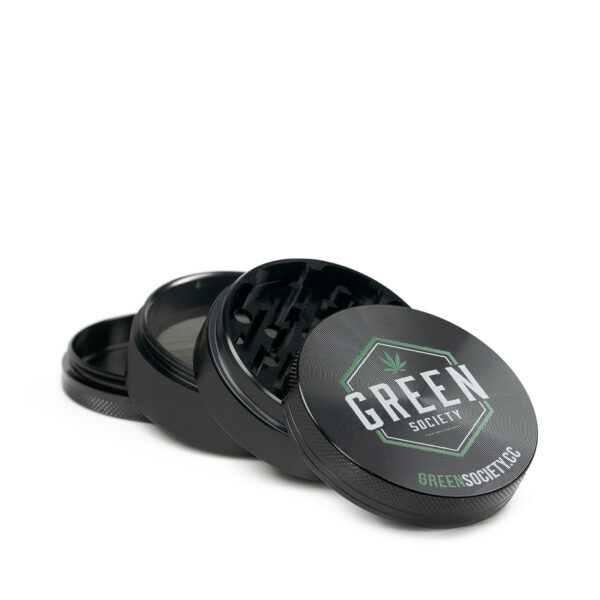 Green Society Herb Grinder
$40.00
Green Society Herb Grinder
$40.00

TL;DR:
- True sustainability requires analyzing recyclability, compostability, and carbon footprint, not just labels.
- Eco-friendly packaging often costs 15-30% more and depends on regional waste infrastructure.
- Consumers can identify genuine green packaging by checking detailed labels, certifications, and local recycling capabilities.
Many cannabis products wear the ‘eco-friendly’ badge proudly, yet true sustainability depends on far more than a green leaf printed on a box. The full lifecycle of a package, from raw material extraction to end-of-life disposal, tells a story that recycling symbols alone cannot. Consumers who care about the planet deserve a clearer picture. This guide cuts through the marketing noise to explain what genuinely sustainable cannabis packaging looks like, what it costs, and how you can make smarter choices without being misled by labels designed to look good rather than do good.
| Point | Details |
|---|---|
| Go beyond the label | Eco-friendly claims mean little without proof of full lifecycle impact. |
| Higher costs reflect real impact | Price jumps in green packaging often show the true cost of using sustainable materials. |
| Infrastructure is critical | Recycling and composting effectiveness depends on local programs, not just packaging logos. |
| Demand transparency | Look for brands that publish their sourcing, LCA data, and clear disposal directions. |
Conventional cannabis packaging has a serious waste problem. Most products on dispensary shelves arrive in single-use plastics, multi-layer laminates, or mixed-material containers that are nearly impossible to recycle through standard municipal programmes. These formats were chosen for compliance and shelf appeal, not environmental responsibility. The result is enormous volumes of packaging heading straight to landfill after a single use.
The pressure to change is building from two directions at once. Regulators across Canada are tightening rules on plastic waste, while consumers are increasingly vocal about wanting products that align with their values. That combination is forcing the cannabis industry to rethink materials, supply chains, and end-of-life planning at the same time.
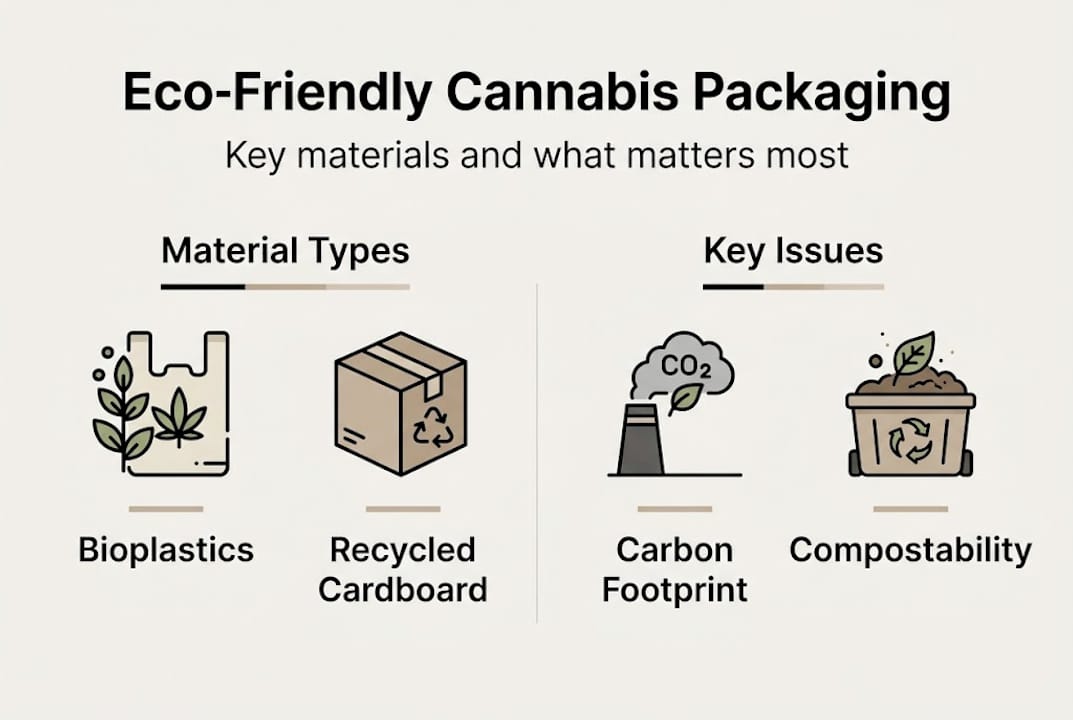
True sustainability in cannabis packaging means evaluating three things together:
No single material scores perfectly on all three. That complexity is exactly why blanket claims like ‘recyclable packaging’ can be misleading without more context.
“Sustainability in packaging is not a destination—it is a continuous process of reducing harm across every stage of a product’s life.”
The financial scale of this shift is significant. The cannabis packaging market was valued at USD 6.48 billion in 2025 and is forecast to grow at a 14.35% compound annual growth rate, driven largely by demand for sustainable materials including recyclable plastics, glass, paperboard, and bio-based options. That growth reflects both regulatory pressure and genuine consumer appetite for greener sustainable packaging choices. The market is responding, but not always with solutions that are as green as they appear.
Understanding why greener packaging is urgently needed sets up the foundation for what materials are now shaping the market.
With the basics of eco-friendly packaging in mind, it is crucial to compare the practical realities of each option for cannabis products. The four most common ‘green’ materials are recyclable plastics, recycled glass, paperboard, and bio-based plastics. Each carries trade-offs that a simple logo cannot communicate.
| Material | Recyclability | Compostability | Carbon footprint | Key limitation |
|---|---|---|---|---|
| Recyclable plastic | Moderate | None | Moderate | Facility-dependent |
| Recycled glass | High | None | High (heavy transport) | Weight increases emissions |
| Paperboard | High | Partial | Low to moderate | Requires dry storage |
| Bio-based plastics | Low to moderate | Conditional | Low to moderate | Needs industrial composting |
The concept of a lifecycle analysis for packaging reveals where each material truly stands. An LCA measures energy use, water consumption, greenhouse gas emissions, and waste generation across the entire supply chain. True sustainability requires full lifecycle evaluation, not just recyclability claims. Recycled glass, for example, feels premium and responsible, but its weight means higher transport emissions compared to lighter alternatives.

Bio-based plastics are another area where reality diverges from marketing. Many require industrial composting facilities operating at specific temperatures to break down properly. If your city or province does not have that infrastructure, a ‘compostable’ pouch ends up in landfill just like conventional plastic. Regional recycling programme limitations are a critical factor that brands rarely mention on their labels. Understanding eco-packaging cost insights helps clarify why some greener options are more practical than others in specific regions.
Pro Tip: When evaluating a cannabis product’s packaging, look for published LCA data or third-party environmental certifications rather than relying on recyclability logos alone. A brand willing to share that data is a brand you can trust.
The honest answer is that no material is perfect. The best choice depends on your local infrastructure, the product’s distribution distance, and the brand’s overall supply chain transparency.
Since greener options often have unexpected costs, understanding these trade-offs can help when choosing cannabis products. Switching to eco-packaging often costs 15 to 30% more up front, and recycled content can sometimes triple in cost due to supply shortages. That price difference does not disappear; it flows through to the consumer.
| Packaging type | Relative cost vs. conventional | Key cost driver |
|---|---|---|
| Conventional plastic | Baseline | Mass production scale |
| Recycled plastic | +15 to 30% | Limited recycled feedstock |
| Recycled glass | +20 to 35% | Weight, transport, processing |
| Paperboard | +10 to 20% | Moisture-resistant coatings |
| Bio-based plastics | +25 to 50%+ | Feedstock scarcity, certification |
Supply chain pressures make this worse. Recycled or bio-based materials are sourced from a much smaller pool of suppliers than virgin plastics. When demand spikes, as it has in recent years, costs rise sharply and availability drops. Small cannabis brands are especially vulnerable because they lack the purchasing power to lock in favourable supply contracts.
The good news is that consumer behaviour is shifting in a way that supports these investments. Key signals from the market include:
Pro Tip: If a cannabis product with eco-friendly packaging costs slightly more, that price often reflects real resource and labour costs rather than brand greed. Knowing how to recycle packaging properly also maximises the value of that investment.
Understanding these economics helps you interpret pricing with more nuance and support brands that are genuinely trying to do better.
Empowered with what makes eco-packaging real, you can be a smart, sustainability-minded cannabis consumer. The challenge is that greenwashing, where brands use vague environmental language without substance, is widespread. Here is a practical process for cutting through it.
“True sustainability is built into every stage, not just how a package is disposed of.”
This process takes five extra minutes, but it meaningfully shifts your purchasing power toward brands that are investing in real change. You can also explore sustainable packaging choices to see what responsible options look like in practice.
Here is the uncomfortable truth that the industry rarely says out loud: a recyclable logo on cannabis packaging means almost nothing without the infrastructure to back it up. We have seen beautifully designed ‘compostable’ pouches that require industrial composting facilities at 60 degrees Celsius to break down, facilities that exist in fewer than a dozen Canadian cities. That is not sustainability. That is a story told on a label.
Brands can do better by publishing full holistic sustainability insights and supporting regional waste solutions rather than relying on national averages that mask local gaps. Consumers can do better by asking harder questions before rewarding a green logo with a purchase.
The most impactful shift is local awareness. Eco-packaging achieves very little if your municipality cannot process it. Contact brands directly, or visit your city or province waste authority’s website to confirm what is actually accepted. Five minutes of scrutiny is worth more to the planet than ten purchases of packaging that looks green but ends up in landfill.
Pro Tip: Search your province’s waste authority website using the packaging material type to confirm local acceptance before assuming a product is truly eco-friendly.
Not all eco packages are created equal, and the ones that genuinely are deserve your support.
At Green Society, we believe that making informed choices about cannabis starts with understanding what is actually in your hands, including the packaging it arrives in. We are committed to providing educational resources that help eco-conscious consumers navigate the realities of sustainable cannabis.
Explore our guides on more on sustainable packaging to learn which products and formats align with your values. If you are also curious about wellness options, our overview of best Canadian CBD products highlights quality choices from brands that take product responsibility seriously. Greener cannabis consumption is possible, and we are here to help you find it.
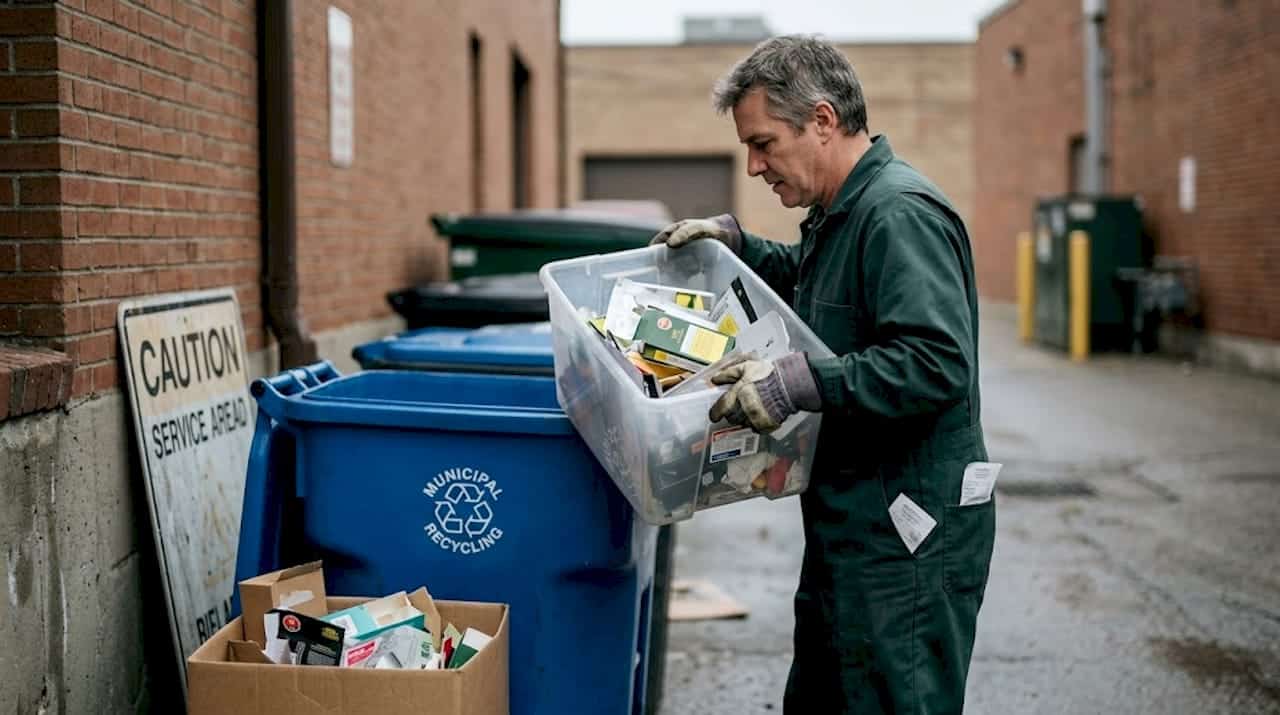
Strict regulations require tamper-proof, child-resistant, and information-rich packaging, which increases material usage significantly. Regulatory compliance drives the use of more packaging layers than many other consumer product categories.
No, recycling options for cannabis packaging vary widely by province and municipality. Always check local rules because regional recycling limitations significantly affect whether eco-packaging achieves its intended purpose.
Yes, greener packaging typically costs 15 to 30% more, and recycled content costs can triple due to material shortages, which flows through to the retail price consumers pay.
Look for full lifecycle claims, third-party certifications, and transparent sourcing information. LCA and credible sourcing are far more reliable indicators than vague logos or generic ‘eco’ labels printed on packaging.