Free Shipping
on orders over $150.00
$0.00
$150.00
Add $150.00 more for free shipping!


Finding clear answers about cannabis and sleep feels tricky when every source seems to say something different. Some Canadians find relief with cannabis, while others end up feeling less rested than before. The reality is more complex than simple success stories or warnings, and getting the details right matters for your health. This guide explains how specific cannabinoids work, separates common myths from real science, and highlights what you need to consider when choosing a sleep solution.
| Point | Details |
|---|---|
| Cannabis Effects on Sleep Vary | Different cannabinoids such as THC and CBD impact sleep differently, with THC potentially disrupting REM sleep while CBD may alleviate anxiety without sedation. |
| Tolerance and Dependency Risks | Regular use of cannabis for sleep can lead to increased tolerance and withdrawal symptoms, resulting in a cycle of dependency. |
| Product Quality Matters | Canadian cannabis products must adhere to lab testing standards, ensuring accurate cannabinoid content, which allows for more informed consumer choices. |
| Consider Alternatives | Before resorting to cannabis for sleep, it is crucial to consult a healthcare provider to address any underlying sleep disorders or choose non-cannabis sleep aids. |
The moment you start researching cannabis and sleep, you’ll encounter conflicting information. Some people swear it’s their best sleep solution. Others claim it disrupts their sleep architecture. Both perspectives contain truth, but the full picture is far more nuanced than either camp suggests. What research actually shows is that cannabis affects sleep differently depending on the specific compounds involved, your individual chemistry, and how you use it. Understanding these distinctions separates fact from the marketing hype and personal anecdotes that dominate online conversations.
Let’s address the most persistent myths first. The biggest misconception is that all cannabis produces the same sleep effect. This is simply false. The plant contains over 100 different cannabinoids, and two of the most talked about are cannabidiol (CBD) and tetrahydrocannabinol (THC). THC, the compound that creates the psychoactive effect, can initially make you feel drowsy and help you fall asleep faster. However, emerging research on cannabis as a sleep aid reveals a more complicated relationship. Regular THC use may suppress REM sleep, the stage where your brain processes emotions and consolidates memories. You might sleep longer on the surface, but you’re missing critical sleep architecture that determines how rested you actually feel. CBD, conversely, doesn’t produce intoxication and appears to influence sleep through different mechanisms, potentially reducing anxiety without the same REM suppression concerns.
Another major misconception centres on tolerance and long-term use. Many Canadians assume they can use cannabis nightly for sleep indefinitely without consequence. The reality involves tolerance development. Your body adapts to regular cannabis use, meaning the same dose becomes less effective over time. Long-term cannabis use can impact cognitive function and sleep quality, particularly with heavy daily consumption. You might find yourself needing increasing amounts to achieve the same effect, which creates a problematic cycle. Additionally, abrupt cessation after prolonged use frequently triggers rebound insomnia, where sleep becomes worse than before you started using cannabis. The withdrawal period typically lasts one to two weeks, though some people experience disruption for longer.
Here’s what the evidence actually supports: cannabis can help certain people fall asleep faster, particularly in the short term. It can reduce racing thoughts that keep anxious individuals awake. For people with chronic pain, reducing pain perception can indirectly improve sleep. However, these benefits are most consistent with THC and less consistent than many people hope. The sedating effect is strongest in the first two weeks, then diminishes. For sustained, quality sleep improvement, exploring cannabis strains specifically selected for sleep support often proves more effective than relying on any single product. Different strains contain different cannabinoid and terpene profiles that influence their effects.
One critical truth that gets overlooked: occasional cannabis use for sleep differs dramatically from nightly use. Occasional use might genuinely help with temporary sleep problems. Nightly use creates dependency patterns where your sleep system becomes reliant on the substance. Your brain’s natural sleep regulation gets disrupted, making it harder to sleep without cannabis. Dosage matters tremendously as well. Small amounts often work better than large amounts for sleep purposes, yet many people assume more is better. The relationship between dose and sleep quality follows a curve, not a straight line.
The Canadian context matters here too. Since legalisation, product labelling and testing standards provide more transparency than the unregulated market offered. You can actually verify cannabinoid content and identify which products contain higher THC versus CBD. This precision allows you to experiment more intelligently with what actually works for your sleep patterns rather than guessing.
Pro tip: Start with the lowest possible dose and track your sleep quality for two weeks before adjusting, noting how you feel the next morning since cannabis affects people unpredictably and building a personal baseline takes time.
Think of your cannabinoid options like different tools in a toolbox. Each one does something slightly different, and using the wrong tool for your specific sleep problem wastes time and money. THC, CBD, and CBN are the three most discussed cannabinoids for sleep, yet they work through completely different mechanisms in your body. Understanding what each one actually does separates smart consumption from guesswork. Many Canadians assume all cannabis products treat sleep the same way, but that’s like assuming all pain relievers work identically. The truth is far more granular.
Let’s start with THC, the cannabinoid everyone knows about. THC binds to receptors in your brain that influence your sleep wake cycle. In the short term, it genuinely does help you fall asleep faster. Your sleep latency drops, meaning you spend less time staring at the ceiling waiting for sleep to arrive. But here’s where things get complicated. How THC influences sleep involves suppressing REM sleep, the stage where your brain processes emotions and consolidates memories. You might think you’re sleeping well because you’re asleep longer, but you’re missing crucial sleep architecture. Over weeks and months of regular THC use, this disruption becomes more pronounced. Your body builds tolerance, meaning the same dose stops working. You need more THC to achieve the initial effect, which deepens the REM suppression problem. The other issue: when you stop using THC after heavy use, you experience rebound REM sleep. Your brain tries to catch up on all the REM sleep it missed, resulting in vivid, sometimes disturbing dreams and poor sleep quality during withdrawal.
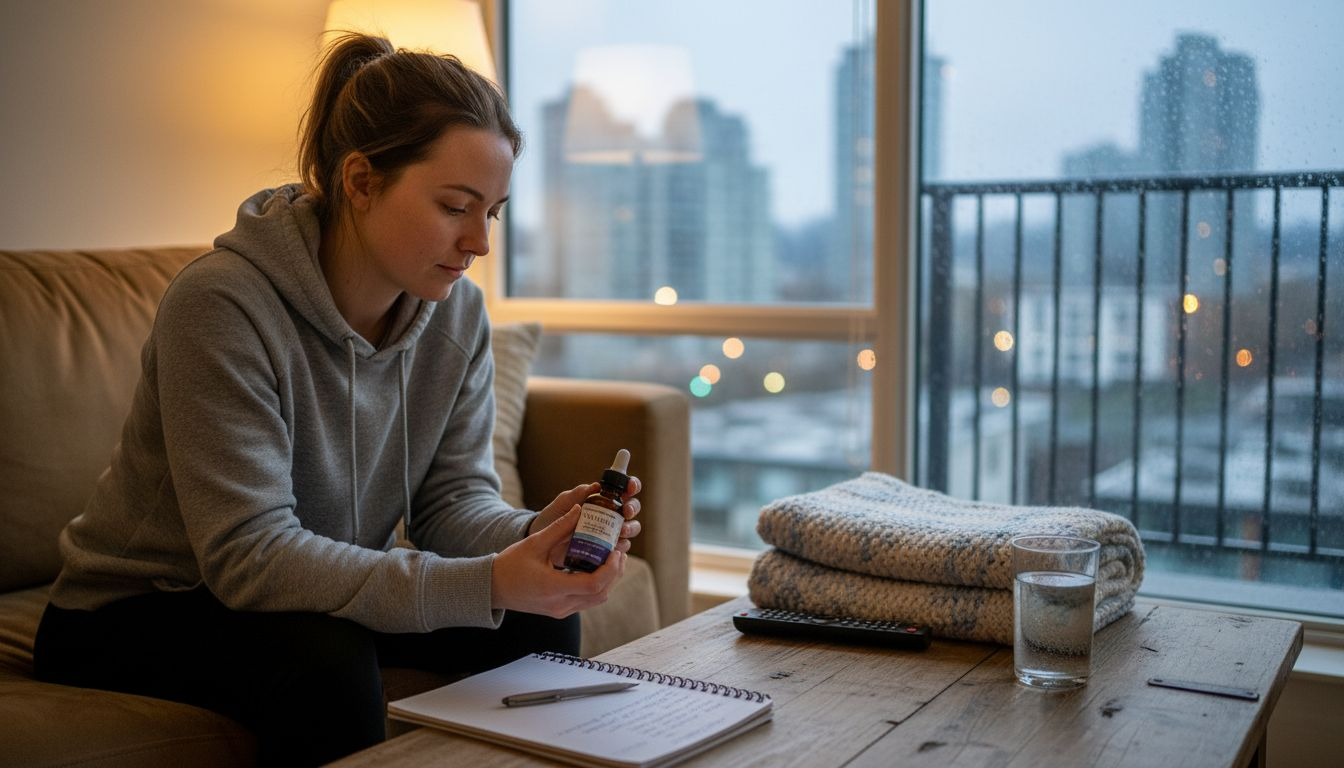
CBD works through entirely different pathways. It doesn’t make you drowsy directly. Instead, CBD appears to influence sleep by reducing anxiety, which is one of the biggest sleep disruptors for many people. If racing thoughts or worry keeps you awake, CBD addresses that root cause rather than forcing sedation. CBD also doesn’t suppress REM sleep the way THC does, making it potentially safer for long-term use. The catch is that CBD affects people very differently. Some experience noticeable sleep improvement within days. Others notice nothing at all. The dose matters substantially with CBD as well. Too little does nothing, but unlike THC, taking more CBD doesn’t necessarily mean stronger effects. There’s a dose ceiling where additional CBD doesn’t produce additional benefits. For sleep specifically, many Canadian users find CBD most effective when combined with other lifestyle changes like reducing screen time before bed rather than relying on CBD alone to fix sleep problems.
Then there’s CBN, the mysterious third player. CBN is a degradation product of THC, meaning old cannabis naturally converts to CBN over time. It’s heavily marketed as a sleep aid, but scientific evidence for CBN’s sleep benefits remains limited. The research exists, but it’s sparse compared to THC and CBD studies. What we know is that CBN has weaker psychoactive effects than THC and may have sedative properties, but “may have” is the operative phrase. Some people report it helps their sleep. Others notice nothing. The problem is that most CBN products sold today contain minimal actual CBN percentage, often mixed with THC. You’re potentially paying premium prices for what amounts to a minor THC product with marketing hype about CBN.
The practical reality for Canadian consumers involves understanding your specific sleep problem first, then matching the cannabinoid to that problem. Can’t fall asleep but sleep well once you’re under? THC might help short term, though tolerance develops quickly. Wake up anxious or with racing thoughts? CBD deserves a trial. Want to avoid any psychoactive effects? Pure CBD or CBD dominant products are your path. Interested in CBN? Be realistic about the limited research and don’t overpay for marketing claims. Many users find the most effective approach combines cannabinoids rather than relying on a single one. A 1:1 THC to CBD ratio, for example, often provides sleep benefits without the intense REM suppression of high THC products.
Timing matters as much as which cannabinoid you choose. THC takes 30 to 60 minutes to affect you when ingested as an edible, longer than smoking. CBD’s effects build gradually over days of consistent use rather than producing immediate results. CBN’s timeline remains unclear due to limited research. Starting with low doses and tracking your sleep quality for at least two weeks helps you understand what’s actually working versus placebo effect.
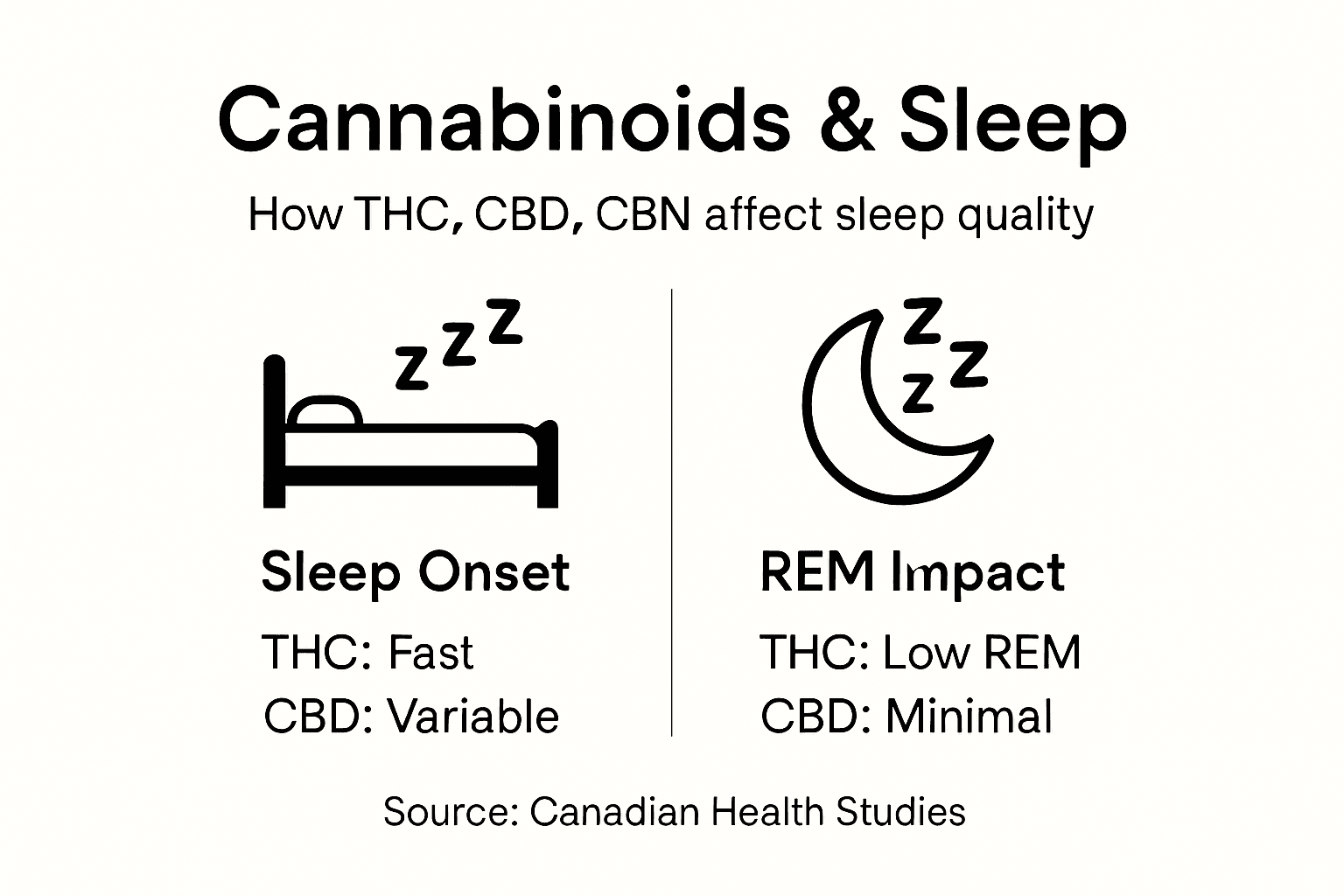
To better understand how cannabinoids impact sleep, here’s a summary of their effects:
| Cannabinoid | Sleep Onset | REM Sleep Impact | Best For |
|---|---|---|---|
| THC | Faster onset | Suppresses REM sleep | Short-term insomnia |
| CBD | Anxiety reduction | Little REM suppression | Anxiety-related sleep issues |
| CBN | May be sedating | Unclear due to limited research | Mild sleep initiation support |
Pro tip: Keep a simple sleep journal tracking which product you used, dosage, time consumed, and how you felt the next morning, since this personal data reveals patterns that no general advice can provide.
Walking into a cannabis store looking for sleep support can feel overwhelming. The product selection has exploded in Canada, with options ranging from traditional flower to sophisticated edibles, oils, tinctures, and vaporisers. Each format delivers cannabinoids differently, affecting how quickly they work, how long they last, and what your overall experience feels like. The product type you choose matters as much as the cannabinoid content itself. Understanding the strengths and limitations of each option helps you make informed decisions rather than randomly grabbing whatever has the best packaging or lowest price.
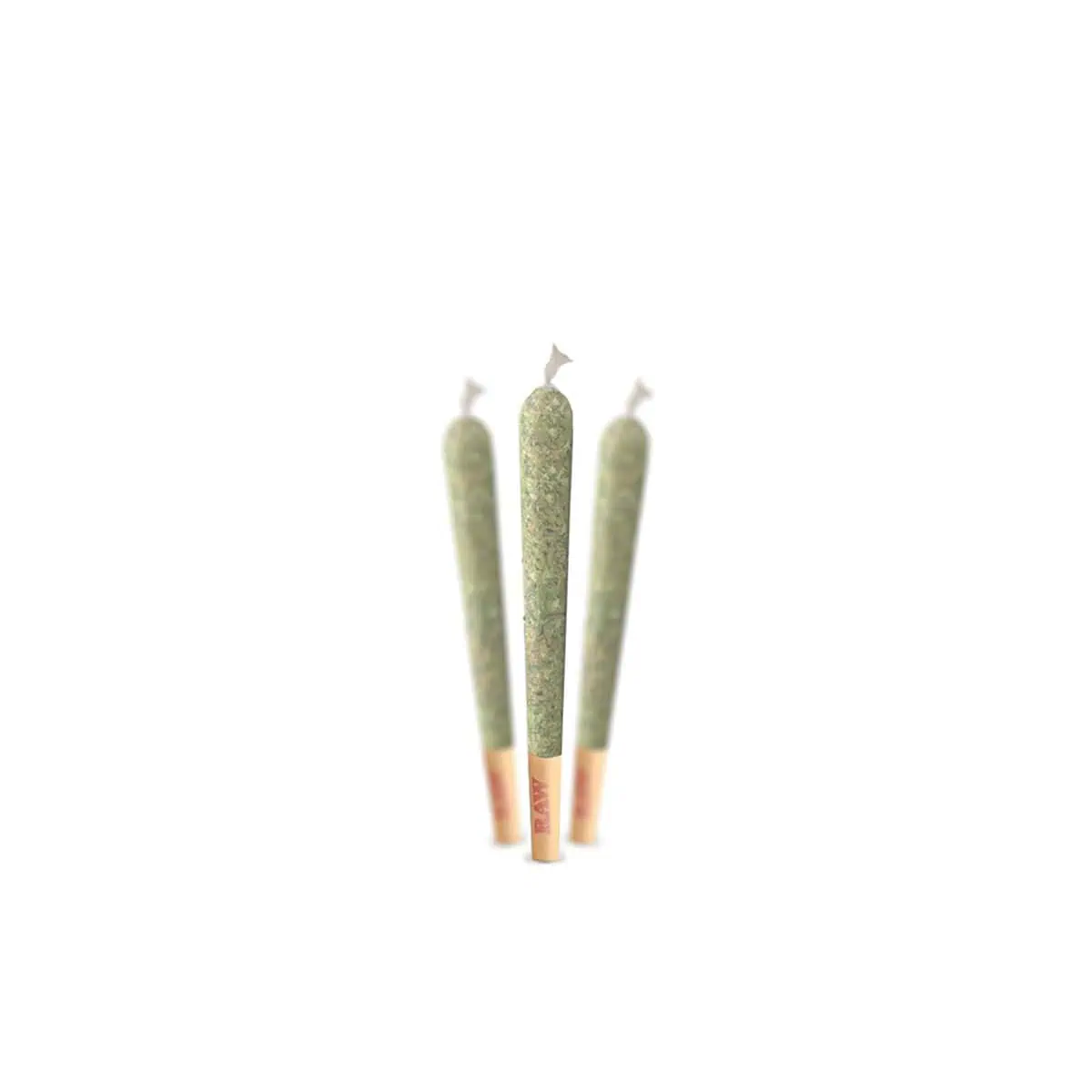
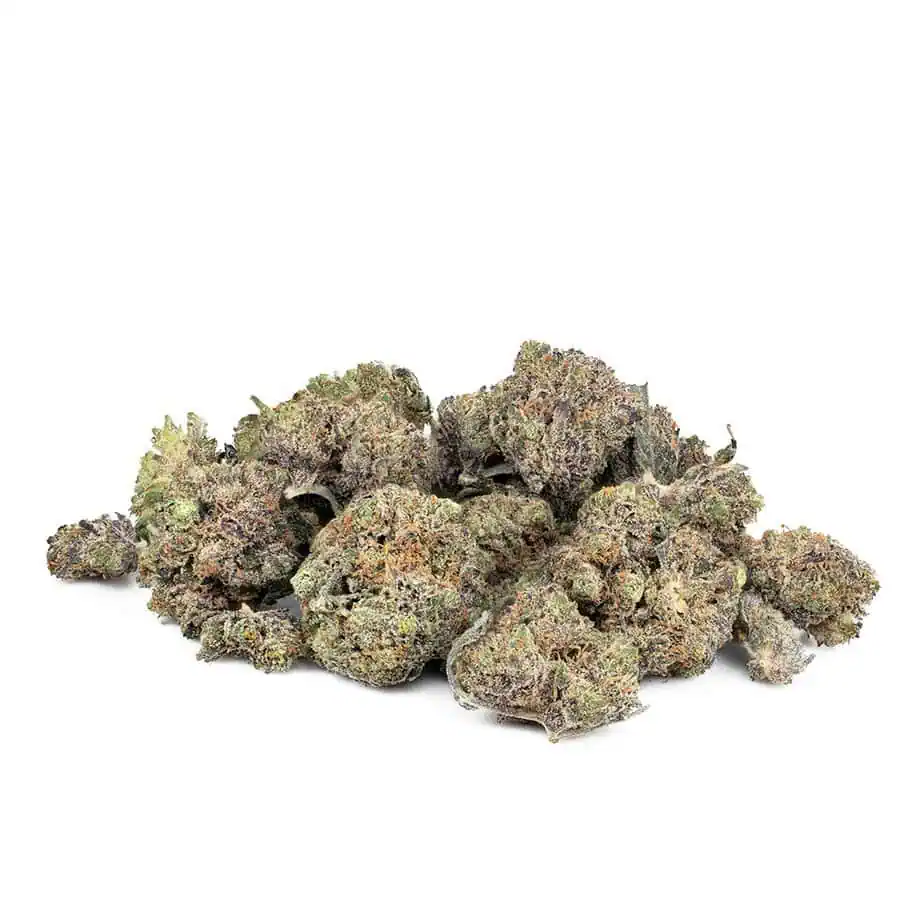
Let’s start with the most traditional option: dried flower. Cannabis flower is what most people think of when they imagine cannabis. You smoke or vaporise it, and effects arrive within minutes. This speed appeals to people who want immediate relief from insomnia symptoms. The downside is dosage control. You can’t precisely measure how much THC or CBD you’re consuming from a joint. Different parts of the same bud contain different cannabinoid concentrations. Smoking anything irritates your throat and lungs, which matters if you value respiratory health. Vaporising flower avoids combustion and is gentler on your lungs, though it requires purchasing a vaporiser device. The effects from flower also fade relatively quickly, typically lasting three to four hours. That works well if you only need help falling asleep, but if you wake up at 3 a.m. with racing thoughts, you’ll need another dose.
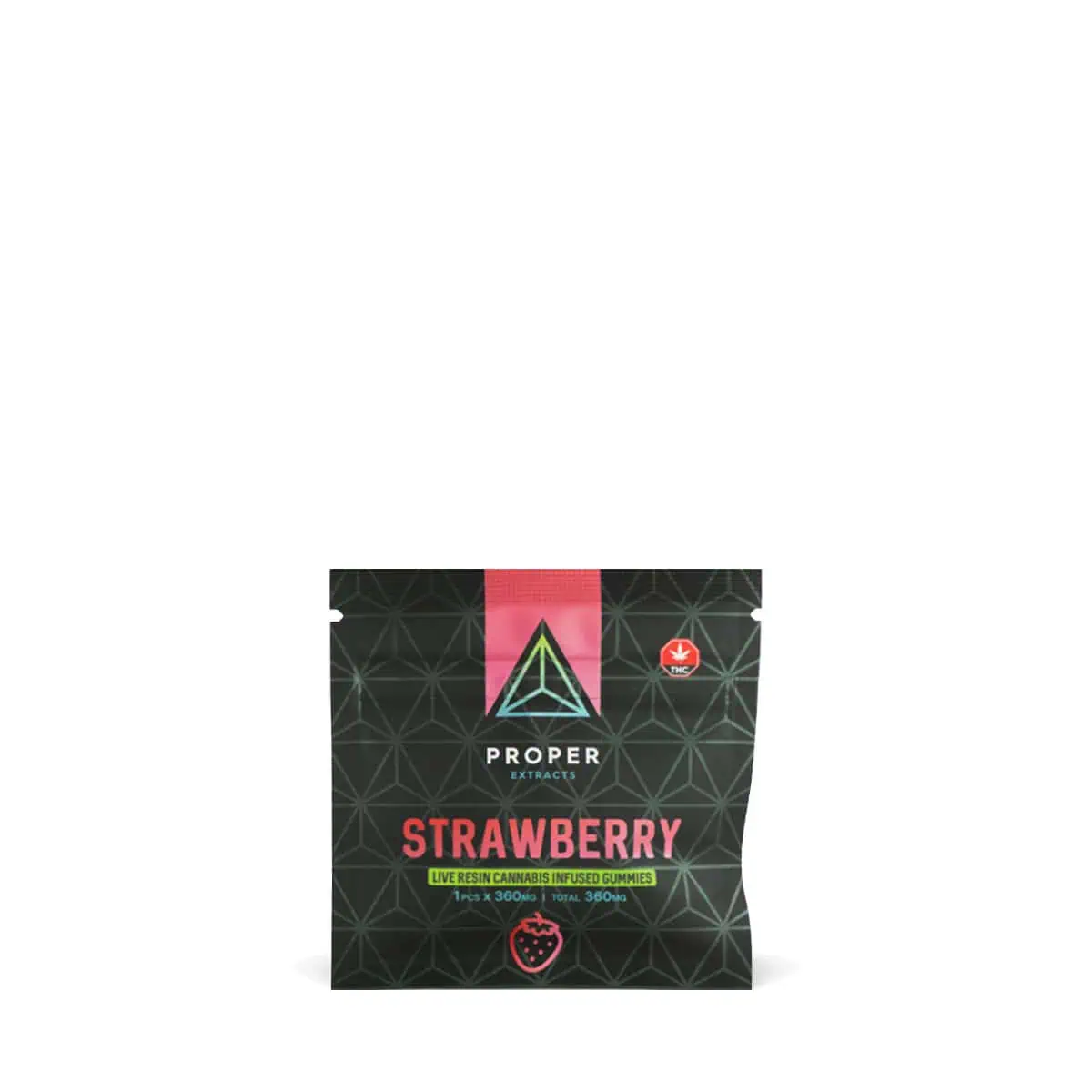
Edibles represent the opposite approach. Gummies, chocolates, oils, and other edible products get processed through your digestive system, meaning onset takes 60 to 120 minutes. The wait feels long when you’re lying awake wishing you were asleep. However, edibles deliver long, consistent effects. A 10 mg THC gummy typically provides effects lasting six to eight hours, perfect for people who struggle with both falling asleep and staying asleep. Edibles offer precise dosing since products clearly state cannabinoid content. The challenge involves consistency across your digestive system. Eating a full meal slows absorption. Taking an edible on an empty stomach speeds it up. This variability can make finding your optimal dose tricky. Cannabis products marketed for sleep increasingly include gummies and oils designed specifically for overnight support with extended-release formulations becoming more common.
Tinctures sit between flower and edibles in terms of convenience and effectiveness. A tincture is a liquid you place under your tongue, where cannabinoids absorb directly into your bloodstream through the sublingual tissue. Effects arrive faster than edibles, typically within 20 to 30 minutes, but slower than smoking. Tinctures offer precise dosing with a dropper that measures exact millilitres. The flavour can be unpleasant since many cannabis tinctures taste bitter, though flavoured options exist. Tinctures work well for people who want control, speed, and long effects without the respiratory impact of smoking or the digestive variables of edibles.
Capsules and pills provide pharmaceutical-like convenience. You swallow them like any other supplement, and they work similarly to edibles since they digest through your stomach and intestines. The appeal is maximum discretion and standardisation. Every capsule contains identical dosage. No measuring, no guessing, no taste. The downside is the same as edibles: you’re waiting 60 to 120 minutes for effects. People often dismiss capsules as “boring,” but for someone prioritising consistency and ease, they’re genuinely practical.
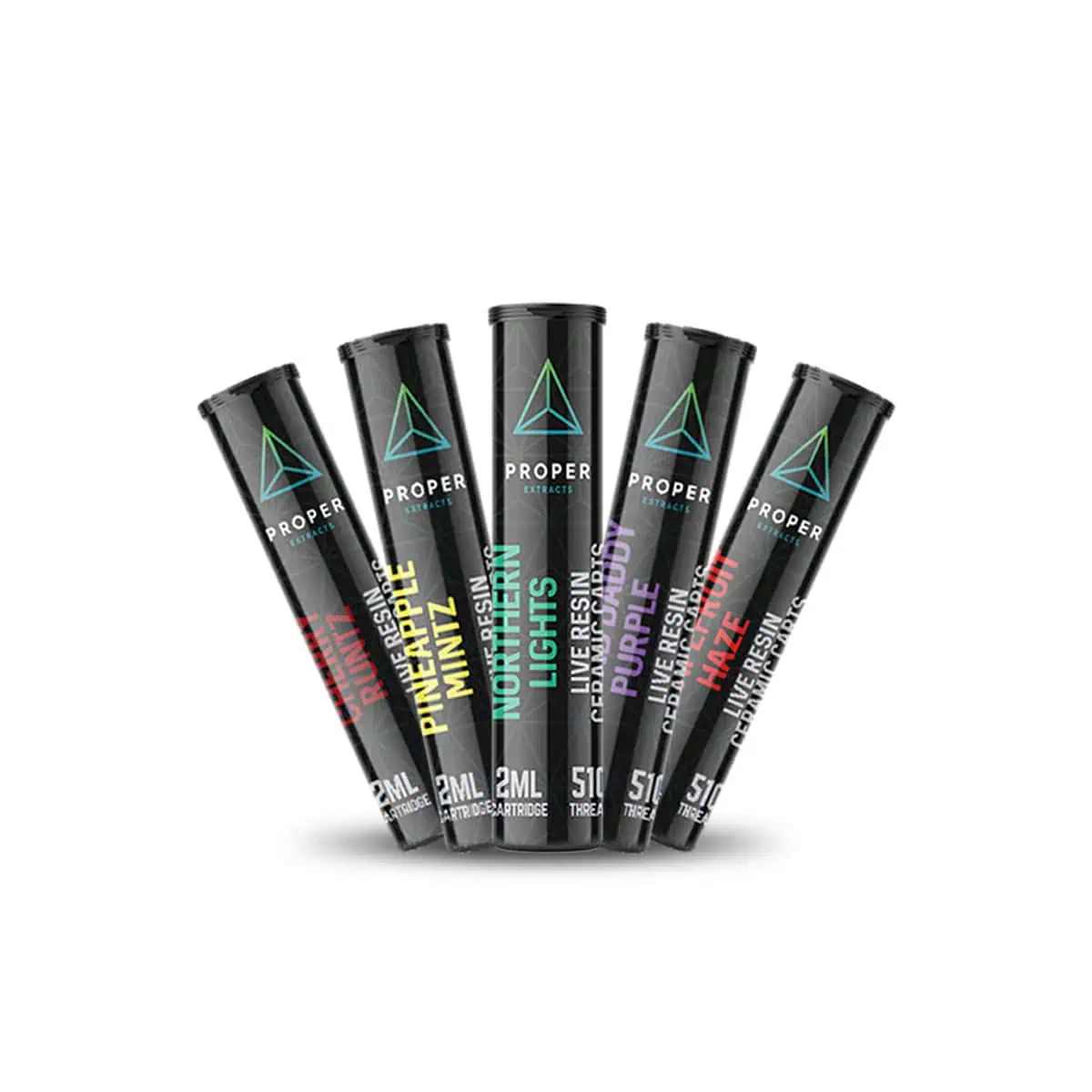
Oils deserve special mention because they’re incredibly versatile. You can take cannabis oil directly under your tongue, add it to food, or even apply it to skin. Medical cannabis delivery methods like oils provide flexibility for different patient needs and preferences. Oils dissolve in fat, so taking them with food increases absorption. They offer precise dosing and decent shelf life. The main issue is that quality varies dramatically between products, and some oils taste strongly of cannabis.
One critical consideration many people ignore: product quality and testing. Canadian cannabis products are legally required to include lab testing results showing actual cannabinoid content. This matters tremendously. A gummy claiming 10 mg THC actually contains 10 mg. That reliability doesn’t exist in unregulated markets. Check the lab report before buying. Look for products tested for pesticides and heavy metals as well.
Choosing between these formats depends on your specific sleep challenge. Need to fall asleep fast? Flower or vaporised products work fastest. Wake up multiple times nightly and need effects lasting until morning? Edibles or capsules provide that coverage. Want precision dosing with moderate speed? Tinctures are ideal. Want maximum convenience and consistency? Capsules win. Many sleep optimisers use multiple formats. Perhaps a tincture 30 minutes before bed helps with falling asleep, then a longer acting edible ensures you stay asleep throughout the night.
Here’s a quick comparison of popular cannabis product formats for sleep support:
| Product Type | Onset Time | Duration | Dosing Precision |
|---|---|---|---|
| Flower/Vaporiser | 5-10 minutes | 3-4 hours | Low (inconsistent potency) |
| Edibles | 60-120 minutes | 6-8 hours | High (labelled dosage) |
| Tincture | 20-30 minutes | 4-6 hours | High (dropper measured) |
| Capsules/Pills | 60-120 minutes | 6-8 hours | Very high (standardised) |
Pro tip: Start with the lowest available dose in whatever format you choose, then track the onset time, duration, and sleep quality for at least three nights before adjusting upward since individual absorption rates vary dramatically.
Cannabis might help you fall asleep tonight, but the question nobody asks until it’s too late is what happens after months or years of regular use. The sleep benefits you experience in week one often disappear by week eight, yet many people continue using cannabis nightly because stopping feels harder than continuing. This is where the gap between short-term relief and long-term health consequences becomes painfully obvious. Understanding these risks isn’t meant to scare you away from cannabis entirely. Rather, it’s about making informed decisions based on evidence instead of hoping your situation will be different from what research suggests.
Tolerance develops faster with cannabis than many people expect. Within two to four weeks of nightly use, the same dose becomes noticeably less effective. Your brain adapts to regular THC or CBD exposure, requiring higher amounts to achieve the initial effect. This escalation creates a problematic cycle. You started using 5 milligrams of THC to fall asleep. By week six, you need 15 milligrams. By week twelve, you need 25 milligrams. The financial cost increases, but more importantly, you’re consuming larger quantities of a substance your body has become dependent on. Cannabis tolerance and withdrawal effects disrupt sleep quality particularly through rebound insomnia when stopping use after developing dependence. Rebound insomnia is brutal. You stop cannabis expecting to sleep normally again. Instead, you experience worse insomnia than before you started. Your sleep feels fragmented, you wake frequently, and you feel exhausted. This typically lasts one to three weeks, though some people experience longer disruption. Many people restart cannabis use simply to escape the rebound insomnia, essentially trading one problem for a dependency.
REM sleep suppression represents another significant concern that gets overlooked in casual conversations about cannabis for sleep. THC suppresses REM sleep, the stage where your brain processes emotions, consolidates memories, and performs critical maintenance. You might sleep eight hours on cannabis, but you’re missing REM sleep stages. Over weeks and months, this accumulates. Your brain doesn’t get the emotional processing it needs. Your memory consolidation suffers. Your mood regulation deteriorates. You feel more anxious, more irritable, more emotionally reactive than normal. When you finally stop using cannabis, your brain attempts to catch up on all the missed REM sleep, resulting in vivid, sometimes disturbing dreams and fragmented sleep during withdrawal. The recovery period allows your sleep architecture to normalise, but you’ve lost months of quality sleep in the interim.
Long-term heavy cannabis use carries broader health risks beyond sleep. Long-term cannabis use impacts cognitive function and brain health in ways that affect sleep and overall wellness. Research shows associations with memory problems, difficulty concentrating, reduced motivation, and altered brain function. These cognitive changes can themselves disrupt sleep. Your racing mind can’t settle. Your ability to manage stress declines, increasing anxiety at night. The irony becomes painful: you started using cannabis to improve sleep, but long-term use creates cognitive and psychological changes that actually worsen sleep quality independent of the direct pharmacological effects.
Withdrawal symptoms extend beyond rebound insomnia. When you stop regular cannabis use, you may experience irritability, anxiety, mood swings, decreased appetite, and sleep disturbances lasting one to two weeks. The severity depends on how much you used and for how long. Daily use for six months creates more significant withdrawal than occasional use for one month. Some people experience withdrawal symptoms so uncomfortable that they restart cannabis use rather than endure the adjustment period. This creates a genuine dependency pattern where psychological and physiological factors make stopping difficult.
One reality that doesn’t get discussed enough: cannabis use for sleep can mask underlying sleep disorders. You might have undiagnosed sleep apnoea, restless leg syndrome, or another condition genuinely requiring medical treatment. Cannabis sedates you enough that you sleep despite the underlying problem continuing untreated. You feel temporarily better, but the underlying issue progresses. Years later, you discover you have a serious untreated condition that’s now worse. This is why occasional cannabis use for temporary sleep problems differs fundamentally from nightly use as a permanent solution.
The Canadian context adds another consideration. Cannabis potency has increased dramatically over the past decade. Products containing 20 to 30 percent THC are now standard. Your parents’ occasional joint from decades past contained far less THC than today’s products. Higher potency means greater risk of tolerance development and more intense withdrawal when stopping.
Pro tip: Set a predetermined stopping point before you start using cannabis for sleep, such as using it for only two weeks for acute insomnia or limiting use to three nights weekly for chronic issues, since establishing boundaries beforehand prevents gradual dependency creep.
You’re standing in your local pharmacy or cannabis store, staring at options that promise sleep improvement. Melatonin, antihistamines, prescription benzodiazepines, cannabis edibles, prescription sedatives. Each claims to be your solution. The reality is that each works through different mechanisms, carries different risks, and suits different sleep problems. Treating them all the same is like treating a headache and a broken leg with the same approach. Understanding how these options genuinely differ helps you make choices aligned with your specific situation rather than just picking whatever your friend recommended.
Let’s start with over-the-counter options. Melatonin is the most popular OTC sleep aid in Canada. It’s a naturally occurring hormone that signals to your body that it’s time to sleep. The appeal is obvious: it’s cheap, accessible, and has a decent safety profile. However, melatonin works best for resetting your sleep schedule after travel or shift changes. It’s less effective for people with primary insomnia who can’t fall asleep despite fatigue. Most people use far too much melatonin as well. Research suggests 0.5 to 3 milligrams is optimal, yet most commercial products contain 5 to 10 milligrams. More isn’t better. Higher doses don’t improve sleep and may cause next-day grogginess. Antihistamines like diphenhydramine are another OTC staple. They cause drowsiness as a side effect, which is why they’re marketed for sleep. The problem is that your body builds tolerance rapidly. After one to two weeks of nightly use, they stop working. Plus, they can leave you feeling groggy the next morning, affecting your ability to function during the day.
Prescription sleep aids operate entirely differently. Benzodiazepines like diazepam and lorazepam work by enhancing GABA, a neurotransmitter that quiets brain activity. They work quickly and reliably. However, they carry serious risks including dependency, tolerance, cognitive impairment, and complex sleep behaviours where you do things while sleeping without remembering them. Doctors now typically reserve benzodiazepines for short-term acute insomnia rather than long-term use. Sedative hypnotics like zolpidem and zopiclone work similarly but with a slightly different mechanism. They also create dependency and tolerance issues. Non-benzodiazepine options like trazodone are sometimes prescribed off-label for sleep. It’s an antidepressant that causes drowsiness as a side effect. It works for some people but carries its own risks including dizziness, weight gain, and sexual dysfunction. The critical point about all prescription sleep aids is that they’re designed for short-term use, typically two to four weeks. Using them longer than intended creates dependency and reduces their effectiveness.
Sleep medications and cannabis differ significantly in mechanisms, efficacy, and risk profiles when evaluated across different sleep disorders and individual circumstances. Cannabis operates through cannabinoid receptors, not the same pathways as pharmaceutical sleep aids. THC can help you fall asleep quickly, but it disrupts REM sleep and builds tolerance rapidly. CBD doesn’t cause the same REM suppression but has weaker sedating effects. Unlike prescription medications which are designed for short-term use, cannabis is often used nightly for extended periods, creating tolerance and dependency patterns that don’t occur with properly prescribed pharmaceuticals.
Here’s the practical comparison. Need help falling asleep for a week after surgery or injury? Low-dose melatonin or short-term prescription sedatives work well. Have ongoing anxiety disrupting your sleep? CBD might help address the root cause better than sedation alone. Wake up at 3 a.m. consistently with racing thoughts? Prescription antidepressants like trazodone sometimes help, though effectiveness varies. Want to avoid pharmaceutical side effects? Cannabis appears appealing, but understand that long-term cannabis use creates its own set of problems including tolerance, withdrawal symptoms, and cognitive effects. The romantic notion of cannabis as a “natural” alternative without downsides doesn’t match the evidence.
One critical difference: pharmaceutical sleep aids have decades of research documenting their effects, side effects, and long-term outcomes. Cannabis for sleep has limited research by comparison. Doctors can predict reasonably well what will happen if you take a sleeping pill nightly for six months. They can’t make that same prediction with cannabis because the research simply doesn’t exist at that scale. You’re essentially experimenting on yourself when using cannabis long-term.
Cost varies dramatically as well. OTC options cost five to fifteen dollars monthly. Prescription medications cost ten to fifty dollars depending on your insurance. Cannabis varies wildly but typically costs thirty to one hundred dollars monthly for regular use. If cost is your primary concern, OTC melatonin is your cheapest option, though it works best for specific situations rather than general insomnia.
The most important consideration is addressing why you’re not sleeping. Insomnia has causes: sleep apnoea, circadian rhythm disorders, anxiety, pain, medication side effects, lifestyle factors. No sleep aid works optimally if the underlying cause remains untreated. A prescription might help you sleep despite sleep apnoea, but the apnoea continues damaging your health. Cannabis might help you sleep despite untreated anxiety, but your anxiety remains untreated. All of these options are band-aids on wounds requiring real treatment.
Pro tip: Before trying any sleep aid, consult a healthcare provider or sleep specialist to identify the actual cause of your insomnia, since addressing root causes prevents wasted money on ineffective treatments and avoids masking serious sleep disorders.
Struggling with sleepless nights and unsure which cannabis option suits your unique needs Cannabis affects sleep in many ways depending on THC, CBD, and product type. Whether you want to reduce anxiety, improve sleep onset, or manage chronic pain impacting your rest exploring carefully selected strains and formats can make all the difference Don’t let confusion or tolerance risk keep you tossing and turning Find tried and tested products designed to support your sleep journey with transparency and quality assurance on GreenSociety.cc

Take control of your sleep health now by browsing our diverse selection of flowers, edibles, tinctures, and more Each product includes lab testing details so you know exactly what you get Start with low doses and track your progress with our educational guides available online Shop confidently knowing you have access to discreet, fast shipping across Canada Visit GreenSociety.cc and begin your path to restful nights today
THC can help you fall asleep faster by reducing sleep latency; however, it may suppress REM sleep, which is crucial for emotional processing and memory consolidation. Over time, this effect can lead to tolerance, requiring higher doses for the same effect and contributing to sleep disruption upon withdrawal.
CBD does not directly induce drowsiness but may reduce anxiety, which can be a significant barrier to falling asleep. Unlike THC, it does not suppress REM sleep, making it a potentially safer option for long-term use, although its effectiveness can vary greatly from person to person.
Dried flower and vaporizers provide fast onset effects (5-10 minutes) but for a shorter duration (3-4 hours). Edibles offer longer-lasting effects (6-8 hours) but take longer to kick in (60-120 minutes). Tinctures strike a balance with moderate onset (20-30 minutes) and effective dosing precision. Capsules are discreet and consistent but have a similar delayed onset as edibles.
Long-term use of cannabis for sleep can lead to tolerance, dependence, and withdrawal symptoms, including rebound insomnia. Moreover, regular THC use can suppress REM sleep, leading to cognitive issues over time. Addressing the root causes of sleep disturbances is crucial to avoid masking underlying problems with cannabis.