Free Shipping
on orders over $150.00
$0.00
$150.00
Add $150.00 more for free shipping!


Sorting fact from fiction in cannabis shipping can quickly feel overwhelming for Canadian e-commerce managers confronting rules that shift across provincial borders. Every shipment faces a unique set of hurdles, where federal guidelines, provincial mandates, and municipal restrictions stack together. In 2025, cannabis products remain classified and regulated with country-specific thresholds and licensing requirements, making compliance not just a best practice but a business necessity for anyone moving product across Canada or considering international options.
| Point | Details |
|---|---|
| Understanding Cannabis Shipping Laws | Shipping cannabis involves navigating complex federal and provincial laws; only licensed entities can ship across provincial lines. |
| Accurate Product Classification is Crucial | Misclassifying cannabis products can lead to severe compliance violations; proper categorisation is vital for legal shipping. |
| Utilise Licensed Courier Services | Major carriers prohibit cannabis shipments; partner with licensed couriers that comply with regulatory requirements. |
| Maintain Robust Compliance Measures | Document all shipments meticulously and ensure adherence to regulations to protect against legal liabilities and audits. |
Cannabis shipping laws exist in a peculiar space where federal prohibition clashes with provincial legality. What you can do legally in your warehouse might remain illegal across provincial lines, which creates genuine confusion for e-commerce operators. The distinction between what’s lawful and what’s permitted hinges on understanding that Canada’s cannabis regulations operate at multiple levels: federal frameworks set by Health Canada, provincial shipping rules, and municipal restrictions layered on top.
Many e-commerce managers believe shipping cannabis follows the same rules as other restricted goods. That’s incorrect. Unlike shipping alcohol or pharmaceuticals, cannabis occupies a unique regulatory category. Understanding cannabis shipping policies requires recognising that shipping between provinces involves federally-licensed retailers and distributors, not just any business. Your operational status determines what you can and cannot ship.
One persistent myth suggests that if cannabis is legal in your province, you can ship it anywhere in Canada. Reality proves far more complicated. Provincial boards and regulatory bodies maintain strict control over interprovincial movement. Only licensed producers, licensed retailers, and licensed wholesalers can legally ship across borders. Unlicensed operators face serious penalties regardless of where they operate.
Another common misconception involves mixing personal and commercial shipments. Some operators assume private individuals can receive cannabis through regular courier services the same way businesses can. This creates operational risk. Legitimate e-commerce platforms must use approved shipping methods and documentation that comply with provincial requirements. The dos and don’ts you should know about shipping weed detail these specific operational requirements.
The terminology itself matters. “Shipping” legally means something specific: the movement of cannabis products through licensed channels with proper documentation, tracking, and compliance reporting. This differs fundamentally from personal delivery or grey-market operations that sidestep regulatory oversight. Your shipping method, packaging, labelling, and record-keeping all serve regulatory compliance functions, not merely operational convenience.
Pro tip: Verify your facility’s operational licence status with your provincial cannabis regulator before establishing any shipping partnerships, as your licence type directly determines which provinces you can legally ship to and which products require special handling documentation.
Cannabis products don’t all follow the same shipping rules. Your e-commerce platform must classify each product accurately because legal status directly determines whether you can ship across provincial lines. Misclassifying a product as CBD when it contains THC creates compliance violations that regulators investigate aggressively.
Canada recognises several core product categories, each with distinct shipping requirements. Dried flower, concentrates, edibles, topicals, and vaporisable forms each trigger different regulatory pathways. Beyond these basics, the cannabinoid content ratios impacting scheduling and legal status determine whether products qualify as medical cannabis or recreational goods. Your THC and CBD percentages directly influence which provinces you can legally ship to.
Here’s where it gets complicated. Products with THC content above specific thresholds fall under different regulatory classifications than hemp-derived products. Many e-commerce operators assume low-THC products (under 0.3%) face fewer restrictions, but Canadian provincial rules don’t necessarily align with these international thresholds. Some provinces maintain stricter limits. Your product’s legal classification in Ontario differs from its classification in British Columbia or Quebec.
Medicinal cannabis products require physician oversight, which creates shipping restrictions that recreational products avoid. If your inventory includes medicinal formulations, you’ll need different licensing, different documentation, and different approved shipping channels than recreational operators. Legal classifications of cannabis products in 2025 reflect THC content thresholds and intended use, influencing which business models can legally distribute them.
Edibles and concentrates occupy particularly tricky territory. Because edibles distribute cannabinoids throughout a product matrix, calculating actual THC content per serving becomes critical for compliance. Concentrates demand special packaging and handling requirements. Topicals with THC face different provincial regulations than topicals with CBD alone. Your product database should clearly flag these distinctions before shipment.
Accurately categorising your inventory prevents costly compliance mistakes. Provincial regulators cross-reference product descriptions with actual cannabinoid testing data. Discrepancies trigger audits, shipment holds, and potential penalties.
Here’s a side-by-side look at legal cannabis product categories and their main shipping considerations:
| Product Type | Legal Classification | Key Shipping Considerations |
|---|---|---|
| Dried Flower | Recreational or Medicinal | Standard THC/CBD labelling required |
| Edibles | Recreational or Medicinal | THC per serving and child-resistant packaging mandated |
| Concentrates | Recreational or Medicinal | Must follow strict quantity and packaging controls |
| Topicals | CBD/THC-based; varies by province | Provincial rules may restrict THC content |
| Vapour Products | Recreational or Medicinal | Must comply with battery and hazmat regulations |
Pro tip: Obtain third-party lab testing results for every product SKU and maintain detailed product classification records that specify THC percentage, CBD percentage, and intended use, so you can instantly confirm shipping eligibility when orders arrive.
Canada operates under a federal-provincial system where Health Canada sets national standards, but provinces enforce their own shipping rules. This creates a fragmented landscape where a product legal in Alberta faces restrictions in Nova Scotia. Understanding which framework applies where determines your entire shipping strategy.
Federally, Health Canada regulates cannabis production through the Cannabis Act. Licensed producers must comply with strict cultivation, testing, and tracking requirements. But here’s the catch: provinces control retail distribution and interprovincial movement. British Columbia allows licensed retailers to ship to consumers across certain regions, while Ontario restricts shipments through provincial distribution channels only. Quebec maintains even tighter controls. Your shipping method depends entirely on which province holds your licence.
Beyond Canada, international expansion introduces complexity. Cannabis regulatory frameworks worldwide reflect diverse national laws and international treaties, with countries like Germany and certain US states pioneering comprehensive legal markets. The United Nations Single Convention still constrains many countries, though medical access continues expanding. If your e-commerce platform considers cross-border shipping, you’re entering legal terrain where most jurisdictions still prohibit recreational cannabis movement.
The US presents particular challenges. Despite Cannabis being federally prohibited under the Controlled Substances Act, individual states like Colorado and California operate legal markets. You cannot legally ship cannabis from Canada into the US, period. Federal law enforcement actively prosecutes cross-border cannabis commerce. Many e-commerce operators miss this distinction between state-level legality and federal illegality.
Global medical cannabis regulation spans over 75 countries with varying licensing and production controls, though recreational markets remain concentrated in a handful of jurisdictions. Tracking country-level legislation becomes essential as regulations evolve rapidly. Provincial regulations shift annually, which means your compliance framework requires constant monitoring.
The practical implication: map your shipping destinations against current provincial regulations. Don’t assume last year’s rules apply this year.
Pro tip: Subscribe to your provincial cannabis regulator’s official email notifications and bookmark their regulatory updates page, so you receive immediate notice when shipping rules change rather than discovering violations during customer disputes.
Canadian e-commerce cannabis operators face a harsh reality: major carriers won’t touch your shipments. Canada Post, UPS, FedEx, and DHL all prohibit cannabis shipments, period. This isn’t negotiable policy. It stems from federal prohibition concerns and cross-border enforcement fears. Your entire logistics strategy must work around this carrier blacklist.
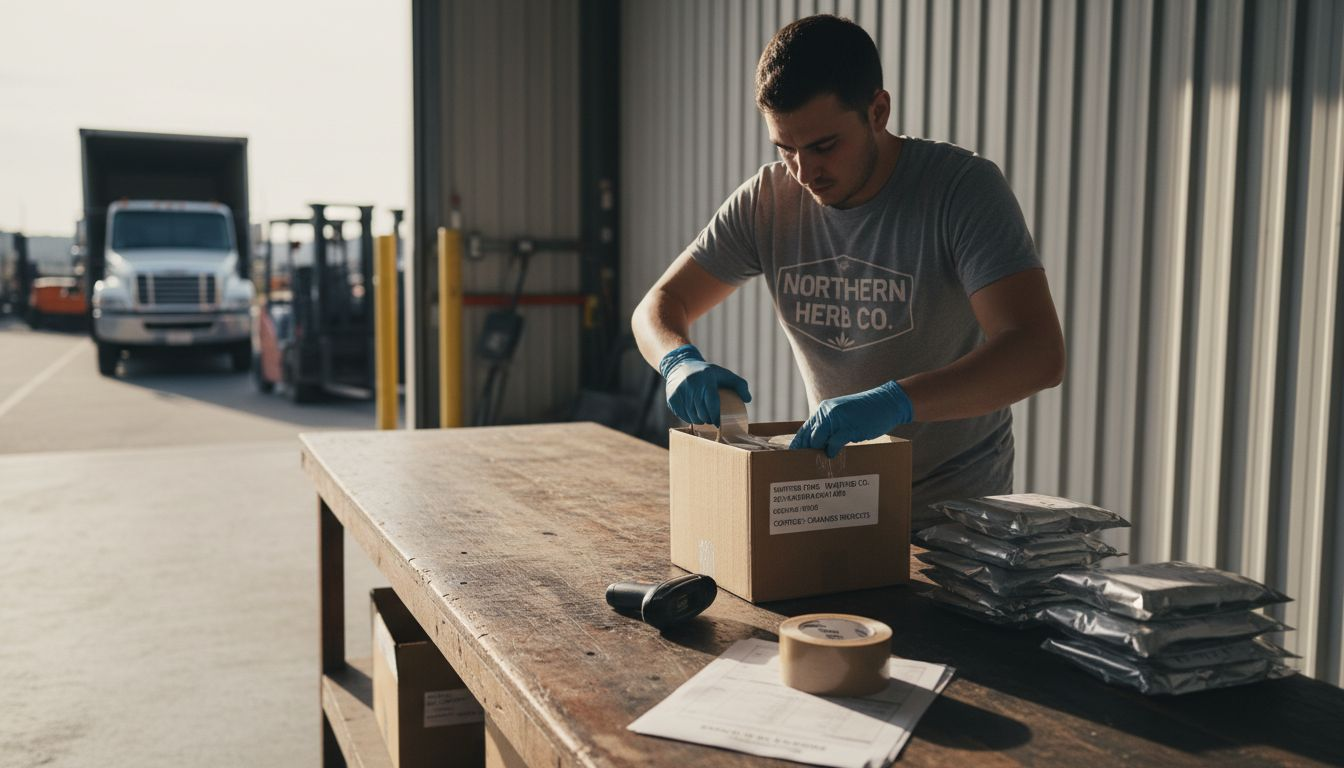
Below is a comparison of major carriers and their cannabis shipping policies in Canada:
| Carrier | Cannabis Shipping Policy | Reason for Restriction |
|---|---|---|
| Canada Post | Not permitted | Federal prohibition, legal risk |
| UPS | Not permitted | Cross-border compliance concerns |
| FedEx | Not permitted | Company-wide prohibition |
| DHL | Not permitted | Global policy, customs restrictions |
| Licensed Courier | Permitted if certified/licensed | Must meet provincial and federal requirements |
Instead, licensed cannabis retailers rely on specialised courier services that operate exclusively within Canada’s legal framework. These carriers understand provincial regulations and maintain proper documentation trails. They charge premium rates because they accept regulatory liability that mainstream carriers refuse. When you ship cannabis products, you’re not using the same supply chain as regular e-commerce businesses.
Vape products introduce additional complexity. Lithium battery regulations from PHMSA and FAA impact cannabis vape shipping significantly. Vape batteries fall under hazardous materials classifications, requiring special packaging, labelling, and handling procedures. Ground transport only. No air shipments. These constraints mean vape products ship slower and cost more than dried flower products.
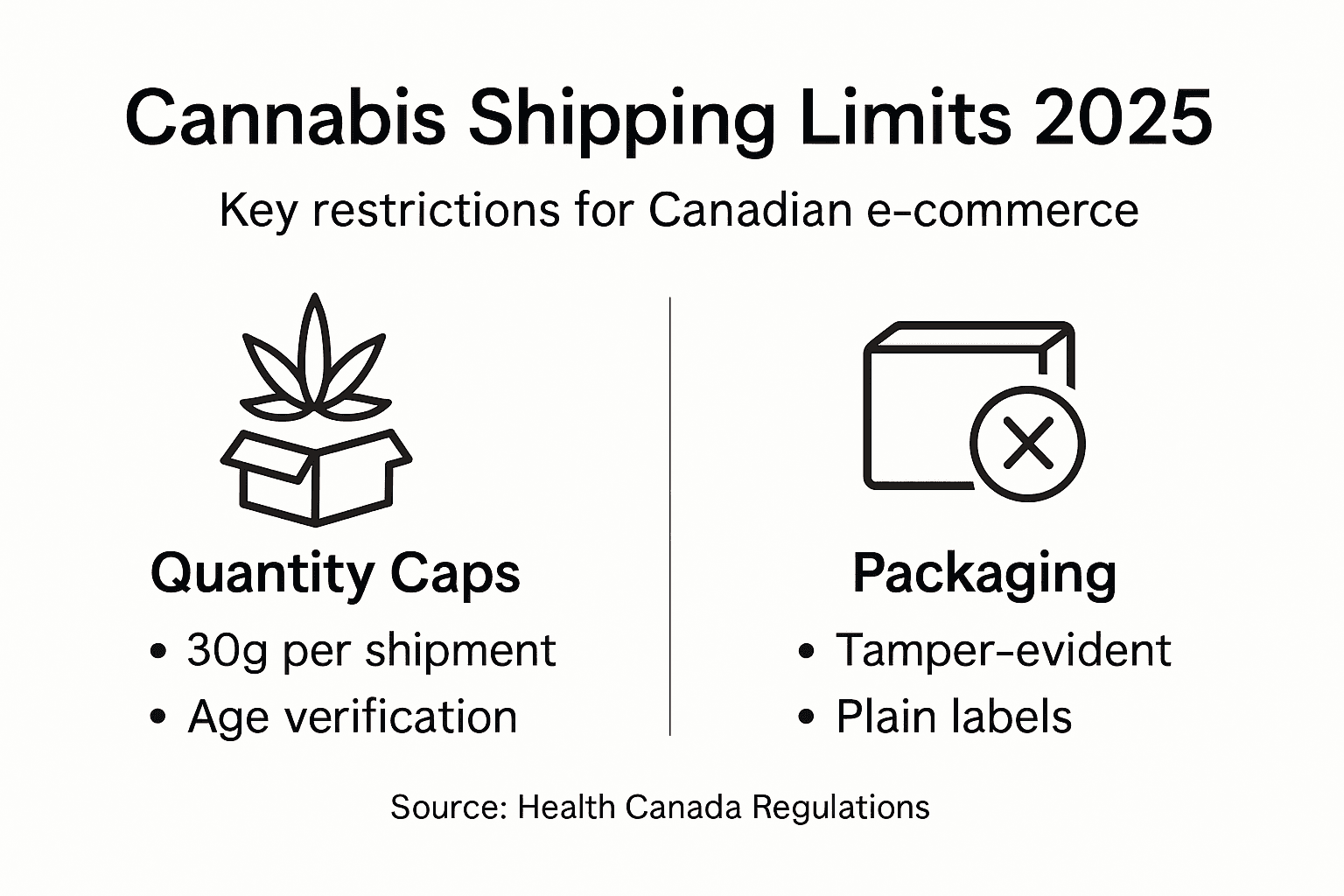
Packaging mandates differ sharply from mainstream e-commerce. Your cannabis shipments require tamper-evident containers, child-resistant packaging, and specific labelling that identifies THC content, batch numbers, and warning statements. Provincial regulations specify exact packaging dimensions and material requirements. Mistakes trigger carrier refusals or regulatory fines.
Quantity limits constrain your logistics planning. Most provinces cap the amount of cannabis a single shipment can contain. If you receive a bulk order exceeding these limits, you’ll need to split shipments across multiple deliveries, multiplying your costs. Major carriers explicitly prohibit marijuana shipments across provincial and state lines, which means non-compliance results in interception, penalties, and criminal exposure.
Document every shipment meticulously. Track numbers, timestamps, recipient verification, and carrier chain-of-custody records form your compliance foundation. If regulators audit your shipments, documentation proves you operated within legal parameters.
Pro tip: Partner with a licensed logistics provider early and confirm they carry insurance covering cannabis products in your province, rather than attempting to negotiate with mainstream carriers or using grey-market shipping solutions that expose your business to seizure and prosecution.
Cannabis e-commerce operators face liabilities that traditional retailers never encounter. A mislabelled product, a documentation error, or a shipment sent to the wrong province can trigger regulatory investigations, civil lawsuits, and criminal charges. Your compliance standards aren’t suggestions. They’re legal requirements with teeth.
Product liability represents your most immediate exposure. If a customer experiences adverse effects from a contaminated product or mislabelled edible, they can sue your business directly. Consumer claims over product contamination and mislabeling create significant legal and financial risk. Insurance companies increasingly scrutinise cannabis businesses, and some refuse coverage entirely. The costs of defending these claims exceed what many operators budget for.
Cybersecurity threats compound your liability profile. Customer data breaches involving purchase histories create privacy violations under provincial privacy laws. Ransomware attacks targeting your operations can halt shipments and trigger compliance violations. Rising regulatory complexity alongside evolving OSHA requirements create emerging compliance challenges that demand proactive management.
Documentation failures destroy businesses faster than most operators realise. Regulatory audits examine your shipping records, inventory tracking, testing certificates, and employee training logs. Gaps in documentation trigger fines, licence suspensions, or revocation. Inconsistent lab testing results across batches can invalidate entire product runs. You need systems that track every product from seed to customer delivery.
Workplace safety compliance matters more than many e-commerce managers expect. Your warehouse staff handling cannabis products fall under occupational health and safety regulations. Improper storage conditions, inadequate ventilation, or insufficient security measures create liability for employee injuries or theft.
The compliance burden demands dedicated resources. Appointing a compliance officer isn’t optional anymore. Regular audits, updated policies, employee training, and legal consultations form your defensive infrastructure. Cutting corners on compliance costs far less than defending regulatory violations.
Pro tip: Secure product liability insurance specifically covering cannabis products before your first shipment leaves your warehouse, and maintain quarterly compliance audits with a cannabis-focused legal firm rather than relying on general business counsel unfamiliar with provincial regulations.
Shipping cannabis across Canadian provinces presents complex legal challenges that can overwhelm e-commerce operators. From understanding federal and provincial shipping regulations to complying with strict carrier policies and product classifications, staying compliant is vital to avoid costly penalties or shipment delays. Recognize the importance of licensed supply chains, precise product labelling, and specialised courier services to protect your business and customers.
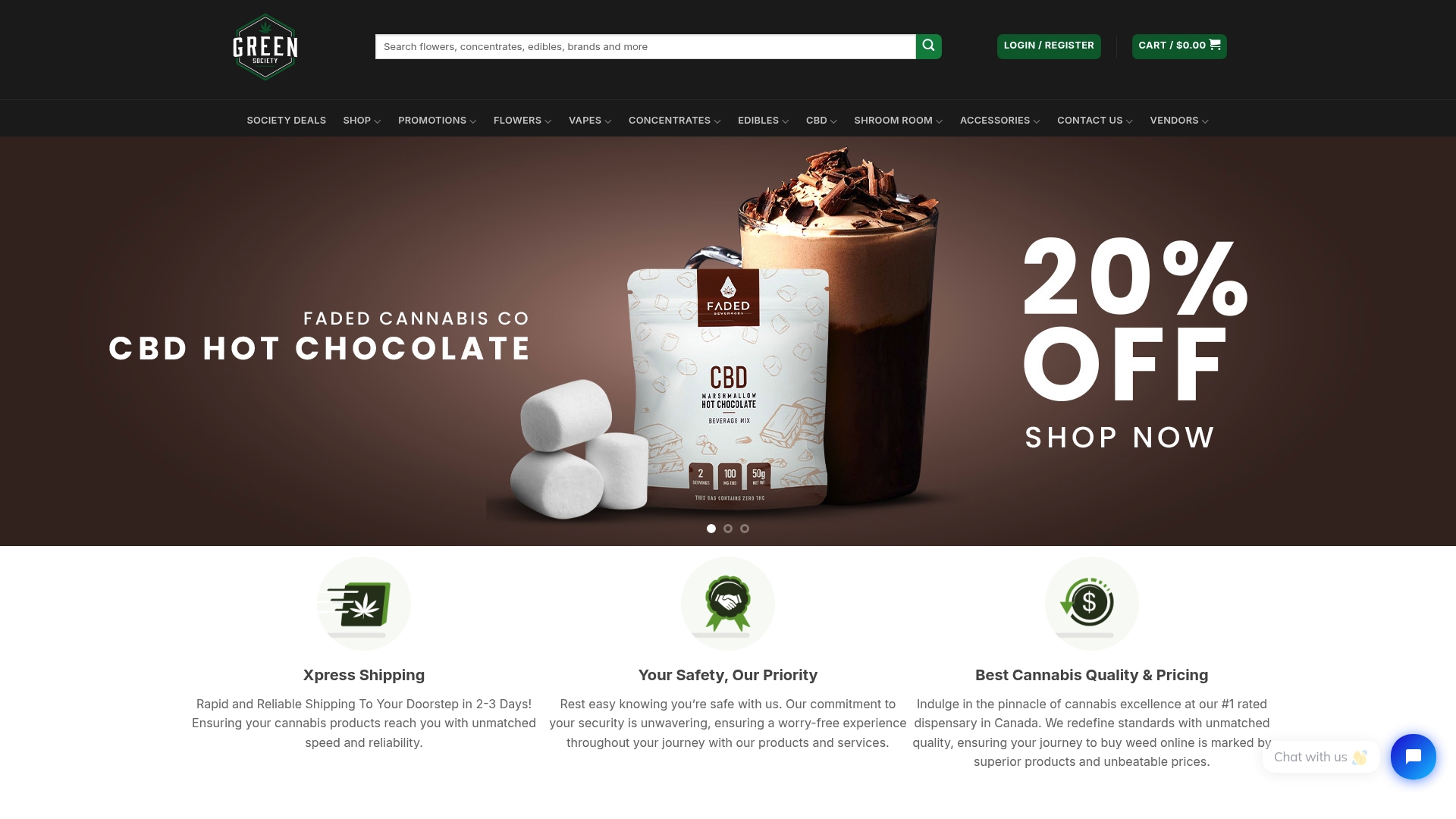
Take control of your cannabis purchasing experience by choosing a trusted platform that understands these complexities inside and out. At GreenSociety.cc, we prioritise regulatory compliance, ensuring every product—from dried flower to edibles and concentrates—is accurately classified and shipped discreetly within legal frameworks. With fast delivery, quality assurance, and a user-friendly interface, you can shop with confidence today. Visit GreenSociety.cc now and explore our comprehensive range of legal cannabis products tailored to meet your needs.
E-commerce businesses must adhere to federal regulations set by Health Canada, as well as provincial and municipal shipping rules. Only federally licensed producers, retailers, and wholesalers can ship cannabis across provincial lines, operating within strict compliance requirements.
Medicinal cannabis products require physician oversight and typically have more stringent shipping regulations compared to recreational products. Different licensing, documentation, and shipping channels apply to each category.
Accurately classify your inventory by confirming the cannabinoid content of each product. Maintaining detailed records, including THC and CBD percentages, can help prevent costly compliance violations when shipping.
Cannabis shipments must utilize tamper-evident containers and child-resistant packaging, along with specific labeling identifying THC content and batch numbers. Packaging must comply with provincial regulations to avoid fines and shipment refusals.