Free Shipping
on orders over $150.00
$0.00
$150.00
Add $150.00 more for free shipping!


Stress and chronic pain affect more than one in three North Americans, sparking growing interest in wellness cannabis among health-conscious adults. For many, understanding the difference between recreational use and strategic, evidence-based cannabis consumption is a challenge. This overview breaks down canadian legal standards, product types, potential benefits, and common mistakes so readers can make informed choices when using cannabis for wellness, stress relief, and pain management.
| Point | Details |
|---|---|
| Wellness Cannabis Understanding | Wellness cannabis focuses on health benefits rather than intoxication, utilising specific cannabinoid profiles for targeted support. |
| Cannabis Product Types | Various cannabis products, like dried flower and edibles, cater to different wellness needs, requiring careful choice based on individual goals. |
| Pain and Stress Management | Cannabinoids may offer effective alternatives for chronic pain and stress, but dosage and method of consumption are crucial for achieving desired outcomes. |
| Legal and Responsible Use | Canada’s Cannabis Act regulates consumption, emphasizing responsible use, legal age, and product safety, which varies by province. |
Wellness cannabis represents a nuanced approach to using cannabinoid compounds for potential health benefits, moving beyond traditional recreational perceptions. Cannabis compounds like THC and CBD offer complex interactions with human physiological systems that challenge simplistic understanding.
Contrary to popular myths, wellness cannabis is not about getting intoxicated but strategically utilising specific cannabinoid profiles to support bodily functions. Many individuals mistakenly believe cannabis is a universal remedy, when scientific evidence suggests targeted, carefully considered usage is more appropriate. Research indicates potential benefits for stress management, pain reduction, and mood stabilisation, but these outcomes depend on precise dosage, individual biochemistry, and specific cannabinoid concentrations.
Historically, cannabis has been mischaracterised as either a dangerous substance or a miracle cure. Modern wellness perspectives recognise it as a complex botanical with potential therapeutic applications when used responsibly. Understanding the differences between compounds like THC (psychoactive) and CBD (non-psychoactive) becomes crucial for informed consumption. Proper education helps individuals distinguish between evidence-based wellness applications and unsubstantiated claims.
Pro tip: Always consult healthcare professionals and start with low dosages when exploring cannabis for wellness, monitoring your body’s unique response carefully.
Cannabis wellness products encompass a diverse range of formulations designed to address specific health and therapeutic needs. Cannabis contains over 500 unique compounds that contribute to its complex physiological interactions, making product selection a nuanced process for individuals seeking targeted wellness support.
The primary cannabis product categories include:
Each product type offers unique advantages depending on an individual’s wellness goals. Inhalation methods provide quick onset for acute symptoms, while edibles offer sustained relief for chronic conditions. Topical applications can target specific areas of physical discomfort without psychoactive effects, making them particularly appealing for those seeking localised therapeutic benefits.
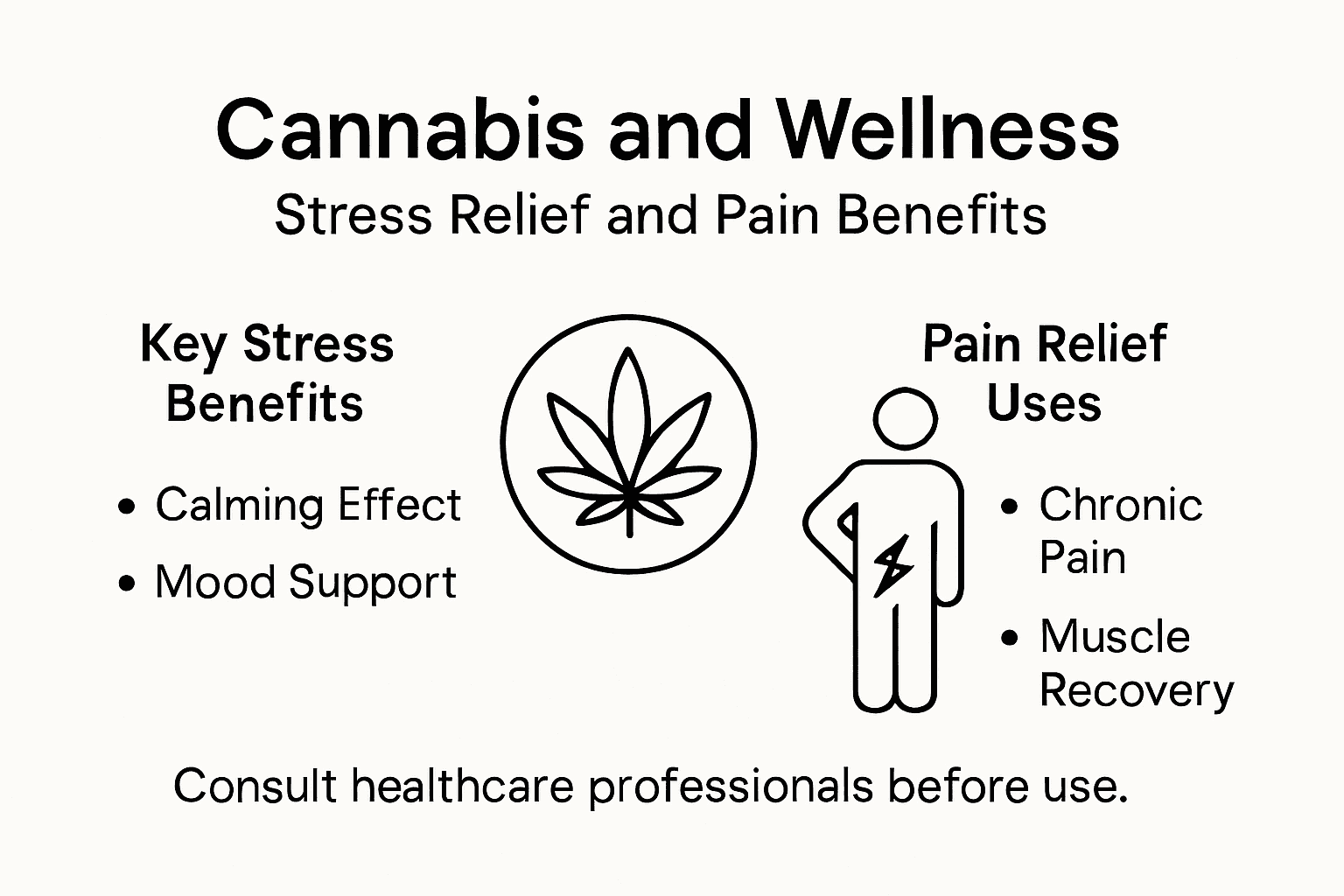
Here is a comparison of common cannabis product types and the typical onset and duration of effects:
| Product Type | Onset Time | Duration of Effects |
|---|---|---|
| Dried Flower | 1–5 minutes | 1–3 hours |
| Edibles | 30–90 minutes | 4–8 hours |
| Tinctures | 15–45 minutes | 2–4 hours |
| Topical Preparations | 15–60 minutes | 2–6 hours (localised only) |
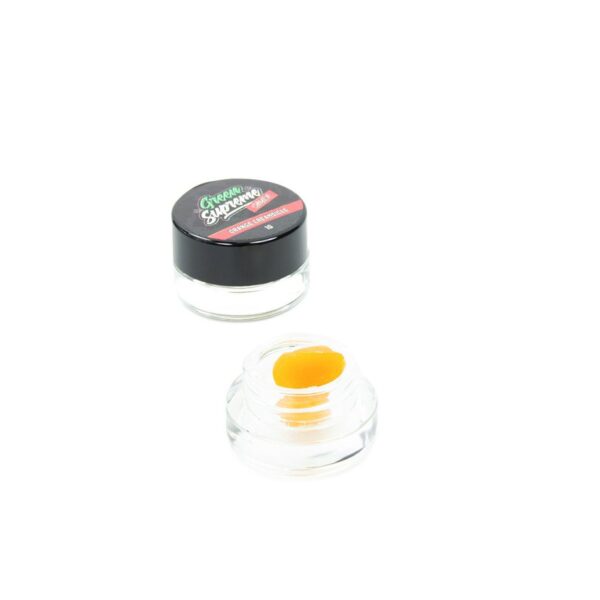
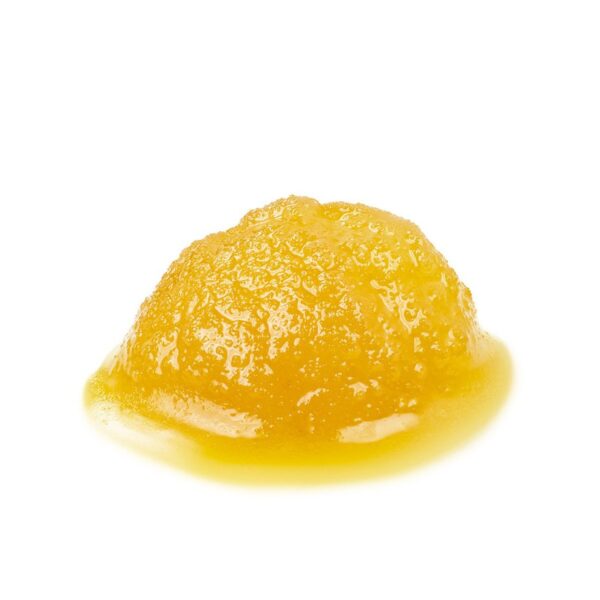
| Concentrates | 1–5 minutes | 1–3 hours |
Pro tip: Consult with healthcare professionals to match specific cannabis product types with your individual wellness objectives and personal health profile.
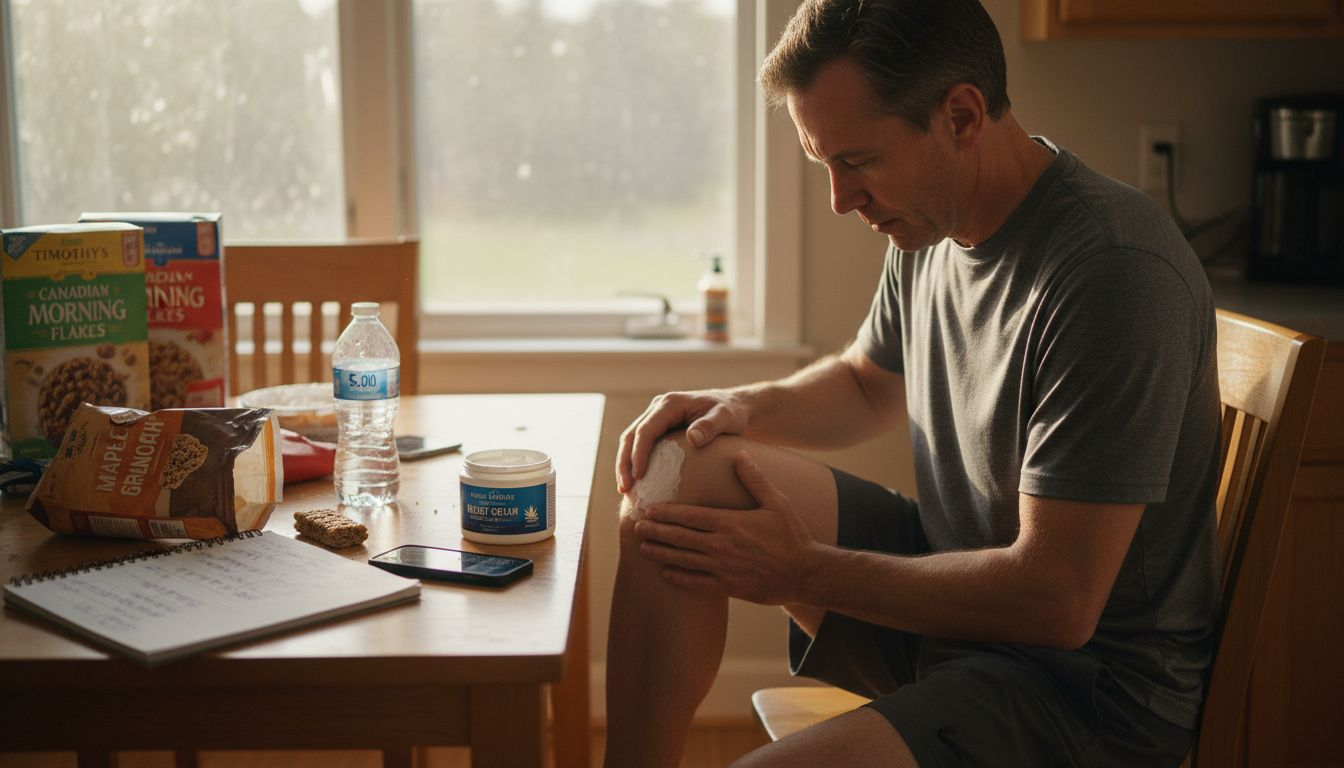
Cannabinoids offer promising alternatives for addressing chronic stress and pain management, presenting a nuanced approach to wellness that goes beyond traditional pharmaceutical interventions. These compounds interact with the body’s endocannabinoid system, modulating pain perception and stress responses through complex neurological pathways.
The primary mechanisms of cannabis in stress and pain management involve:
Research indicates that specific cannabinoid profiles can provide targeted relief, with CBD and CBG showing particular promise for managing chronic pain without the psychoactive effects associated with THC. Different consumption methods impact absorption and effectiveness, making personalised approaches critical. While scientific evidence continues to evolve, emerging studies suggest cannabis could represent a valuable complementary strategy for individuals struggling with persistent pain and stress-related conditions.
Pro tip: Consult with healthcare professionals to develop a personalised cannabis wellness strategy that considers your unique physiological and psychological needs.
Canada’s Cannabis Act provides a comprehensive regulatory framework governing cannabis consumption, production, and distribution across the nation. Implemented on October 17, 2018, this legislation represents a groundbreaking approach to cannabis regulation, balancing public health protection with individual wellness needs.
Key regulatory aspects of responsible cannabis use in Canada include:
The legal framework emphasizes responsible consumption through education and harm reduction strategies. Provincial regulations vary, creating a nuanced approach that allows individual jurisdictions to adapt cannabis policies to local community needs. While federal legislation provides an overarching structure, consumers must remain informed about specific regional guidelines that might impact cannabis purchase, possession, and usage.
Below is a summary of major legal requirements for responsible cannabis use in Canada’s provinces and territories:
| Province/Territory | Legal Age | Public Possession Limit |
|---|---|---|
| British Columbia | 19 | 30 grams |
| Alberta | 18 | 30 grams |
| Ontario | 19 | 30 grams |
| Québec | 21 | 30 grams |
| Manitoba | 19 | 30 grams |
| Saskatchewan | 19 | 30 grams |
Pro tip: Always verify current local regulations and consume cannabis responsibly, keeping products securely stored and inaccessible to minors.
Marijuana use carries significant potential health risks that users must carefully consider before incorporation into their wellness routine. Understanding these risks is crucial for responsible and safe consumption, particularly for individuals with pre-existing health conditions or those prone to mental health challenges.
Key risks and safety concerns include:
Common mistakes in cannabis consumption often stem from misinformation or lack of understanding about individual tolerance and product potency. New users frequently overestimate their ability to manage dosages, leading to uncomfortable experiences or potential adverse reactions. Responsible use requires careful consideration of personal health history, current medications, and a gradual approach to understanding individual physiological responses.
Pro tip: Start with low-potency products, consume in a safe environment, and always consult healthcare professionals about potential interactions with existing health conditions.
Managing stress and chronic pain demands thoughtful choices in cannabis products tailored to your unique needs. This article highlights the importance of understanding cannabinoid profiles and responsible use for effective relief. At GreenSociety.cc, we help you navigate the complex world of wellness cannabis by offering a carefully curated selection of flowers, edibles, tinctures, and concentrates designed to support stress management and pain reduction.
Explore our easy-to-use platform where you can find high-quality cannabis products with discreet, fast delivery across Canada. Begin your personalised journey toward wellness today by visiting GreenSociety.cc and learn more about responsible cannabis use through our educational resources. Your path to meaningful stress relief and pain management starts here.
Wellness cannabis refers to the use of cannabinoid compounds for potential health benefits, focusing on specific profiles of cannabinoids like THC and CBD to support bodily functions rather than for recreational intoxication.
Cannabis products work on the body’s endocannabinoid system to modulate stress responses, reduce inflammatory reactions, and promote emotional regulation, potentially providing relief for individuals dealing with chronic stress.
Common cannabis products include dried flower, edibles, tinctures, topical preparations, and concentrates. Each type has unique properties regarding onset time and duration of effects, making them suitable for different wellness needs.
Key safety concerns include the potential for psychological dependency, impaired cognitive function, increased anxiety risks, negative interactions with medications, and respiratory issues, particularly with smoking. It’s essential to be informed and cautious with usage.