Free Shipping
on orders over $150.00
$40.00
$150.00
Add $110.00 more for free shipping!
-
×
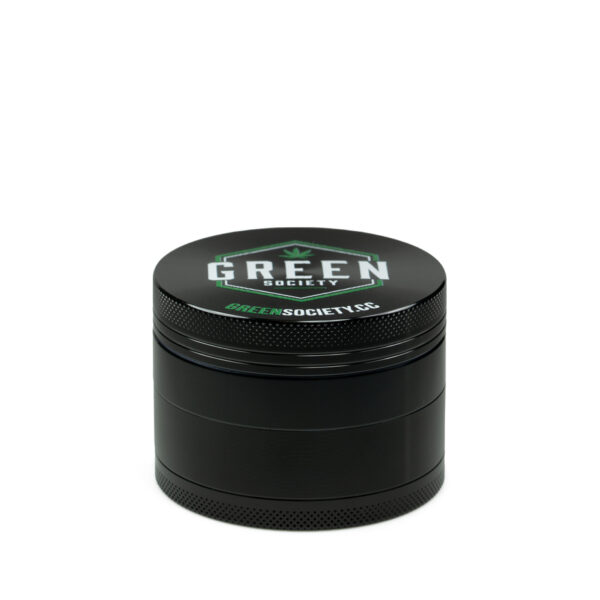
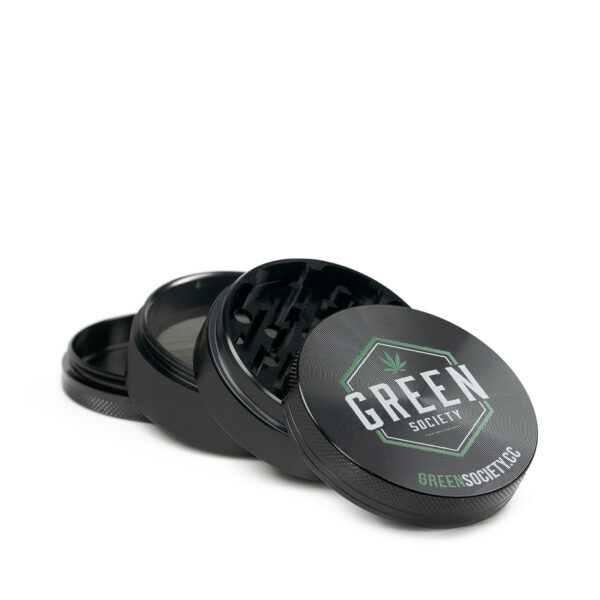 Green Society Herb Grinder
$40.00
Green Society Herb Grinder
$40.00


TL;DR:
- Choose cannabis based on your specific goals and desired effects, not just price or packaging.
- Product effects depend on consumption method, cannabinoid ratios, and terpene profiles.
- Verify product quality with third-party lab results as labels often misrepresent potency.
Walking into a cannabis dispensary or browsing an online store for the first time can feel like reading a menu in a language you don’t speak. There are dozens of strains, formats, potencies, and ratios, and everyone seems to have a confident opinion. The good news is that choosing the right cannabis product doesn’t have to be a guessing game. With a reliable, step-by-step process rooted in your personal goals and backed by current research, you can narrow down the options quickly and find products that actually work for you.
| Point | Details |
|---|---|
| Clarify your intent | Defining your goals is the foundation for a successful cannabis product selection. |
| Choose by evidence, not marketing | Cannabinoid and terpene profiles are more reliable than indica/sativa labels. |
| Read and verify labels | Always check for lab-tested quality and be aware of common labelling inaccuracies. |
| Start low, journal results | Begin with low doses and carefully document reactions to find the best match for you. |
Before you compare any products, you need to know what you’re looking for. This sounds obvious, but most people skip this step and end up making choices based on price or packaging alone. Your goal shapes every decision that follows.
Are you trying to unwind after work, manage chronic pain, improve sleep, or stay focused during creative tasks? Each of these outcomes calls for a different approach. Medical users often need consistent, predictable dosing, while recreational users may prioritise variety or a particular type of experience. Effect strength and type consistently rank as the most valued attributes among cannabis consumers, which confirms that starting with your desired effect is the right move.
Here’s a quick breakdown of common goals and the product types that tend to match them:
Understanding the difference between THC and CBD is essential at this stage. THC is the compound that produces psychoactive effects, while CBD tends to moderate them and offers its own therapeutic value. If you’re new to cannabis or sensitive to THC, starting with a product heavier in CBD makes a lot of sense. You’ll find a solid range of CBD edible options that let you ease in without feeling overwhelmed.
Pro Tip: Start a simple consumption journal. Note the product, dose, time of day, what you ate beforehand, and how you felt two hours later. Patterns emerge quickly, and you’ll stop wasting money on products that don’t suit you.
Once you’ve settled on your goals, choosing the right product type becomes much more straightforward. Each form of cannabis delivers effects differently, and knowing those differences saves you from unpleasant surprises.
The method of consumption directly affects onset time, duration, and how intensely you feel the effects. Here’s a side-by-side comparison to help you decide:
| Product type | Onset time | Duration | Dosing precision | Best suited for |
|---|---|---|---|---|
| Flower | 2-5 minutes | 1-3 hours | Moderate | Social use, quick relief |
| Vape | 2-10 minutes | 1-3 hours | Moderate to high | Discreet, portable use |
| Edibles | 30-90 minutes | 4-8 hours | High (if labelled well) | Sleep, sustained relief |
| Concentrates | 1-5 minutes | 1-4 hours | Low (experience needed) | High tolerance users |
| CBD products | 15-45 minutes | 4-6 hours | High | Medical, non-psychoactive |
To match a product to your lifestyle, follow these steps:
If you’re still figuring out how to choose the right edible, there’s a guide that breaks it down by effect, dose, and format. For those curious about vaping, a solid cannabis vape guide explains the hardware and types of oil clearly.
Pro Tip: Edibles are deceptively strong. Because they’re processed through your digestive system, the effects are delayed and more intense. Always start with 2.5 to 5mg of THC and wait at least two hours before considering a second dose.
With the right product type in mind, it’s time to decode what’s actually on the label. This is where most shoppers stop paying attention, and it’s a mistake.
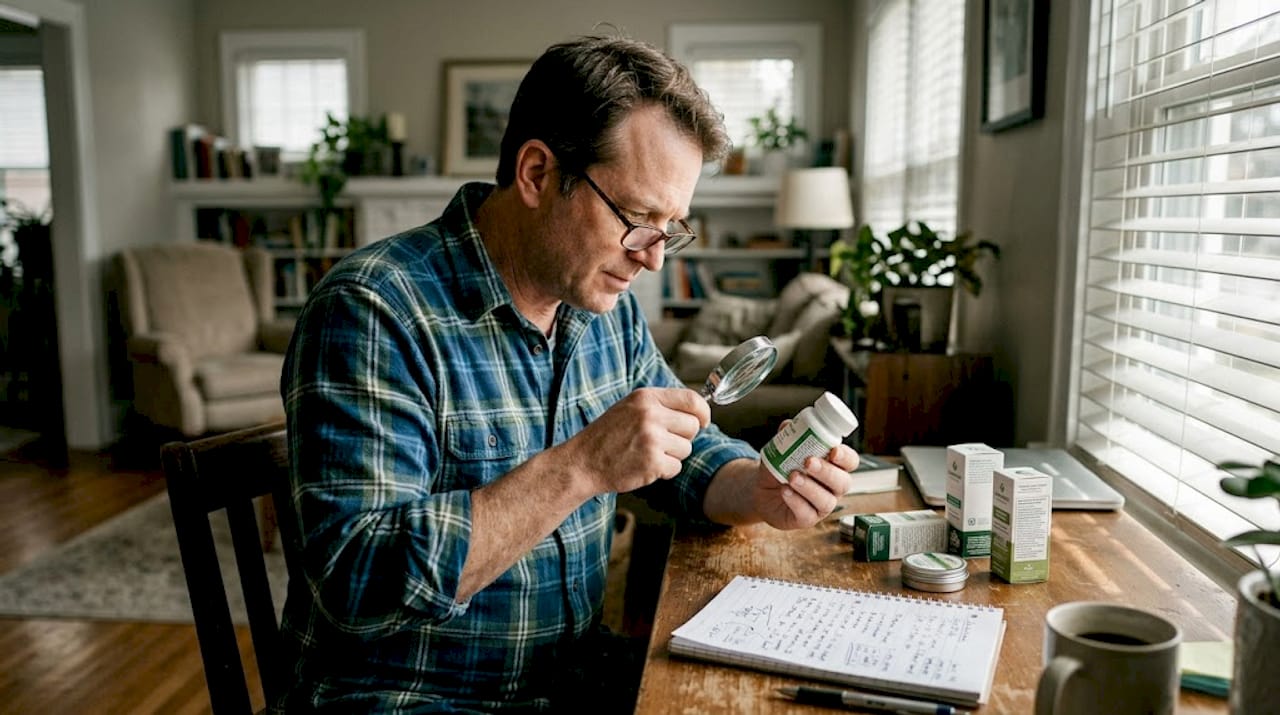
THC drives the psychoactive experience, while CBD softens it and adds its own benefits. But chemotype and terpene data now tells us far more about what a product will actually do than any indica or sativa label ever could. Terpenes are aromatic compounds that influence how cannabinoids interact with your body.
Here’s a reference table for common terpenes:
| Terpene | Aroma | Primary effect | Common in |
|---|---|---|---|
| Myrcene | Earthy, musky | Sedative, relaxing | Many high-THC flowers |
| Limonene | Citrus | Uplifting, mood-boosting | Sativa-leaning strains |
| Linalool | Floral, lavender | Calming, anti-anxiety | Evening products |
| Pinene | Pine | Alertness, memory support | Daytime strains |
| Caryophyllene | Spicy, pepper | Pain relief, anti-inflammatory | Broad-spectrum CBD |
The indica vs. sativa distinction is largely a myth at the genetic level. Genomic data shows that plant classification doesn’t reliably predict how you’ll feel. What actually matters is the specific combination of cannabinoids and terpenes in the product.
When reading a label or lab report, look for:
Building your terpene knowledge pays off fast. If you find that products with high myrcene content consistently help you sleep, you’ve just identified a reliable filter for future purchases. For those interested in non-smokeable options, understanding vaping CBD basics is a logical next step.
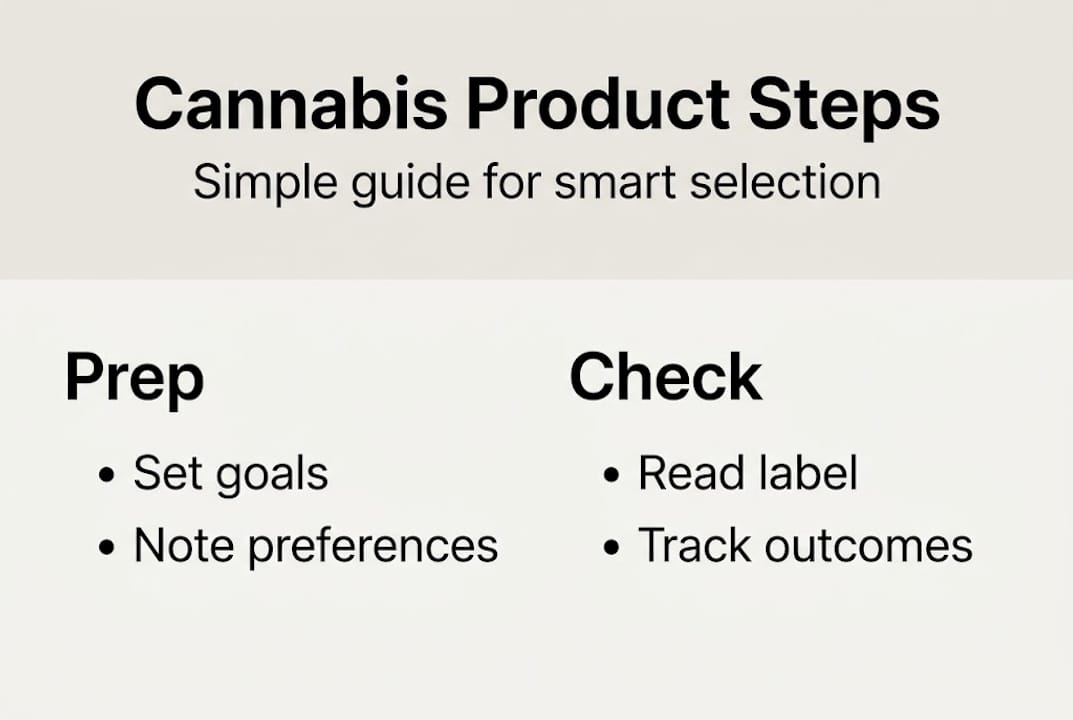
A sound understanding of product profiles only matters if the labels are accurate, and that’s not always guaranteed.
A published study found that only 56.7% of flower labels were accurate within a 15% margin of the stated THC potency. Concentrates performed much better at 96% accuracy, but flower remains a significant concern. Over-labelling, where a product claims more THC than it actually contains, is the most common issue.
Worth knowing: Buying a flower labelled at 28% THC doesn’t guarantee you’re getting 28% THC. Verified lab testing accuracy is the only reliable way to confirm what’s in your product.
Here’s what to look for when assessing quality:
To verify a label before purchasing, follow these steps:
For edibles specifically, reading edible labels carefully is critical because dosing errors hit harder and last longer. Understanding the different types of THC and CBD edibles also helps you choose formats that suit your lifestyle.
Even with all the best research, everyone responds differently. Your endocannabinoid system is unique, and individual variation means that what works brilliantly for someone else might not work for you at all. That’s not a flaw in the system. It’s just how biology works.
Self-experimentation, done responsibly, is how you build a reliable personal catalogue of what works. Follow these steps:
Context matters enormously. Eating a heavy meal before consuming an edible slows absorption. High stress can amplify psychoactive effects. Time of day, hydration, and even your environment all play a role. Tracking these variables gives you data that no label can provide.
Pro Tip: Several free apps let you log cannabis sessions with structured fields. Even a simple notebook works. The goal is to externalise your memory so you can spot patterns you’d otherwise miss. Over time, your notes become the most accurate guide to your personal cannabis experience.
For those exploring CBD edibles specifically, the same tracking approach applies. Start low, note everything, and build from there.
Here’s an uncomfortable truth the cannabis industry has been slow to let go of: the indica and sativa labels on your products are mostly marketing, not medicine. For decades, shoppers have been told that indicas relax and sativas energise, but modern research has largely dismantled that framework. Experts now prioritise chemotype and terpene profiles over these legacy categories because they more accurately predict real-world effects.
The problem is that these old labels feel reassuring. They give you a shortcut, and shortcuts are appealing when you’re overwhelmed by choice. But relying on them means you might consistently pick products that don’t serve your goals, and then blame cannabis itself when it doesn’t work.
Your personal notes, combined with solid terpene knowledge and an understanding of cannabinoid ratios, will do more for your experience than any strain name or category label ever will. The cannabis landscape is evolving fast, and the consumers who get the most out of it are the ones willing to look past the branding and engage with the actual science.
You’ve now got a solid framework for selecting cannabis products that actually fit your needs. The next step is putting that knowledge to work with practical tools and resources tailored to your experience level.
At Green Society, we’ve built a library of guides designed to take you further. Whether you’re ticking boxes on a cannabis flower checklist before your next purchase, or exploring the full range of types of CBD products available today, we’ve got resources that make the process clearer and more enjoyable. Smarter choices lead to better experiences, and better experiences are what we’re here to support.
Begin with a low-THC, well-tested product and document your reactions carefully before adjusting your dose or switching products.
Always request or look up a third-party COA, because research shows only 56.7% of flower labels are accurate within a 15% margin of their stated potency.
Modern research confirms that indica and sativa labels don’t reliably predict effects, so focusing on cannabinoid ratios and terpene content will serve you far better.
Your personal goals, product type, cannabinoid ratio, and terpene content are the four most important factors to weigh when aiming for a specific outcome.