







Marijuana
Full-Spectrum CBD: Everything You Need to Know

Dec
Over 60 percent of canadian adults are curious about natural wellness options, yet the science behind full-spectrum CBD often feels confusing. With laws, product types, and health claims all in play, understanding what truly sets full-spectrum CBD apart is crucial. If you want the facts about how this whole-plant extract works, how it is regulated in Canada, and what benefits it might hold, you will find clear guidance here.
Table of Contents
- Full-Spectrum CBD Defined and Explained
- Key Compounds in Full-Spectrum CBD
- How Full-Spectrum CBD Differs From Isolate
- Legal Status and Regulations in Canada
- Benefits, Uses, and Potential Risks
Key Takeaways
| Point | Details |
|---|---|
| Full-spectrum CBD | This extract comprises multiple cannabinoids, terpenes, and plant compounds, offering a synergistic effect often referred to as the “entourage effect.” |
| Legal regulations in Canada | Full-spectrum CBD is regulated under the Cannabis Act, ensuring product safety, quality, and compliance with THC content limits. |
| Potential health benefits | Full-spectrum CBD may provide various therapeutic effects including pain reduction, anxiety management, and sleep assistance. |
| Considerations for use | Individuals should consult healthcare professionals before use due to possible interactions with medications and varying personal responses. |
Full-Spectrum CBD Defined and Explained
Full-spectrum CBD is a comprehensive cannabis extract that captures the plant’s entire chemical profile, offering users a holistic approach to cannabinoid consumption. Unlike isolated CBD products, full-spectrum formulations contain multiple beneficial compounds naturally found in cannabis, including trace amounts of THC, terpenes, flavonoids, and other cannabinoids that work synergistically.
At its core, full-spectrum CBD represents a whole-plant extraction method that preserves the natural balance of cannabinoids. Understanding the nuanced differences between full spectrum and isolate CBD reveals why many consumers prefer this comprehensive approach. The extract includes minor cannabinoids like CBG, CBC, and CBN, alongside essential terpenes that contribute to what researchers call the “entourage effect” – a phenomenon where these compounds enhance each other’s therapeutic potential.
Legally, cannabidiol (CBD) is regulated under Canada’s Cannabis Act, which came into effect on October 17, 2018. The act ensures that CBD products, including full-spectrum extracts, meet strict quality and safety standards. Typically, full-spectrum CBD oil contains less than 0.3% THC, making it non-intoxicating while still providing a range of potential wellness benefits.
Key characteristics of full-spectrum CBD include:
- Contains multiple cannabinoids beyond just CBD
- Preserves natural plant compounds
- Potential enhanced therapeutic effects
- Typically extracted using advanced techniques
- Regulated for consumer safety
Consumers interested in experiencing the complete range of cannabis plant compounds often choose full-spectrum CBD for its comprehensive approach to potential health and wellness support.
Key Compounds in Full-Spectrum CBD
Full-spectrum CBD contains a rich blend of cannabis plant compounds that work together to create a powerful therapeutic experience. Beyond the primary cannabinoids, this extract includes a complex array of molecular components that contribute to its potential health benefits. Researchers have identified multiple key compounds that play critical roles in the extract’s overall effectiveness.

Cannabinoids represent the primary active compounds in full-spectrum extracts. These include not just CBD and THC, but also lesser-known molecules like cannabichromene (CBC), cannabigerol (CBG), and cannabinol (CBN). Scientific research suggests that CBC may exert acute anti-seizure effects through unique neurological interactions, demonstrating the potential of these minor cannabinoids.
Beyond cannabinoids, full-spectrum extracts contain terpenes – aromatic compounds that contribute to the plant’s distinctive smell and potential therapeutic properties. These organic hydrocarbons interact with cannabinoids to enhance their effects, a phenomenon known as the “entourage effect”. Cannabis extracts have been assessed for their potential in managing chronic pain, with the combination of compounds playing a significant role in their potential effectiveness.
Key compounds found in full-spectrum CBD include:
- Primary cannabinoids: CBD, THC
- Minor cannabinoids: CBC, CBG, CBN
- Terpenes: Myrcene, Limonene, Pinene
- Flavonoids
- Essential plant lipids and proteins
Understanding these compounds helps consumers appreciate the complexity and potential of full-spectrum CBD extracts, showcasing why this comprehensive approach offers more than isolated cannabinoid products.
How Full-Spectrum CBD Differs From Isolate
CBD isolate and full-spectrum CBD represent two fundamentally different approaches to cannabis extract consumption, each offering unique characteristics and potential benefits. Understanding CBD isolate requires examining its core composition, which differs dramatically from the complex molecular profile of full-spectrum extracts.
Pharmacokinetic research comparing CBD isolates and full-spectrum extracts reveals significant differences in absorption and metabolic processes. While CBD isolate contains pure cannabidiol with no additional compounds, full-spectrum extracts include a complete range of cannabinoids, terpenes, and plant molecules that interact synergistically. This comprehensive composition enables what researchers call the “entourage effect” – where multiple compounds work together to potentially enhance therapeutic outcomes.
The primary distinctions between these extract types are profound. CBD oil formulations can vary dramatically in their molecular complexity and potential effects. Full-spectrum CBD contains:
- Multiple cannabinoids (CBD, THC, CBC, CBG)
- Natural terpenes
- Flavonoids
- Trace plant compounds
In contrast, CBD isolate offers:
- Pure cannabidiol
- No additional plant compounds
- Potentially more predictable dosing
- Zero detectable THC
Consumers should carefully consider their individual needs when choosing between these extract types, recognizing that full-spectrum CBD provides a more holistic approach to cannabinoid supplementation.
Legal Status and Regulations in Canada
Cannabis regulations in Canada represent a complex and evolving legal landscape that directly impacts CBD product availability and usage. The Cannabis Act fundamentally transformed how cannabinoid products are regulated, establishing a comprehensive framework for legal cannabis consumption across the country.
Under current legislation, full-spectrum CBD is subject to strict governmental oversight. Health Canada continues exploring potential regulatory pathways for natural health products containing cannabidiol, signalling ongoing refinement of existing legal frameworks. This means that CBD products must meet specific criteria to be legally manufactured, distributed, and consumed.
Key regulatory considerations for CBD in Canada include:
- Minimum age requirements (typically 19 years)
- Purchase only from licensed retailers
- Restrictions on THC content
- Mandatory product labelling
- Limitations on public consumption
- Requirements for packaging and child-resistant containers
Consumers must remain informed about current regulations, as the legal landscape surrounding cannabis products continues to evolve. Responsible use and compliance with provincial and federal guidelines are essential for legally accessing and consuming full-spectrum CBD products.
Benefits, Uses, and Potential Risks
Full-spectrum CBD offers a complex array of potential therapeutic applications that extend beyond simple symptom management. Research indicates promising outcomes for managing chronic conditions, with emerging evidence suggesting multifaceted health benefits that warrant careful consideration.
Clinical studies exploring full-spectrum cannabis extracts have documented significant improvements in chronic pain management, revealing potential systemic benefits that go beyond traditional pain interventions. Systematic reviews of cannabidiol’s therapeutic potential in mental health highlight its nuanced role in supporting neurological and psychological wellness, though researchers emphasize the need for continued investigation.
Potential benefits of full-spectrum CBD include:
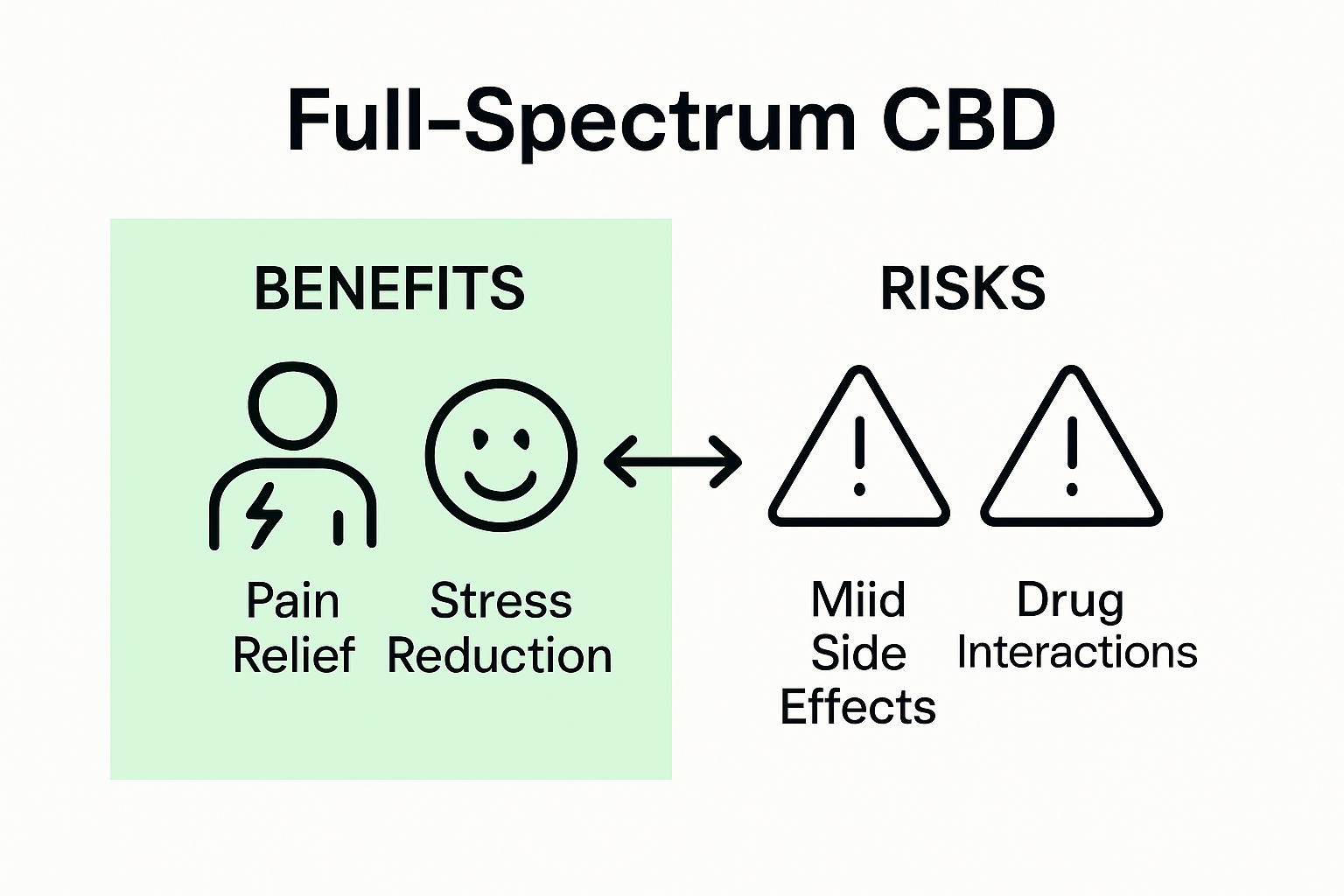
- Chronic pain reduction
- Anxiety and stress management
- Sleep pattern regulation
- Potential anti-inflammatory effects
- Neurological support
Possible risks and considerations:
- Potential interactions with other medications
- Mild side effects like fatigue or appetite changes
- Individual metabolic variations
- Importance of consulting healthcare professionals
Consumers should approach full-spectrum CBD as a complementary wellness strategy, understanding that individual responses can vary significantly and professional medical guidance remains crucial.
Experience the Full Benefits of Full-Spectrum CBD Today
If you are looking to explore the complete range of cannabinoids and terpenes discussed in the article you understand how important it is to choose a product that offers the true entourage effect without compromise. Full-spectrum CBD challenges the limitations of isolates by including multiple synergistic compounds that can enhance your wellness journey. Whether your goal is managing chronic pain reducing anxiety or improving sleep patterns you need trusted products that reflect the quality and complexity described here.
Discover carefully selected full-spectrum CBD products at GreenSociety.cc where quality and safety meet convenience. Our platform offers a wide selection of premium cannabis extracts with clear labelling and guaranteed compliance with Canadian regulations. Start benefiting from the natural synergy of cannabinoids and terpenes right away by browsing our collection. Don’t wait to embrace a more holistic approach to CBD that could change how you feel. Visit us now at GreenSociety.cc and take your first step toward wellness with confidence.
Frequently Asked Questions
What is full-spectrum CBD and how does it differ from CBD isolate?
Full-spectrum CBD is a cannabis extract that captures the entire chemical profile of the plant, including multiple cannabinoids, terpenes, and other compounds. Unlike CBD isolate, which contains only pure cannabidiol, full-spectrum CBD maintains a more complex structure that enhances the therapeutic potential through the entourage effect.
What are the potential benefits of using full-spectrum CBD?
Full-spectrum CBD may offer a range of potential health benefits, including chronic pain reduction, stress and anxiety management, sleep regulation, and possible anti-inflammatory effects. Some users report improved overall wellness due to the holistic nature of the full-spectrum formulation.
Are there any risks associated with using full-spectrum CBD?
Some potential risks include interactions with other medications, mild side effects such as fatigue or appetite changes, and individual metabolic variations. It is important to consult a healthcare professional before starting any new CBD product to ensure safety and appropriateness for your individual situation.
How is full-spectrum CBD regulated?
Full-spectrum CBD is subject to strict regulations to ensure quality and safety. Regulations include limitations on THC content (typically less than 0.3%), mandatory labeling, and requirements for packaging that includes child-resistant containers. These regulations aim to provide consumers with safe and compliant CBD products.
Recommended
- Understanding Full Spectrum vs Isolate CBD for Consumers ~ Green Society Blog
- Understanding the Health Benefits of CBD ~ Green Society Blog
- THC vs CBD: Complete Guide to Cannabis Compounds ~ Green Society Blog
- CBD vs THC Explained: Benefits, Uses, and Laws ~ Green Society Blog