Free Shipping
on orders over $150.00
$40.00
$150.00
Add $110.00 more for free shipping!
-
×
 Green Society Herb Grinder
$40.00
Green Society Herb Grinder
$40.00

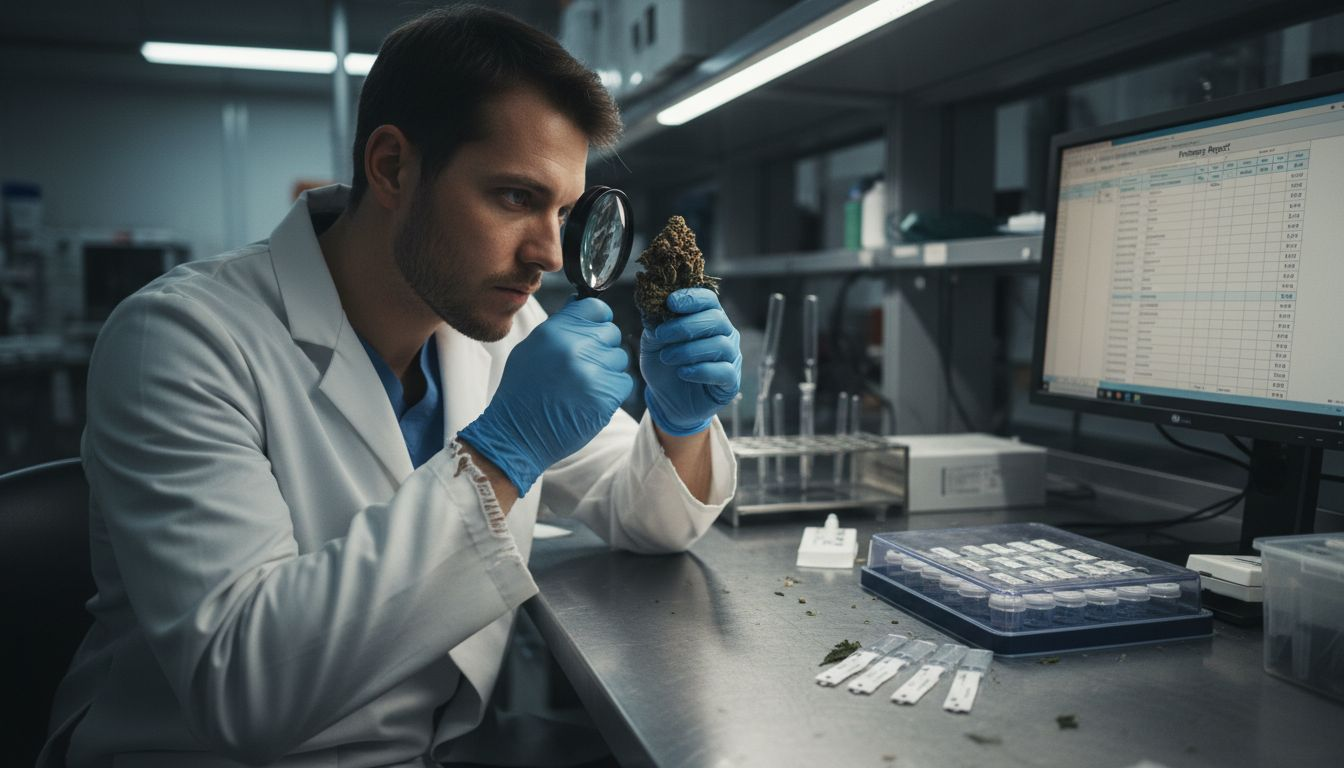
Finding safe, lab-tested cannabis can feel like a maze, especially with more than 60 percent of Canadian consumers reporting concerns about product quality. For those who rely on cannabis for medical reasons, trust and transparency matter more than ever. This guide breaks down the science behind lab testing, exposes common myths, and clarifies why choosing thoroughly tested products protects your health and peace of mind as a Canadian shopper.
| Point | Details |
|---|---|
| Importance of Lab Testing | Lab-tested cannabis ensures consumer safety by identifying potency, contaminants, and product quality. |
| Key Testing Categories | Potency analysis, contaminant screening, and safety verification are crucial for protecting consumer health. |
| Health Risks of Untested Cannabis | Using untested cannabis can expose users to harmful contaminants and inconsistent potency, posing serious health risks. |
| Regulatory Standards | Canadian regulations enforce strict testing and safety protocols to guarantee high-quality cannabis products for consumers. |
Lab-tested cannabis represents a crucial approach in ensuring consumer safety within Canada’s rapidly evolving cannabis marketplace. Cannabis product testing involves comprehensive scientific analysis of cannabis extracts, examining critical factors like potency, contamination risks, and overall product quality. By subjecting cannabis products to rigorous laboratory evaluation, producers and consumers gain transparent insights into the chemical composition and potential health implications of their chosen products.
Understanding lab testing involves recognizing the multiple layers of scientific scrutiny applied to cannabis. Laboratories conduct detailed screenings for potential contaminants including heavy metals, pesticide residues, mold spores, mycotoxins, and potentially harmful solvents. These screenings help protect consumers from potential health risks associated with unregulated cannabis consumption. Additionally, potency testing allows individuals to make informed decisions about dosage and expected effects, providing crucial information about THC and CBD concentrations.
Common myths surrounding lab testing often stem from misunderstandings about the process and its importance. Some consumers believe that lab testing is unnecessary or simply a bureaucratic requirement. However, these scientific evaluations are fundamental to consumer protection. Lab testing isn’t just about compliance – it’s about ensuring that cannabis products meet stringent safety standards. By identifying potential biological or chemical contaminations, labs play a critical role in preventing health risks and maintaining product integrity.
Pro tip: When purchasing cannabis, always request and review the product’s lab testing certificate to understand its exact composition and potential health considerations.
Cannabis laboratory testing in Canada encompasses multiple critical categories designed to ensure product safety and regulatory compliance. Licensed cannabis testing laboratories perform comprehensive screenings that cover a wide range of scientific evaluations essential for consumer protection. These testing categories are mandated by Health Canada to maintain rigorous quality standards across the cannabis industry, addressing potential health risks and ensuring product integrity.
The primary categories of cannabis lab testing include potency analysis, contaminant screening, and safety verification. Potency testing precisely measures cannabinoid concentrations, focusing on THC and CBD levels to help consumers understand product strength. Contaminant screening involves detecting potentially harmful substances such as pesticide residues, heavy metals, and microbial organisms. Analytical testing licences authorize detailed examinations that cover multiple dimensions of product quality, including moisture content, terpene profiles, and residual solvent levels.
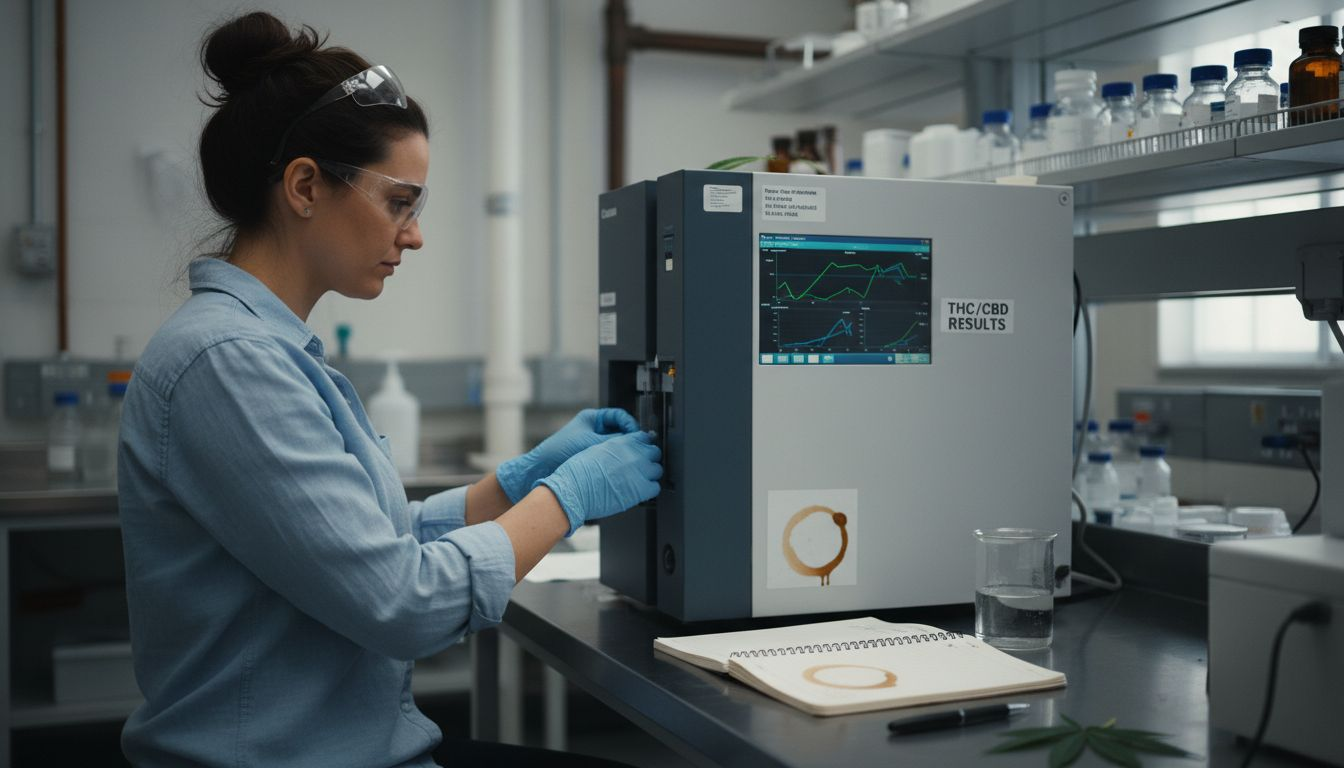
Different cannabis products require specialized testing approaches. Dried flower samples undergo different screening processes compared to extracts, vape oils, and edibles. Laboratories employ advanced scientific techniques to ensure each product category meets strict regulatory requirements. This comprehensive approach helps protect consumer health by identifying potential contamination risks, verifying product potency, and maintaining consistent quality standards across various cannabis product types.
Here’s an overview of main cannabis lab testing categories and their protective roles for consumers:
| Testing Category | Focused Factors | Consumer Safeguard |
|---|---|---|
| Potency Analysis | THC/CBD content | Accurate dosing and effect |
| Contaminant Screening | Pesticides, heavy metals, microbes | Minimises health risks |
| Safety Verification | Moisture, solvents, terpene profiles | Product quality assurance |
Pro tip: Always request a detailed lab testing certificate when purchasing cannabis products to understand their exact composition and safety profile.
Cannabis lab testing in Canada represents a sophisticated scientific process governed by stringent regulatory protocols. Cannabis laboratory testing employs advanced analytical techniques designed to ensure comprehensive product evaluation. The methodology involves multiple precision instruments and techniques that systematically examine cannabis products for safety, potency, and potential contamination.
The primary analytical methods include high-performance liquid chromatography (HPLC), gas chromatography-mass spectrometry (GC-MS), and inductively coupled plasma mass spectrometry (ICP-MS). These sophisticated technologies enable laboratories to perform precise scientific protocols that measure cannabinoid concentrations, detect residual solvents, quantify heavy metal presence, and identify potential microbial contaminants. Each technique serves a specific purpose: HPLC determines cannabinoid profiles, GC-MS screens for pesticide residues, and ICP-MS identifies trace heavy metal elements.
Accreditation and standardization are crucial components of cannabis lab testing in Canada. Laboratories must adhere to ISO/IEC 17025 standards, which ensure consistent, reliable, and reproducible testing methodologies. This international standard requires labs to demonstrate technical competence, implement quality management systems, and maintain rigorous documentation. By following these strict guidelines, testing facilities provide consumers and regulators with confidence in the accuracy and reliability of their analytical results.
Pro tip: Request detailed lab testing certificates that include specific analytical methodologies to better understand the comprehensive screening process of your cannabis products.
Canadian cannabis regulations represent a comprehensive framework designed to protect consumer health and ensure product quality across the national market. Cannabis Regulations establish strict guidelines that govern every aspect of cannabis production, distribution, and sale. These regulations mandate rigorous testing protocols, licensing requirements, and safety standards that apply uniformly across provinces, creating a standardized approach to cannabis product management.
The legal framework includes detailed requirements for product testing, packaging, and labeling. Licensed producers must comply with mandatory testing for multiple contaminants, including pesticide residues, heavy metals, microbial organisms, and potential harmful substances. Cannabis product regulations specify precise analytical requirements that ensure only safe, high-quality products reach Canadian consumers. This includes comprehensive potency verification, strict limitations on additives, and standardized packaging guidelines that prioritize consumer safety and transparency.
Key regulatory components include mandatory licensing for cultivation, processing, and sales, with strict security protocols and quality control measures. Health Canada oversees these regulations, implementing recall procedures and conducting regular audits to maintain product safety standards. The regulatory approach balances consumer protection with responsible industry development, ensuring that cannabis products meet stringent scientific and safety benchmarks before reaching the market.
Pro tip: Always verify a product’s Health Canada compliance number and request detailed testing certificates to ensure you’re purchasing a legally approved cannabis product.
Medical cannabis users face significant health risks when consuming untested products, a concern increasingly recognized by Canadian healthcare professionals. Cannabis health risks extend far beyond simple product quality, potentially exposing vulnerable patients to dangerous contaminants and unpredictable medical outcomes. Untested cannabis can harbour harmful substances that pose serious threats to individuals already managing complex health conditions.
The primary dangers of unverified cannabis include exposure to microbial contaminants, pesticide residues, and heavy metals. Medical cannabis safety research indicates that immune-compromised patients are particularly susceptible to infections from unscreened products. These contaminants can cause significant health complications, ranging from mild allergic reactions to severe systemic infections. Inconsistent THC and CBD potency further compounds the risk, making precise medical dosing virtually impossible and potentially exacerbating existing health conditions.
Many Canadians unknowingly self-medicate with unregulated cannabis, a practice that can lead to unpredictable and potentially dangerous health outcomes. Patients with chronic conditions, compromised immune systems, or those undergoing specific treatments are especially vulnerable to the risks associated with untested cannabis. The absence of professional medical guidance and verified product testing can transform a potential therapeutic intervention into a significant health hazard.
Pro tip: Always consult healthcare professionals and exclusively use lab-tested, Health Canada-approved cannabis products to ensure your medical treatment remains safe and effective.
Lab-tested cannabis represents a significant advancement in product safety and consumer protection, offering stark differences from unregulated alternatives. Cannabis Data Gathering Program research reveals critical distinctions between legal, lab-tested products and unverified market offerings. These differences extend beyond mere quality control, encompassing comprehensive safety, potency, and transparency standards that directly impact consumer health and experience.
Unlike unregulated alternatives, lab-tested cannabis provides precise cannabinoid potency labeling and rigorous contaminant screening. Illegal or untested products frequently demonstrate significant variability in THC levels and pose substantial health risks through potential contamination with heavy metals, mycotoxins, and unauthorized pesticides. Cannabis research standards emphasize that scientific testing ensures consistent product composition, allowing consumers to make informed decisions about dosage, potential interactions, and therapeutic applications.

The comparative analysis between lab-tested and alternative cannabis products reveals multiple critical dimensions of risk and reliability. Regulated, scientifically examined cannabis undergoes systematic testing for microbial contamination, pesticide residues, and exact cannabinoid profiles. In contrast, non-tested alternatives lack transparent documentation, presenting unpredictable potency and potential health hazards. This fundamental difference underscores the importance of choosing verified, professionally tested cannabis products that prioritize consumer safety and therapeutic efficacy.
Compare the key differences between lab-tested cannabis and unregulated products:
| Aspect | Lab-tested Cannabis | Unregulated Alternatives |
|---|---|---|
| Potency Labelling | Precise and verified | Often inaccurate or missing |
| Contaminant Screening | Thorough and documented | Rarely conducted, untraceable |
| Health Risk | Significantly reduced | Increased risk of contamination |
| Transparency | Full testing certificates | No verifiable documentation |
Pro tip: Request comprehensive lab testing certificates and verify Health Canada compliance before purchasing any cannabis product to ensure maximum safety and quality.
Choosing cannabis products that have undergone rigorous lab testing is essential for your health and peace of mind. The article highlights critical concerns such as contaminant risks, inaccurate potency, and the importance of verified safety standards. At GreenSociety.cc, we understand these challenges and offer a wide range of cannabis products that meet stringent safety protocols backed by detailed lab testing certificates. Whether you seek flowers, edibles, or concentrates, our platform prioritizes quality, transparency, and your wellbeing.
Experience the confidence that comes from purchasing lab-tested cannabis through a trusted Canadian online dispensary. Visit GreenSociety.cc to explore our selection, take advantage of promotional bundles, and access educational resources that empower you to make safe choices. Do not compromise your health by settling for untested products. Act now to ensure every purchase supports your safety and satisfaction through verified lab-tested cannabis available exclusively at GreenSociety.cc.
Lab-tested cannabis refers to cannabis products that have undergone rigorous scientific analysis in licensed laboratories. This testing evaluates potency, contamination risks, and overall product safety, providing consumers with transparent information about what they are consuming.
Lab testing is crucial as it ensures the safety and quality of cannabis products. It helps identify harmful contaminants like pesticides and heavy metals, verifies cannabinoid concentrations, and provides consumers with the necessary information to make informed decisions regarding dosage and effects.
The main categories of cannabis lab testing include potency analysis, which measures THC and CBD levels; contaminant screening, which detects harmful substances; and safety verification, which assesses moisture content and residual solvents. These tests protect consumers by ensuring product quality and safety.
To confirm if your cannabis product is lab-tested, always request a lab testing certificate from the producer. This document will provide details about the product’s composition and results from the necessary safety screenings, ensuring transparency and consumer protection.