TL;DR:
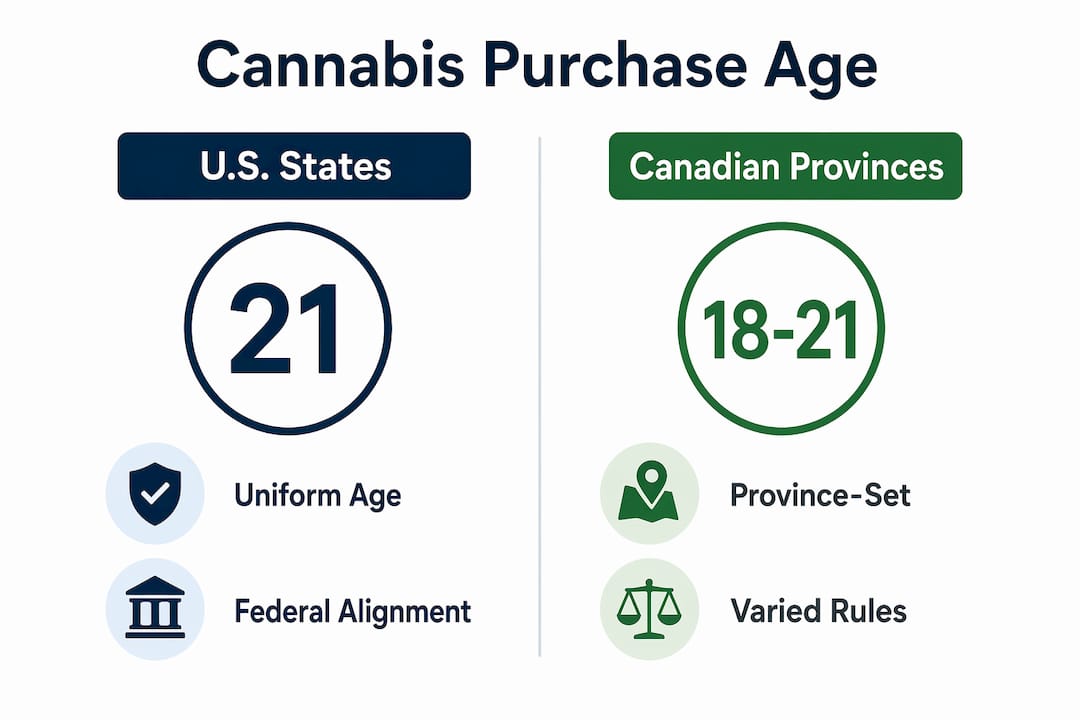
- In North America, the legal age for cannabis purchase is set at 21 in all U.S. adult-use states and varies from 18 to 21 across Canadian provinces. Dispensaries strictly verify age using government-issued IDs, with penalties for non-compliance being severe. Medical cannabis programs often permit younger purchase ages, typically starting at 18, with different rules for minors and caregivers.
The legal age for cannabis purchase is the minimum age established by law at which adults can legally buy cannabis products. In all adult-use U.S. jurisdictions, that minimum is 21. In Canada, the age varies by province, ranging from 18 to 21, with most provinces settling at 19. Whether you are buying flower, edibles, or concentrates, knowing the minimum age for cannabis in your jurisdiction is not optional. Dispensaries verify age at every point of sale, and the consequences for non-compliance fall on both the buyer and the retailer.
What is the legal age for cannabis purchase in U.S. states?
The 21-year minimum in U.S. adult-use states is not arbitrary. It mirrors the National Minimum Drinking Age Act of 1984, which tied federal highway funding to a uniform drinking age of 21, creating a regulatory template that cannabis legislators largely adopted. This parallel gives the 21-year threshold a political durability that makes it unlikely to shift in the near term.

As of June 2026, every state that has legalised adult-use cannabis, including California, Colorado, Illinois, and Washington, enforces a purchase age of 21. That consistency matters because it removes ambiguity for travellers crossing state lines within legalised jurisdictions. You are 21 or you are not buying.
Medical cannabis operates under a different standard. Most state medical programmes set the cardholder minimum at 18, with provisions allowing minors to access cannabis under caregiver supervision for qualifying conditions. This means a 19-year-old with a valid medical card can legally purchase in states where recreational sales require 21. The distinction is significant and often misunderstood.
The penalties for violating cannabis age restrictions are serious. In Nevada, for example, a person under 21 who misrepresents their age to purchase cannabis commits a misdemeanour, and supplying cannabis to a minor is a prosecutable offence. Similar frameworks exist across most legalised states.
Accepted forms of ID at U.S. dispensaries typically include:
- A valid driver’s licence (horizontal format strongly preferred)
- A government-issued passport
- A U.S. military identification card
- A state-issued non-driver photo ID
Pro Tip: If you recently turned 21 and still carry a vertical-format driver’s licence issued when you were under 21, update to a horizontal licence before visiting a dispensary. Many staff will refuse vertical licences on sight, regardless of your current age.
How do Canadian provinces regulate cannabis purchase age?
Canada legalised recreational cannabis federally under the Cannabis Act in 2018, but it delegated the specific age limits to provinces. The federal government set a floor of 18, and most provinces chose to raise it. The result is a patchwork of age requirements that every Canadian adult should know before purchasing.
The table below summarises the current legal cannabis purchase age by province and territory:
| Province or territory |
Minimum purchase age |
| Alberta |
18 |
| British Columbia |
19 |
| Ontario |
19 |
| Manitoba |
19 |
| New Brunswick |
19 |
| Nova Scotia |
19 |
| Prince Edward Island |
19 |
| Saskatchewan |
19 |
| Newfoundland and Labrador |
19 |
| Northwest Territories |
19 |
| Nunavut |
19 |
| Yukon |
19 |
| Québec |
21 |
Alberta is the only province at the federal floor of 18. Québec raised its age from 18 to 21 in 2020, citing public health and mental health concerns related to cannabis use in adolescent brain development. That decision remains one of the most debated in Canadian cannabis policy.
Possession and public consumption rules are also tied to legal age. Adults at or above the provincial minimum may possess up to 30 grams of dried cannabis in public. Underage possession carries fines and, in some provinces, mandatory participation in education or diversion programmes. Providing cannabis to a minor is a federal criminal offence under the Cannabis Act, carrying penalties of up to 14 years in prison.
For a detailed breakdown of how provincial rules interact with federal law, the Greensociety guide on cannabis laws in Canada covers the full picture.
What are the differences between medical and recreational cannabis age limits?
Medical and recreational cannabis programmes operate under entirely separate regulatory frameworks, and the age requirements reflect that separation. Medical and recreational programmes differ on possession limits, tax rates, product availability, and minimum purchase age. Understanding which programme applies to you changes what you can buy, where you can buy it, and how much you pay.
In the United States, medical cannabis access at 18 is available in most states with medical programmes, provided the applicant has a qualifying diagnosis and a valid medical card. Minors can access medical cannabis in some states, but only through a registered caregiver who manages the purchase and administration. Recreational access remains locked at 21 regardless of medical status.
In Canada, the age distinction between medical and recreational cannabis is less pronounced. Medical cannabis patients of any age can access Health Canada-regulated products through licensed producers, with a physician’s authorisation. Adults using recreational cannabis are subject to provincial age minimums. The practical difference is that a 19-year-old in Québec, where recreational access requires 21, could theoretically access medical cannabis with a valid prescription.
Pro Tip: If you are between 18 and 20 and live in a jurisdiction where recreational cannabis requires 21, speak with a physician about whether a medical cannabis programme applies to your situation. Medical access is a legitimate, regulated pathway, not a workaround.
Product availability also differs by programme. Medical dispensaries often carry higher-potency products, specific formulations, and CBD-dominant options not always available in recreational stores. Tax treatment favours medical users in most jurisdictions, with recreational cannabis subject to excise taxes that medical cannabis is exempt from.
How do retailers verify age and prevent underage sales?
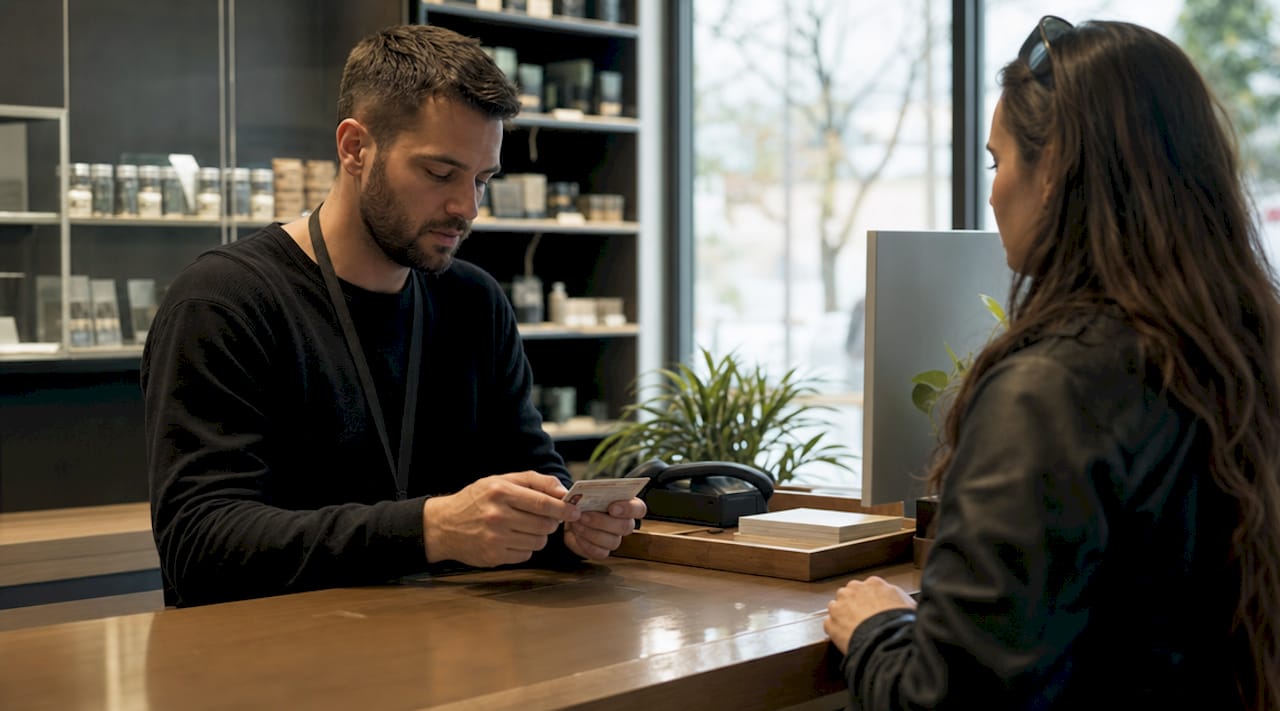
Age verification at cannabis dispensaries is mandatory, and strict enforcement is standard practice across legalised jurisdictions. Retailers that fail to verify age face severe civil penalties, including fines and licence revocation. The financial stakes make dispensary staff among the most diligent ID checkers you will encounter in any retail setting.
The standard verification process at a licensed dispensary follows these steps:
- Present a valid, government-issued photo ID at the entrance or point of sale.
- Staff scan or manually inspect the ID to confirm name, date of birth, and expiry date.
- The system or staff member confirms the purchaser meets the minimum age requirement for that jurisdiction.
- If the ID is expired, damaged, or in vertical format, the sale is refused.
- Purchase proceeds only after age is confirmed.
One detail that catches many customers off guard is the vertical licence issue. In the United States, licences issued to drivers under 21 are printed in a vertical orientation to signal underage status to retailers. Even after turning 21, carrying that vertical licence can result in refusal of entry. The fix is straightforward: visit your local DMV and request a horizontal replacement licence once you reach the legal age.
Payment at dispensaries adds another layer of complexity. Federal banking restrictions prevent most financial institutions from servicing cannabis businesses, which means the majority of dispensaries operate on a cash-only basis or use in-store ATMs that charge transaction fees. Arriving with cash avoids the fee and speeds up the transaction.
Pro Tip: Call ahead or check the dispensary’s website before your visit to confirm their accepted payment methods. Some dispensaries now use cannabis-specific debit processing systems, but cash remains the safest default.
Practical tips for adults buying cannabis legally
Knowing the cannabis purchase age limit for your province or state is the starting point, but compliant purchasing requires a few additional habits. The following practices will keep your purchases legal and your experience smooth.
- Carry a valid, non-expired government-issued photo ID every time you visit a dispensary. Expired IDs are refused without exception.
- Know whether you are purchasing under a medical or recreational programme, as the rules, products, and prices differ.
- Check the dispensary’s website or call ahead to confirm hours, payment methods, and any ID-specific requirements.
- Never transfer or share cannabis with anyone under the legal age in your jurisdiction. Sharing with minors is a criminal offence in every legalised jurisdiction in North America.
- Know your legal possession limit. In Canada, adults may carry up to 30 grams in public. U.S. limits vary by state but are typically one ounce for recreational users.
- If you are new to cannabis purchasing, the Greensociety beginner’s ordering guide walks through the full process from ID to checkout.
Pro Tip: If you are travelling between Canadian provinces, check the destination province’s age requirement before you go. A legal purchase in Alberta at 18 does not make you legal to possess in Québec if you are under 21.
Key takeaways
The legal age for cannabis purchase in North America is 21 in all U.S. adult-use states and ranges from 18 to 21 in Canadian provinces, with most set at 19 and Québec at 21.
| Point |
Details |
| U.S. recreational age is 21 |
Every adult-use state enforces 21 as the minimum, with no exceptions for recreational buyers. |
| Canadian ages vary by province |
Most provinces require 19, Alberta allows 18, and Québec requires 21 for recreational purchase. |
| Medical cannabis allows younger access |
Medical programmes in the U.S. often permit purchase at 18 with a valid medical card. |
| ID format matters at dispensaries |
Vertical-format licences issued under 21 are routinely refused even after the holder turns 21. |
| Sharing with minors is a criminal offence |
Transferring cannabis to anyone under the legal age carries serious criminal penalties in all jurisdictions. |
Why age limits in cannabis law deserve more attention than they get
The age debate in cannabis law is more nuanced than most coverage suggests. Québec’s decision to raise its minimum age to 21 was not a moral panic. It was grounded in research on adolescent brain development and the documented relationship between early cannabis use and long-term cognitive outcomes. Whether 21 is the right number is genuinely contested among researchers, but the instinct to protect developing brains is sound.
What I find more troubling is the inconsistency in enforcement. In some jurisdictions, age verification at dispensaries is rigorous and technology-assisted. In others, it is perfunctory. The gap between the written rule and the practised standard is where real harm occurs. Adults who care about the long-term viability of legal cannabis markets should want strict enforcement, because every underage sale gives regulators ammunition to tighten restrictions on everyone.
The medical versus recreational distinction also deserves more attention from consumers. Many adults between 18 and 20 do not realise that a medical programme may be available to them, particularly for conditions like anxiety, chronic pain, or sleep disorders. That pathway is regulated, physician-supervised, and legal. It is not a loophole. It is the system working as designed.
As of 2026, the legal landscape continues to shift. More U.S. states are moving toward adult-use legalisation, and each new jurisdiction will face the same age-limit debate. Staying informed about your local law is not a one-time task. It is an ongoing responsibility for any adult who chooses to participate in the legal cannabis market.
— Juiced
Ready to explore legal cannabis products at Greensociety?
Once you know your jurisdiction’s age requirements and have your ID ready, the next step is finding products worth buying. Greensociety offers a curated selection of flowers, edibles, concentrates, and vapes, all available for adults who meet the legal purchase age in their province.
If you are new to edibles, the Greensociety guide on cannabis edible recipes covers safe dosing and preparation for adults exploring that format for the first time. For flower buyers, the guide on selecting cannabis flower walks through quality indicators, strain selection, and what to expect from online ordering. Every product on the platform is available to verified adults, with discreet delivery and a straightforward checkout process.
FAQ
What is the legal age for cannabis in Canada?
The minimum age for cannabis purchase in Canada is set by each province. Most provinces require 19, Alberta allows purchase at 18, and Québec sets the minimum at 21 for recreational cannabis.
Can someone under 21 buy cannabis in the U.S.?
Recreational cannabis in all U.S. adult-use states requires buyers to be 21 or older. Medical cannabis programmes in most states allow cardholders as young as 18, with minors requiring caregiver oversight.
What ID is accepted at cannabis dispensaries?
Dispensaries accept government-issued photo ID including a driver’s licence, passport, or military identification card. The ID must be valid, non-expired, and in most U.S. states, in horizontal format.
Is it illegal to give cannabis to a minor?
Providing cannabis to anyone under the legal age is a criminal offence in every legalised jurisdiction in North America. In Canada, it carries a federal penalty of up to 14 years in prison under the Cannabis Act.
Why do most dispensaries only accept cash?
Federal banking restrictions prevent most financial institutions from servicing cannabis businesses, so the majority of dispensaries operate on a cash-only basis or use in-store ATMs that charge transaction fees.
Recommended

 Pacific CBD Wild Strawberries
$12.00
Pacific CBD Wild Strawberries
$12.00 Twisted Extracts Orange Jelly Bomb
$12.00
Twisted Extracts Orange Jelly Bomb
$12.00 Twisted Extracts Orange Jelly Bomb
  Fantasy Tropical Tempest Gummies
  Fantasy Mystic Grape Gummies
  Faded Cannabis Co. Rainbow Sherbet Belts
  Faded Cannabis Co. Party Pack Gummies
  Green Society Herb Grinder
 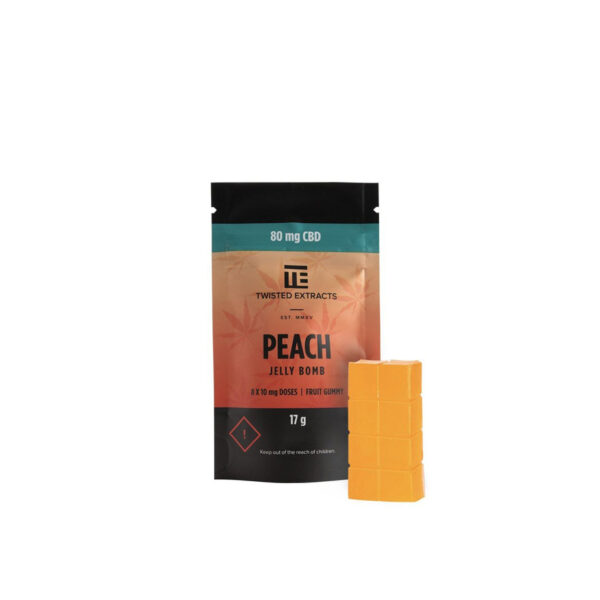 Twisted Extracts Peach CBD Jelly Bomb
 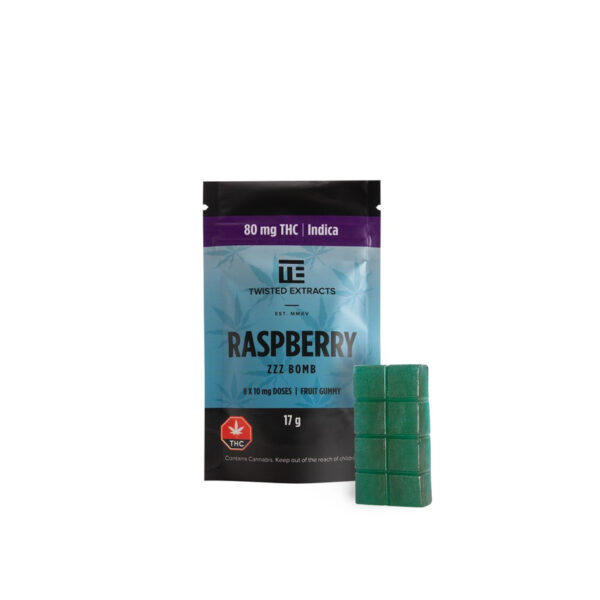 Twisted Extracts Raspberry ZZZ Bomb
 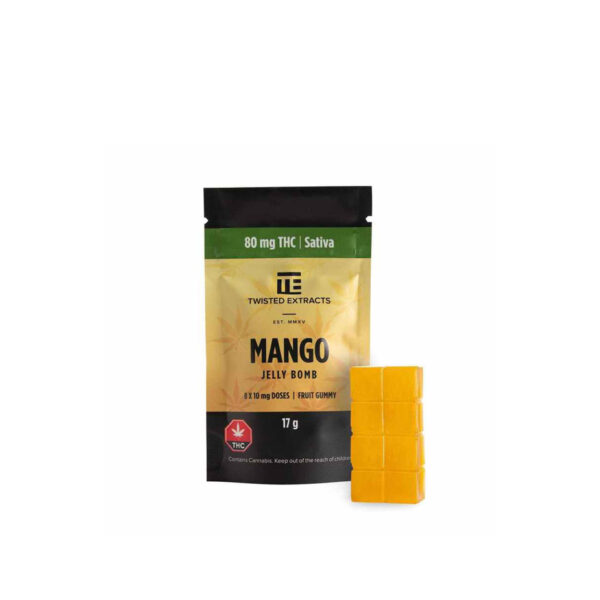 Twisted Extracts Mango Jelly Bomb
 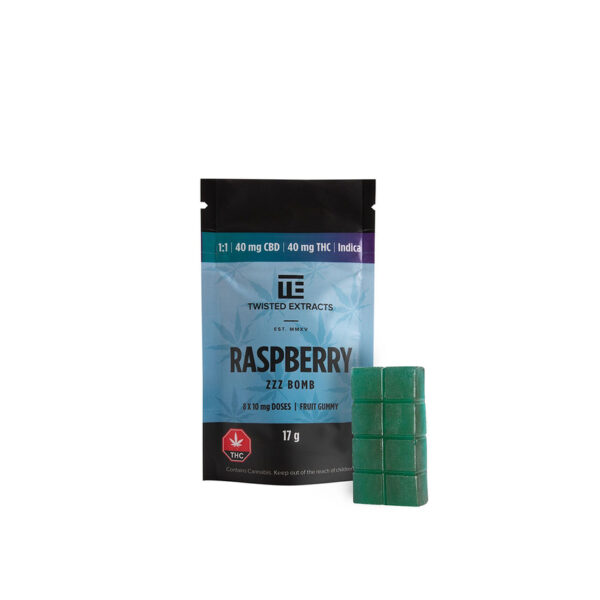 Twisted Extracts 1:1 Raspberry ZZZ Bomb