Free Shipping
on orders over $150.00
$40.00
$150.00
Add $110.00 more for free shipping!
-
×
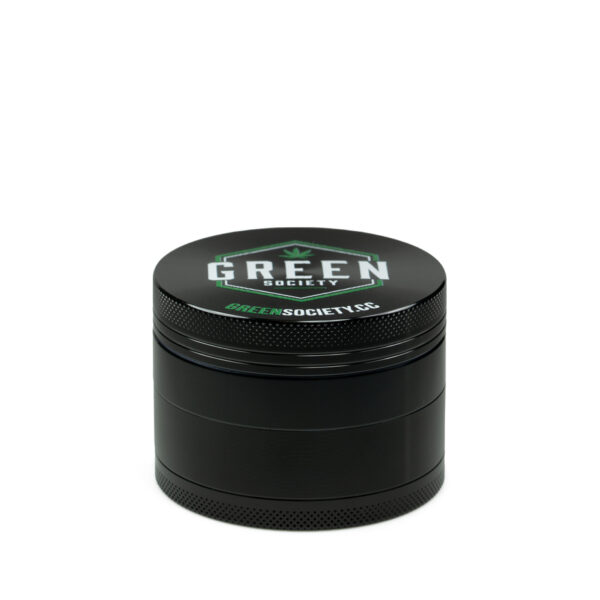
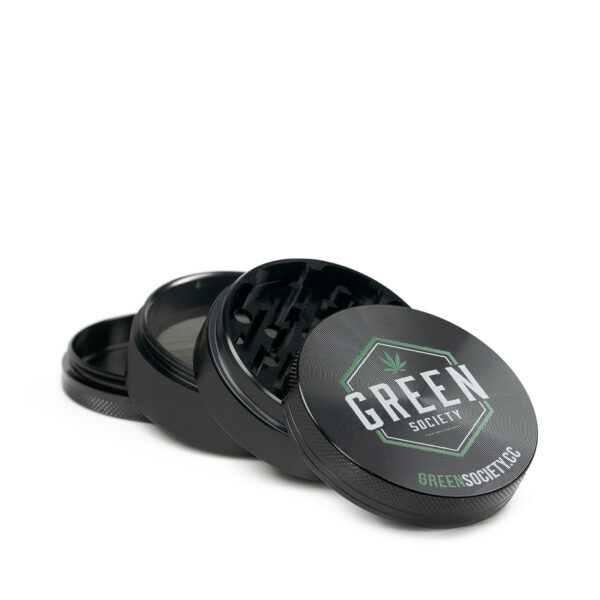 Green Society Herb Grinder
$40.00
Green Society Herb Grinder
$40.00


Most Canadian medical cannabis patients face confusion when it comes to dosing safely and effectively. Navigating a system with strict Health Canada rules and a wide range of products can make even experienced users feel uncertain. With more than 300 licensed producers in Canada alone, finding both the correct dose and legal online sources gets complicated fast. This guide breaks down dosing strategies, product formats, and legal steps for Canadians so you can maximize health benefits and shop confidently.
| Point | Details |
|---|---|
| Medical Cannabis Dosing Requires Individualization | Effective dosing depends on a patient’s unique medical history, symptoms, and response to cannabinoids, necessitating a personalised approach. |
| Start Low and Titrate Gradually | Patients should begin with the lowest effective dose and gradually increase it under medical supervision to minimise side effects. |
| Understand Legal Requirements in Canada | Patients must obtain a prescription, register with licensed producers, and adhere to legal possession limits for safe access to medical cannabis. |
| Monitor and Track Responses | Keeping a detailed journal of symptoms and dosages can help healthcare providers adjust treatment plans effectively. |
Medical cannabis dosing refers to the systematic process of determining the appropriate quantity and frequency of cannabis consumption for therapeutic purposes. Unlike recreational use, medical dosing requires precision and careful consideration to achieve optimal symptom management while minimising potential adverse effects.
At its core, medical cannabis dosing involves calculating the right balance of cannabinoids like THC and CBD to address specific medical conditions. Physicians and healthcare professionals evaluate multiple factors when establishing an appropriate dosing strategy, including:
The complexity of medical cannabis dosing stems from the unique way different patients metabolise and respond to cannabinoids. What works effectively for one individual might produce minimal results or unwanted side effects for another. This variability underscores the importance of personalised dosing approaches that are carefully monitored and adjusted based on patient response.
Pro tip: Always start with the lowest possible therapeutic dose and gradually increase under medical supervision to minimise potential side effects and identify your optimal dosage.
Medical cannabis comes in diverse therapeutic formats, each offering unique benefits and administration methods designed to address specific medical needs. Cannabis delivery formats range from traditional dried flowers to sophisticated concentrated extracts, providing patients with multiple options for symptom management.
The primary medical cannabis formats include:
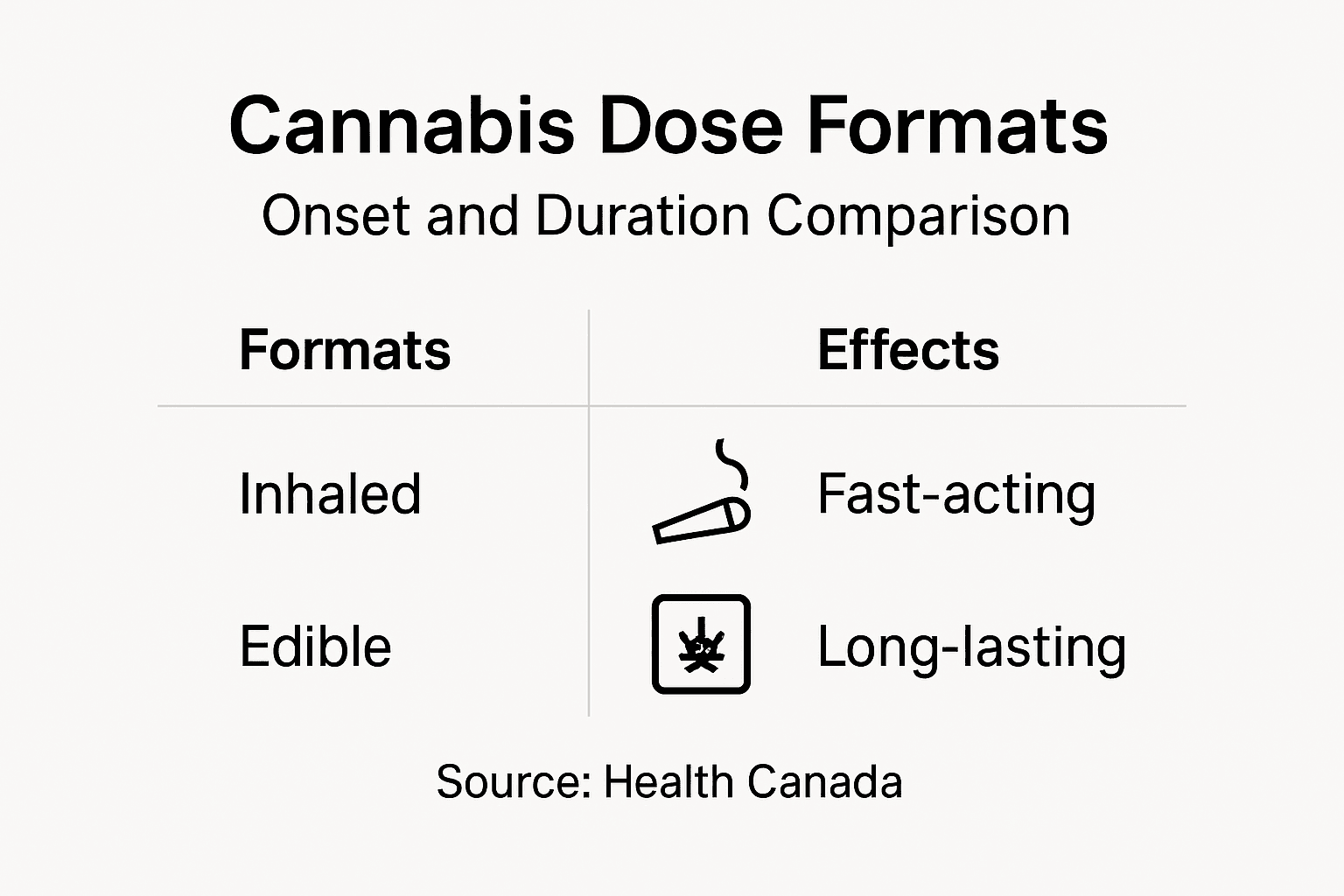
Each format presents distinct advantages in onset and duration of effects. Inhaled cannabis provides rapid symptom relief but shorter duration, while edibles offer prolonged therapeutic effects with a slower onset. The selection depends on individual patient requirements, specific medical conditions, and personal preferences.
Here is a summary comparing medical cannabis formats by onset, duration, and recommended use cases:
| Format | Onset of Effects | Duration of Effects | Common Use Cases |
|---|---|---|---|
| Dried Flower | 5–15 minutes | 2–4 hours | Acute pain, fast relief |
| Oils & Tinctures | 30–60 minutes | 4–8 hours | Chronic symptoms, daily use |
| Edibles | 30–90 minutes | 6–12 hours | Long-lasting pain or sleep |
| Topical Applications | 15–60 minutes | 2–6 hours | Localised pain or inflammation |
| Concentrates | 1–10 minutes | 2–6 hours | Strong symptoms, rapid onset |
Pro tip: Consult with a healthcare professional to determine the most suitable cannabis format for your specific medical condition and symptom management needs.
Determining the optimal medical cannabis dosage is a nuanced and personalised process that requires careful consideration and professional guidance. Healthcare providers recommend a gradual approach to finding the right therapeutic dose, emphasising patient safety and individual response.
The foundational principle of medical cannabis dosing involves a systematic method known as dose titration. This approach includes:
Individual factors significantly influence optimal dosing, including body weight, metabolism, specific medical condition, cannabinoid tolerance, and the desired therapeutic outcome. Some patients might require higher doses for chronic pain management, while others might achieve relief with minimal quantities. The complexity of cannabis’s interaction with individual biochemistry means there is no universal standard dose that applies to all patients.

Patients should remain attentive to their body’s signals, tracking changes in symptoms, potential side effects, and overall wellness throughout the dosing exploration process. Open communication with healthcare providers ensures a safe, effective, and personalised medical cannabis treatment strategy.
Pro tip: Maintain a detailed symptom and dosage journal to help your healthcare provider fine-tune your medical cannabis treatment plan.
Canada’s medical cannabis framework represents a comprehensive and carefully regulated system designed to ensure patient safety and controlled access. Health Canada oversees the medical cannabis regulations, establishing stringent guidelines for production, distribution, and patient eligibility.
To legally access medical cannabis in Canada, patients must navigate the following key requirements:
The Cannabis Act fundamentally transformed medical cannabis access, creating a structured regulatory environment that balances patient needs with public health considerations. Provincial regulations may introduce additional requirements, meaning patients must understand both federal and local legal frameworks. This approach ensures quality control, prevents unauthorized distribution, and protects vulnerable populations from potential misuse.
Medical cannabis patients benefit from a robust legal framework that prioritises safe, controlled access while maintaining strict accountability for producers and consumers. The regulatory system continues to evolve, reflecting ongoing research and changing societal perspectives on medical cannabis use.
Here is a reference table outlining core legal requirements for medical cannabis in Canada:
| Requirement | Who Oversees | Patient Action | Impact on Access |
|---|---|---|---|
| Prescription Authorisation | Licensed practitioner | Obtain medical document | Validates medical need |
| Producer Registration | Government-approved | Register with producer | Ensures legal supply |
| Possession Limits | Health Canada/province | Adhere to allowed quantity | Prevents excess or misuse |
| Documentation Maintenance | Self/healthcare provider | Keep paperwork updated | Ensures ongoing legality |
Pro tip: Always keep your medical cannabis documentation current and consult with healthcare professionals to ensure full legal compliance.
Medical cannabis, while therapeutic, carries potential risks that patients must carefully understand and navigate. Medical cannabis side effects can vary widely depending on individual physiology, dosage, and specific medical conditions.
Common side effects and risks include:
Implementing safe practices is crucial for minimising potential adverse effects. Patients should always start with low doses, carefully monitor their body’s response, and maintain open communication with healthcare providers. Avoiding activities requiring high concentration or precise motor skills, such as driving, while under the influence is essential for personal and public safety.
Individuals with pre-existing mental health conditions, cardiovascular issues, or those who are pregnant should exercise extreme caution and consult healthcare professionals before considering medical cannabis as a treatment option. The complex interactions between cannabinoids and individual biochemistry necessitate a personalised, carefully monitored approach.
Pro tip: Keep a detailed symptom and side effect journal to help your healthcare provider adjust your treatment plan and minimise potential risks.
Medical cannabis patients often encounter several critical dosing errors that can compromise their treatment effectiveness and personal safety. Cannabis dosing mistakes frequently stem from misunderstandings about product potency, individual tolerance, and proper administration techniques.
The most prevalent dosing mistakes include:
Understanding that each patient’s response to medical cannabis is unique is crucial. Factors like metabolism, existing medical conditions, and concurrent medications significantly influence individual reactions. Patients should approach medical cannabis with a methodical, patient-centered strategy that prioritises careful observation and professional medical guidance.
The fundamental principle of medical cannabis dosing remains consistent: start with the lowest possible effective dose and gradually adjust under professional supervision. This approach minimises potential adverse effects while allowing patients to discover their optimal therapeutic range.
Pro tip: Document every dose, including product type, quantity, and your body’s response, to help your healthcare provider develop a personalised treatment plan.
Navigating medical cannabis dosing can feel overwhelming because each patient requires a personalised approach to balance relief and avoid unwanted side effects. If you are struggling with questions about starting low, titrating up, or choosing the right product format like oils, edibles, or concentrates, GreenSociety.cc offers a trusted platform to explore quality cannabis options tailored to your needs. Our vast selection supports safe and effective symptom management while prioritising your comfort and health.

Take control of your medical cannabis journey today by visiting GreenSociety.cc where you can browse and purchase diverse cannabis products including flowers, oils, and edibles with discreet shipping. Empower your treatment with confidence by leveraging our educational guides and trusted product range designed to help you find the right dose safely and conveniently. Start now to experience relief that works for you.
Medical cannabis dosing refers to the careful determination of the appropriate quantity and frequency of cannabis consumption for therapeutic purposes. It is important because precise dosing optimises symptom management while minimizing potential adverse effects, ensuring safer patient outcomes.
Finding the right dosage involves a process called dose titration, where you start with the lowest effective dose and gradually increase it while monitoring your symptoms and side effects. Consulting with a healthcare professional is essential for guidance tailored to your individual response and needs.
Medical cannabis formats include dried flower, oils, tinctures, edibles, topical applications, and concentrates. Each format has unique benefits regarding onset, duration of effects, and best use cases, so it’s important to choose one that fits your specific medical needs.
Common side effects of medical cannabis may include cognitive impairments, cardiovascular effects, psychological responses, motor skill disruption, and potential medication interactions. It is crucial to be aware of these risks and monitor your body’s responses during treatment.