Free Shipping
on orders over $150.00
$40.00
$150.00
Add $110.00 more for free shipping!
-
×
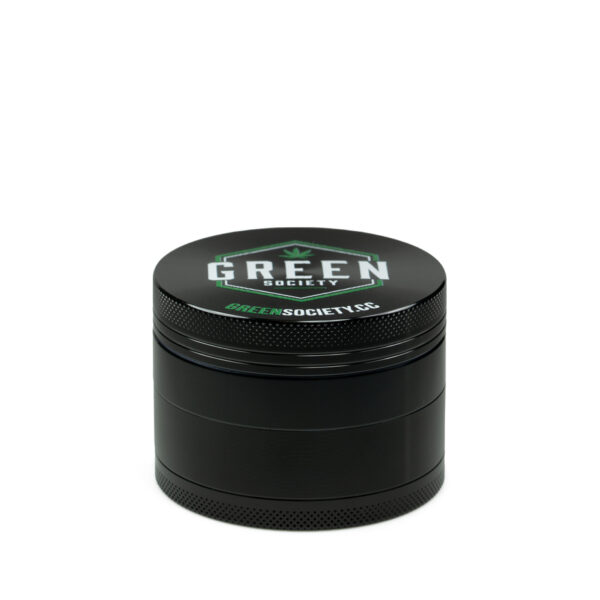
 Green Society Herb Grinder
$40.00
Green Society Herb Grinder
$40.00

TL;DR:
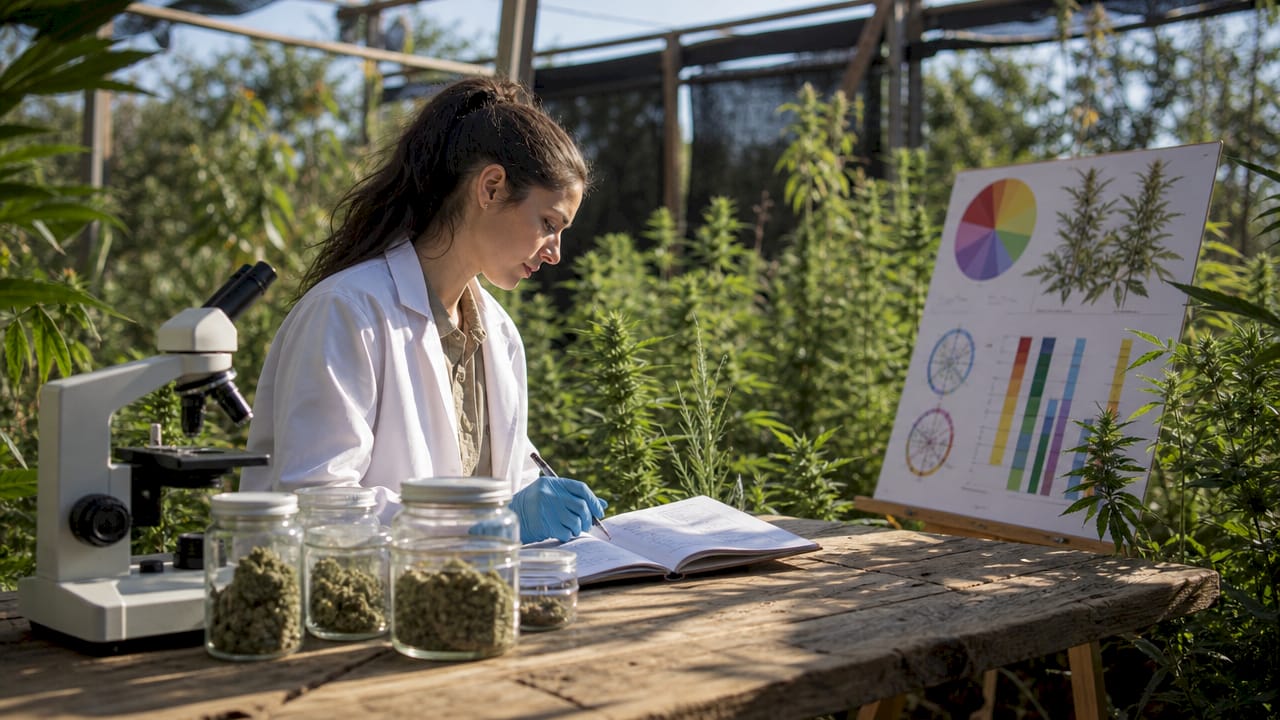
- Seasonal cannabis strains are selected primarily by their terpene profiles to match each season’s mood and environment. Choosing strains based on terpene content and verifying with a Certificate of Analysis offers a more accurate way to achieve desired effects than focusing on THC percentages alone. Premium small-batch strains regularly refreshed and verified by COA provide reliable, season-appropriate experiences.
Seasonal cannabis strains are products selected for their terpene profiles and effects that best suit the mood, activities, and environment of each season. The industry term for this approach is terpene-first strain selection, and it produces better results than choosing by THC percentage alone. Terpenes modify psychoactive effects and provide unique benefits including anti-anxiety and analgesic properties. Premium craft producers like Broken Coast now release dedicated small-batch strains refreshed every 3–4 months to match changing weather and social environments. This guide covers the best cannabis strains for each season, a practical selection framework, and a comparison table to support confident purchasing decisions.
Seasonal cannabis strains are cultivars matched to specific times of year based on their terpene fingerprint, not their marketing label. Many products are simply existing strains promoted with seasonal packaging. The real distinction comes from terpene dominance: limonene for summer energy, myrcene for winter sedation, and caryophyllene for year-round anti-inflammatory support.
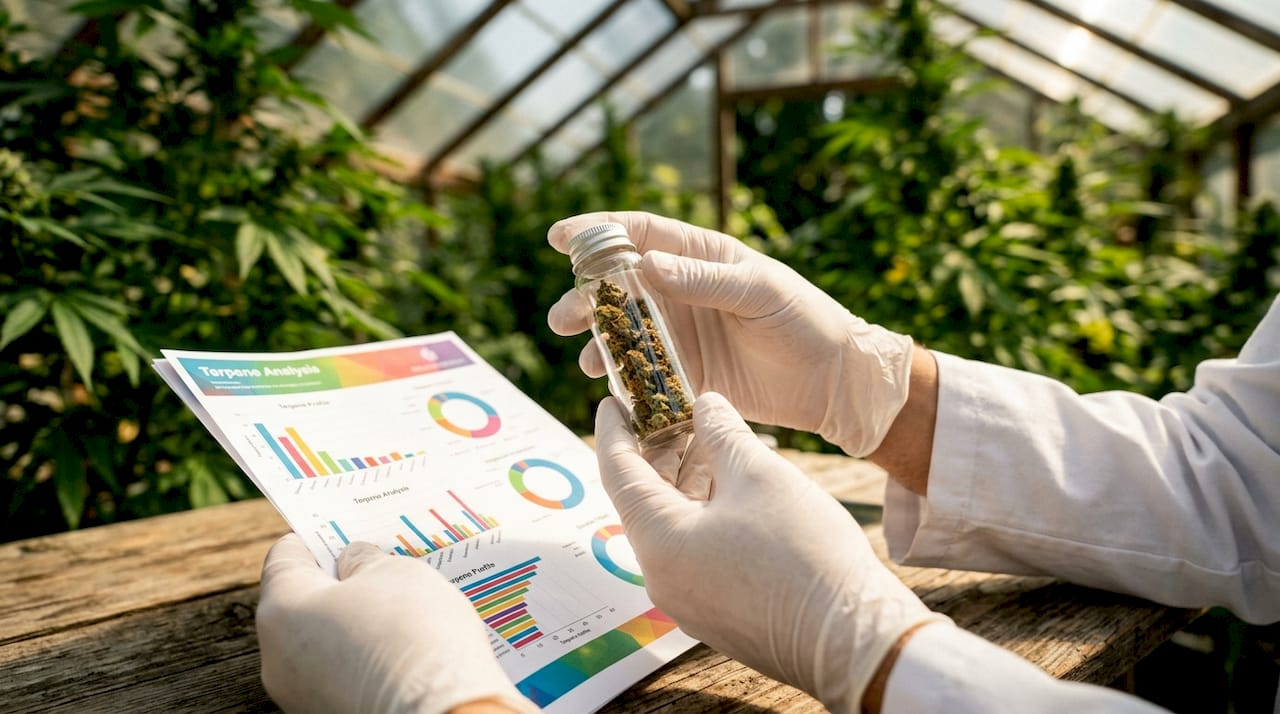
Terpene content, not THC percentage, determines the seasonal feel of a strain. A 28% THC flower with dominant myrcene will feel heavy and sedating regardless of the season you consume it in. Matching terpene profile to season is the foundation of every good cannabis strain selection decision.
Summer calls for limonene-rich strains that lift mood and support energy during outdoor activities and social gatherings. Limonene is abundant in strains like Wedding Cake and Durban Poison, both of which deliver bright citrus aromas and uplifting effects. Terpinolene is another summer-friendly terpene, found in sativa-leaning hybrids that produce a clean, clear-headed buzz.
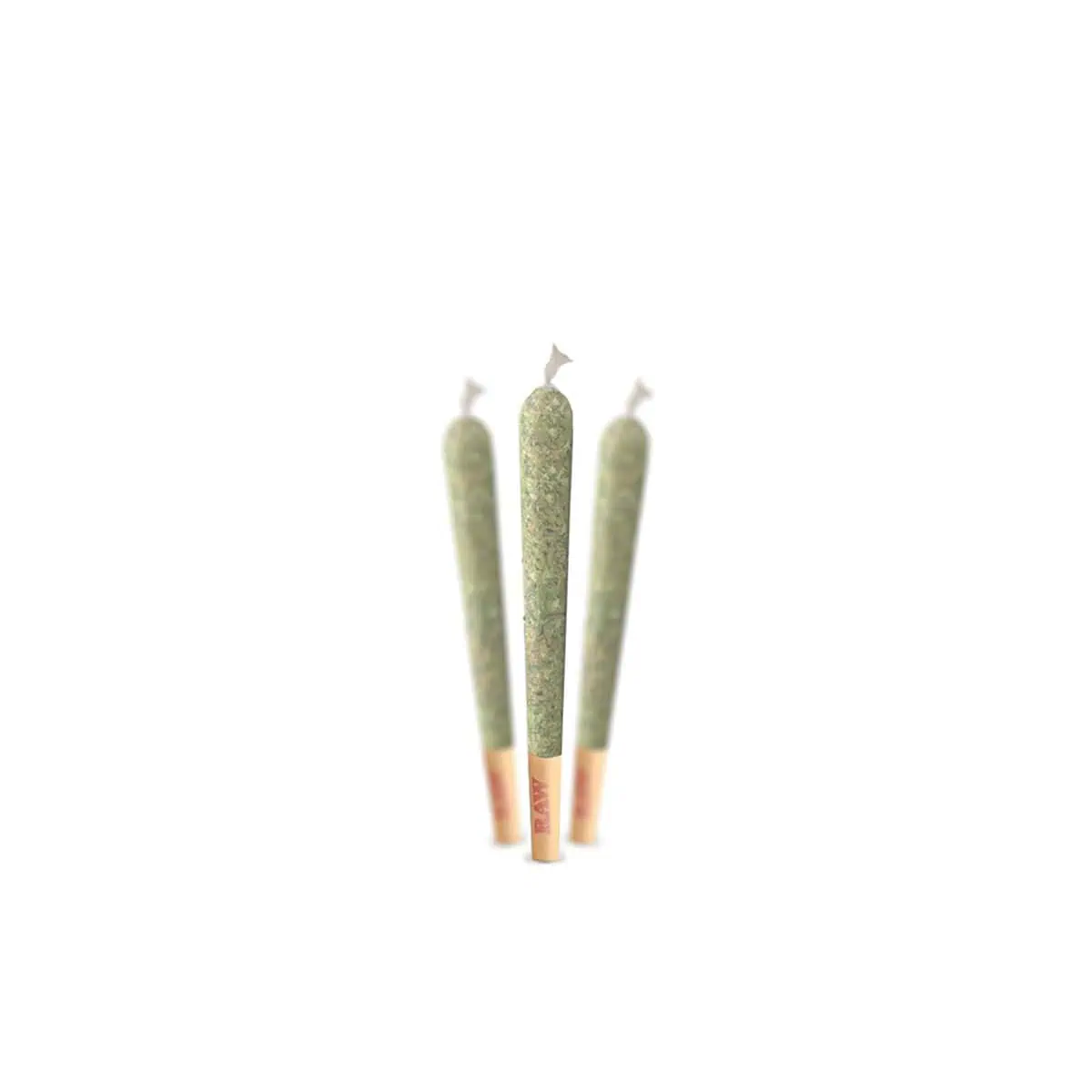
THC levels between 15% and 22% are the sweet spot for summer use. Above 25% THC increases anxiety risk in active social settings, which is the opposite of what you want at a backyard gathering or a festival. Broken Coast’s Cherry Ztripez is a strong example of a dedicated summer small-batch release, available in flower and pre-roll formats and designed specifically for warm-weather use.
Ideal terpene and cannabinoid profile for summer strains:
Pro Tip: Opt for pre-rolls or lighter flower formats in summer. They are easier to share outdoors and reduce the risk of overconsumption in warm weather.
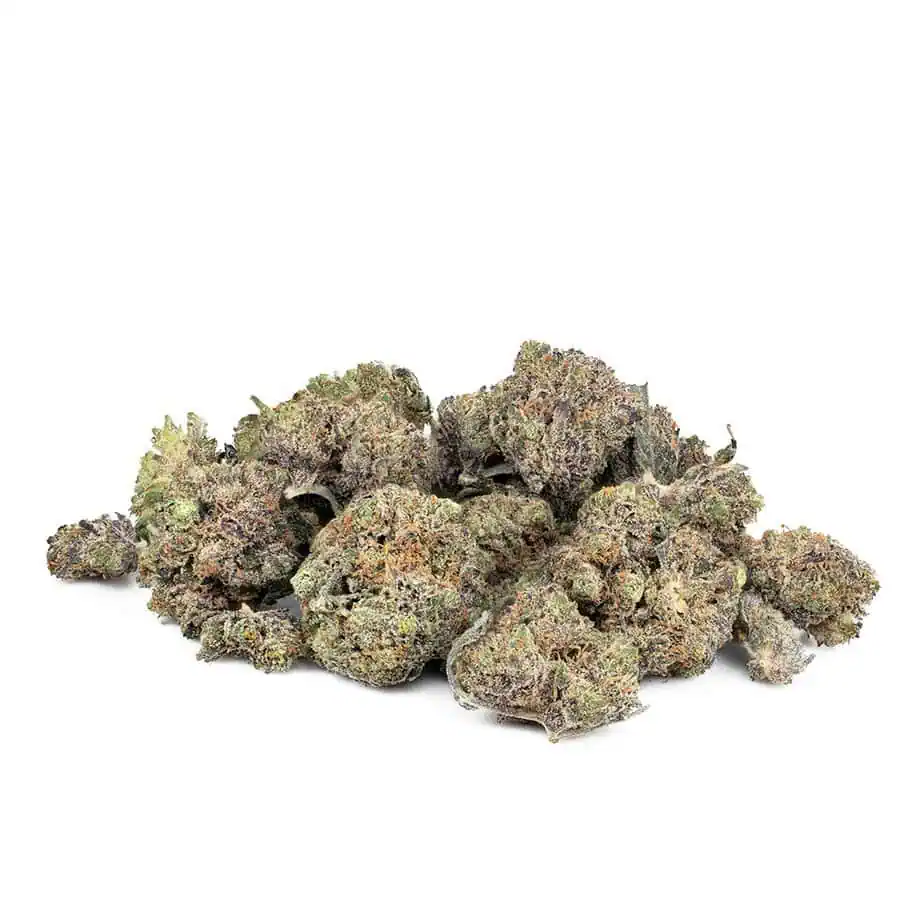
Winter strains work best when they are rich in myrcene and linalool, two terpenes associated with sedation, muscle relaxation, and anxiety relief. Myrcene is the most abundant terpene in cannabis and is found in strains like Blue Dream and OG Kush. Linalool, also present in lavender, deepens the calming effect and supports sleep onset.
THC in the 18%–22% range works well for evening winter use. Going higher can produce restlessness rather than relaxation, particularly for consumers who are sensitive to THC. Indica-dominant hybrids with dense, resinous buds and earthy or floral aromas are the most consistent winter performers.
Ideal terpene and cannabinoid profile for winter strains:
Consumers seeking sleep support should prioritise high-myrcene and linalool strains while keeping THC moderate to maintain balanced sedation. Flower consumed 30–45 minutes before bed assists evening relaxation without the delayed onset that edibles carry.
Pro Tip: For daytime winter use, choose a caryophyllene-dominant strain instead. It delivers anti-inflammatory relief and mild relaxation without the heavy sedation of myrcene-forward options.
Terpene-first cannabis strain selection means reading the Certificate of Analysis (COA) before you read the THC number. The COA is a lab report that confirms the exact terpene content of a product. THC percentage is not the primary quality indicator. The seasonal feel of a strain comes from its terpene fingerprint, and the COA is the only reliable way to verify it.
Key terpenes and their seasonal relevance:
Balanced THC:CBD ratios of 1:1 or 2:1 support tailored seasonal use by softening the psychoactive edge of THC. A 2:1 ratio with dominant linalool is a reliable winter nighttime formula. A 2:1 ratio with limonene suits a social summer afternoon far better than a high-THC, single-cannabinoid product.
The sniff test is a practical shortcut. Citrus and tropical aromas signal limonene and terpinolene. Earthy, damp, or musky notes point to myrcene. Floral or spiced aromas indicate linalool or caryophyllene. Your nose is a fast, free terpene detector before you ever open the COA.
Pro Tip: Always request or download the COA from the product page before purchasing. A reputable retailer like Greensociety makes COA access straightforward. If a product has no COA, the terpene content is unverified and the seasonal claim is marketing, not science.
Consumers prefer citrus and tropical strains for summer outdoor activities and indica-dominant hybrids for winter relaxation. The table below maps each season to its dominant terpene profile, typical THC range, aroma, and expected effects.
| Season | Dominant terpene(s) | THC range | Typical aroma | Common effects |
|---|---|---|---|---|
| Spring | Terpinolene, limonene | 15%–20% | Fresh, floral, pine | Creative, uplifting, social |
| Summer | Limonene, terpinolene | 15%–22% | Citrus, tropical | Energetic, mood-lifting, social |
| Autumn | Caryophyllene, myrcene | 18%–23% | Spiced, earthy | Relaxing, anti-inflammatory, grounding |
| Winter | Myrcene, linalool | 18%–22% | Earthy, floral | Sedating, sleep-supporting, body-relaxing |
Sativa-leaning hybrids dominate spring and summer columns. Indica-leaning hybrids and pure indicas fill the autumn and winter rows. Balanced hybrids with caryophyllene sit comfortably in autumn, bridging the gap between the active summer and the restful winter. This table supports better cannabis strain selection by giving you a clear reference point before you browse any product catalogue.
Environment shapes the ideal strain as much as season does. A strain that works perfectly for a quiet winter evening at home is the wrong choice for a spring hiking trip. Matching terpene dominance to indoor or outdoor use and event type is the practical next step after identifying your seasonal profile.
Situational strain recommendations by setting:
Small-batch seasonal releases from premium producers are the strongest choice for social or outdoor occasions. They are formulated with specific terpene targets and verified by COA, which means the experience is predictable. Budget-conscious consumers can find terpene-forward options in standard catalogue flower by reading the COA and filtering by dominant terpene rather than price or THC percentage.
Seasonal cannabis strain selection works best when terpene profile is the primary filter, THC range is the secondary check, and the COA confirms both before purchase.
| Point | Details |
|---|---|
| Terpene profile drives seasonal fit | Limonene suits summer energy; myrcene and linalool suit winter relaxation. |
| THC range matters for safety | Keep THC between 15%–22% for balanced seasonal experiences across most settings. |
| COA verification is non-negotiable | The Certificate of Analysis confirms terpene content and validates seasonal claims. |
| Format affects the experience | Pre-rolls suit outdoor summer use; flower consumed 30–45 minutes before bed supports winter sleep. |
| Small-batch releases offer precision | Premium seasonal drops like Cherry Ztripez are formulated and refreshed every 3–4 months. |
The shift from THC-first to terpene-first thinking is one of the most practical improvements a cannabis consumer can make. I spent years chasing high-THC numbers and wondering why some sessions felt anxious and flat while others felt exactly right. The answer was always in the terpenes, not the potency.
The most consistent feedback I hear from experienced consumers mirrors that pattern. A 19% THC strain with dominant limonene and terpinolene delivers a brighter, more social summer experience than a 27% THC flower with heavy myrcene. The numbers on the label are not the story. The terpene fingerprint is.
What surprises people most is how quickly the COA becomes a natural part of the purchasing process. Once you read two or three of them and connect the terpene data to what you actually felt, the habit sticks. You stop guessing and start selecting with real criteria.
The market is moving in this direction. Premium craft producers releasing limited seasonal batches are not just a trend. They reflect a maturing consumer base that wants authentic, verified experiences rather than marketing language. That is a good development for everyone who takes their cannabis choices seriously.
— Juiced
Choosing the right strain for the right season is a skill that builds quickly with the right guidance. Greensociety has put together a thorough cannabis flower buying guide for 2026 that walks you through terpene evaluation, COA reading, and format selection from start to finish.
The Greensociety blog also covers terpene profiles and effects in depth, giving you the background knowledge to make confident seasonal choices year-round. Whether you are stocking up for a summer outdoor season or selecting a winter wind-down strain, Greensociety’s curated catalogue and educational resources put the right information in your hands before you add anything to your cart.
A strain is considered seasonal when its terpene profile aligns with the moods, activities, and environments of a specific time of year. Limonene-dominant strains suit summer energy; myrcene-dominant strains suit winter relaxation.
THC percentage is not the primary quality indicator for seasonal suitability. The terpene fingerprint, confirmed by a Certificate of Analysis, determines how a strain will actually feel across different seasons and settings.
Limonene and terpinolene are the top terpenes for summer use. Both support mood elevation, energy, and social engagement, and are found in sativa-leaning hybrids with citrus or tropical aromas.
Request or download the Certificate of Analysis (COA) from the product page before purchasing. The COA is a lab report that lists the exact terpene percentages and confirms whether the seasonal claim is accurate.
Premium small-batch seasonal releases are formulated with specific terpene targets and refreshed every 3–4 months. For consumers who want a predictable, verified experience tied to the season, the premium is justified.