Free Shipping
on orders over $150.00
$0.00
$150.00
Add $150.00 more for free shipping!

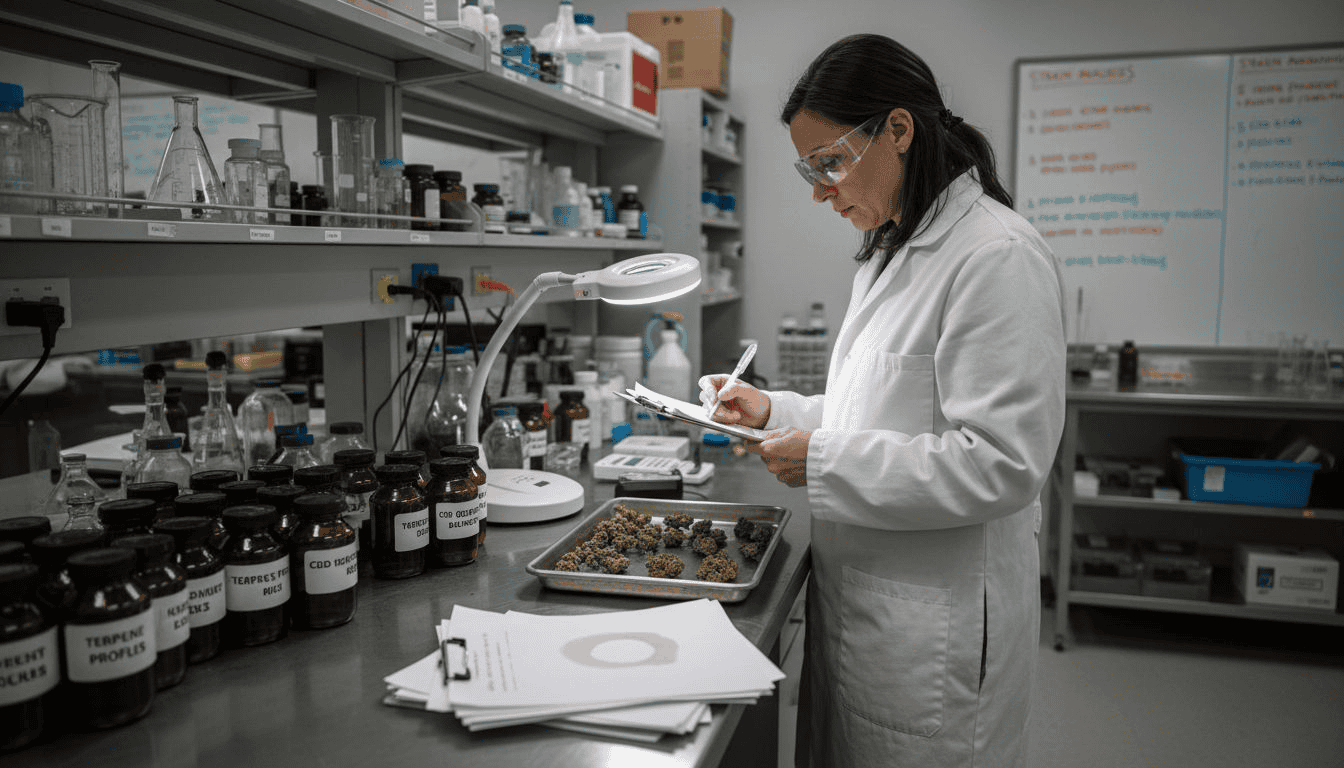
You’ve probably chosen cannabis based on whether it’s labeled Indica or Sativa, expecting certain effects. The reality is far more complex and fascinating. Recent genomic studies analyzing over 2400 lab tested samples reveal that these traditional labels fail to predict actual effects, chemical profiles, or genetic lineage. This guide unpacks the real science behind cannabis strains so you can make informed decisions confidently.
| Point | Details |
|---|---|
| Labels Mislead | Traditional Indica/Sativa classifications do not reliably predict effects due to widespread hybridization. |
| Chemistry Matters | Cannabinoid ratios (THC/CBD) and terpene profiles determine actual strain effects, not plant shape. |
| Environment Alters Expression | Growing conditions change phenotype, causing batch variation even with identical genetics. |
| Lab Data Wins | Verified chemical profiles from testing labs provide the only reliable basis for strain selection. |
| Hybrids Dominate | Most commercial strains are complex hybrids, making simple classification obsolete. |
Cannabis strains represent distinct genetic variations within the Cannabis plant species. Each strain carries unique combinations of genes that influence appearance, growth patterns, chemical composition, and ultimately the effects you experience. Think of strains like dog breeds: all dogs belong to one species, yet a Chihuahua differs dramatically from a Great Dane.
The cannabis plant exhibits remarkable genetic diversity despite being classified as a single species. This diversity creates thousands of named strains, each potentially offering different flavors, aromas, potency levels, and therapeutic benefits. Understanding this differences in cannabis strains helps you move beyond guesswork when selecting products.
Why should you care about strain diversity? The answer lies in personalization. One strain might help you sleep while another sparks creativity or eases pain. Without understanding what makes strains different, you’re essentially gambling with your experience and money.
Key biological concepts to grasp:
These terms appear throughout cannabis science, but don’t let them intimidate you. They simply describe different ways of looking at what makes each strain unique.
For decades, cannabis was believed to comprise multiple distinct species: Cannabis sativa, Cannabis indica, and Cannabis ruderalis. Modern genomic research has completely overturned this outdated taxonomy. Genomic analyses show Cannabis is a monotypic genus exhibiting vast genetic diversity rather than discrete species.
What does this mean practically? Those Indica and Sativa labels you see everywhere describe morphological traits (plant shape, leaf width, flowering time) rather than separate species or guaranteed effects. An Indica typically grows short and bushy with broad leaves, while Sativa plants grow tall with narrow leaves. These physical differences arose from adaptation to different climates, not from being fundamentally different organisms.
Here’s where it gets interesting: commercial breeding has created such extensive genetic mixing that most strains share DNA from multiple ancestral lineages. A plant labeled “pure Sativa” likely contains significant Indica genetics and vice versa. This cannabis genetics guide explains how genetic overlap dominates the modern market.
Genetic realities of modern strains:
Understanding this genetic foundation helps explain why two strains labeled Indica can produce wildly different effects. The label tells you almost nothing about what matters: the chemicals inside.

The effects you feel from cannabis come primarily from two chemical families: cannabinoids and terpenes. Cannabinoids THC and CBD primarily determine psychoactive effects, but their ratios vary widely across strains, driving different user experiences. THC produces the characteristic high, while CBD offers therapeutic benefits without intoxication.
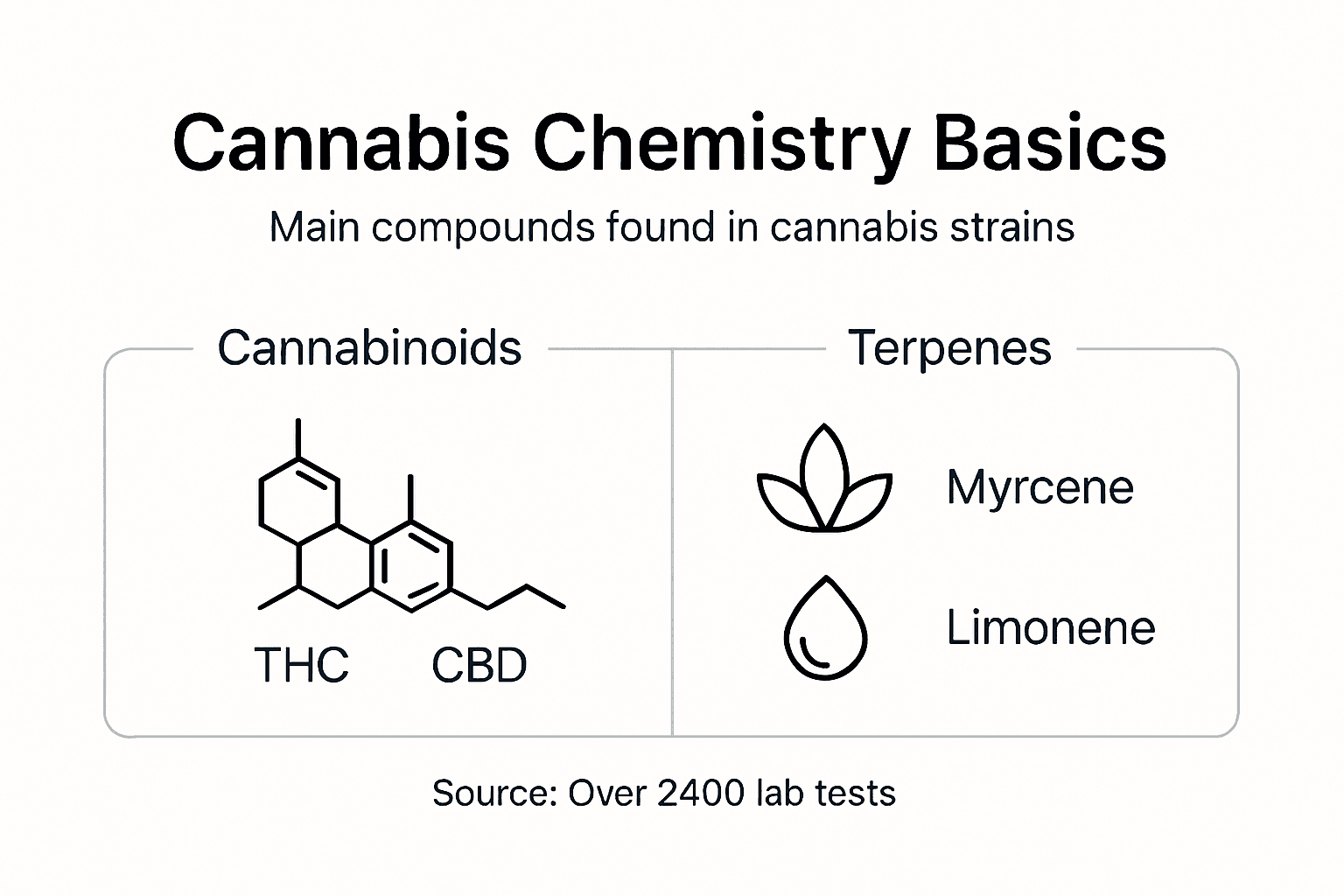
However, cannabinoids tell only part of the story. Terpene profiles define the aroma, flavor, and modulate the effects of cannabis strains beyond cannabinoids. These aromatic compounds create the distinctive smells (pine, citrus, pepper, flowers) and work synergistically with cannabinoids to shape your overall experience. This interaction, called the entourage effect, explains why strains with similar THC levels can feel completely different.
| Compound | Primary Effects | Common Levels |
|---|---|---|
| THC | Euphoria, relaxation, pain relief | 10-30% |
| CBD | Anti-anxiety, anti-inflammatory, no high | 0-20% |
| Myrcene | Sedation, muscle relaxation | 0.5-2.0% |
| Limonene | Mood elevation, stress relief | 0.2-1.5% |
| Caryophyllene | Pain relief, anti-inflammatory | 0.1-1.0% |
| Pinene | Alertness, memory retention | 0.1-1.0% |
Key chemical insights:
Pro Tip: When choosing cannabis strains by effects, check both cannabinoid percentages and dominant terpenes on lab reports. A strain high in myrcene and CBD will feel sedating regardless of whether it’s labeled Indica or Sativa. Learning to read cannabis terpenes effects gives you real predictive power.
Nearly every strain you encounter today results from intentional crossbreeding. Hybrid strains are created by crossing different cannabis species or strains to produce offspring with combined phenotypic and chemical traits tailored for specific effects and growth patterns. Breeders select parent plants with desired characteristics (high THC, specific terpenes, fast flowering, disease resistance) and combine their genetics.
This cannabis hybridization research shows how modern breeding dramatically increased chemical diversity. You can now find strains with THC levels exceeding 30%, CBD-rich varieties with minimal THC, or balanced ratios targeting specific therapeutic needs. The downside? Predicting offspring traits becomes incredibly complex.
Hybridization objectives:
Breeders face significant challenges maintaining consistency. Cannabis genetics don’t follow simple inheritance patterns, so crossing two parents doesn’t guarantee predictable offspring. A cross between a relaxing strain and an energizing one might produce some relaxing plants, some energizing plants, and some with entirely new profiles.
The hybrid cannabis benefits are undeniable for expanding consumer choice, but they complicate shopping decisions. When a strain is labeled 60% Sativa / 40% Indica, that ratio is an estimate at best, often meaningless without chemical data.
Pro Tip: Treat hybrid percentage labels as rough indicators of breeder intent, not chemical guarantees. A 70/30 Sativa-dominant hybrid might feel more sedating than an Indica if it contains more myrcene and CBD. Always prioritize lab results over genetic ratios.
Let’s directly address the myths that confuse consumers and undermine informed decision making. Indica and Sativa classifications do not reliably predict the effects or chemical makeup of cannabis strains due to genetic overlap and hybridization. Yet dispensaries and online stores continue using these labels as primary organizing categories.
| Myth | Scientific Reality |
|---|---|
| Indica strains cause sedation, Sativa strains energize | Chemical profiles determine effects; many Indicas are energizing, many Sativas are relaxing |
| Strain names guarantee consistent products | Same names often describe genetically different plants; no standardization exists |
| Hybrids predictably blend parent traits | Inheritance is complex; offspring show unpredictable variation |
| Ruderalis genetics are irrelevant | Ruderalis contributes auto-flowering traits widely used in breeding |
Why do these misconceptions persist? Marketing inertia and consumer familiarity create resistance to change. Budtenders find it easier to recommend “an energizing Sativa” than to explain terpene profiles. Many consumers have built preferences around these labels despite their unreliability.
The importance of cannabis strains lies in their chemical uniqueness, not their arbitrary category. Two plants both labeled “OG Kush” from different growers might share a name and nothing else. Without standardized testing and genetic verification, strain names function more like suggestions than specifications.
Another widespread myth suggests that higher THC always means better quality or stronger effects. Reality proves more nuanced. A 15% THC strain rich in complementary terpenes often produces more satisfying effects than a 30% THC strain with a poor terpene profile. The entourage effect matters enormously.
Even when genetics remain identical, environmental factors dramatically alter how plants develop and what chemicals they produce. Your genotype represents your inherited DNA, fixed at conception. Your phenotype encompasses all observable traits influenced by both genes and environment. Cannabis shows remarkable phenotypic plasticity, meaning growing conditions heavily impact the final product.
Environmental factors and phenotype expression cause plants with similar genetics to show different growth, flavor, and resin production, complicating strain consistency. A clone (genetically identical copy) grown indoors under LEDs will differ noticeably from its sibling grown outdoors in soil under sunlight.
Environmental factors affecting phenotype:
This explains why you might love a strain from one grower but feel disappointed by the “same” strain from another source. The genetics provide potential, but execution determines results. Even batches from the same grower vary between growing cycles due to subtle environmental fluctuations.
Phenotypic variation creates both challenges and opportunities. Skilled cultivators manipulate environment to maximize desired traits. They might increase UV light exposure to boost terpene production or carefully time harvest to optimize cannabinoid ratios. Poor growing practices produce weak, inconsistent products regardless of genetic potential.
For consumers, this means strain names offer even less reliability than genetic labels suggest. The “Blue Dream” you loved might have been grown with specific techniques impossible to replicate exactly. Your best protection against disappointing purchases? Choose vendors who provide batch-specific lab results showing the actual chemical profile of the product you’re buying.
Examining well-documented strains illustrates how chemical profiles determine real-world effects. Popular strains like OG Kush and Granddaddy Purple have scientific backing linking their terpene and cannabinoid profiles to specific therapeutic and recreational effects. These scientifically characterized strains demonstrate the practical application of chemical understanding.
OG Kush: This legendary strain typically tests at 20-23% THC with dominant myrcene and caryophyllene terpenes. Myrcene contributes sedating properties while caryophyllene adds anti-inflammatory effects. Users consistently report stress relief, pain reduction, and physical relaxation. The high myrcene content explains why OG Kush feels “Indica-like” despite unclear genetic heritage.
Granddaddy Purple: Known for deep relaxation and sleep promotion, GDP usually contains 17-24% THC with prominent myrcene and pinene. The purple coloration comes from anthocyanins, not from indica genetics as commonly believed. Its sedative reputation aligns perfectly with high myrcene levels, validating the terpene-effect relationship.
Jack Herer: Named after the cannabis activist, this strain produces cognitive stimulation and energy. Chemical analysis reveals 18-24% THC with elevated pinene and limonene terpenes. Pinene promotes alertness and memory retention while limonene elevates mood. The terpene profile explains its reputation as a productive, creative strain.
Key chemical patterns:
These case studies prove that understanding chemistry gives you genuine predictive power. When you see a new strain with a chemical profile similar to one you enjoyed, you can reasonably expect comparable effects. This beats guessing based on whether someone labeled it Indica or Sativa.
Understanding the interplay between cannabinoids and terpenes allows consumers to select strains that better match desired medical or recreational effects, enhancing user experience. Translating scientific knowledge into shopping decisions requires a systematic approach.
When evaluating products, follow this priority order:
Learning how to read lab results for cannabis products transforms you from a passive consumer into an informed decision maker. Lab reports typically display cannabinoid percentages, terpene profiles, and safety testing for contaminants. Focus first on the cannabinoid section to understand potency, then examine the terpene profile to predict effects.
Understanding how to read product labels helps you quickly assess whether a strain matches your needs. Quality vendors display THC/CBD percentages prominently and list top terpenes. Be skeptical of products lacking detailed chemical information. Generic descriptions like “relaxing Indica” substitute marketing for data.
Practical selection considerations:
Pro Tip: When trying a new strain, document the specific batch’s lab results along with your experience notes. Over time, you’ll identify patterns in which chemical profiles work best for you. This personal data beats any general recommendation. Also, when identifying quality cannabis naturally, trust verified lab results over visual assessment alone.
The goal isn’t to become a chemist. You simply need enough knowledge to ask the right questions and interpret basic lab data. This empowers you to find products that consistently deliver your desired experience instead of relying on trial, error, and wasted money.
Applying everything you’ve learned requires access to properly tested, quality products with transparent information. Green Society provides exactly that foundation for informed cannabis shopping. Our platform prioritizes detailed product information, helping you make science-based decisions rather than guessing based on outdated labels.

Every product listing includes available lab results, cannabinoid profiles, and detailed descriptions to support your selection process. Whether you’re seeking specific therapeutic effects or exploring recreational options, understanding the chemistry behind each strain makes all the difference. Use our comprehensive cannabis flower checklist to evaluate products systematically before purchasing.
We’ve developed extensive educational resources to complement your shopping experience. Our guides on reading lab results and understanding cannabis terpenes give you the knowledge to shop confidently. Browse our selection knowing that quality, testing, and transparency guide every product we offer.
THC produces the psychoactive high associated with cannabis, including euphoria, altered perception, and relaxation. CBD provides therapeutic benefits like anxiety reduction and pain relief without intoxication. Higher THC means more intense psychoactive effects, while balanced THC/CBD ratios moderate the high while maintaining benefits.
Honestly, you can’t rely on strain names alone for consistency. No standardization exists across producers, so identical names often describe genetically different plants. Always prioritize verified lab results showing actual cannabinoid and terpene content over strain name recognition. The chemicals matter, not the marketing label.
Environmental factors during growing dramatically affect chemical profiles even with identical genetics. Different lighting, nutrients, harvest timing, and curing methods alter cannabinoid ratios and terpene content. Additionally, many products labeled with the same strain name actually come from different genetic sources entirely, compounding the inconsistency.
Myrcene promotes sedation and muscle relaxation, making it ideal for sleep and stress relief. For focus and alertness, seek strains high in pinene (memory, clarity) and limonene (mood elevation, energy). Caryophyllene adds pain relief to relaxing profiles. Most strains contain multiple terpenes working together, so look for dominant profiles matching your goals.
Lab testing is absolutely critical for informed purchasing. Tests reveal actual THC/CBD levels, terpene profiles, and safety screening for pesticides, molds, and contaminants. Without verified lab results, you’re trusting marketing claims and visual assessment alone. Quality vendors provide batch-specific test results because they understand educated consumers demand transparency and accuracy.