Free Shipping
on orders over $150.00
$40.00
$150.00
Add $110.00 more for free shipping!
-
×
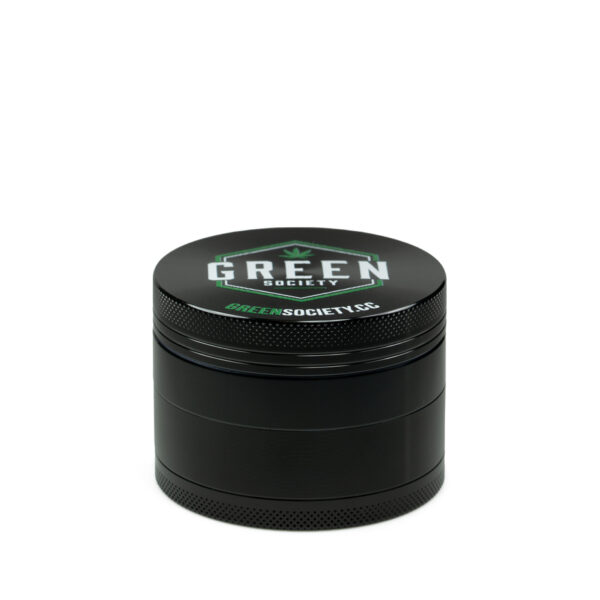
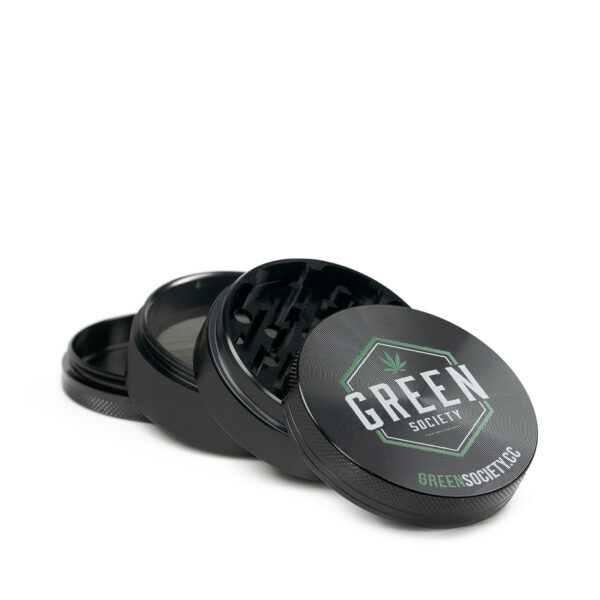 Green Society Herb Grinder
$40.00
Green Society Herb Grinder
$40.00


TL;DR:
- Vape cartridges are pre-filled containers with cannabis oil, compatible with universal 510-thread batteries.
- Types include distillate, live resin, and live rosin, differing in potency, flavor, and extraction method.
- Always buy from licensed sources, check for lab test results, and avoid low-priced, unregulated products.
Many Canadians walk into a dispensary, see a wall of vape cartridges, and freeze. Which oil type is best? Is it safe? What does 510-thread even mean? You’re not alone in that confusion. Vape cartridges have surged in popularity across Canada as a discreet, portable, and fast-acting way to consume cannabis, but most buyers make their first purchase without really understanding what’s inside or how it all works. This guide covers everything you need: what a cartridge actually is, how it delivers cannabis to your system, the differences between oil types, safety considerations, and practical tips for buying the right one.
| Point | Details |
|---|---|
| Know your hardware | A vape cartridge houses cannabis oil, heating elements, and a standard 510-thread for batteries. |
| Oil choice matters | Distillate offers potency, live resin adds flavour, and live rosin gives the purest spectrum of benefits. |
| Prioritize safety | Choose regulated, lab-tested cartridges to minimise risks from metals and counterfeit products. |
| Check labelling | THC levels are usually accurate, but it’s best to confirm with lab results for full confidence. |
| Shop smart | Consider oil type, hardware, and legal source for the best cannabis vaping experience. |
A vape cartridge, often called a “cart,” is exactly what it sounds like: a small, pre-filled container holding cannabis oil or extract. It attaches to a reusable battery-powered vape pen and delivers vapour when you inhale. Simple in concept, but the internal design is more thoughtful than most people realise.
According to standard cart design, a vape cartridge is a pre-filled, disposable container, typically 0.5g or 1g, holding cannabis oil or extract, with a mouthpiece, reservoir, wick or ceramic core, heating coil or atomizer, and a 510-thread base for attaching to a reusable battery. Each component plays a specific role in getting that oil from the reservoir into your lungs as clean vapour.
| Component | Role |
|---|---|
| Mouthpiece | Where you inhale from |
| Reservoir/tank | Holds the cannabis oil |
| Wick or ceramic core | Draws oil toward the heating element |
| Coil/atomizer | Heats the oil to produce vapour |
| 510-thread base | Connects the cartridge to the battery |
The 510-thread connection is the industry standard. Almost every vape pen battery on the market uses it, which means cartridges are broadly compatible across brands and devices.
Quick facts about vape cartridges:
The 510-thread standard and 0.5g to 1g capacity have become the default across the cannabis vape industry, making cartridges from different brands interchangeable with most reusable pens.
People choose cartridges for good reason. They’re compact, produce minimal odour, require no grinding or rolling, and deliver effects within minutes. If you want to understand why choose vape pens over other methods, the convenience factor is usually at the top of the list. You can also browse popular vape pen cartridges to see what’s trending in the Canadian market right now.
Now that you know what a cartridge is, let’s demystify how it works inside your vape pen.
When you inhale through the mouthpiece, you activate the battery, which sends power to the coil inside the cartridge. That coil heats up rapidly, warming the oil drawn to it by the wick or ceramic core. The oil reaches a temperature high enough to vaporise but not combust, meaning you get vapour rather than smoke.
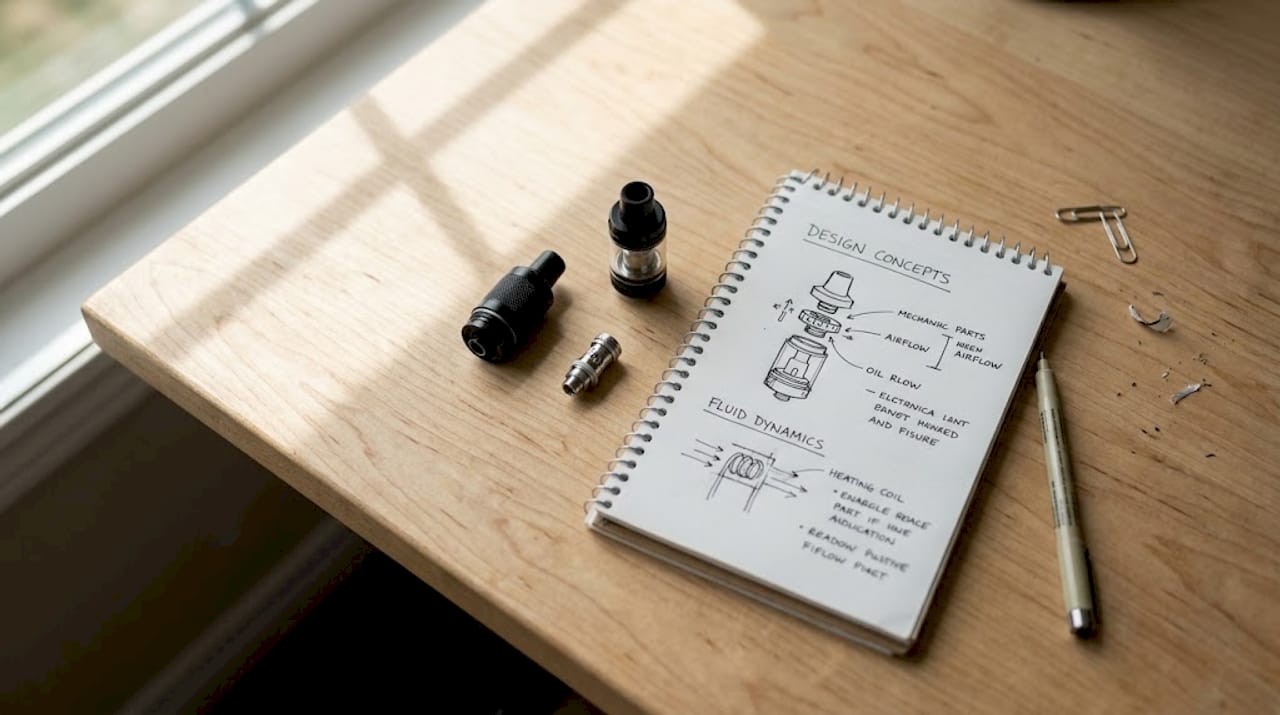
The battery powers the coil to a range of 350 to 500°F, the wick draws oil to the coil, and the oil vaporises without combustion for inhalation via the mouthpiece. That temperature window is key. Too low and you get weak, unsatisfying draws. Too high and you risk burning the oil, which creates a harsh, unpleasant taste and potentially harmful byproducts.
Step-by-step: what happens when you take a draw
Pro Tip: Choose cartridges with ceramic coils over cotton wicks. Ceramic heats more evenly, preserves terpene flavour better, and is far less likely to produce a burnt taste if the oil gets low.
Compared to smoking, vaping with a cartridge produces significantly less odour and delivers effects much faster than edibles, typically within two to five minutes. Understanding how vaping works at a mechanical level helps you troubleshoot problems and make smarter purchasing decisions. The advantages of vaping cannabis over combustion are well-documented, particularly around reduced exposure to smoke-related toxins.
Understanding the mechanics, your next big question is: what’s actually inside the cartridge?
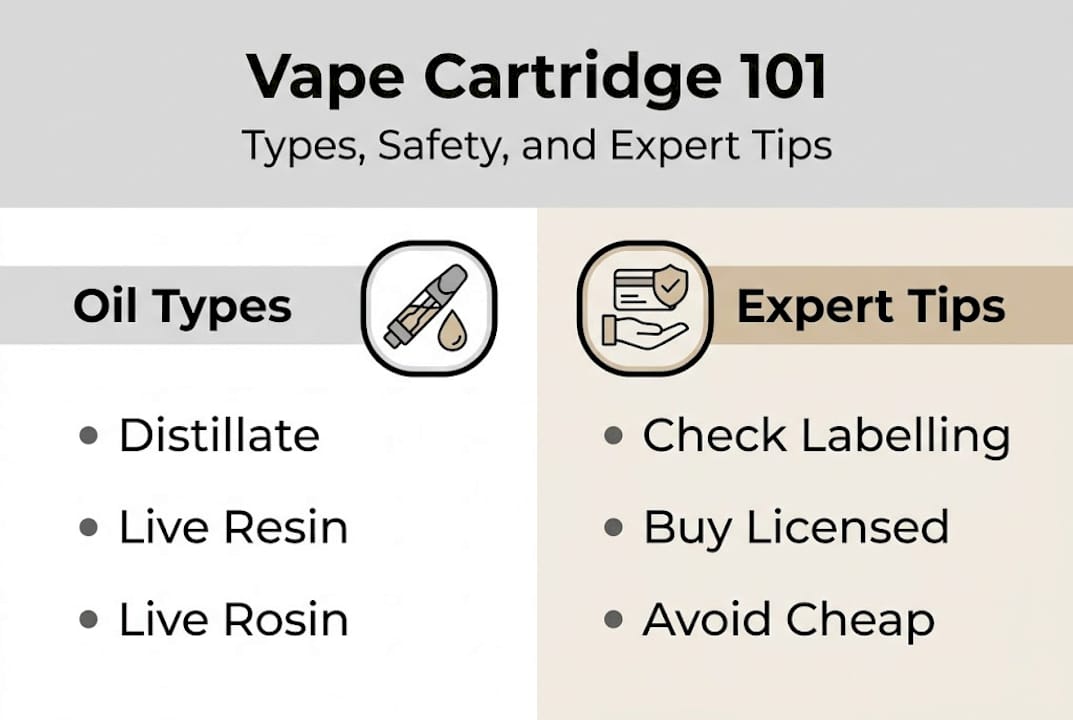
Not all cannabis oil is created equal. The three main types you’ll encounter are distillate, live resin, and live rosin, and the differences between them are significant in terms of potency, flavour, and how they’re made.
| Oil type | THC range | Extraction method | Flavour/terpenes | Cost |
|---|---|---|---|---|
| Distillate | 80 to 95% | Refined, terpenes added back | Consistent, milder | Lower |
| Live resin | 65 to 85% | Solvent-extracted from fresh-frozen plant | Rich, complex | Mid to high |
| Live rosin | 50 to 80% | Solventless heat and pressure | Full-spectrum, nuanced | Premium |
As the oil type comparison shows, distillate runs 80 to 95% THC and is refined with terpenes added back in, live resin sits at 65 to 85% THC from fresh-frozen extraction, and live rosin delivers 50 to 80% THC through solventless processing for the purest full-spectrum result.
How to choose the right oil type for your goals:
The concept of the entourage effect matters here. It refers to how cannabinoids and terpenes work together to produce effects that are more nuanced than THC alone. Live resin and live rosin preserve more of these compounds, which is why many experienced users prefer them despite the lower THC percentage on the label. Understanding cannabis potency goes beyond chasing the highest number.
But with all these choices, how do you know what’s safe, legal, and accurately labelled?
Safety is where the conversation gets serious. Most issues with vape cartridges fall into a few categories:
On the metals issue, research is clear. Metals like nickel, chromium, zinc, cobalt, and lead leach from coils and connectors into oil and aerosol. Canadian legal cartridges show levels in the micrograms per kilogram range, and while chromium exceeds limits in some products, the overall risk remains low for regulated items. That said, unregulated products carry far greater exposure risk.
In Canadian legal vape cartridges, metal contamination exists at trace levels, but chromium can exceed safe limits in some products. The risk is substantially lower when buying from licensed retailers compared to illicit sources.
Labelling accuracy is another real concern. THC labels on concentrates are often accurate within 15% for 96% of products, though observed THC tends to run slightly lower than stated. That’s reassuring for regulated products, but it also means a label saying 90% THC might actually be closer to 76%.
Pro Tip: Always buy from a licensed retailer and ask for a Certificate of Analysis (COA) or third-party lab results. This single habit eliminates most safety risks. You can learn more about lab testing for cannabis and why it matters, including what the latest lab testing standards in 2026 look like for Canadian consumers. For a broader look at vape cartridge health risks, peer-reviewed research offers additional context.
Armed with knowledge on safety, let’s make sure you get the best fit for your needs.
Buying a vape cartridge doesn’t need to be overwhelming. Following a clear checklist protects your health and your wallet.
Step-by-step buying guide:
As the cart selection guide confirms, distillate prioritises potency and consistency at a lower price point, while live resin and rosin emphasise the entourage effect and flavour at a premium, and ceramic outperforms cotton wicks across the board.
Pro Tip: The most costly mistake new buyers make is choosing a cartridge based on price alone. A cheap cart from an unlicensed source can contain harmful additives. Spending a few extra dollars on a regulated product is always worth it.
If your cart clogs, try warming it gently in your hand for a minute or storing it upright. A burnt taste usually means the oil is too low or your battery voltage is too high. For a deeper look at choosing the right vape cart or understanding the benefits of vape pens more broadly, those resources will sharpen your decision-making.
You’ve seen the technical and safety sides. Now, let’s cut through the hype.
Most guides tell you to look for high THC and low prices. We’d argue that’s exactly backwards. Chasing the highest THC percentage often leads buyers toward heavily refined distillates with added synthetic terpenes, which can feel flat and one-dimensional compared to a well-made live resin at a lower percentage. The experience matters more than the number on the label.
Hardware also gets almost no attention in most buying guides, and that’s a real gap. The coil material, the quality of the 510-thread connector, and the consistency of the oil fill from batch to batch affect your experience far more than brand marketing does. A cart that performs beautifully in one batch can disappoint in the next if the producer isn’t rigorous about quality control.
We also think more buyers should be asking for lab results as a default, not as an afterthought. It’s not paranoia. It’s the same logic as checking a nutrition label. Understanding the benefits and insights of cannabis vapes starts with knowing exactly what you’re inhaling. The brands worth your loyalty are the ones that make that information easy to find.
If you’re ready to go further, here are your best next steps.
We put together a range of educational resources to help you make confident, informed choices every time you shop for cannabis vapes. Whether you’re still figuring out the basics or ready to compare hardware options, there’s something here for you.
Start with the cannabis vape complete guide for a thorough overview of the vaping landscape in Canada. If you’re weighing portability against power, the vape pens vs desktop vaporizers comparison breaks it all down clearly. And when you’re ready to think beyond cartridges, the cannabis accessories buyer’s guide covers everything from storage to cleaning tools. Green Society is here to make every step of your cannabis journey straightforward and enjoyable.
A vape cartridge contains cannabis oil or extract, a mouthpiece, a reservoir, a heating element, and a 510-thread base for connecting to a battery. Most are pre-filled in 0.5g or 1g sizes and designed for single use.
Distillate is highly potent and refined, live resin packs more terpenes for better flavour, and live rosin delivers full-spectrum effects without solvents. The THC ranges differ significantly: 80 to 95% for distillate, 65 to 85% for live resin, and 50 to 80% for live rosin.
Lab-tested, legal cartridges in Canada carry low health risks overall. Canadian legal carts show trace metal levels in the micrograms per kilogram range, though always check for third-party test results and avoid unregulated products.
Check for licensed branding, genuine lab results, and buy only from reputable retailers. Counterfeit carts may contain harmful additives like vitamin E acetate, which is directly linked to serious lung injury.
Most concentrates are accurately labelled within 15% for 96% of products, though actual THC can run slightly lower than what’s stated on the package.