Free Shipping
on orders over $150.00
$0.00
$150.00
Add $150.00 more for free shipping!

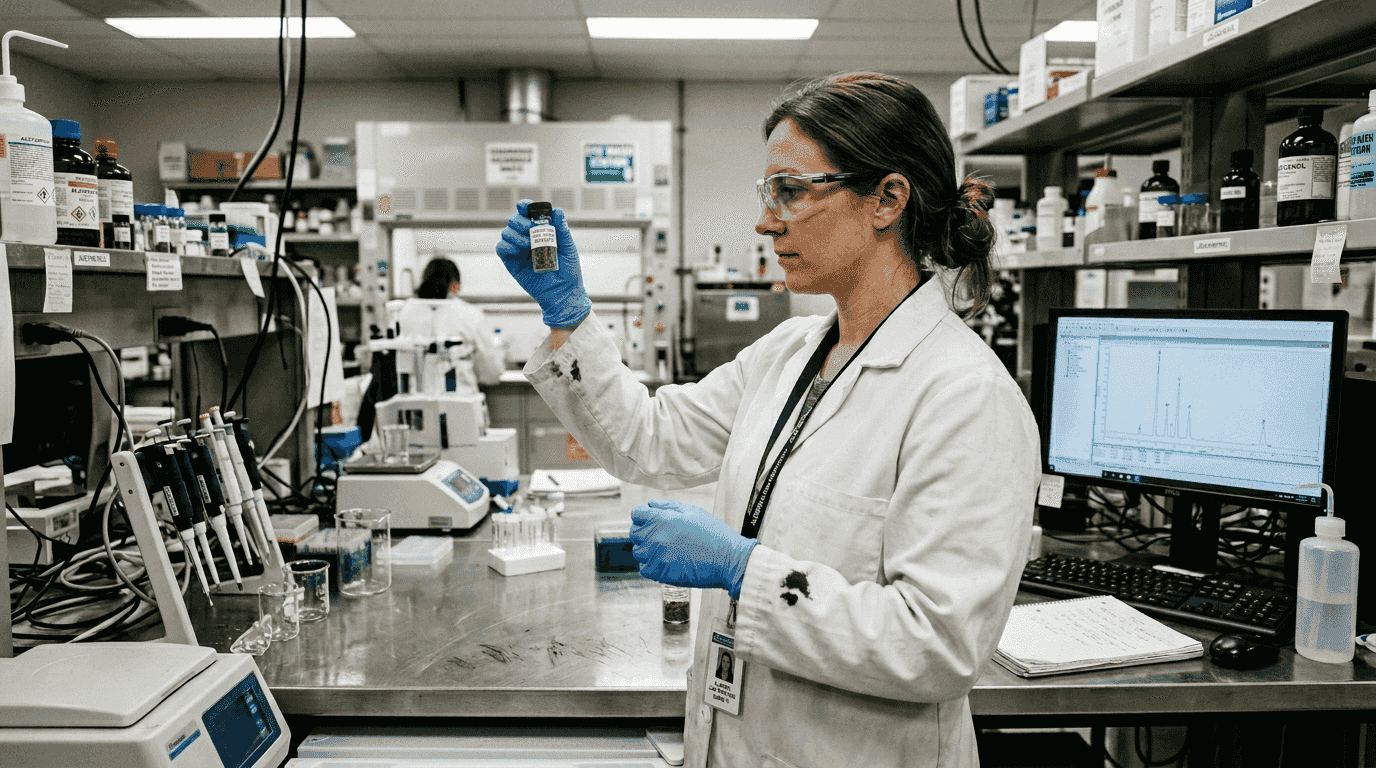
As cannabis becomes more accessible across Canada, many consumers assume all products sold online meet rigorous safety standards. This misconception puts your health at risk, as untested cannabis can contain harmful pesticides, heavy metals, or inaccurate potency labels. Understanding lab testing matters helps you navigate the market confidently and protect yourself from contaminated or mislabelled products. This guide explains how lab testing works in 2026, what to look for in test results, and why verified testing is essential for making safe cannabis purchases online.
| Point | Details |
|---|---|
| Lab testing detects cannabinoids and contaminants | Testing identifies potency levels and harmful substances to ensure product safety |
| Advanced methods provide detailed profiles | Liquid chromatography analyses over 25 cannabinoids including synthetic variants |
| Canada enforces strict pesticide standards | Canadian regulations set minimum performance limits protecting consumers from toxins |
| Independent sampling reduces manipulation risks | Third-party collection prevents manufacturers from altering samples before testing |
| Reading lab results empowers safer choices | Understanding reports helps you identify trustworthy products and avoid unsafe options |
Lab testing serves as your first line of defence against unsafe cannabis products. Testing measures cannabinoids such as CBD, Δ9-THC, and Δ8-THC using liquid chromatography to provide accurate potency data you can trust. This precision matters because mislabelled products can deliver unexpected effects, from underwhelming experiences to overwhelming intoxication. Modern testing protocols analyse thousands of samples to establish reliable benchmarks for quality.
Beyond potency, lab testing detects dangerous contaminants that threaten your health. Validated pesticide tests ensure cannabis products remain free from toxic chemicals used during cultivation. These tests also identify heavy metals, residual solvents from extraction processes, and microbial impurities like mould or bacteria. Without this screening, you risk consuming products that can cause respiratory issues, digestive problems, or long-term health complications.
The cannabis industry has evolved dramatically since the 2018 Farm Bill, creating new testing challenges. Labs now screen for emerging synthetic cannabinoids that manufacturers sometimes add to boost potency artificially. These compounds can produce unpredictable effects and carry unknown health risks. Reliable testing facilities follow validated workflows for sample preparation, calibration, and measurement analysis to catch these adulterants before products reach consumers.
Results from comprehensive testing help you avoid unsafe or mislabelled products whilst ensuring compliance with Canadian regulations. When you purchase lab-tested cannabis, you gain transparency about exactly what you’re consuming. This knowledge empowers you to select products matching your desired effects and tolerance levels.
Pro Tip: Always verify that lab reports include testing dates within the past six months, as cannabinoid profiles can degrade over time, affecting both potency and safety.
Key testing components include:
Canadian cannabis regulations set the global standard for consumer protection through comprehensive testing requirements. Canada mandates strict pesticide testing with minimum performance limits rather than maximum concentration thresholds, creating more rigorous safety protocols than most jurisdictions. This approach ensures labs can reliably detect even trace amounts of harmful substances, protecting you from exposure to agricultural chemicals that accumulate in your body over time.
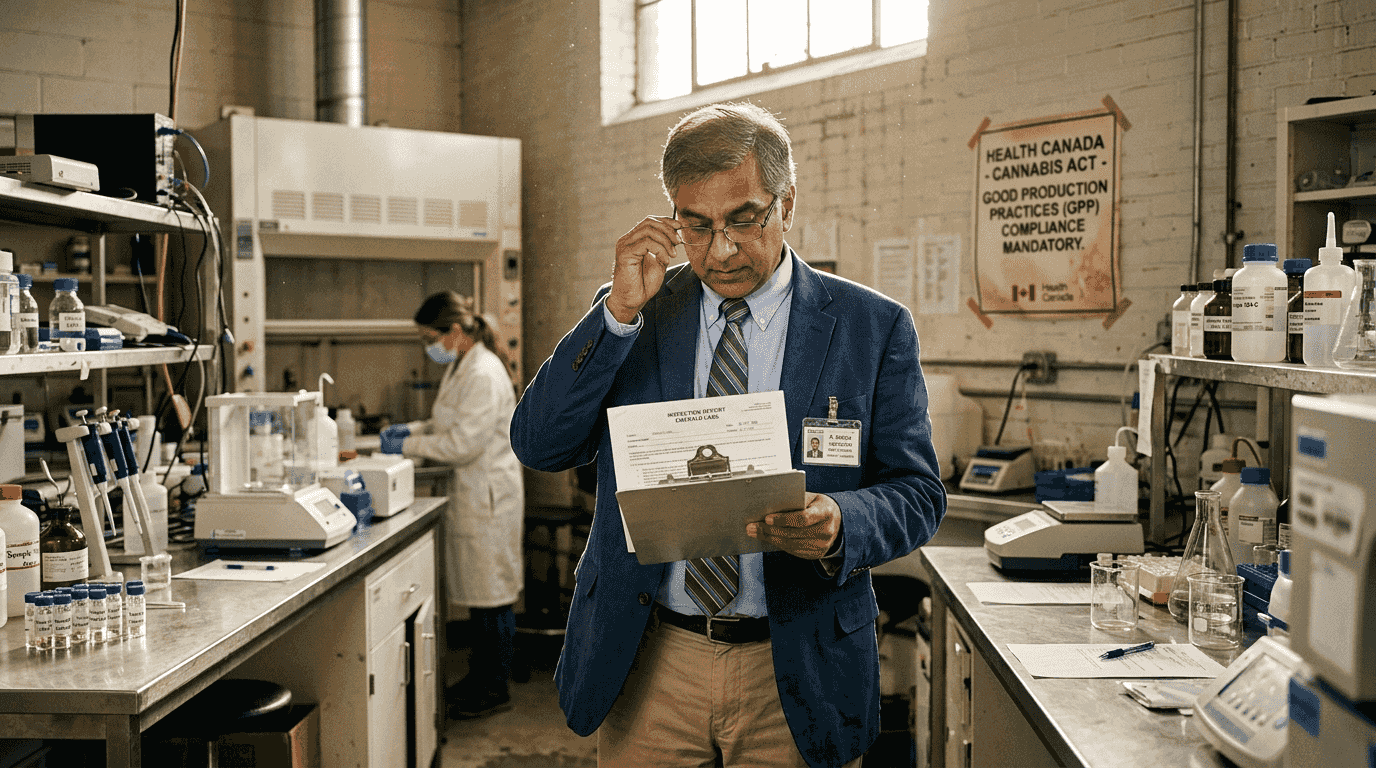
Despite strong regulations, the cannabis testing industry faces significant integrity challenges. Colorado regulators discovered widespread manipulation where manufacturers swapped or adulterated samples to achieve passing results. This fraud undermines the entire testing system, allowing contaminated products to reach consumers who trust lab certifications. The honour code approach many regions rely on creates vulnerabilities that unethical operators exploit for profit.
Sample collection represents the weakest link in current testing protocols. When manufacturers control which samples reach labs, they can cherry-pick the cleanest portions of a batch whilst selling untested material to unsuspecting customers. This practice, known as sample manipulation, has triggered regulatory crackdowns across North America. Some producers even maintain separate batches specifically for testing, ensuring lab samples pass whilst actual products contain higher contaminant levels.
Proposed reforms aim to restore consumer confidence through independent oversight. Regulators are implementing third-party sample collection programmes where certified inspectors randomly select products directly from retail shelves or production facilities. This approach eliminates manufacturer control over the testing process, creating genuine accountability. Early results from pilot programmes show significantly higher failure rates, suggesting previous systems missed substantial contamination.
Understanding these industry challenges helps you demand trustworthy lab results and support retailers committed to transparent testing. Look for vendors who embrace independent sampling and publish complete test results rather than selective data. Your purchasing decisions can drive industry-wide improvements by rewarding honest operators and pressuring others to adopt higher standards.
“The current testing system operates on trust, but trust without verification creates opportunities for fraud that put consumer safety at risk.”
Critical regulatory considerations:
Reading lab reports might seem intimidating initially, but understanding key sections protects you from unsafe products. Lab reports typically display cannabinoid concentrations, terpene profiles, and contaminant screenings in standardised formats designed for regulatory compliance. The most important section shows total THC and CBD percentages, which determine potency and expected effects. These numbers help you select products matching your tolerance and desired experience.
Contaminant screening results require careful attention because they reveal potential health hazards. Check for absence or minimal levels of pesticides, heavy metals, and residual solvents in the safety section. Canadian regulations specify maximum allowable concentrations for each substance, and reputable labs clearly indicate pass or fail status. Any detectable levels of banned pesticides should immediately disqualify a product from consideration, regardless of concentration.
Terpene profiles add another layer of quality assessment beyond basic safety screening. These aromatic compounds influence flavour, aroma, and therapeutic effects through the entourage effect. Comprehensive reports list individual terpenes like myrcene, limonene, and pinene with their concentrations. Products with diverse terpene profiles typically indicate careful cultivation and processing, whilst absent or minimal terpenes suggest degradation or poor handling.
Validated testing workflows include standardisation and calibration steps ensuring accurate cannabinoid profiling. Understanding this process helps you recognise legitimate reports from questionable ones. Trustworthy labs provide detailed methodology sections explaining their analytical techniques, equipment used, and quality control measures. Missing methodology information or vague testing descriptions signal potential reliability issues.
Follow this systematic approach when evaluating lab reports:
Pro Tip: Screenshot or save digital copies of lab reports for products you purchase regularly, creating a reference library to compare future batches and identify quality inconsistencies.
| Trustworthy Report Features | Suspicious Report Indicators |
|---|---|
| Recent testing date within 90 days | Testing date over six months old |
| Complete contaminant screening results | Missing or incomplete safety data |
| Detailed methodology and equipment listed | Vague testing descriptions |
| Verifiable lab accreditation credentials | Unverifiable or missing certifications |
| Batch numbers matching product packaging | Mismatched or absent batch information |
| Contact information for lab verification | No lab contact details provided |
When shopping online for cannabis, prioritise vendors who prominently display complete lab reports for every product. Learning to read these results transforms you from a passive consumer into an informed decision-maker. This knowledge also helps you recognise quality indicators beyond just lab testing, creating a comprehensive approach to product selection.
The cannabis testing industry continues evolving rapidly to address new challenges and consumer demands. Expanded liquid chromatography methods now detect over 25 cannabinoids including Δ8-THC and synthetic variants that emerged after regulatory changes. This advancement matters because manufacturers increasingly experiment with novel cannabinoids, creating products with untested safety profiles. Comprehensive testing catches these compounds before they cause unexpected health effects.
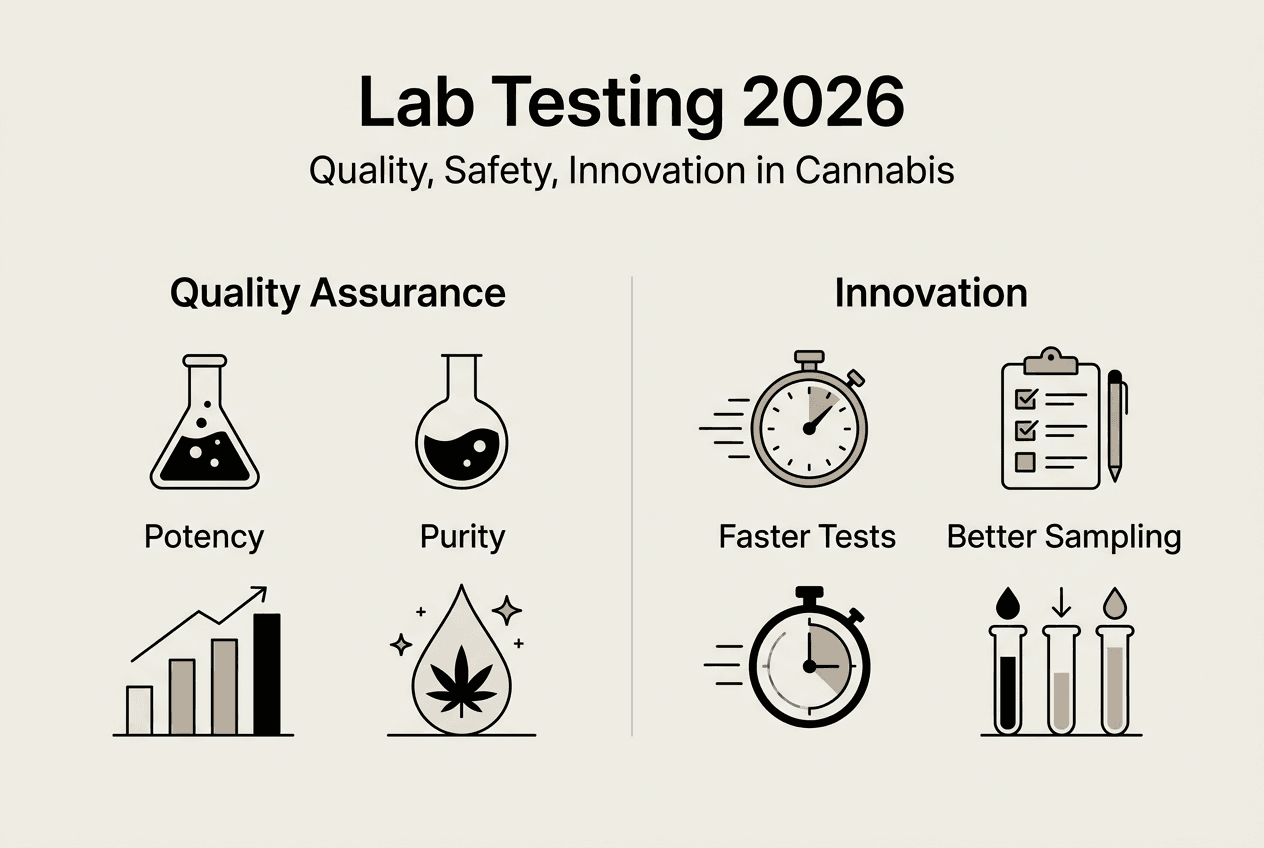
Advanced pesticide and contaminant testing protocols ensure comprehensive safety validation across expanded chemical libraries. Modern labs screen for over 200 pesticides compared to the 90 compounds tested just three years ago. This expansion reflects the agricultural industry’s constant development of new crop protection chemicals. Testing facilities invest heavily in updated equipment and training to maintain detection capabilities as the chemical landscape evolves.
Innovations in sample collection are revolutionising testing integrity across the industry. Independent sampling programmes now operate in several Canadian provinces, with certified collectors randomly selecting products from retail locations. This approach eliminates manufacturer control over the testing process, dramatically reducing fraud opportunities. Early data shows these programmes catch significantly more contaminated products than traditional self-submitted samples.
Lab accreditation standards are evolving to require stricter validation and proficiency testing protocols. New certification programmes mandate blind sample testing where labs analyse unknown samples to verify their analytical accuracy. Facilities failing these proficiency tests lose accreditation, creating strong incentives for maintaining rigorous quality control. These standards protect consumers by ensuring only competent labs can certify cannabis products.
Emerging tools improve consumer access to transparent and reliable lab result data online. Blockchain-based verification systems now allow you to scan QR codes on product packaging, instantly accessing tamper-proof lab reports. These systems create permanent records that manufacturers cannot alter or delete, providing unprecedented transparency. Some platforms even aggregate testing data across multiple products, helping you identify consistently reliable brands.
Key innovations shaping cannabis testing:
These technological advances create a safer cannabis marketplace where quality and safety become standard expectations rather than premium features. As testing capabilities improve, you benefit from greater product transparency and reduced health risks. The industry’s commitment to innovation demonstrates recognition that consumer trust depends on verifiable safety assurances.
Now that you understand lab testing’s critical role in cannabis safety, it’s time to explore products that meet rigorous quality standards. At GreenSociety.cc, we prioritise your health by offering cannabis flower and edibles with comprehensive lab verification for potency and safety. Every product undergoes thorough testing before reaching our catalogue, ensuring you receive exactly what you expect without hidden contaminants or inaccurate labelling.
Our cannabis flower checklist guides you through selecting quality strains that match your preferences and tolerance levels. We’ve curated a selection of CBD edibles tested for purity and cannabinoid content, offering delicious options for those seeking therapeutic benefits without intense psychoactive effects. Whether you’re new to cannabis or an experienced consumer, our platform provides transparent access to lab results so you can shop with confidence. Explore our cannabis kitchen recipes to enhance your experience with safe, tested products that deliver consistent results every time.
Lab testing requirements vary by region, with Canada mandating comprehensive testing to ensure product safety and regulatory compliance. All legal cannabis products sold through licensed retailers must undergo testing for potency, pesticides, and contaminants. In some US states, testing rules differ significantly and may not cover all product types, creating inconsistent consumer protections. Always verify that your region requires testing and that vendors comply with local regulations.
Labs commonly test for pesticides, heavy metals, residual solvents, microbial impurities, and mycotoxins produced by mould. Pesticide screening typically covers over 90 agricultural chemicals, whilst heavy metal analysis identifies lead, arsenic, mercury, and cadmium. Microbial testing detects harmful bacteria like salmonella and E. coli, plus yeast and mould contamination. Testing ensures all contaminants remain below safety thresholds established by health authorities, protecting you from both acute and chronic health risks.
Check for lab accreditation marks like ISO 17025 certification on reports, which indicates the facility meets international quality standards. Confirm the report includes a recent testing date, matching batch numbers, and comprehensive contaminant analysis across all required categories. Use the lab’s contact information to verify report authenticity directly, or check third-party verification platforms that aggregate testing data. Reputable vendors make verification easy by providing QR codes linking directly to tamper-proof digital reports.
Advanced liquid chromatography techniques can identify many synthetic cannabinoids used in product adulteration, including compounds developed after the 2018 Farm Bill. Modern testing panels screen for over 25 cannabinoids, catching both natural and synthetic variants that might cause unexpected effects. Independent sample collection further prevents manipulation by ensuring manufacturers cannot substitute clean samples for contaminated products. However, testing capabilities constantly race against new synthetic compounds, making ongoing method development essential for consumer protection.