Free Shipping
on orders over $150.00
$52.00
$150.00
Add $98.00 more for free shipping!

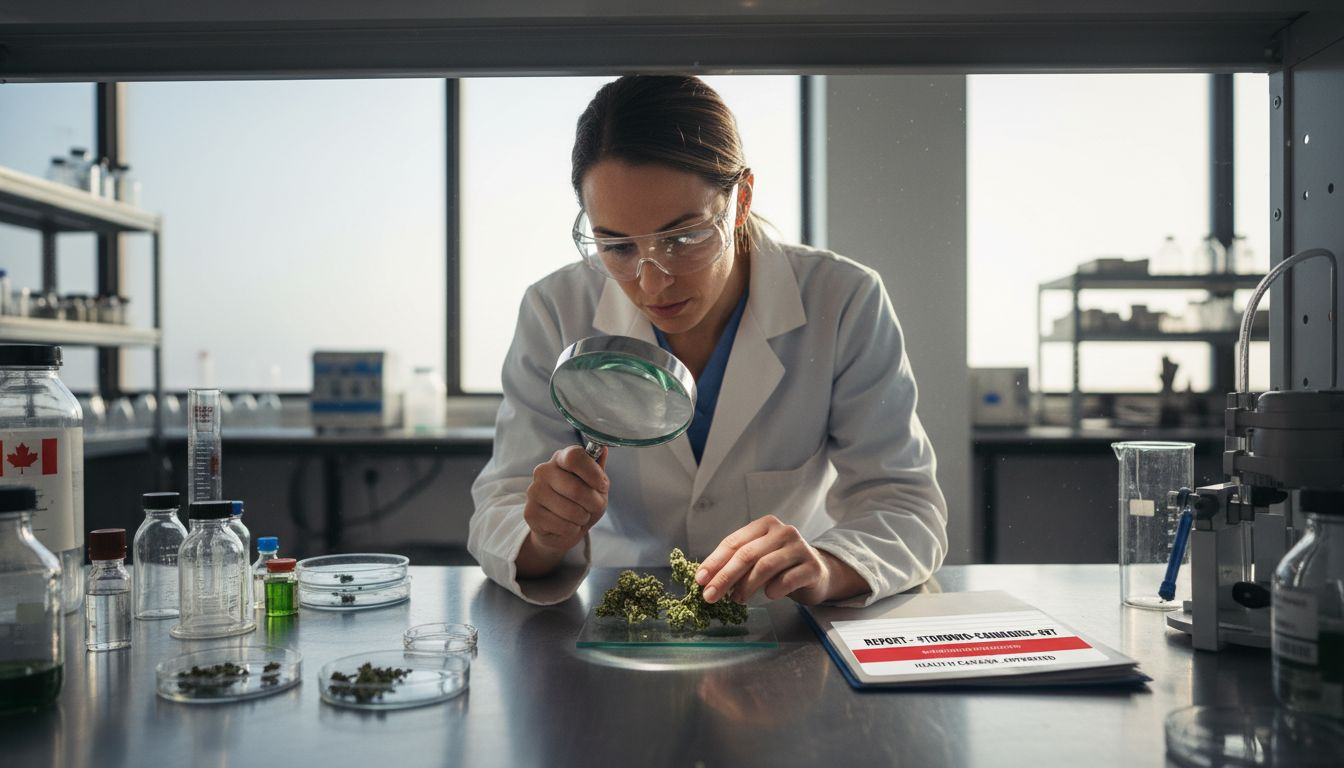
Many Canadian adults are surprised to learn that untested cannabis products can carry hidden contaminants and inaccurate potency labels, putting health at risk. For health-conscious buyers, understanding what really goes into a cannabis product is more than a nice-to-have, it is a priority. This guide breaks down how rigorous lab testing can help Canadian consumers spot myths, avoid dangers, and make smarter online choices about safety and quality.
| Point | Details |
|---|---|
| Importance of Lab Testing | Cannabis lab testing is essential for ensuring product safety and quality, protecting consumers from harmful contaminants. |
| Health Canada Regulations | Strict regulatory standards mandate comprehensive testing for cannabis products, ensuring accountability and safety for consumers. |
| Consumer Involvement | Always review lab testing certificates to verify product quality and understand cannabinoid concentrations and safety profiles. |
| Risks of Unregulated Testing | Unregulated testing can lead to inaccurate potency reporting and contamination risks, undermining consumer trust and health. |
Cannabis lab testing represents a comprehensive scientific process designed to evaluate the safety, potency, and quality of cannabis products before they reach Canadian consumers. Third-party testing protocols help identify potential contaminants, verify cannabinoid concentrations, and ensure product transparency, protecting public health through rigorous scientific analysis.
At its core, cannabis lab testing involves detailed chemical and microbiological examinations that screen for multiple potential risks. Technicians analyse samples for key elements including:
Contrary to popular misconceptions, lab testing is not an optional luxury but a critical safety mechanism. Many consumers mistakenly believe that all cannabis products are inherently safe or that rigorous testing unnecessarily increases product costs. However, scientific research on cannabis product testing demonstrates that unregulated products can pose significant health risks, including exposure to harmful mycotoxins, dangerous pesticides, and unpredictable chemical compositions.
Pro Tip: Always review the lab testing certificate or QR code when purchasing cannabis products to verify independent quality verification and understand the precise chemical composition of your selected product.
Cannabis testing encompasses a sophisticated array of scientific methodologies designed to ensure product safety and quality. Comprehensive analytical techniques have emerged to address the complex challenges of examining cannabis products with precision and reliability.
The primary categories of cannabis testing methods include:
Modern cannabis analytical science relies on advanced technologies such as gas chromatography, liquid chromatography, and mass spectrometry. These sophisticated techniques allow researchers to perform detailed chemical analyses that go far beyond simple visual inspection, providing Canadian consumers with comprehensive insights into product composition and safety.

Each testing method serves a critical role in protecting consumer health. For instance, potency testing ensures accurate labelling, microbial screening prevents potential infections, and heavy metal analysis protects against long-term health risks associated with contaminated products.
Here’s a summary of how different cannabis testing methods protect consumers:
| Testing Method | Primary Purpose | Impact on Consumer Safety |
|---|---|---|
| Potency Testing | Measures cannabinoid levels | Confirms accurate product labelling |
| Microbial Screening | Detects bacteria and fungi | Reduces infection and illness risk |
| Pesticide Analysis | Checks chemical residues | Prevents toxic exposure |
| Heavy Metal Testing | Screens for dangerous metals | Minimises long-term health threats |
| Terpene Profiling | Analyses aromatic compounds | Helps identify product flavour profile |
Pro Tip: Request and carefully review the full laboratory testing certificate when purchasing cannabis products to understand the comprehensive safety profile of your selected item.
Health Canada has developed a comprehensive regulatory framework to ensure the safety and quality of cannabis products through rigorous analytical testing protocols. These standards represent a critical safeguard for Canadian consumers, establishing mandatory requirements that licensed producers must follow to protect public health.
The key components of Health Canada’s regulatory approach include:
Cannabis regulations for licensed producers mandate extensive testing across multiple categories. These include mandatory screenings for pesticide residues, microbial contamination, heavy metals, and precise cannabinoid content. Each test must meet specific methodological standards, with results documented and maintained for potential regulatory review.
The Cannabis Act provides Health Canada with robust enforcement mechanisms to ensure compliance. Producers failing to meet these stringent standards can face significant penalties, including licence suspensions, financial penalties, and potential legal consequences. This regulatory framework aims to eliminate risks associated with uncontrolled cannabis production and protect consumer safety.
Pro Tip: Request a copy of the lab testing certificate directly from your cannabis supplier to verify compliance with Health Canada’s rigorous testing standards.
Cannabis product safety hinges on comprehensive testing that goes far beyond surface-level assessments. Advanced analytical techniques enable laboratories to conduct detailed examinations that protect consumers from potentially harmful substances while ensuring accurate cannabinoid content.
The primary categories of contaminant screening include:
Comprehensive testing protocols serve multiple critical functions beyond simple safety verification. They provide consumers with transparent information about product composition, helping individuals make informed choices about their cannabis consumption. Potency testing, which measures precise levels of THC, CBD, and other cannabinoids, ensures that products deliver consistent and predictable effects.
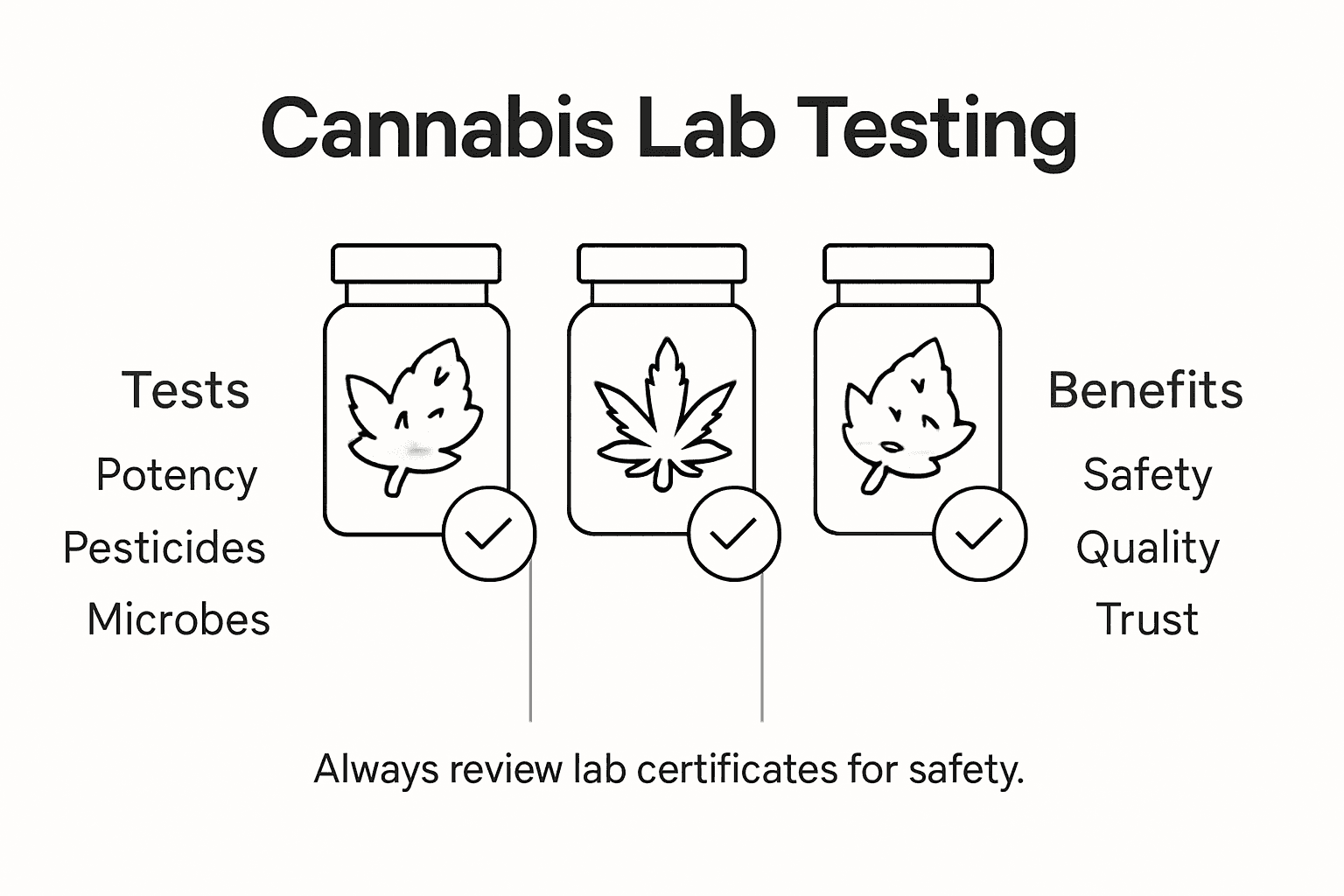
The scientific approach to cannabis testing involves sophisticated laboratory techniques such as gas chromatography, mass spectrometry, and high-performance liquid chromatography. These methods allow researchers to detect even trace amounts of contaminants with unprecedented accuracy, dramatically reducing potential health risks associated with unregulated cannabis products.
Pro Tip: Always review the Certificate of Analysis for any cannabis product, paying close attention to contaminant screening results and precise cannabinoid percentages.
The landscape of cannabis testing is fraught with potential hazards when rigorous standards are not uniformly applied. Inconsistent laboratory practices can create significant risks for consumers, potentially exposing them to dangerous contaminants and misleading potency information.
The primary risks associated with unregulated testing include:
Without standardised testing protocols, consumers face multiple potential health complications. Medical cannabis patients are particularly vulnerable, as inconsistent testing can lead to unpredictable therapeutic outcomes and potential exposure to harmful substances. The absence of comprehensive, validated testing procedures creates an environment where unscrupulous producers can circumvent quality control measures.
The implications extend beyond individual health risks. Unregulated testing undermines the entire cannabis industry’s credibility, eroding public trust and potentially jeopardizing the legal cannabis market’s long-term sustainability. Robust, consistent testing methodologies are not just a technical requirement but a fundamental consumer protection mechanism.
The table below compares regulated versus unregulated cannabis testing environments in Canada:
| Aspect | Regulated Testing | Unregulated Testing |
|---|---|---|
| Oversight | Health Canada regulated | Limited or absent |
| Consumer Protection | Robust safety safeguards | High risk of contaminants |
| Method Consistency | Standardised protocols | Variable, often inconsistent |
| Legal Consequences | Strict penalties and review | Rare enforcement |
| Industry Credibility | Supports public trust | Undermines market confidence |
Pro Tip: Always request and carefully review the full Certificate of Analysis for any cannabis product, verifying the testing laboratory’s accreditation and the specific testing methodologies used.
Navigating the complex world of cannabis lab testing can be overwhelming but is essential to avoid risks like contamination and inaccurate potency. Canadians deserve products that have undergone rigorous testing for pesticides, heavy metals, and precise cannabinoid levels to protect their health and ensure consistent experiences. This is where knowledge meets action.

Discover a selection of carefully curated cannabis products at GreenSociety.cc where transparency and quality are priorities. Every item comes with verifiable lab testing certificates so you can shop confidently knowing your wellness is safeguarded. Browse through our extensive range of flowers, edibles, and concentrates designed to meet the highest standards enforced by Health Canada. Start your journey to safer cannabis consumption today by visiting GreenSociety.cc and accessing expert insights in our educational sections. Don’t compromise on quality when it comes to your cannabis experience.
Cannabis lab testing is a scientific process that evaluates the safety, potency, and quality of cannabis products. It identifies potential contaminants, verifies cannabinoid concentrations, and ensures product transparency for consumers.
Lab testing is crucial because it helps detect harmful contaminants, such as pesticides, heavy metals, and microbial pathogens. It ensures that consumers are using safe products with accurately labeled cannabinoid levels, mitigating health risks associated with unregulated cannabis.
Cannabis products are tested for a variety of contaminants, including pesticide residues, microbial contamination, heavy metals, residual solvents, and mycotoxins. These tests help ensure that products are safe for consumption.
You can verify the lab testing of cannabis products by reviewing the Certificate of Analysis provided by the supplier. This document includes detailed results of the testing, showing cannabinoid concentrations and screening for contaminants.
 Twisted Extracts Pineapple CBD Jelly Bomb
  Green Society Herb Grinder