Free Shipping Unlocked!
Your order qualifies for free shipping
-
×
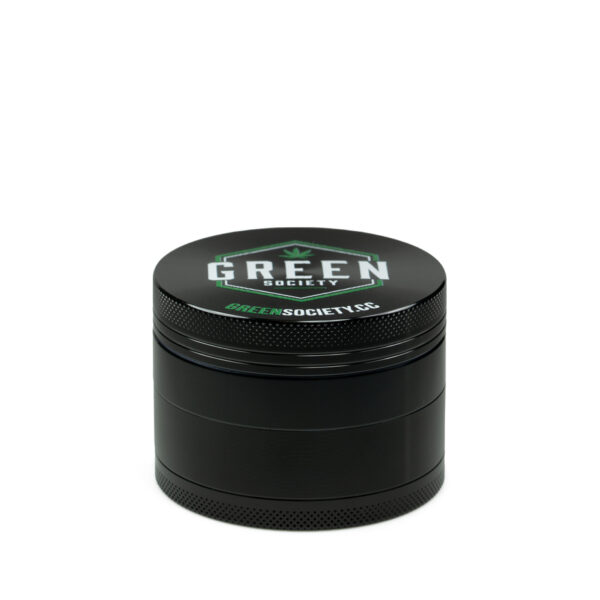
 Green Society Herb Grinder
$40.00
Green Society Herb Grinder
$40.00


Walking into a Canadian dispensary, you might notice that choosing between Indica, Sativa, and hybrid strains feels more complicated than the simple labels suggest. With so many options, finding what works best is not just about the name on the package. Cannabis strains represent unique combinations of cannabinoids and terpenes, each interacting with your body in different ways. Here, you will get clear insight into what truly matters when selecting a strain for your preferred effects and personal enjoyment.
| Point | Details |
|---|---|
| Strain Classifications Are Not Guarantees | Labels like ‘Indica’ and ‘Sativa’ primarily indicate physical traits and cannabinoid profiles, not guaranteed effects for every user. |
| Focus on Lab Results | When choosing cannabis, prioritise lab-tested information on cannabinoid and terpene content over strain names to make informed decisions. |
| Understand Your Personal Needs | Identify your intended use—whether for relaxation, creativity, or pain relief—to guide your strain selection effectively. |
| Practice Responsible Use | Be aware of legal limits and personal health impacts; consume cannabis thoughtfully and openly assess your usage patterns regularly. |
When you walk into a cannabis dispensary or browse online, you’ll encounter terms like “Indica,” “Sativa,” and “hybrid” as if they’re scientifically precise categories. The reality is messier. Cannabis strains refer to plant varieties of Cannabis sativa that have been selectively bred to highlight specific traits, whether that’s flavour profile, potency, or desired effects. However, the distinction between strains goes beyond simple naming conventions. Cannabis includes various products derived from the Cannabis sativa plant, containing many chemical compounds including THC that cause different effects on mood, thoughts, and perception. This is where the myths start creeping in. Many consumers believe that Indica strains will always make you sleepy and Sativa strains will always energise you. The truth is far more nuanced. These labels describe the plant’s physical characteristics and cannabinoid profiles, not guaranteed effects. Your individual body chemistry, tolerance level, and the specific cannabinoid composition of any given product matter far more than whether someone stamped “Indica” or “Sativa” on the label.
The confusion stems from the complex chemistry inside each plant. Cannabis contains over 100 different cannabinoids and hundreds of terpenes, the aromatic compounds that give strains their distinctive smells and tastes. Two strains both labelled as Indica can have wildly different effects depending on their cannabinoid ratios and terpene profiles. Some Indica dominant strains deliver uplifting, creative effects, while certain Sativa strains might leave you feeling couch locked. The breeding practices that created these strains focused on accentuating certain traits for recreational or medicinal use, but there’s still significant variation within each category. Understanding the genetics and characteristics of these strains helps explain why they matter for consumers seeking specific physical or psychoactive effects. This is why relying solely on strain classification isn’t enough for finding products that genuinely work for your needs.
Here’s what separates fact from fiction: strain names are marketing tools, not guarantees. The name “Purple Kush” or “Blue Dream” tells you something about that plant’s lineage and likely characteristics, but it doesn’t dictate your experience. What actually matters is understanding the cannabinoid content, particularly the THC to CBD ratio, and researching terpene profiles that align with effects you’re seeking. Beyond the hype, Canadian consumers benefit from checking lab testing results when available. Products sold through licensed dispensaries like Green Society often include detailed information about potency and cannabinoid composition. This data beats any strain name when you’re making an informed choice about what will work best for your situation.
Pro tip: When selecting a strain, skip the mythology and focus on the lab results and terpene profiles provided by your dispensary instead of relying on strain names alone.
Cannabis strains fall into three main categories, each with distinct characteristics that shape your experience. Indica strains typically produce calming, relaxing effects that many consumers associate with evening or nighttime use. These plants tend to be shorter and bushier, with broader leaves, and they contain cannabinoid profiles that lean toward sedative properties. Sativa strains, by contrast, usually deliver energising and uplifting effects, making them popular for daytime consumption when you want to stay productive or creative. Sativa plants grow taller with narrower leaves and thrive in warmer climates. Then there are hybrids, which blend characteristics from both parent strains to create customised effects. The key distinction comes down to different cannabinoid levels and chemical profiles that shape how each strain affects your body and mind. But understanding these categories means knowing they’re guidelines, not absolute rules.
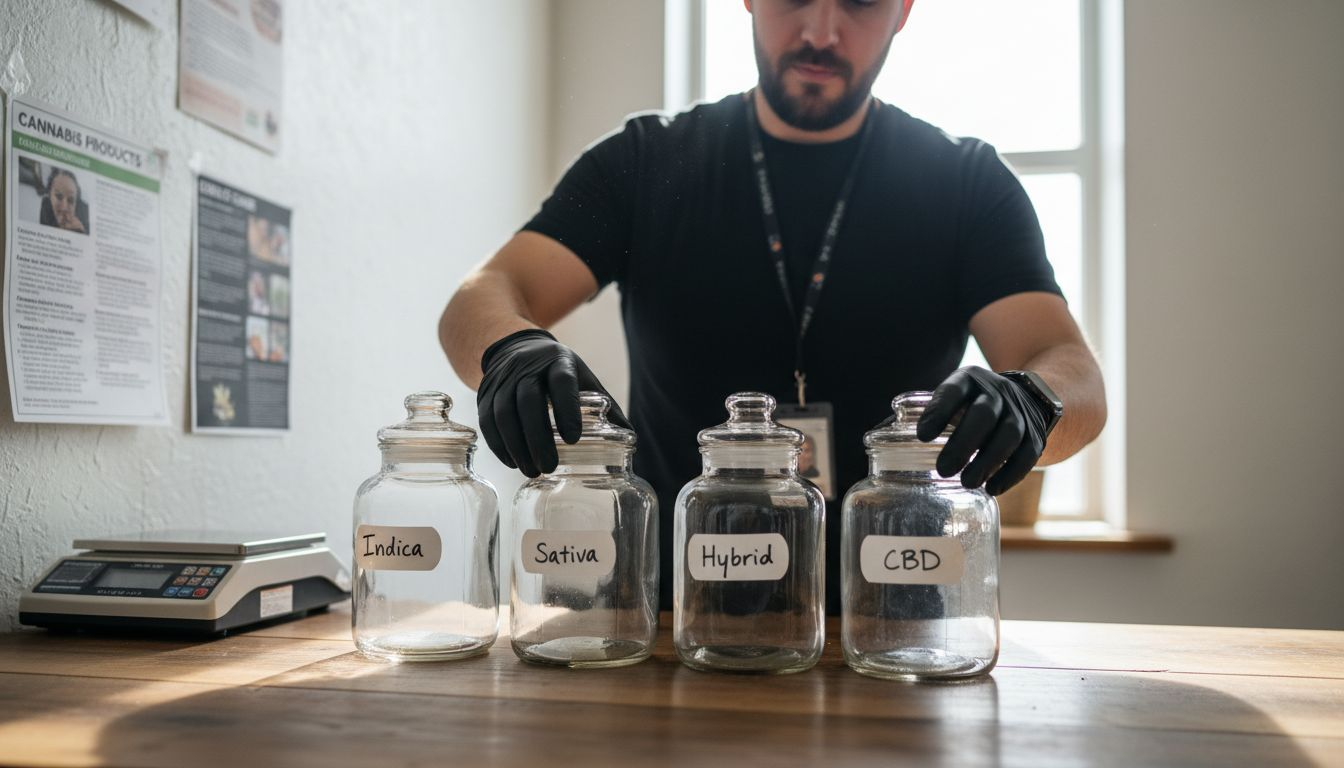
Let’s get specific about what you can expect. Indica dominant strains work well if you’re dealing with chronic pain, insomnia, or simply want to unwind after a stressful day. The relaxing properties make them ideal for evening consumption, and many users report a body focused sensation that feels grounding. Sativa strains shine when you need focus for creative projects, managing social anxiety in controlled settings, or maintaining energy throughout your day. Sativa strains deliver stimulating and euphoric effects, making them suitable for daytime use. Hybrids offer flexibility. A hybrid leaning Indica might give you calm relaxation with a touch of mental clarity, while a Sativa dominant hybrid could provide uplifting effects without keeping you wired. Your personal response depends on your individual chemistry, previous experience, and the specific terpene and cannabinoid composition of the product you choose.
Here is a summary comparing the three main cannabis strain types and their typical features:
| Strain Type | Typical Effects | Plant Appearance | Common Uses |
|---|---|---|---|
| Indica | Calming, relaxing | Short, bushy, broad leaves | Sleep, pain relief |
| Sativa | Uplifting, energising | Tall, slender, narrow leaves | Creativity, daytime focus |
| Hybrid | Balanced or blended | Varies, mixes of both | Versatile, tailored effects |
Here’s what matters most when selecting between these types. Consider your intended use first. Are you unwinding after work or tackling a creative project? Next, look beyond the label. Check the THC and CBD percentages, and research the terpene profile if available. Products on Green Society often include detailed information about these factors. A strain labelled Sativa with low THC and high CBD might feel completely different from a Sativa with high THC and specific terpenes. Start with lower doses when trying new strains, since your body’s response can vary significantly. Track what works and what doesn’t in a simple journal. Over time, you’ll develop genuine knowledge about which strain types actually work for your specific needs, rather than relying on generalised categories.
Pro tip: Begin with hybrid strains at moderate THC levels if you’re new to cannabis, as they offer balanced effects that help you understand your preferences before exploring pure Indica or Sativa varieties.
Every cannabis strain has a unique genetic blueprint that determines which compounds it produces and in what amounts. Genetics control the synthesis of cannabinoids like THC and CBD, but they also govern the production of terpenes, the aromatic molecules responsible for a strain’s distinctive smell and flavour. Think of genetics as the master code that tells the plant what to build. Complex gene networks guide the synthesis of cannabinoids and terpenes, which together determine the chemical profile of each strain. This is why two plants with the same name grown in different conditions or by different breeders can feel noticeably different. The genetics set the potential, but environment, growing techniques, and harvest timing all influence the final product you consume. Understanding this distinction matters because it explains why strain consistency varies from batch to batch, even when you’re buying from the same dispensary.
Now here’s where it gets interesting. Terpenes aren’t just about aroma. They play a physiological role in how cannabis affects you. Myrcene, for example, is associated with sedative properties and appears frequently in Indica dominant strains. Limonene produces uplifting, mood-boosting effects, while caryophyllene may help with inflammation and pain. The theory suggesting how these compounds work together is called the entourage effect, a proposed synergistic interaction between cannabinoids and terpenes that creates the full experience of a particular strain. However, scientific evidence on the entourage effect remains mixed. Some research supports the idea that terpenes amplify or modify cannabinoid effects, while other studies suggest terpenes work through separate physiological pathways rather than directly interacting with cannabinoid receptors. What’s becoming clearer is that the entire chemical profile of a strain matters more than isolated compounds alone.
To clarify the impact of major terpenes, see this terpene effects comparison:
| Terpene | Typical Aroma | Reported Effect |
|---|---|---|
| Myrcene | Earthy, musky | Promotes relaxation |
| Limonene | Citrus, lemon | Uplifts mood |
| Caryophyllene | Spicy, peppery | May reduce pain & inflammation |
For Canadian consumers shopping at Green Society or any licensed dispensary, this knowledge translates into smarter purchasing decisions. Look for products that list both cannabinoid content and terpene profiles. A Sativa strain high in limonene will likely feel different from one high in myrcene, even if the THC percentage is identical. Terpenes in cannabis products significantly influence your overall experience. When you’re evaluating strains, pay attention to the terpene information alongside THC and CBD percentages. Your genetics matter too. Some people naturally have more cannabinoid receptors, meaning they feel effects more intensely. Others have different metabolic profiles that affect how quickly they process cannabis compounds. This is why personalised experimentation beats following generic recommendations. Start with strains that match your desired effects, note the terpene profiles, and track what actually works for your body. Over time, you’ll recognise patterns that reveal which genetic profiles and terpene combinations produce results you want.
Pro tip: Compare terpene profiles between strains with similar cannabinoid levels to find subtle differences in effects, rather than only focusing on THC and CBD percentages.
Selecting the right strain from an online dispensary requires a strategic approach rather than impulse buying based on appealing names or flashy packaging. Start by defining your actual goals. Are you looking for pain relief, relaxation after work, creative energy for a project, or help with sleep? Your intended use becomes the foundation for everything else. Once you’ve identified your goal, assess your tolerance and desired effects to narrow down options. If you’re new to cannabis, you likely have low tolerance, which means starting with strains containing lower THC levels makes sense. Experienced users might seek higher potency or specific cannabinoid ratios. This self awareness prevents you from ordering something that overwhelms or under delivers. Green Society and other online dispensaries typically display detailed product information, so take advantage of these tools before completing your purchase.
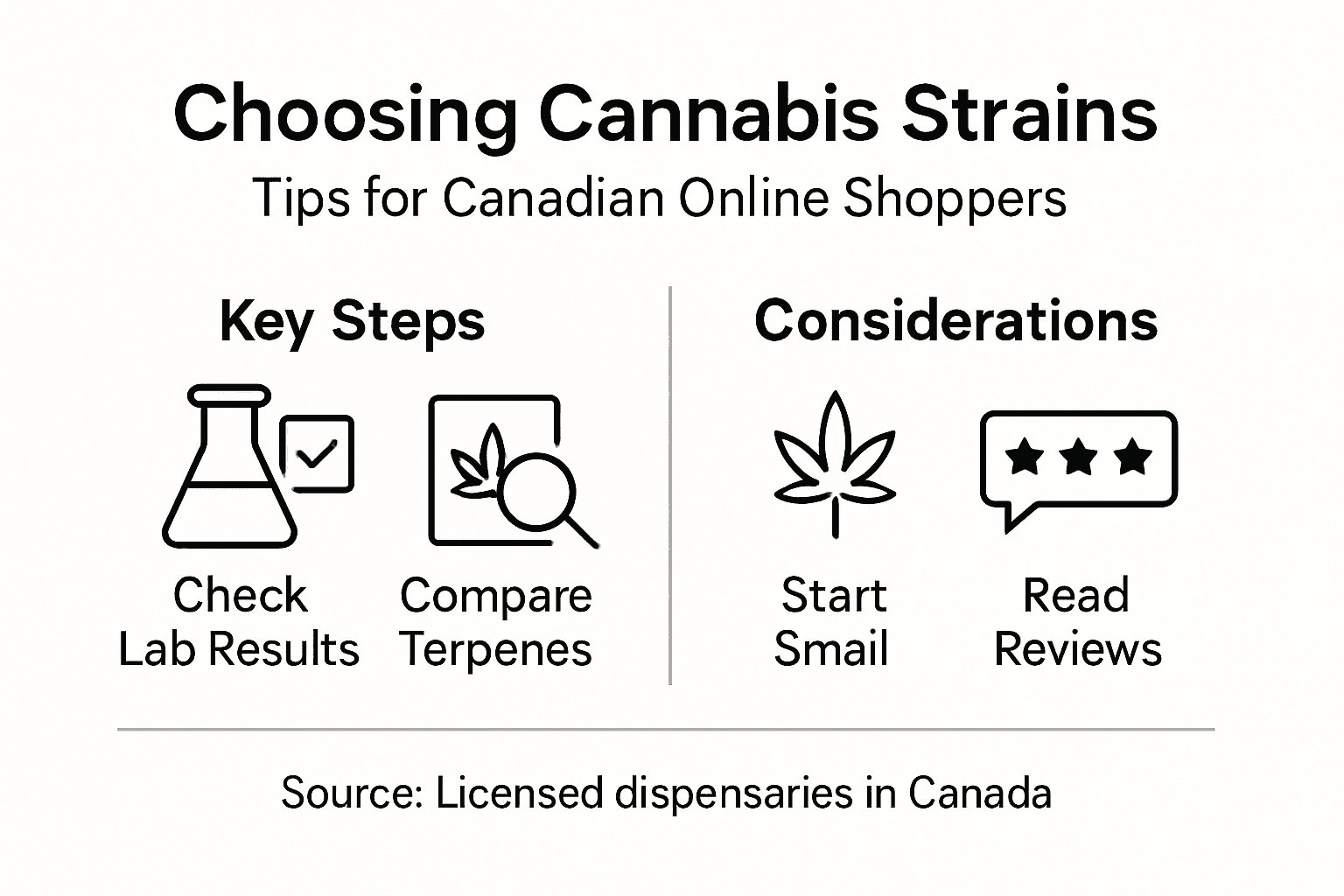
Next, focus on the chemistry rather than the marketing labels. Look for products that list both cannabinoid ratios and terpene profiles. Understanding cannabinoid ratios and terpene profiles helps predict effects more accurately than relying on whether something is labelled Indica or Sativa. A high THC, low CBD strain will feel different from a balanced THC to CBD product, regardless of the strain name. Similarly, a strain high in limonene will deliver different effects than one dominated by myrcene. Many online dispensaries provide lab test results showing exact cannabinoid and terpene content. Use this data to your advantage. Cross reference strain information across multiple sources before ordering. Check customer reviews on the dispensary site, but remember that individual responses vary wildly. What knocked out your friend might barely register for you, so reviews serve as guidance rather than guarantees.
When you find a promising strain, start small. Order a modest quantity to test, not a bulk purchase. Your first experience with a new product should teach you how your body responds before committing to larger amounts. Track what you use and how it affects you. Note the strain name, cannabinoid profile, terpene content, dose consumed, and your experience. Over time, these observations reveal patterns about which chemical profiles work best for your needs. You’ll notice that certain terpenes consistently produce desired effects, or that particular THC to CBD ratios suit your preference. This personal data becomes more valuable than any dispensary recommendation because it reflects your unique body chemistry and response patterns. Online shopping actually gives you an advantage here since you can browse product information leisurely, compare options side by side, and make deliberate choices without pressure from store staff or time constraints.
Pro tip: Start with lab tested products showing clear cannabinoid and terpene data, order a small quantity first, and keep notes on effects to identify which chemical profiles work best for your specific needs.
Cannabis is legal for adults in Canada, but that freedom comes with responsibilities and boundaries you need to understand. Canada’s framework for cannabis legalisation prioritises public health protection through specific legal limits and regulations. Possession limits for adults are 30 grams of dried flower at any time, though you cannot legally grow more than four plants at home. These limits exist for concrete reasons: to prevent large-scale personal cultivation that could supply illegal markets, to reduce impaired driving incidents, and to protect youth access. Beyond the numbers, Canadian law emphasises responsible use as a shared responsibility between consumers and regulators. Understanding the legal framework isn’t just about avoiding penalties. Legal limits and safety recommendations promote responsible consumption to mitigate negative health impacts. When you purchase from licensed dispensaries like Green Society, you’re accessing products that have been tested for potency and contaminants, meeting safety standards that illegal products lack entirely.
The health risks associated with cannabis vary based on frequency of use, THC concentration, and individual factors. High-THC products carry higher risks for psychological dependence, particularly among frequent users. Cannabis can impair driving ability, and driving under the influence is illegal and dangerous, similar to alcohol-impaired driving. For adolescents and young adults whose brains are still developing, regular cannabis use poses greater risks including potential impacts on memory, attention, and motivation. Mental health effects like anxiety or paranoia can occur, especially at higher doses or in individuals predisposed to such conditions. These aren’t scare tactics but documented outcomes from research. The key is informed decision-making. If you choose to use cannabis, knowing these risks allows you to make choices that minimise harm. Start with lower THC products. Avoid driving or operating machinery for at least six hours after consumption. Space out your use rather than daily consumption. Be honest about your mental health history and avoid cannabis if you have certain conditions like schizophrenia or bipolar disorder. These precautions aren’t restrictions. They’re frameworks for enjoying cannabis safely.
Responsible use also means understanding your own patterns. Cannabis dependency can develop, particularly with daily use of high-THC products. If you find yourself unable to relax without it, or if it’s affecting work, relationships, or finances, that’s a signal to pause and reassess. The fact that something is legal doesn’t mean it’s risk-free or appropriate for everyone. Store cannabis securely away from children and pets. Never share with minors. Be transparent with healthcare providers about your use, especially if you’re taking other medications or have underlying health conditions. Canada’s Cannabis Act focuses on minimising health and social harms through education and public health measures. That framework works only when consumers take responsibility seriously. Your choices ripple outward, affecting how cannabis is perceived and regulated in Canadian society.
Pro tip: If cannabis is part of your routine, schedule monthly check-ins with yourself about frequency, spending, and whether it’s serving your actual needs or becoming habitual.
Navigating the complex world of cannabis strains can feel overwhelming, especially with so much misinformation about Indica, Sativa, hybrids, and terpene profiles. If you want to move beyond marketing labels and understand the real effects that cannabinoids and terpenes have on your experience, Green Society offers detailed lab-tested product information to help you make informed choices. Whether your goal is pain relief, relaxation, creative energy, or something personalised to your unique body chemistry, our platform makes it easy to explore a wide variety of products with clear potency and terpene data.

Take control of your cannabis journey today by visiting Green Society. Explore our comprehensive selection of flowers, edibles, and concentrates with verified cannabinoid profiles. Benefit from discreet and fast delivery right to your door. Don’t rely on myths—choose products based on science and real results. Start small, track your experiences, and find the strains that genuinely work for you. Shop now and experience cannabis on your own terms with Green Society.
Indica strains are typically calming and relaxing, making them suitable for evening use, while Sativa strains are uplifting and energizing, ideal for daytime activities. Hybrids combine traits from both types, providing a range of effects based on their specific cannabinoid and terpene profiles.
Cannabinoids like THC and CBD influence the psychoactive effects of cannabis, while terpenes contribute to its aroma and may modulate those effects. Understanding both can help you select cannabis products that better align with your desired outcomes.
Lab-tested products provide detailed information about cannabinoid concentrations and terpene profiles, offering a more accurate prediction of the effects you might experience than relying solely on strain names.
Individual body chemistry, including the number of cannabinoid receptors and metabolic differences, significantly influences how you respond to cannabis. This means that two people can have very different experiences with the same strain due to their unique biological makeup.