Free Shipping
on orders over $150.00
$0.00
$150.00
Add $150.00 more for free shipping!


Living with chronic pain often means cycling through treatments that barely help or bring unwanted side effects. Traditional painkillers can cause dependency, while anti-inflammatories may harm your stomach or kidneys over time. Cannabis has emerged as a compelling alternative, offering relief through natural compounds that work with your body’s own pain regulation systems. This guide explores how cannabis helps manage chronic pain, which products work best, how to use them safely, and what Canadian law allows. You’ll discover practical strategies for incorporating cannabis into your pain management routine while minimising risks and maximising benefits.
| Point | Details |
|---|---|
| THC CBD ratio | Start with a 1 to 1 THC to CBD ratio at the lowest available dose and wait at least two hours before taking more. |
| Personalized dosing essential | Dosing should be adjusted to match individual pain profile and response, with gradual changes to find the effective level. |
| Pain type targeting | Cannabinoids address inflammatory, neuropathic, and musculoskeletal pain through distinct mechanisms and formulation choices. |
| Canadian access and safety | Legal frameworks in Canada support controlled access and safety guidance to help patients use cannabis responsibly. |
Cannabis contains over 100 active compounds called cannabinoids, but two dominate therapeutic discussions. THC produces the characteristic high and delivers powerful pain relief, while CBD offers anti-inflammatory benefits without intoxication. Cannabis compounds like THC and CBD interact with the endocannabinoid system to help modulate pain signals throughout your body.
Your endocannabinoid system regulates pain perception, inflammation, mood, and sleep. When cannabinoids from cannabis enter your bloodstream, they bind to CB1 receptors in your brain and nervous system, and CB2 receptors in your immune cells. This interaction dampens pain signals, reduces inflammatory responses, and helps restore balance to overactive pain pathways. Think of it as turning down the volume on your body’s pain alarm system.
Chronic pain comes in different forms, and cannabis addresses each through distinct mechanisms:
Pro Tip: Start with a 1:1 THC:CBD ratio product at the lowest available dose, then wait at least two hours before taking more. This approach helps you find your effective dose without overwhelming side effects.
The beauty of the science of cannabis lies in its flexibility. You can adjust ratios, doses, and delivery methods to match your specific pain profile. Someone with severe nerve pain might need higher THC, while another person with arthritis may prefer CBD-dominant products. Your endocannabinoid system responds uniquely to these compounds, making personalised dosing essential for optimal results.
Clinical studies and patient experiences consistently demonstrate cannabis’s ability to reduce pain intensity. Cannabis provides effective symptomatic relief helping reduce pain intensity and improve function for chronic pain sufferers. Many patients report 30 to 40 percent reductions in pain scores after incorporating cannabis into their treatment plans. This relief often comes with fewer side effects than traditional pharmaceuticals.
Beyond direct pain reduction, cannabis addresses the cascade of problems chronic pain creates:
Inflammation drives many chronic pain conditions, creating a vicious cycle where tissue damage triggers inflammation, which causes more damage. CBD interrupts this cycle by inhibiting inflammatory molecules called cytokines. Your immune system calms down, swelling decreases, and tissues can begin healing. This anti-inflammatory action explains why many arthritis patients find significant relief with benefits of CBD for chronic pain management.
Patient testimonials reveal patterns that clinical trials confirm. One fibromyalgia patient shared:
After years of prescription painkillers that left me foggy and constipated, cannabis gave me my life back. I can play with my grandchildren again, sleep through the night, and wake up without that crushing fatigue. The pain hasn’t disappeared, but it’s manageable now.
Perhaps most significantly, cannabis helps patients reduce or eliminate opioid medications. Opioids carry serious risks including addiction, respiratory depression, and overdose death. Studies show that patients using cannabis for chronic pain decrease their opioid consumption by an average of 40 to 60 percent. Some stop opioids entirely. This opioid-sparing effect alone justifies cannabis consideration for anyone trapped in the cycle of escalating painkiller doses.
Non-steroidal anti-inflammatory drugs like ibuprofen cause stomach ulcers, kidney damage, and cardiovascular problems with long-term use. Cannabis offers comparable anti-inflammatory benefits without these organ-damaging effects. Your liver, kidneys, and digestive system face far less stress when you choose cannabis over conventional anti-inflammatories.
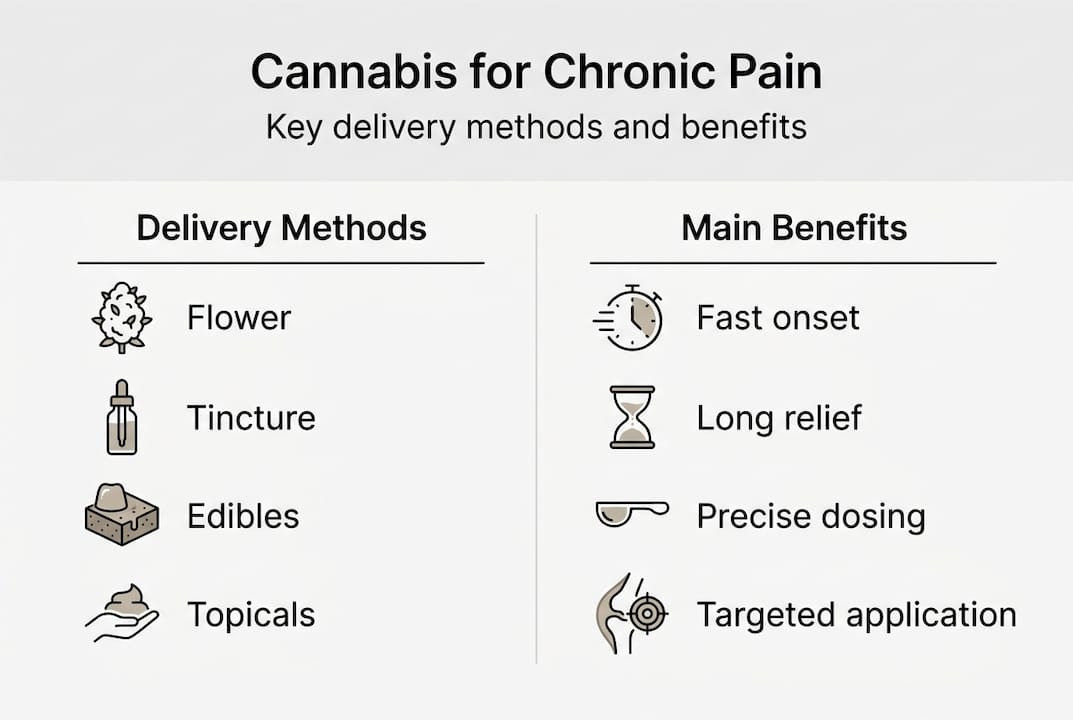
Choosing the right cannabis product dramatically affects your pain relief experience. Different cannabis products offer distinct delivery methods affecting onset, duration, and suitability for pain relief. Each category serves different needs and preferences.
| Product type | Onset time | Duration | Best for | Considerations |
|---|---|---|---|---|
| Dried flower | 2-5 minutes | 2-4 hours | Rapid relief, dose control | Requires smoking or vaping equipment |
| Oils and tinctures | 30-90 minutes | 6-8 hours | Consistent dosing, discreet use | Slower onset than inhalation |
| Edibles | 1-3 hours | 6-12 hours | Long-lasting relief, no inhalation | Difficult to dose precisely |
| Topicals | 15-45 minutes | 2-6 hours | Localised pain, no psychoactive effects | Limited to surface and joint pain |
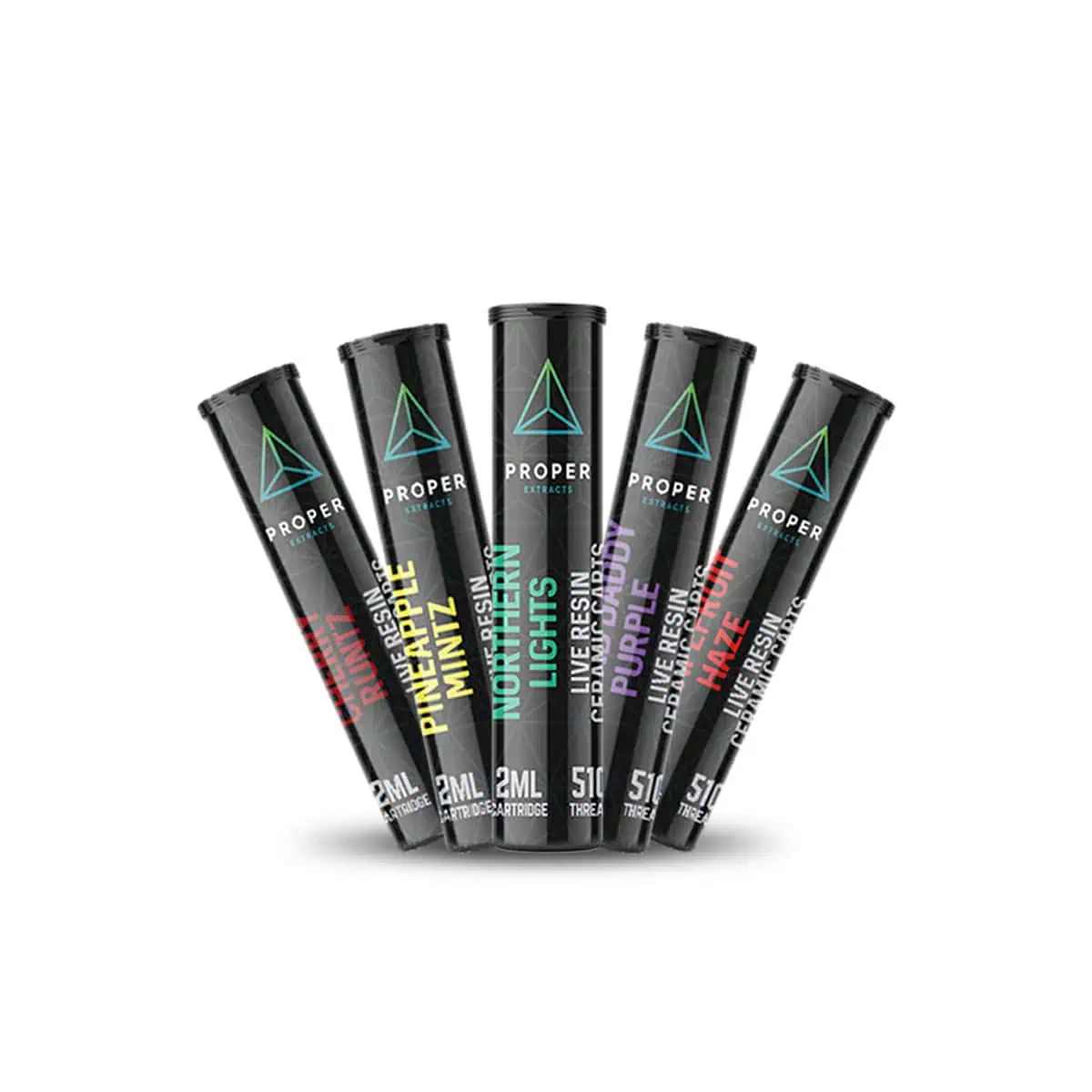
| Vape cartridges | 2-5 minutes | 2-4 hours | Convenience, precise dosing | Requires battery device |
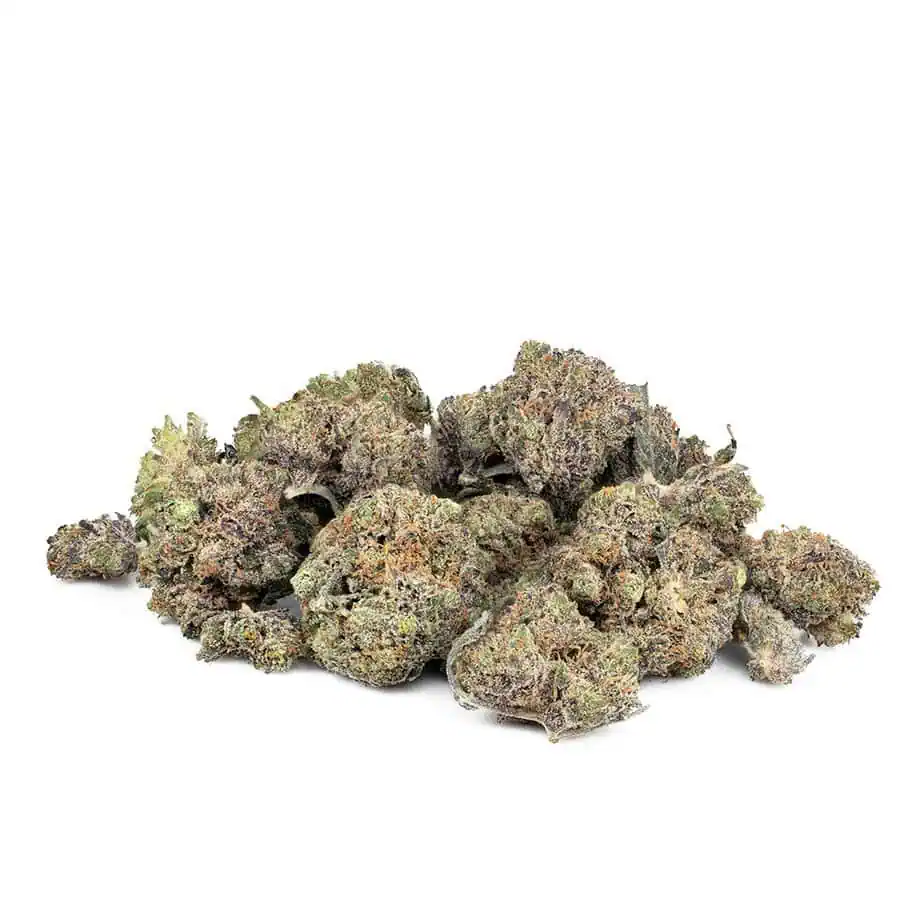
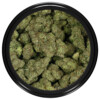
Dried flower remains popular because you control your dose with each inhalation. You feel effects within minutes, allowing real-time adjustments. However, smoking irritates your lungs and throat. Vaporising offers a healthier alternative by heating cannabis below combustion temperature, releasing cannabinoids without harmful smoke compounds.
Oils and tinctures provide consistent, measurable doses. You place drops under your tongue for faster absorption or swallow them for longer-lasting effects. This method suits people who need steady relief throughout the day and prefer avoiding inhalation. The sublingual route bypasses your digestive system, delivering cannabinoids directly into your bloodstream through the thin tissue under your tongue.
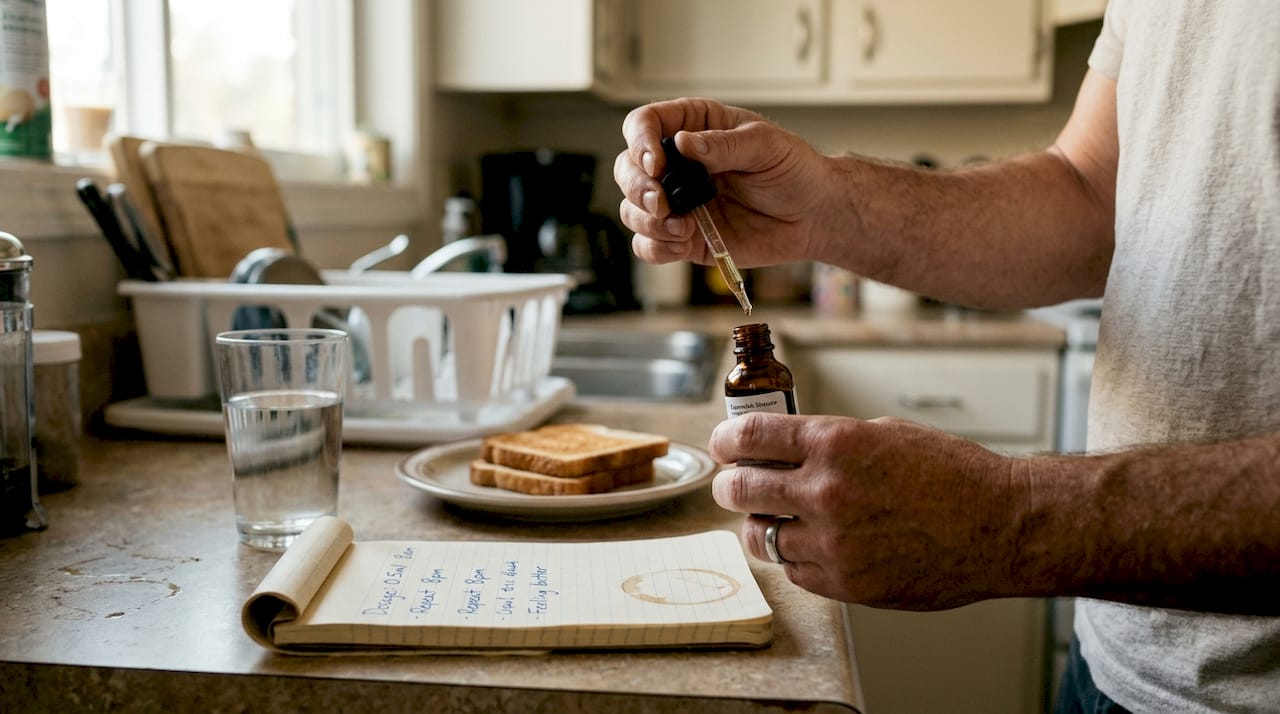
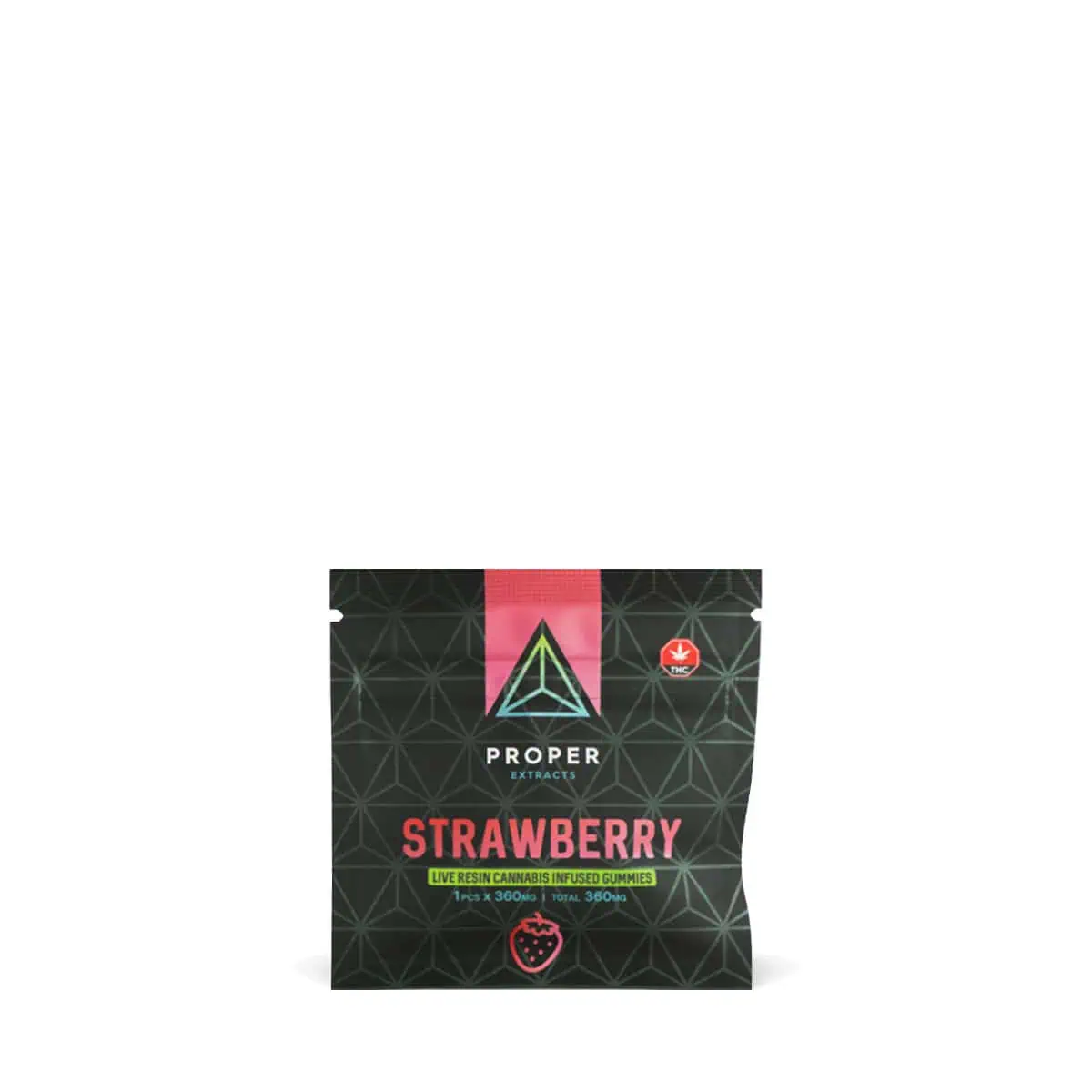
Edibles appeal to those seeking extended relief without repeated dosing. A single cannabis-infused capsule, gummy, or baked good can provide pain relief for eight to twelve hours. The catch? Effects take one to three hours to begin, and potency varies based on your metabolism, recent meals, and product formulation. Start with 2.5 to 5 milligrams of THC and wait at least four hours before taking more.
Topical creams, balms, and patches deliver cannabinoids directly to painful areas without entering your bloodstream. This means no psychoactive effects, making topicals ideal for daytime use when you need to remain clear-headed. They work exceptionally well for arthritis, muscle soreness, and localised nerve pain. However, topicals cannot address systemic inflammation or deep visceral pain.
Pro Tip: Combine delivery methods for comprehensive pain management. Use a topical cream for your arthritic knee, take an oil capsule for baseline relief, and keep a vape pen for breakthrough pain episodes.
Exploring cannabis product categories helps you match products to your daily routine. Someone with morning stiffness might start with a tincture, use a topical before exercise, and take an edible before bed. Another person with nerve pain might prefer vaping for immediate relief during pain flares. Your ideal approach emerges through careful experimentation and observation.
Cannabis is legal for medical and recreational use in Canada under controlled regulations. Adults aged 19 or older can purchase cannabis from licenced retailers, both physical stores and online platforms. You can possess up to 30 grams of dried cannabis in public and grow up to four plants per household. Medical cannabis patients may access higher possession limits and additional product formats through Health Canada’s medical cannabis programme.
Legal access removes the uncertainty and safety risks associated with unregulated sources. Licenced producers must test products for potency, pesticides, heavy metals, and microbial contamination. You know exactly what you’re consuming, which proves essential for consistent pain management. Product labels display THC and CBD content, allowing precise dose calculations.
Safe cannabis use for chronic pain follows these evidence-based guidelines:
Quality matters enormously when using cannabis medicinally. Poorly grown or processed cannabis may contain mould, pesticides, or inconsistent cannabinoid levels. These contaminants can worsen health problems rather than relieving them. Purchasing from reputable sources ensures you receive clean, properly tested products that deliver predictable results.
Side effects typically remain mild and manageable. THC may cause temporary anxiety, paranoia, or cognitive impairment, especially at higher doses. CBD rarely produces adverse effects, though some people experience fatigue or digestive changes. These reactions usually diminish as your body adapts to regular cannabis use. Reducing your dose or switching to different cannabinoid ratios often resolves unwanted effects.
The cannabis wellness checklist provides structured guidance for incorporating cannabis safely into your pain management routine. Following systematic protocols helps you optimise benefits while minimising risks. This methodical approach transforms cannabis from an experiment into a reliable therapeutic tool.
Managing chronic pain with cannabis becomes simpler when you access comprehensive product selections and expert guidance. Green Society offers extensive cannabis product categories covering flowers, concentrates, edibles, topicals, and accessories tailored to diverse therapeutic needs. Each category includes detailed descriptions helping you understand potency, effects, and ideal applications.
Our cannabis wellness checklist walks you through safe usage protocols, from initial dose selection through ongoing adjustments. Combined with the cannabis product selection workflow, these resources empower you to make informed decisions matching your specific pain profile and lifestyle requirements. You’ll discover which products align with your relief goals, how to dose effectively, and when to adjust your approach for optimal outcomes.
Yes, cannabis is fully legal for both medical and recreational purposes across Canada for adults 19 and older. You can purchase from licenced retailers without a prescription, though medical cannabis programmes offer additional benefits like higher possession limits and insurance coverage. Provincial regulations govern retail operations, but federal law permits possession, consumption, and home cultivation within specified limits.
Start with low-dose CBD-dominant or balanced THC:CBD products from licenced producers. Oils and capsules provide consistent, measurable doses ideal for beginners. Avoid smoking if you have respiratory issues, opting instead for vaporising, edibles, or topicals. Never combine cannabis with alcohol or sedatives, and always store products securely away from children and pets.
Onset varies dramatically by consumption method. Vaping or smoking delivers relief within two to five minutes, making these methods ideal for breakthrough pain. Oils taken sublingually work in 30 to 90 minutes, while edibles require one to three hours but provide longer-lasting effects. Topicals typically begin working within 15 to 45 minutes for localised pain relief.
Cannabis carries relatively low addiction risk compared to opioids, benzodiazepines, or alcohol. Approximately 9 percent of regular users develop dependence, versus 15 to 30 percent for prescription painkillers. Responsible use with appropriate dosing, regular tolerance breaks, and medical supervision further reduces this risk. Most chronic pain patients use cannabis therapeutically without developing problematic use patterns.