Free Shipping
on orders over $150.00
$45.00
$150.00
Add $105.00 more for free shipping!


Finding trustworthy wellness solutions can be challenging when choices seem endless. CBD stands out for health-conscious adults across North America by offering unique benefits without the psychoactive effects of THC. With federal legislation permitting hemp-derived CBD containing less than 0.3 percent THC, more Canadians and Americans are exploring its potential for anxiety, pain, and inflammation relief. This guide helps you understand what sets CBD apart, how it works, and which product types best suit your wellness needs.
| Point | Details |
|---|---|
| CBD Characteristics | CBD is a non-intoxicating cannabinoid that does not produce a high and has unique interactions with the body compared to THC. |
| Legal Status | Hemp-derived CBD containing less than 0.3% THC is federally legal, but regulations vary by province and state. |
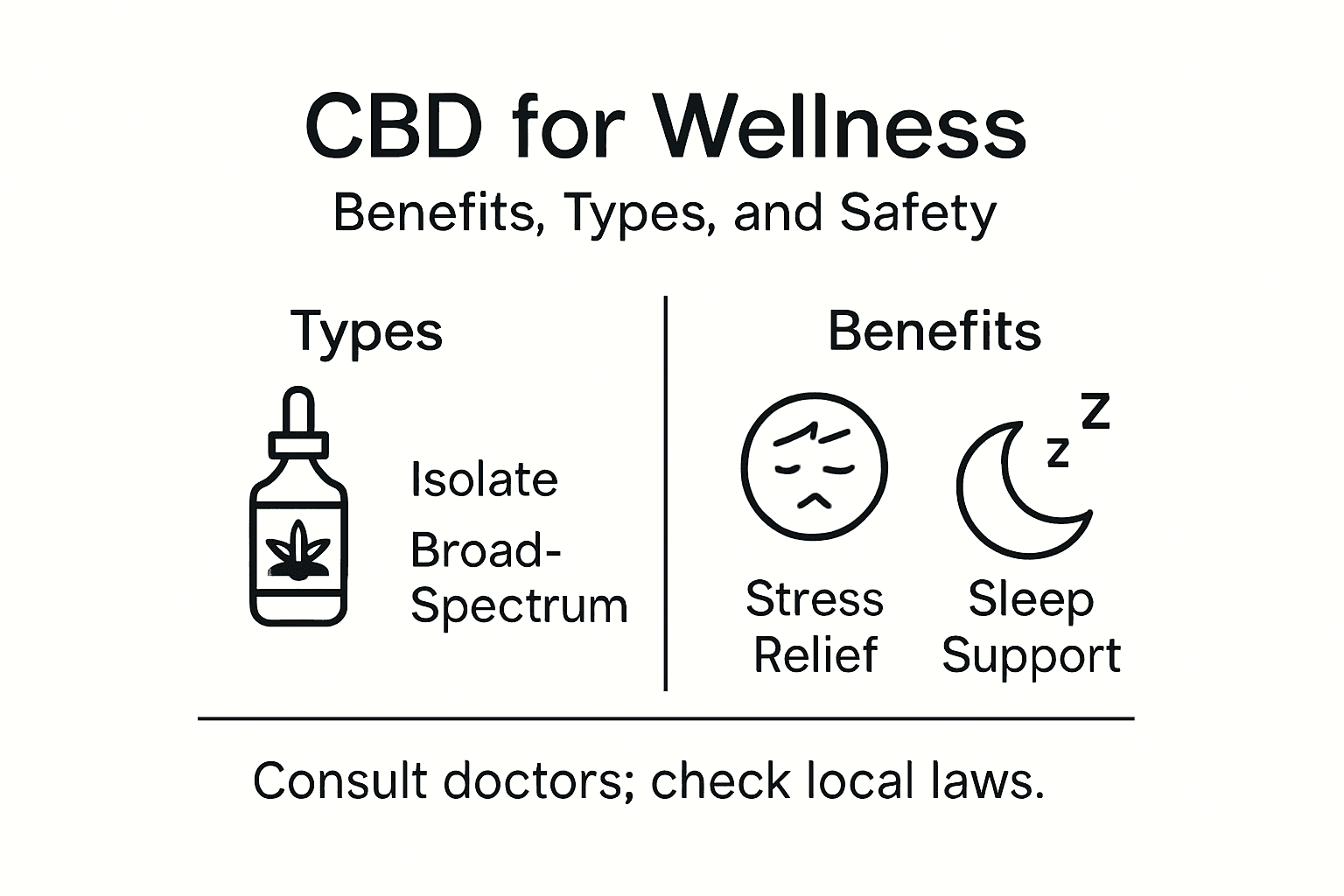
| Types of CBD Extracts | The three primary types are Full-Spectrum, Broad-Spectrum, and CBD Isolate, each offering different benefits. |
| Wellness Potential | CBD may help with stress reduction, pain management, and improved sleep quality, but individual responses vary. |
Cannabidiol, commonly known as CBD, is a fascinating compound that has rapidly emerged in wellness circles. Unlike its cannabis cousin THC, CBD offers unique properties that make it distinctly different from traditional psychoactive substances. Detailed scientific research from CDC reveals CBD’s complex interactions within the human body.
At its core, CBD is a non-intoxicating cannabinoid derived primarily from hemp plants. Its key characteristics distinguish it from other cannabis compounds:
Molecular Structure and Interactions play a critical role in understanding CBD’s unique profile. Unlike THC, which directly binds to cannabinoid receptors, CBD modulates these receptors more subtly. Harvard Health research indicates that CBD has very low affinity for cannabinoid receptors, suggesting its effects are more nuanced and complex.
CBD represents a fascinating frontier in natural wellness, offering potential benefits without the psychoactive effects associated with traditional cannabis consumption.
Legally, CBD exists in a dynamic landscape. The 2018 Agriculture Improvement Act federally legalized hemp-derived CBD containing less than 0.3% THC, though state regulations can vary significantly. This legislative milestone opened doors for widespread research and consumer access, transforming CBD from a controversial compound to a mainstream wellness option.
For quick reference, here is a comparison of CBD and THC in terms of effects, legal status, and wellness potential:
| Compound | Psychoactive Effect | Legal Status (Canada) | Key Wellness Potential |
|---|---|---|---|
| CBD | Non-intoxicating | Permitted with <0.3% THC | Anxiety, pain, inflammation |
| THC | Psychoactive “high” | Controlled substance, restricted | Pain, appetite, sleep improvement |
Pro tip: Always verify local regulations and consult healthcare professionals before incorporating CBD into your wellness routine.
Navigating the world of CBD products can feel overwhelming, but understanding the primary types of CBD extracts helps consumers make informed wellness choices. These diverse product categories offer unique benefits tailored to individual needs and preferences.
The three primary CBD extract types include:
Full-Spectrum CBD provides the most comprehensive cannabis plant experience. By retaining all naturally occurring cannabinoids, terpenes, and flavonoids, this extract creates what researchers call the “entourage effect” – where compounds work synergistically to enhance potential therapeutic benefits.
Full-spectrum CBD represents the most holistic approach to cannabinoid consumption, mimicking the plant’s natural composition.
Broad-spectrum CBD offers an intermediate option for those seeking multiple cannabinoid benefits without THC’s psychoactive properties. CDC research on CBD products highlights the importance of understanding product variations, noting that concentration and composition can significantly impact potential wellness outcomes.
CBD Isolate represents the purest form of cannabidiol, containing 99% pure CBD without additional plant compounds. This extract is ideal for individuals seeking precise, controlled CBD consumption without any other cannabinoid interactions.

Here’s a summary comparing the three major CBD extract types and their typical uses:
| Extract Type | Distinctive Feature | Typical Use Case |
|---|---|---|
| Full-Spectrum CBD | Contains all cannabinoids, trace THC | Broad wellness support, entourage effect |
| Broad-Spectrum CBD | Multiple cannabinoids, no THC | Sensitive users avoiding THC |
| CBD Isolate | Pure CBD only, 99%+ purity | Precise dosing, avoiding plant compounds |
Product formats are equally diverse, including:
Pro tip: Always verify product labels and consult healthcare professionals to determine the most suitable CBD extract for your specific wellness goals.
Understanding the complex scientific mechanisms of CBD requires diving into its intricate interactions with the human body. Frontiers in Pharmacology research reveals that CBD operates through sophisticated pathways, primarily by modulating the endocannabinoid system and various receptor networks.
Key scientific mechanisms of CBD include:
Neurological Interactions represent one of the most fascinating aspects of CBD’s scientific profile. Unlike THC, CBD does not directly bind to cannabinoid receptors but instead acts as a subtle molecular regulator. Harvard Health scientific studies indicate that this unique interaction may contribute to potential therapeutic effects across multiple bodily systems.
CBD’s molecular complexity suggests a nuanced approach to wellness, challenging traditional single-compound therapeutic models.
Researchers have observed promising indications that CBD might positively impact various health domains, including:
However, scientists emphasize that while preliminary research is encouraging, comprehensive clinical trials are necessary to fully validate CBD’s broader health applications. The current scientific landscape suggests potential rather than definitive conclusions.
Pro tip: Always consult healthcare professionals and review current scientific literature before incorporating CBD into your wellness routine.
Modern wellness enthusiasts are increasingly turning to CBD as a holistic approach to managing various health challenges. CDC research on CBD highlights its potential for addressing multiple wellness concerns, from stress reduction to pain management.
Key wellness benefits of CBD include:
Mental Health Support represents one of the most compelling aspects of CBD usage. Frontiers in Psychiatry research suggests that individuals experiencing psychiatric challenges may find relief through controlled CBD consumption, particularly for anxiety and stress management.
CBD offers a nuanced approach to wellness, bridging the gap between traditional medicine and natural therapeutic interventions.
Physical wellness benefits extend beyond mental health. Users have reported improvements in:
However, it’s crucial to understand that while initial research shows promise, CBD is not a universal miracle solution. Individual responses vary, and more comprehensive clinical studies are necessary to fully validate its comprehensive health benefits.
Pro tip: Consult with healthcare professionals and start with low doses to understand your individual response to CBD.
Navigating the complex landscape of CBD regulation requires careful understanding of current legal frameworks and consumer protections. FDA regulations on cannabis products highlight the critical need for consumers to be well-informed about product safety and legal status.
Key regulatory considerations include:
Labelling Challenges represent a significant concern in the CBD marketplace. Hopkins Medicine research reveals widespread mislabeling issues that can potentially mislead consumers about product contents and effects.
Consumer awareness is the first line of defence against misleading CBD product claims and potential health risks.
Legal complexities surrounding CBD products vary by jurisdiction, but some consistent principles apply:
Consumers must remain vigilant about product quality, understanding that current market regulations are still evolving. The absence of comprehensive federal guidelines means individual responsibility becomes crucial in selecting safe, accurately labeled CBD products.
Pro tip: Always request third-party lab testing results and carefully review product labels before purchasing CBD products.
Wellness seekers are increasingly exploring CBD as an alternative to traditional treatment approaches, recognizing its unique therapeutic potential. Frontiers in Psychiatry research suggests CBD offers a nuanced option for managing various health challenges with minimal intoxicating effects.
Key comparative advantages of CBD include:
Therapeutic Differentiation sets CBD apart from conventional wellness interventions. Unlike pharmaceutical treatments, CBD interacts subtly with the body’s systems, offering a more holistic approach to managing health concerns.
CBD represents a bridge between natural wellness strategies and targeted therapeutic interventions.
Comparative treatment characteristics reveal several important distinctions:
Mayo Clinic research highlights that CBD provides pain relief alternatives without the intoxicating effects associated with traditional medical marijuana, making it an appealing option for those seeking balanced wellness strategies.
Pro tip: Consult healthcare professionals to understand how CBD might complement your existing wellness protocols and assess individual suitability.
If you are seeking effective, reliable CBD options to address challenges like stress, pain, or sleep issues discussed in the article, GreenSociety.cc offers a wide selection of premium CBD products designed for diverse wellness goals. We understand the importance of products that are accurately labelled, lab-tested, and tailored to your individual needs such as full-spectrum, broad-spectrum, or CBD isolates. Our platform makes exploring these options simple and secure, empowering you to take control of your health naturally.
Start your wellness transformation now by visiting GreenSociety.cc to browse our curated range of CBD oils, edibles, and topicals. Benefit from discreet shipping and trusted quality you can rely on. Don’t wait to experience the potential of CBD as part of your balanced wellness routine. Find out more by exploring expert advice and product details on GreenSociety.cc and make your first confident purchase today.
CBD, or cannabidiol, is a non-intoxicating cannabinoid derived from hemp plants, unlike THC, which is psychoactive and produces a ‘high’ sensation. CBD interacts with the body’s systems in a different manner, offering potential wellness benefits without the intoxicating effects associated with THC.
The three primary types of CBD extracts are Full-Spectrum CBD, which contains all cannabinoids including trace amounts of THC; Broad-Spectrum CBD, which includes multiple cannabinoids without THC; and CBD Isolate, which is pure cannabidiol with no other plant compounds. Each type offers different benefits tailored to personal preferences.
CBD may offer several wellness benefits, including stress and anxiety reduction, improved sleep quality, natural pain management, mood stabilization, and potential inflammation reduction. Individual responses may vary, so it’s essential to consult healthcare professionals before use.
When selecting a CBD product, consider factors such as the type of extract (Full-Spectrum, Broad-Spectrum, or Isolate), your specific wellness goals, and how you prefer to consume CBD (oils, capsules, edibles, etc.). It’s important to review product labels and consult healthcare professionals to ensure the right fit for your individual needs.
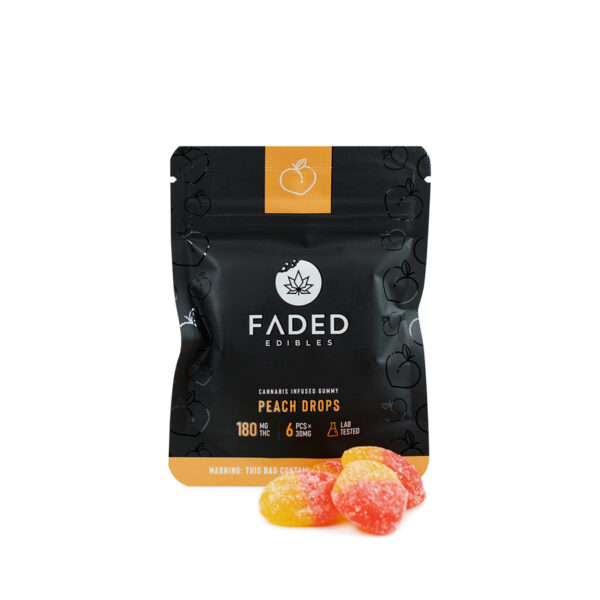 Faded Cannabis Co. Peach Drops
 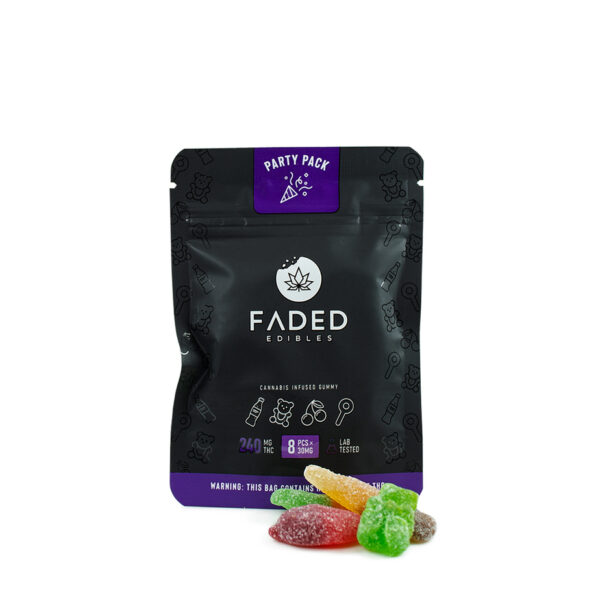 Faded Cannabis Co. Party Pack Gummies