TL;DR:
- Switching from indoor to outdoor cannabis cultivation can reduce greenhouse gas emissions by up to 76 percent.
- Verified third-party lab Certificates of Analysis are essential to ensure product safety, transparency, and sustainability.
Sustainable and regenerative cannabis farming is real, it is measurably different from conventional indoor production, and it directly affects what you inhale, eat, or extract. A 2025 life-cycle assessment found that shifting cultivation from energy-intensive indoor facilities to outdoor environments can cut greenhouse gas emissions by up to 76%, against an estimated industry total of approximately 44 Mt CO2e per year. For Canadian online shoppers, that gap is not abstract: it shows up in pesticide residue risk, terpene complexity, and whether the vendor can tell you anything meaningful about where the plant actually grew.
Quick checklist for shoppers:
- Look for a dated Certificate of Analysis (COA) from a named third-party lab
- Confirm the growing method (outdoor, greenhouse, or living soil) on the product page
- Check for pesticide-residue results, especially for concentrates and edibles
- Prefer vendors with batch-level farm origin, not just a province
- Use Greensociety for discreet delivery and access to product quality indicators
Table of Contents
What does sustainable cannabis farming actually include?
The phrase covers a spectrum of practices, and not all of them carry equal weight.

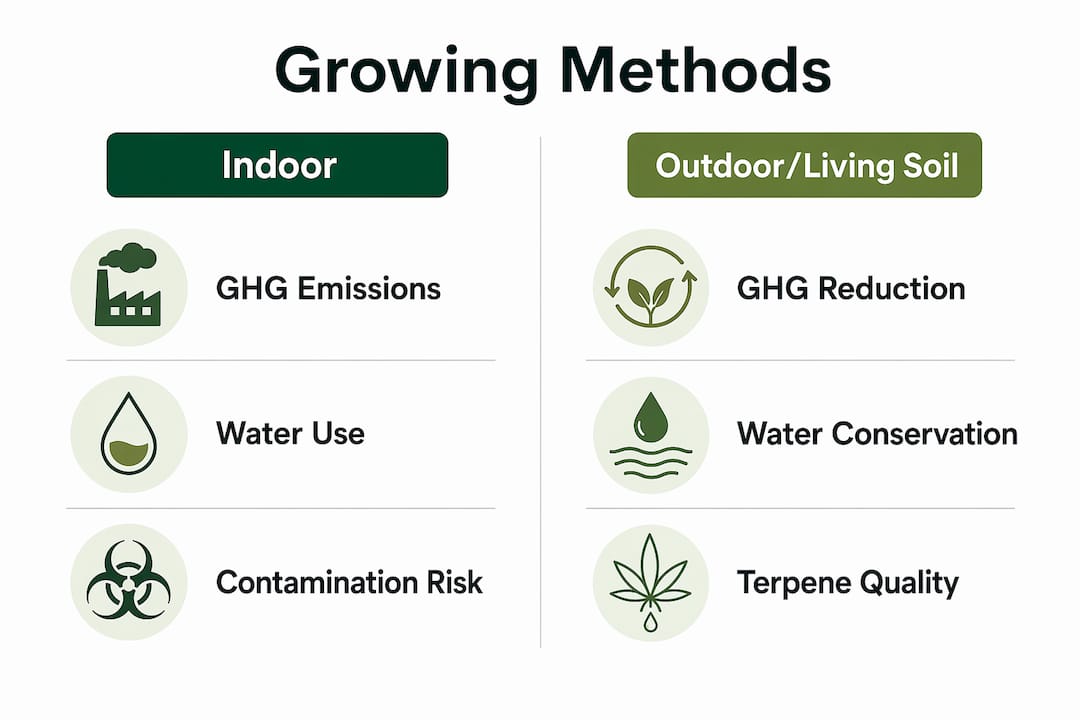
Outdoor cultivation uses sunlight and ambient conditions, which slashes energy use compared to climate-controlled rooms. Greenhouse production adds structural protection while still using far less electricity than fully enclosed indoor grows. Controlled-environment (indoor) agriculture offers year-round consistency but at significant energy cost. Living soil is a biologically active growing medium populated by bacteria, fungi, earthworms, and other organisms that cycle nutrients naturally; it is reused across multiple crop cycles rather than discarded, which eliminates the plastic-pot-to-landfill loop common in conventional grows. No-till methods leave soil structure intact between cycles, protecting the microbial networks that feed the plant. Regenerative agriculture goes further than organic certification: it focuses on closing nutrient loops, using local inputs, cover cropping, and actively improving soil biology over time. Integrated pest management (IPM) replaces blanket pesticide applications with targeted biological controls and monitoring. Subsurface drip irrigation (SDI) delivers water directly to the root zone; one study found SDI reduced water use by 18.6% and cut weed biomass by 93.2% compared to surface drip.
| Growing method |
Environmental impact |
Contamination risk |
Taste / terpenes |
Price |
Canadian availability |
| Outdoor |
Lowest GHG, low energy |
Low (if IPM used) |
High complexity possible |
Lower |
Seasonal; BC, ON, QC |
| Greenhouse |
Moderate GHG |
Low–moderate |
Good |
Moderate |
Year-round; most provinces |
| Indoor |
Highest GHG, high energy |
Moderate (synthetic inputs) |
Consistent, less complex |
Higher |
Widely available |
| Living soil / regenerative |
Low–moderate GHG |
Lowest (no synthetics) |
Highest complexity |
Premium |
Limited; small-batch |
What does the evidence say about emissions and resource use?
“Life cycle assessment finds that outdoor cultivation could trim emissions up to 76%… the resulting national emissions from legal and illicit cannabis producers are more than some other industries and nearly half of a daily consumer’s household carbon footprint.” — ScienceDirect, 2025
The numbers behind that headline are worth sitting with. Indoor cannabis footprints range from roughly 2,300 to 5,200 kg CO2-equivalent per kilogram of dried flower. Outdoor systems, by contrast, typically land between 60 and 110 kg CO2-equivalent per kilogram in most studies. That is not a marginal difference.
| Production system |
GHG (kg CO2e / kg dried flower) |
Typical water use |
Key variable |
| Indoor |
2,300–5,200 |
High (recirculating or municipal) |
Local electricity grid carbon intensity |
| Greenhouse |
— |
Moderate |
Supplemental lighting level |
| Outdoor / living soil |
60–110 |
Lower; rain-fed possible |
Climate, irrigation method |
Two caveats matter for Canadian shoppers. First, the electricity grid makes a significant difference: a Quebec indoor grow powered by hydroelectricity carries a much lower carbon footprint than the same facility in Alberta running on natural gas. Second, upstream inputs count. Peat-based substrates and synthetic fertiliser manufacture are meaningful emission sources even for outdoor grows; partial substitution with bio-based alternatives can reduce substrate global-warming potential by 10–35%.
Why does growing method affect quality, safety, and price?
Pesticides and fungicides applied during cultivation can concentrate during extraction. A pesticide residue that sits at a low level in dried flower can reach much higher concentrations in a wax, shatter, or edible, because the extraction process removes water and plant material while retaining fat-soluble compounds. That is why COAs matter most for concentrates and edibles, and why a missing or vague pesticide panel on those products is a genuine red flag.
Cal Poly Humboldt research into regenerative cannabis farming suggests these practices can reduce reliance on synthetic inputs and lower external input costs for farmers over time. Lower input costs, combined with better soil water retention, can stabilise supply and moderate the premium that small-batch regenerative producers currently charge.
Living soil and regenerative methods also tend to produce more complex terpene profiles. The biological nutrient cycling in a healthy soil food web delivers a broader range of micronutrients to the plant, which supports more diverse terpene expression. Industry observers note that living soil and regenerative labelling often signals both higher flavour quality and stronger provenance storytelling, which buyers pay for.
Product sensitivity to contamination (highest to lowest risk):
- Concentrates and extracts (wax, shatter, live resin, distillate)
- Edibles and infused products
- Vape cartridges
- Dried flower
For concentrate buyers especially, a COA with a full pesticide panel is not optional.
Start with the COA. If it is not linked directly on the product page, that alone is worth pausing over.
- Find the COA link on the product page or vendor profile; confirm it is dated within the last 12 months.
- Check the lab name — it should be a named, independent third-party facility, not the producer’s own testing.
- Confirm the sampled product type matches what you are buying (flower COA does not cover a concentrate made from it).
- Read the pesticide residue panel — look for “not detected” or results below Health Canada’s maximum residue limits.
- Note the cannabinoid profile and batch ID — a batch ID means the test applies to your specific lot, not a generic sample.
- Look for growing method disclosure — outdoor, greenhouse, living soil, or regenerative should be stated explicitly, not implied.
- Check for farm photos or a farm profile — a vendor who can show you where the plant grew is a vendor with something real to say.
If information is missing, ask the vendor directly: “Can you share the COA for this batch?” and “What growing method was used — outdoor, greenhouse, or indoor?” Most legitimate vendors answer quickly.
Pro Tip: When reading a COA fast, go straight to the pesticide panel first, then the batch ID. If either is missing, treat the product as unverified regardless of how good the cannabinoid numbers look.
If a COA is missing for a concentrate or edible, do not substitute flower-level testing. Either request the batch-specific document or choose a different product.
What should you expect on price and availability across Canada?
Living-soil and regenerative-labelled products carry a premium because the economics are real: smaller scale, more hands-on soil management, lower yields per square metre, and the cost of third-party certification all add up. Expect to pay more per gram for verified sustainable flower, and more again for concentrates from the same source.
Regional availability shapes what you can actually find. Outdoor and small-batch regenerative farms are more concentrated in British Columbia, Ontario, and Quebec, where climate and licensing history favour them. Prairie provinces and Atlantic Canada have fewer small-batch outdoor producers, which can mean longer delivery windows and thinner stock for products labelled as sustainable.
| Product type |
Price pressure |
Availability (sustainable label) |
Notes |
| Dried flower |
Moderate premium |
Widest selection |
Seasonal outdoor stock; watch restock alerts |
| Concentrates |
Higher premium |
Limited |
Prioritise COA with pesticide panel |
| Edibles |
Variable |
Moderate |
Ingredient sourcing matters as much as flower origin |
Subscribe to restock notifications on vendor sites and use any regional or growing-method filters available. Stock for small-batch outdoor runs moves quickly.
What are the red flags when buying “sustainably grown” cannabis online?
- No COA, or a COA with no pesticide panel — the most common and most serious gap
- No batch ID on the COA — a generic test does not cover your product
- Vague “eco” or “natural” language with no farm name, method, or certification
- Peat-based substrate with no disclosure — peat extraction is a significant emission source and contradicts sustainability claims
- No IPM or pesticide-free statement for concentrates and edibles
- COA dated more than 12 months ago
Concentrates and edibles are unforgiving. A pesticide residue that sits below the threshold in dried flower can exceed safe limits after extraction. If a vendor cannot produce a batch-specific COA for a concentrate, that product carries unknown contamination risk — full stop.
If a red flag appears: request the batch COA by name, and if the vendor cannot provide it within a reasonable time, choose a different product or a different vendor.
How do you balance eco-friendly packaging with discreet delivery?
Discreet delivery requires opaque, tamper-evident outer packaging. That is a non-negotiable for privacy and product integrity. The tension with sustainability is real but manageable.
- Opt for vendors who use minimal outer packaging — a plain, opaque mailer with no branding is both discreet and lower-waste than a branded box with void fill
- Check whether the vendor offers carbon-neutral shipping options at checkout
- Reuse or recycle inner packaging where your municipality’s recycling programme accepts it
- Avoid vendors who use excessive secondary packaging (multiple plastic bags inside a box inside a mailer)
The sustainable cannabis packaging guide on Greensociety covers materials, recycling considerations, and what to look for in a vendor’s packaging policy.
Pro Tip: Before you order, check the vendor’s FAQ or delivery policy page for the phrase “plain packaging” or “discreet shipping.” If it is not there, send a quick message to confirm — a good vendor will confirm it without hesitation.
Does sustainable cannabis farming include fair labour practices?
Environmental sustainability and social sustainability are two sides of the same coin, and the cannabis industry has a complicated history on both. Regenerative and small-farm models tend to involve more hands-on labour, which creates more farm jobs per kilogram of output than automated indoor facilities. But more jobs does not automatically mean fair jobs.
The Cannabis and Environmental Stewardship Symposium held by Cal Poly Humboldt in 2024 explicitly linked equitable business practices to the long-term viability of sustainable cannabis farming. Participants recognised that without fair wages, safe working conditions, and equitable licensing access, the environmental gains of regenerative farming cannot be sustained socially or economically.
When you are evaluating a vendor or producer, look for transparency about their farm team, any fair-trade or living-wage commitments, and whether they work with small, independent farms rather than consolidating supply through large operators. A producer who talks openly about their soil also tends to talk openly about their people.
How can you support local and small-scale sustainable cannabis producers in Canada?
The most direct thing you can do is buy from vendors who name their farm partners. A product page that says “grown by [farm name] in the Okanagan using living soil” puts money directly into the hands of a specific operation. Generic sourcing language keeps that connection invisible.
A few practical steps:
- Filter by growing method on e-commerce sites when the option exists; outdoor and small-batch filters narrow the field quickly
- Subscribe to restock alerts for small-batch producers — their runs sell out faster than large-scale indoor stock
- Ask vendors which farms they source from and whether those farms are independently certified (organic, regenerative, or third-party audited)
- Look for appellation-of-origin signals — some Canadian producers are beginning to use regional identity as a quality marker, similar to wine appellations
- Choose flower and concentrates from named farms over anonymous bulk supply, even when the price is slightly higher
Supporting small producers also means accepting occasional stock gaps. That is the honest trade-off of buying from farms that grow seasonally and in limited quantities.
Key takeaways
Outdoor and living-soil cannabis can cut greenhouse gas emissions by up to 76% compared to indoor production, and that same choice affects pesticide risk, terpene quality, and what a vendor can honestly tell you about the product.
| Point |
Details |
| GHG reduction potential |
Shifting to outdoor cultivation can cut emissions by up to 76% versus indoor, per the 2025 life-cycle assessment. |
| COA is non-negotiable |
Always verify a dated, batch-specific COA with a pesticide panel before buying concentrates or edibles. |
| Concentrates carry highest risk |
Pesticide residues concentrate during extraction; prioritise lab-tested products for wax, shatter, and edibles. |
| Premium is real but justified |
Living-soil and regenerative products cost more due to smaller scale and certification; the quality and safety difference is measurable. |
| Greensociety for discreet shopping |
Greensociety offers discreet delivery, educational content, and product quality guidance to help you shop with confidence. |
Why sustainable sourcing is the question Canadian shoppers should be asking
The conventional wisdom in online cannabis shopping is that price and potency are the two variables that matter. That framing misses something important. Potency numbers on a label tell you the cannabinoid concentration at the time of testing. They tell you nothing about what else is in the product, how the plant was fed, or whether the extraction process concentrated something you did not want.
The shift toward sustainable and regenerative farming is not primarily an environmental story for the shopper standing at a product page. It is a provenance story. A producer who can tell you the farm name, the growing method, the soil inputs, and the batch COA is a producer who has nothing to hide. That transparency is the actual signal. The environmental benefit is real and significant, but for the person deciding what to put in their body, the more immediate value is knowing that the supply chain has been thought through.
Canadian shoppers have more access to that information than most. The legal market here requires lab testing. The question is whether you use it.
Shop sustainably and discreetly at Greensociety
Greensociety gives Canadian shoppers something most online dispensaries do not: educational content alongside the product catalogue, so you can read about COAs, growing methods, and contamination risk in the same place you buy.
Every order ships in plain, opaque packaging with no external branding. Browse by product category to filter flower, concentrates, and edibles, and use the product selection workflow to match your priorities — sustainability, safety, or both — to the right product. Stock on small-batch and living-soil products moves quickly; check the site regularly or subscribe to restock alerts for the farms and formats you care about.
Sources and further reading
Primary studies and research:
- Life-cycle assessment: indoor cultivation drives cannabis carbon footprint (ScienceDirect, 2025) — the source for the 76% GHG reduction finding and the 44 Mt CO2e industry estimate
- Recent advances in sustainability assessment of cannabis cultivation (MDPI) — indoor vs outdoor GHG ranges and upstream input analysis including peat substrates
- Cal Poly Humboldt: $1 million grant for regenerative cannabis farming — economic viability of regenerative practices and input reduction
- Subsurface drip irrigation study (PubMed) — 18.6% water reduction and 93.2% weed biomass reduction in outdoor cannabis
- Regenerative Cannabis Farming — definitions and principles distinguishing regenerative from basic organic
- Cannabis and Environmental Stewardship Symposium (SYRCL) — social sustainability, fair labour, and appellation-of-origin programmes
Greensociety educational resources:
Recommended

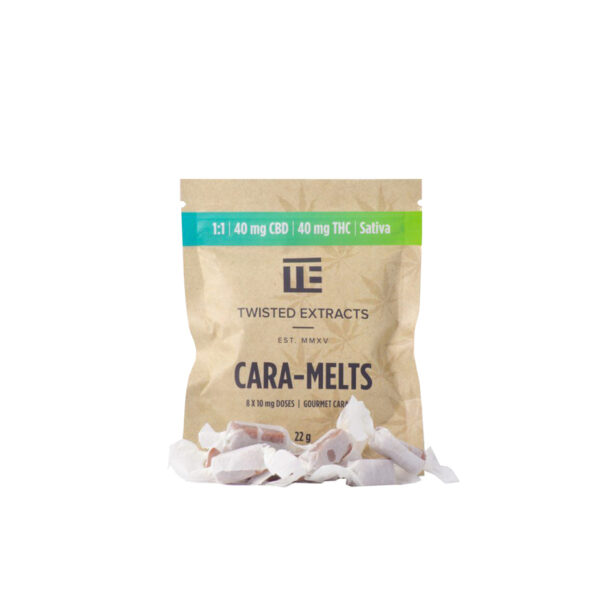 Twisted Extracts 1:1 Sativa Cara-Melts
$13.00
Twisted Extracts 1:1 Sativa Cara-Melts
$13.00 MasterMind Variety Gummy Squares
$45.00
MasterMind Variety Gummy Squares
$45.00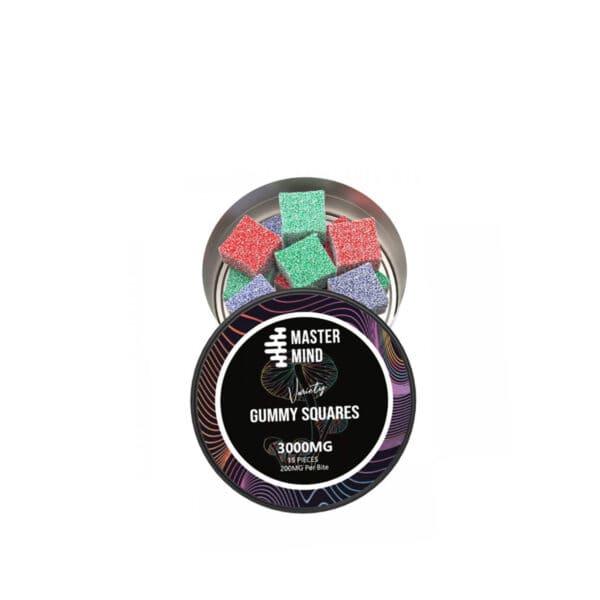 MasterMind Variety Gummy Squares
 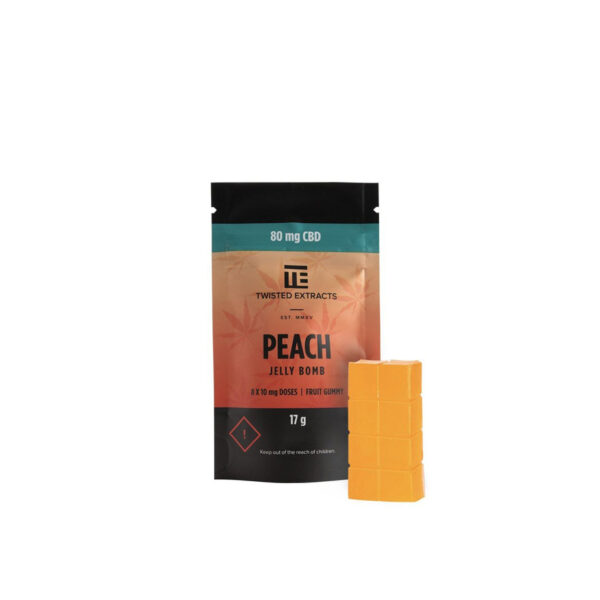 Twisted Extracts Peach CBD Jelly Bomb
 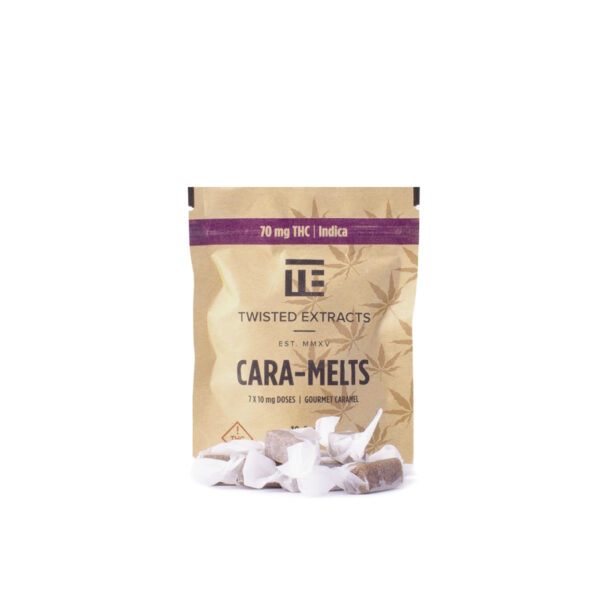 Twisted Extracts Indica Cara-Melts
  Fantasy Cookies & Cream Bar
  Faded Cannabis Co. Berry Blue Raspberries
  Faded Cannabis Co. Sour Suckers
  Twisted Extracts Raspberry ZZZ Bomb