Free Shipping
on orders over $150.00
$0.00
$150.00
Add $150.00 more for free shipping!

TL;DR:
- Cannabis extracts vary widely, offering potent products like oils, concentrates, and edibles for medical and recreational use. They contain higher THC levels, providing stronger, faster effects, but also increasing risks such as dependence and mental health issues for untrained users. An informed, cautious approach with personalized dosing and product knowledge is essential for safe, effective use.
Most people assume cannabis extracts are simply a more intense way to get high. That assumption misses the bigger picture entirely. Cannabis extracts span a wide spectrum of products, from carefully dosed medical tinctures to ultra-potent dabbing concentrates, and they serve very different purposes depending on who is using them and why. Understanding the differences between extract types, their real benefits, and where things can go wrong is what separates an informed user from someone who ends up overwhelmed or under-served.
| Point | Details |
|---|---|
| Potency is much higher | Cannabis extracts deliver concentrated effects, with THC levels far above traditional flower. |
| Medical uses exist | Extracts can help with chronic pain, nausea, and other symptoms but results vary by individual. |
| Risks require caution | High-potency extracts increase the chance of dependence and adverse reactions, especially in sensitive groups. |
| Dosing matters | Individualized low-dose titration is crucial for safety and optimal results. |
| Choose carefully | Start with safe delivery methods, understand your tolerance, and select the extract type best suited for your needs. |
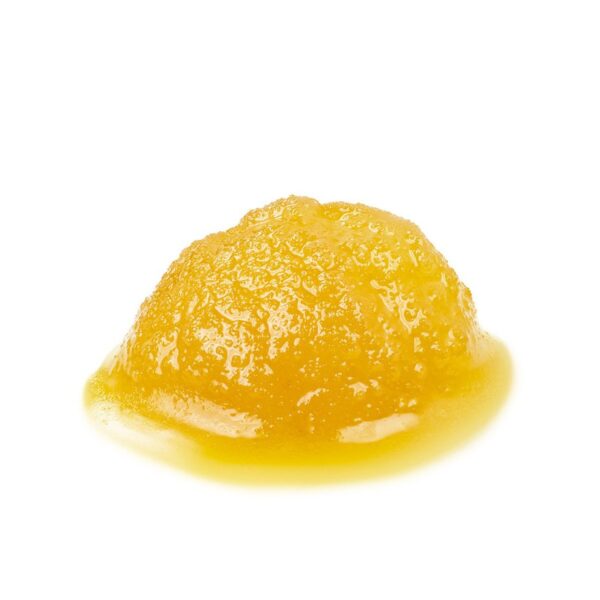
Cannabis extracts are concentrated substances produced by pulling cannabinoids (the active compounds in cannabis, like THC and CBD), terpenes, and other plant compounds away from the raw plant material. The result is a product far more potent and versatile than traditional cannabis flower.
To understand how cannabis extracts are made is to understand why they behave so differently from flower. The extraction process strips away the plant fibre, chlorophyll, and other non-active material, leaving behind a dense concentration of the compounds that matter most. That’s why extracts can be used in so many formats.
Popular forms of cannabis extracts include:
The potency difference between flower and extracts is significant. Where cannabis flower typically contains 15 to 25% THC, cannabis concentrates contain anywhere from 40 to 90% THC, depending on the extraction method and product type. That’s not a modest step up. It’s a completely different category. It also means that the margin for error is smaller. A dose that seems small by flower standards can be overwhelming in extract form.
Cannabis use disorder (CUD) has been observed in roughly 29% of medical cannabis users, which speaks to how important mindful, informed use really is. Extracts are not casual products to pick up and try without some background knowledge.
Not all extracts are created equal. The differences between extract types have real consequences for your experience, especially if you’re using them for a specific medical or wellness purpose.
Full-spectrum extracts contain THC, CBD, and the full range of minor cannabinoids, terpenes, and flavonoids found in the plant. These are thought to work synergistically through what researchers call the “entourage effect,” where multiple compounds together produce a more rounded result than any single compound alone. Full-spectrum extracts may enhance therapeutic efficacy through this effect, though high-THC versions still carry risks for users with low tolerance. For a thorough breakdown, the guide to full-spectrum CBD lays out what to look for.
Broad-spectrum extracts retain most plant compounds but with THC removed or reduced to trace levels. Good option for users who want plant-based complexity without psychoactive effects.
Isolates are single-compound products, either pure THC or pure CBD, with nothing else present. They’re predictable and easy to dose, but lack the complexity of full-spectrum products. For a side-by-side on these two approaches, the breakdown of full-spectrum vs isolate CBD is worth reading.
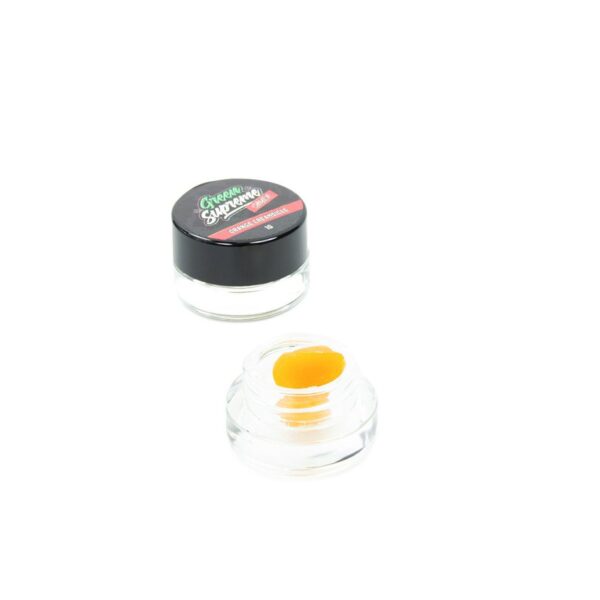
Distillates are highly refined oils that typically contain one dominant cannabinoid at very high purity. Common in vape cartridges.
Hash and rosin are more traditional extracts produced through mechanical or heat and pressure methods rather than chemical solvents.
| Extract type | THC level | CBD level | Entourage effect | Best use |
|---|---|---|---|---|
| Full-spectrum | High | Variable | Yes | Medical, experienced users |
| Broad-spectrum | Low/none | High | Partial | Wellness, THC-sensitive users |
| Isolate | Pure THC or CBD | Pure CBD only | No | Precise dosing |
| Distillate | Very high | Low | Minimal | Vaping, edibles |
| Hash/rosin | Moderate to high | Variable | Partial | Traditional, connoisseur use |
Clinical research on medical cannabis applications confirms that cannabinoids are effective for chronic pain, nausea, and loss of appetite. Phase 3 trial data showed a reduction of 1.9 points on the Numeric Rating Scale (NRS) for pain. FDA-approved synthetic cannabinoids are already used for specific conditions including chemotherapy-related nausea.
Understanding the types is important, but let’s drill down into the practical benefits for medical and recreational users.
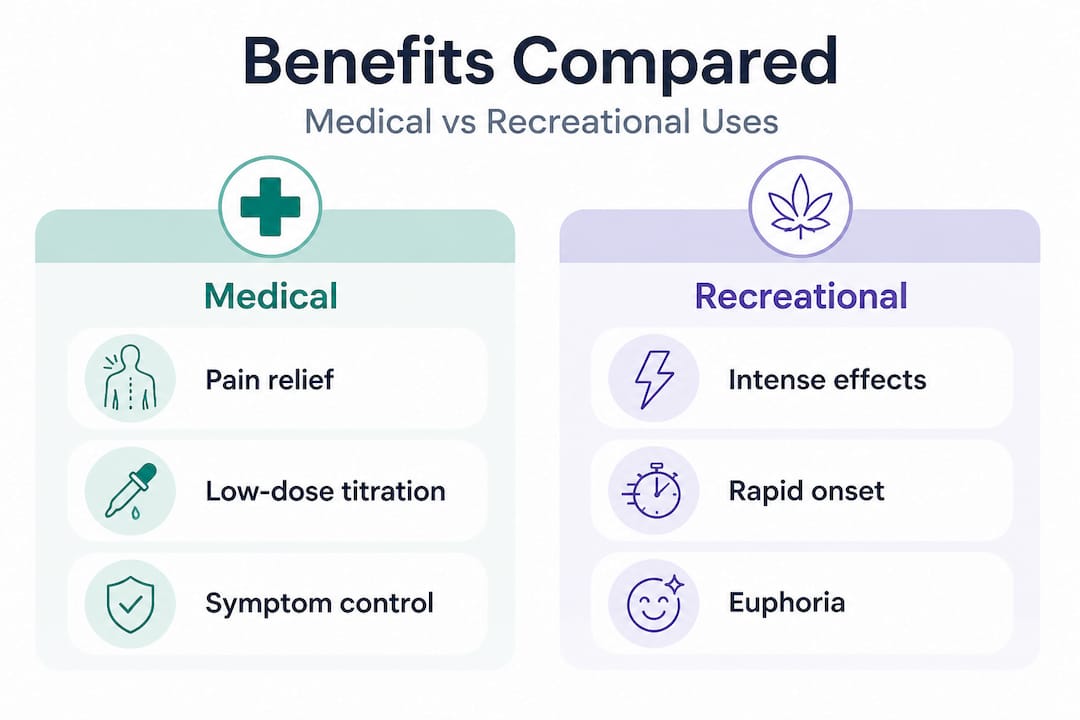
Medical users and recreational users approach extracts with entirely different goals. For medical users, the priority is usually targeted symptom relief with the smallest effective dose. For recreational users, the focus tends to be on potency, speed of onset, and the quality of the experience.
From a medical standpoint, empirical data shows small-to-moderate pain benefits from cannabis, though broader symptom relief is inconsistent across studies. Randomised controlled trials (RCTs) tend to show modest results, while observational studies often show stronger effects, which may reflect differences in real-world dosing and product variety. If you’re exploring cannabis specifically for pain management, the detailed resource on cannabis for chronic pain is worth your time.
The top evidence-backed benefits from cannabis extracts include:
“Cannabinoids have demonstrated effectiveness for chronic pain and nausea in clinical settings. The key is appropriate patient selection, titration, and monitoring.” This reflects the scientific consensus as summarised in current medical use reviews.
For recreational users, cannabis extracts deliver rapid, intense effects. Vaping a concentrate, for example, produces effects within minutes rather than the 30 to 90 minutes typical of edibles. That speed is appealing, but it also increases the risk of overconsumption if users don’t wait long enough between doses.

For a broader look at the documented wellness uses, the article on cannabis health benefits covers a wide range of applications. And for users interested in localised relief without systemic effects, cannabis topicals offer a non-intoxicating option worth considering.
| Benefit | Medical extracts | Recreational extracts |
|---|---|---|
| Pain relief | Targeted, low-dose titration | Not primary goal |
| Onset speed | Variable (capsules slower, vapes faster) | Fast onset preferred |
| Potency | Controlled, therapeutic range | High potency valued |
| Safety profile | Clinically supervised ideally | User-managed risk |
Pro Tip: Start with the lowest effective dose, especially with any new extract product. Effects from edibles and capsules can take over an hour to fully appear. Many unpleasant experiences come from users dosing again too soon because they thought nothing was happening.
After looking at benefits, it’s critical to address the risks and the groups for whom extracts are not recommended.
Cannabis extracts are not universally safe. The same properties that make them effective, high potency and fast absorption, also make them more likely to cause problems when misused or used by the wrong people.
Key risks associated with high-potency cannabis extracts include:
Groups who should avoid cannabis extracts or use them only under medical supervision:
Pro Tip: Always read the product label for THC and CBD percentages before dosing. Many products vary significantly in potency even within the same category. For guidance on getting the dose right, the cannabis dosing guide and the step-by-step dosing guide are both excellent starting points.
With risks in mind, here’s how to approach extracts safely, especially if you’re new to them.
Starting with cannabis extracts does not have to be intimidating, but it does require a structured approach. Rushing in without preparation is where most bad experiences begin.
Individualized low-dose titration is the preferred approach for new users, and it works for both medical and recreational contexts. The idea is simple: start small, observe carefully, and adjust only when you understand how your body responds.
Here is a practical step-by-step approach for first-time extract users:
Pro Tip: Don’t mix extracts with alcohol during your initial experiences. Alcohol amplifies the effects of THC significantly and can turn what should be a controlled experience into an unpredictable one.
Being systematic takes the mystery and risk out of the process. Users who approach extracts this way tend to have far more positive, intentional experiences than those who rely on guesswork.
Most articles about cannabis extracts fall into one of two camps. Either they enthusiastically list benefits while glossing over risks, or they focus so heavily on caution that they leave readers feeling like any use is dangerous. Neither approach is honest or useful.
The entourage effect, for example, is frequently cited as a strong reason to choose full-spectrum products. And there is genuine science behind it. But many guides treat it as a settled fact rather than an emerging area of research with real nuance. The current evidence suggests benefits are real but modest, and for users with low tolerance or mental health vulnerabilities, the added THC in full-spectrum products may actually work against them.
Similarly, risk discussions often generalise in unhelpful ways. Saying “high-potency extracts are dangerous” without distinguishing between an experienced medical patient using a precisely dosed oil versus a novice vaping shatter for the first time ignores the enormous variability in risk levels.
What actually works is individualised thinking. Your tolerance, your health history, your goals, and your chosen extract type all interact. The chronic pain cannabis guide does a good job of modelling this kind of nuanced thinking for one specific use case.
The most informed extract users we’ve seen treat their approach like a practice rather than a single decision. They stay curious, adjust their approach based on real feedback from their own experience, and prioritise product quality and transparency over chasing the highest potency available. Trendy products are not always the right products.
What you’ve just read is a starting point, not a final destination. The more you know about specific extract types and how they interact with your personal goals, the better your decisions will be.
At GreenSociety.cc, we’ve built out resources specifically to help you navigate the choices that matter. Whether you’re just beginning to explore or looking to refine your approach, our in-depth guide to cannabis concentrates explained gives you the product-level detail you need. If you’re still weighing whether concentrates are right for you at all, the article on why consider cannabis concentrates walks through the honest case for and against. Our store pairs these educational resources with a curated product selection, clear potency labelling, and discreet delivery right to your door.
Cannabis extracts typically contain 40 to 90% THC, which is dramatically higher than the 15 to 25% found in most flower, making effects stronger and faster-acting.
Clinical trials show modest but real pain reduction, with phase 3 trial data showing a 1.9-point reduction on pain scales, and stronger evidence for nausea and appetite loss.
Yes, including dependence risk, withdrawal symptoms, and psychiatric effects, with high-potency products linked to more emergency department visits and greater withdrawal severity.
Pregnant or breastfeeding women, elderly individuals prone to low blood pressure, and anyone with a mental health history should avoid or use extracts only under medical supervision.
Begin with a low dose of 2.5 mg or less, use a controlled format like capsules or tinctures, and follow individualised titration principles before making any adjustments.