Free Shipping
on orders over $150.00
$40.00
$150.00
Add $110.00 more for free shipping!
-
×
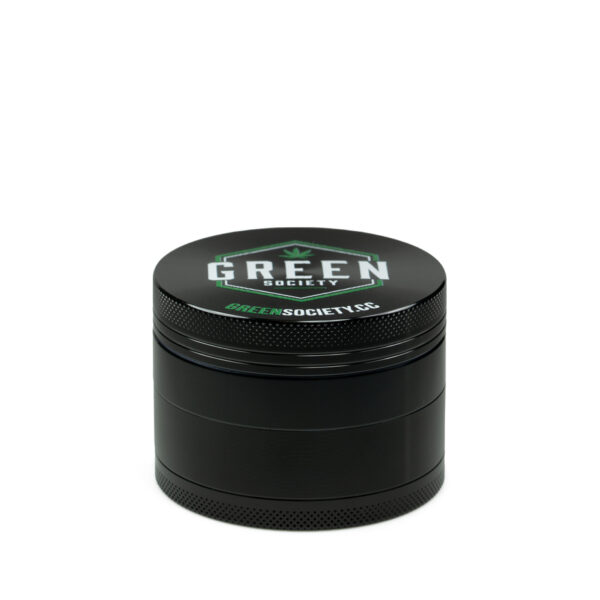
 Green Society Herb Grinder
$40.00
Green Society Herb Grinder
$40.00


Choosing the right cannabis products for your wellness routine has never felt more complicated. New research drops monthly, product formats multiply, and marketing claims often outpace the science. Whether you’re exploring cannabis for pain relief, better sleep, or stress management, the gap between what’s trending and what’s actually evidence-backed can be wide. This guide cuts through the noise. We break down the core principles for safe integration, highlight the most relevant 2026 trends, compare product types honestly, and flag who needs to be extra cautious. If you want a grounded, practical approach to cannabis self-care, you’re in the right place.
| Point | Details |
|---|---|
| Start with low doses | Gradually increase and monitor individual responses to reduce risks and improve outcomes. |
| Full-spectrum outperforms isolates | Full-spectrum products may deliver greater wellness effects through the entourage effect. |
| Edibles and tinctures are rising | Non-inhalation forms are favoured for health and ease of use in wellness routines. |
| Benefits strongest for pain | Evidence favours cannabis as an adjunct for pain and inflammation, but is weak for mental health. |
| Older adults and certain groups need caution | Adults over 65, those pregnant, or with heart issues or mental health history should consult professionals first. |
Before you pick a product, you need a framework. Cannabis affects everyone differently because of variations in genetics, metabolism, body weight, and the state of your endocannabinoid system. That’s why the most important principle is start low and go slow. This isn’t just a catchy phrase; it’s the foundation of responsible use.
For dosing, a 3:1 CBD:THC ratio is frequently recommended for beginners because it delivers therapeutic benefit while minimising the psychoactive intensity of THC. You can always increase gradually once you understand how your body responds.
Here’s a simple mindful-use framework to follow:
Pro Tip: If you’re 50 or older, or currently taking prescription medications, speak with your healthcare provider before starting. Drug interactions and heightened sensitivity are real concerns at this stage of life.
Understanding CBD for wellness is a smart starting point if you’re new to this space. CBD-dominant products carry far less risk of overconsumption and are a gentler entry point than high-THC options.
With a clearer understanding of what makes for a safe, effective wellness plan, let’s explore the top cannabis trends reshaping holistic self-care.
The cannabis wellness space is shifting fast. What’s gaining traction in 2026 isn’t about getting high; it’s about getting results. The most significant wellness trends for 2026 reflect a maturing consumer base that wants precision, consistency, and safety.
Here’s what’s dominating right now:
| Trend | Primary benefit | Best product format |
|---|---|---|
| Low-dose formulations | Controlled, predictable effects | Tinctures, low-mg edibles |
| Microdosing | Daily function with mild relief | Capsules, sublingual drops |
| Full-spectrum products | Broader therapeutic range | Oils, whole-plant extracts |
| Non-inhalation methods | Respiratory safety | Edibles, topicals |
| Cannabis and mindfulness | Stress and anxiety support | Tinctures, CBD teas |
“The shift toward low-dose, balanced THC:CBD formulations and non-inhalation methods reflects a wellness community that’s becoming more informed and intentional about how it uses cannabis.”
Now that you have a sound framework for integrating cannabis, let’s define what’s actually trending in the wellness world.
Having seen what’s trending, here’s how common cannabis product types stack up for personal wellness use.
Edibles (gummies, chocolates, capsules) are popular for sustained relief. The trade-off is a delayed onset of 30 to 90 minutes, which catches many beginners off guard and leads to overconsumption. Always wait the full window before taking more.
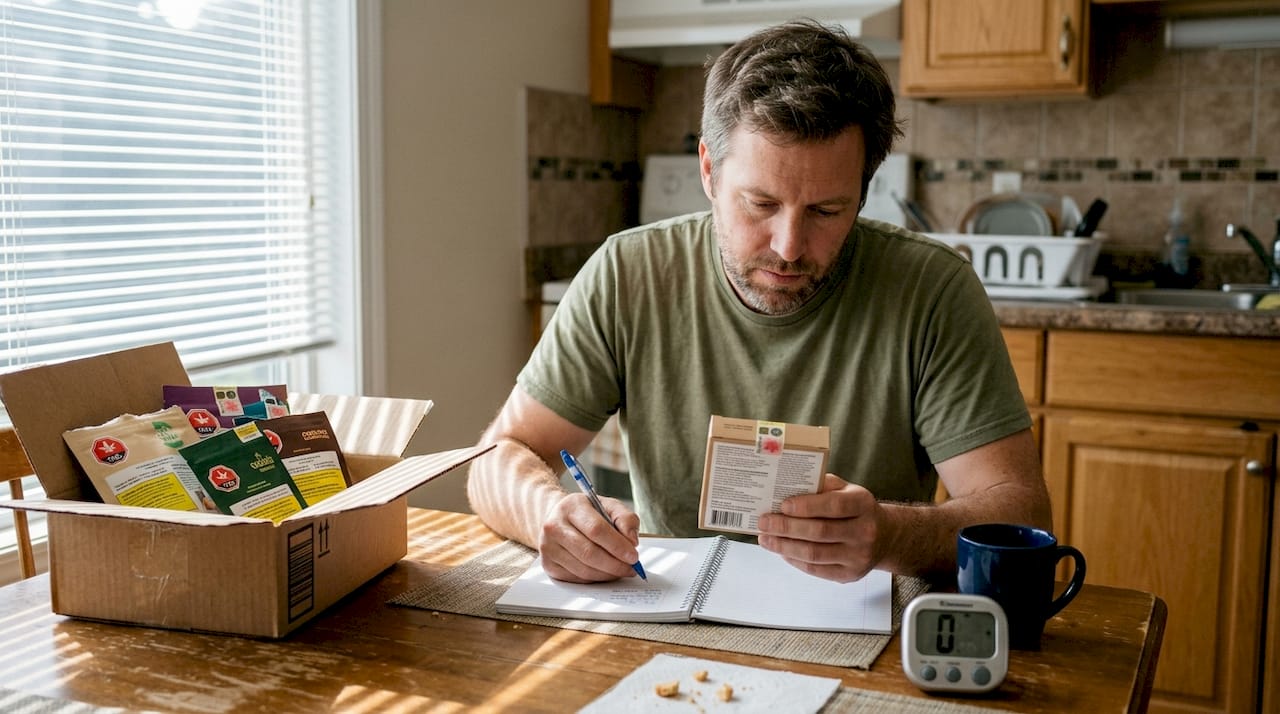
Tinctures are arguably the most versatile option. Taken sublingually, they act within 15 to 45 minutes and allow for very precise dosing. They’re easy to adjust and work well for both beginners and experienced users.
Topicals (creams, balms, patches) are applied directly to the skin for localised muscle or joint relief. They produce no psychoactive effects, making them a safe choice for those sensitive to THC.
Full-spectrum extracts consistently outperform isolates in pain reduction evidence. A meta-analysis of randomised controlled trials found small but meaningful short-term improvements in health-related quality of life (Cohen’s d = 0.30), with full-spectrum products showing superior results for pain specifically. Understanding the difference between full spectrum vs isolate is worth your time before purchasing.
| Wellness goal | Best product type | Onset time |
|---|---|---|
| Chronic pain | Full-spectrum oil or edible | 30 to 90 min |
| Relaxation | Low-dose tincture | 15 to 45 min |
| Muscle soreness | Topical balm | 5 to 20 min |
| Sleep support | CBD edible or capsule | 30 to 60 min |
| General well-being | Microdosed tincture | 15 to 30 min |
For a broader overview of formats, the CBD ingestion methods guide covers the full range of options clearly.
Pro Tip: If you’re new to cannabis, start with a tincture or low-dose edible (under 5 mg THC). These formats give you the most control and the easiest path to finding your ideal dose.
You’ve seen what forms products take. Now let’s talk about what the latest science says about how well these approaches actually work.
The strongest evidence supports cannabis for chronic pain and inflammation. Recent research continues to affirm moderate short-term relief, particularly with full-spectrum formulations. A meta-analysis on benefits and risks confirmed modest short-term gains in health-related quality of life, with pain being the area of strongest evidence.
Here’s where the evidence actually stands:
“The evidence is most convincing when cannabis is used as an adjunct therapy, supporting other treatments rather than replacing them.”
This is an important distinction. If you’re hoping cannabis will resolve anxiety or insomnia on its own, the science-backed benefits don’t fully support that yet. However, for pain and general quality of life, there’s a reasonable case for careful, monitored use. If you’re weighing your options, choosing CBD products with low or no THC reduces risk while still delivering measurable benefit for many users.
Understanding who should be more cautious is essential before making any changes to your routine.
Cannabis is not equally safe for everyone. Certain groups face meaningfully higher risks, and being honest about that matters more than any wellness trend.
Potency has also increased dramatically over the past decade. Products available today are far stronger than what was common even five years ago, which makes risks for seniors and inexperienced users more significant. Overconsumption is easier than ever.
Pro Tip: Always read product labels carefully for allergens, additives, and THC concentration. Track what you use and how you feel. Our wellness safety tips offer a practical checklist for responsible use.
Most cannabis wellness guides do a decent job of listing trends and product types. What they consistently miss is the importance of long-term tracking and honest dialogue with your healthcare provider. Reading about a trend is not the same as knowing whether it works for you.
Here’s the uncomfortable truth: the endocannabinoid system is deeply individual. What relieves pain for one person may trigger anxiety in another. The evidence base, while growing, is still young. Short-term studies don’t tell us much about what happens after two or three years of regular use.
The real risk isn’t just side effects. It’s overconfidence. Marketing in this industry moves faster than research, and it’s easy to believe a product will do more than it actually can. Don’t chase every trend for 2026 just because it’s gaining attention. Test carefully, track honestly, and tailor your approach over time. Cannabis can be a meaningful part of a wellness routine, but it works best as one piece of a larger, balanced picture.
If you’re ready to move from research to action, GreenSociety.cc has a wide range of products suited to every experience level and wellness goal.
For those who prefer a tastier approach to daily wellness, our guide to CBD edibles covers the best options on the market right now. If skincare and topical wellness are your focus, explore the world of cannabis and CBD beauty products. And if you want to see just how creative edible formats have become, the roundup of incredible edibles is a great place to start. Whether you’re a first-timer or a seasoned wellness user, there’s a format and dose that fits your routine.
Full-spectrum products and low-dose edibles or tinctures are most often recommended because they act broadly across the endocannabinoid system and allow for careful, controlled dosing.
Start low and go slow with a high-CBD or balanced product, increasing your dose gradually only after observing how your body responds over several sessions.
Edibles and tinctures are the preferred choice for health-focused users since they avoid respiratory risks, though you must account for the delayed onset to avoid accidentally taking too much. Non-inhalation methods are clearly trending for this reason.
People 65 and older, those who are pregnant, and individuals with a history of psychosis or heart disease should be cautious or avoid cannabis altogether, given the elevated risks these groups face.
Current evidence is mixed. Cannabis may offer modest help for pain-related sleep disruption, but meta-analyses show it is not consistently effective for anxiety or chronic insomnia on its own.
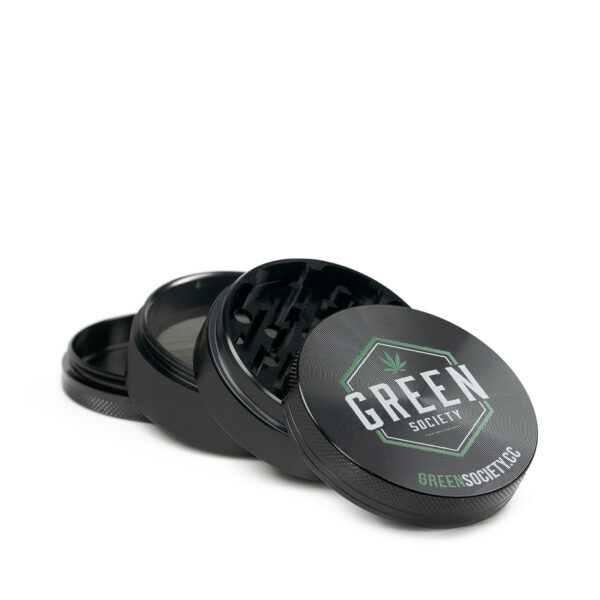 Green Society Herb Grinder