Free Shipping
on orders over $150.00
$40.00
$150.00
Add $110.00 more for free shipping!
-
×
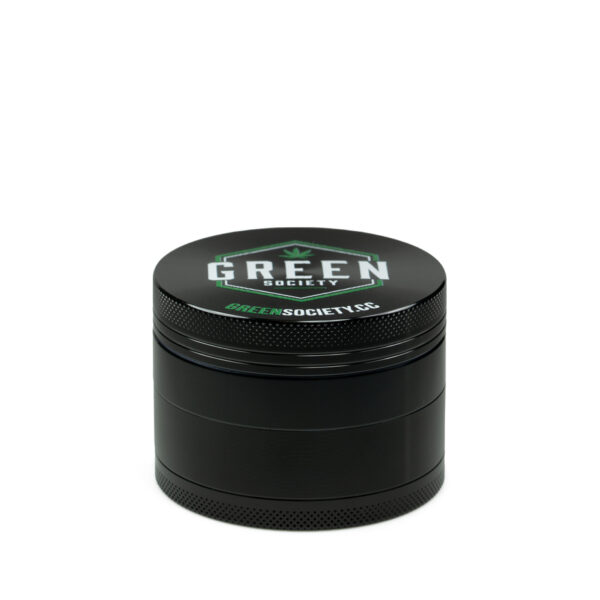
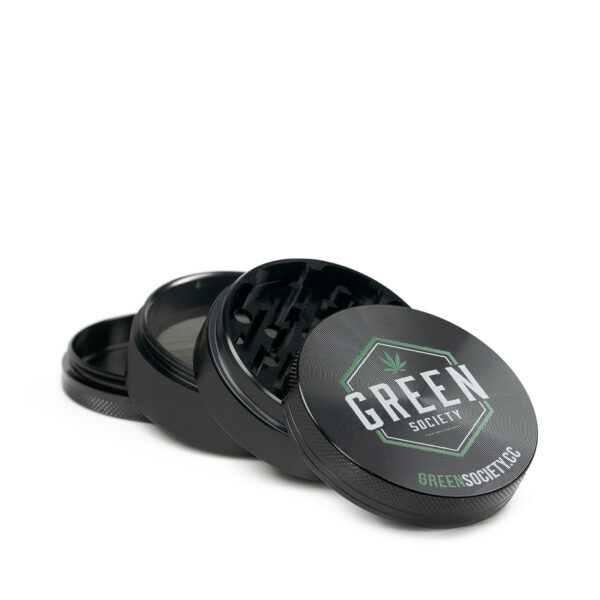 Green Society Herb Grinder
$40.00
Green Society Herb Grinder
$40.00


TL;DR:
- CBD and THC influence pain relief through different mechanisms, with THC directly activating CB1 receptors and CBD modulating inflammation and neurotransmitter activity. Clinical evidence indicates that combining the two often yields better results, especially for neuropathic and cancer-related pain, but individual responses vary. Choosing between them depends on the pain severity, desired effects, and tolerance for psychoactive side effects.
Most people who turn to cannabis for pain relief assume THC is the real workhorse and CBD is just a gentler, less effective option. The reality around CBD vs THC for pain is far more nuanced than that, and getting it wrong can mean weeks of underwhelming results or unnecessary side effects. Both compounds act on your body in fundamentally different ways, suit different pain types, and carry their own risk profiles. This guide breaks down the science, the clinical evidence, and the practical choices so you can approach cannabis pain management with clear expectations rather than guesswork.
| Point | Details |
|---|---|
| Different mechanisms | THC directly binds brain receptors causing stronger pain relief and psychoactive effects, while CBD works indirectly reducing inflammation without a high. |
| Moderate clinical benefits | Cannabinoids show modest but meaningful pain reduction, especially in neuropathic and cancer pain. |
| Balance efficacy and risks | 1:1 THC:CBD ratios often give optimal pain relief with fewer side effects and less tolerance risk. |
| Start low, go slow | Careful dose titration and combining oral and topical delivery help maximize benefits and minimize side effects. |
| Reduce opioids safely | Medical cannabis may help some patients reduce or stop opioids when used under medical supervision. |
To make sense of any CBD THC pain comparison, you need to understand where these two compounds actually do their work. Your body runs a background system called the endocannabinoid system (ECS), a network of receptors, enzymes, and signalling molecules that helps regulate pain, mood, inflammation, and sleep. The cannabis science basics are worth understanding here, because CBD and THC tap into this system in very different ways.
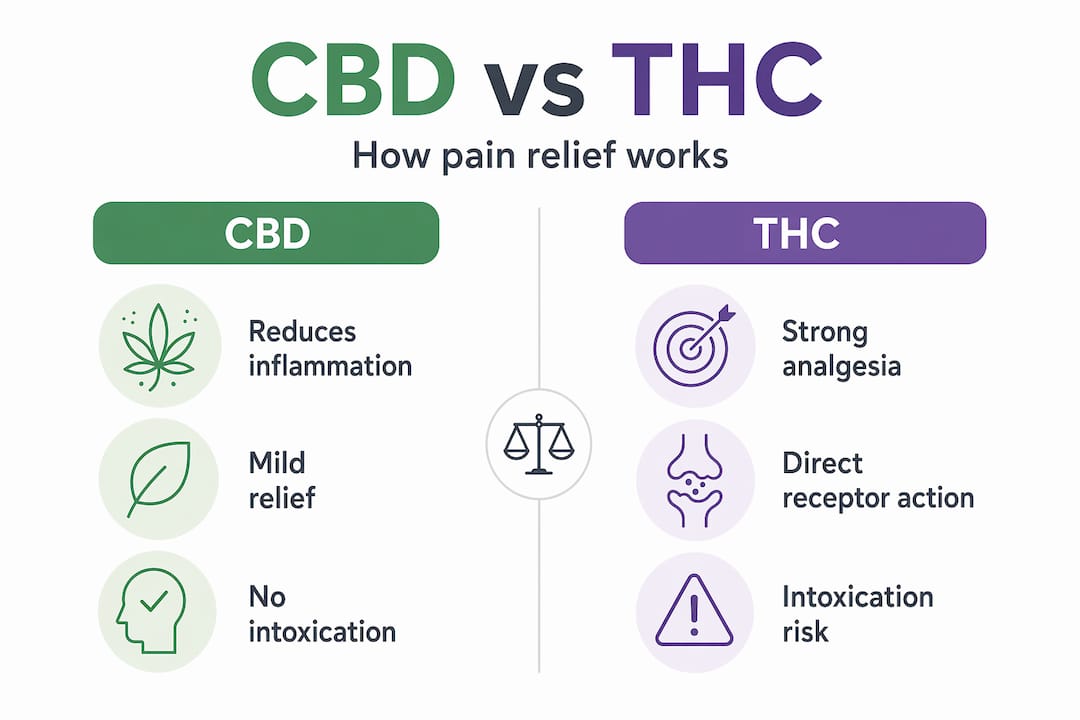
THC is a direct agonist of CB1 receptors, which are concentrated in your brain and spinal cord. When THC binds to these receptors, it alters how your nervous system processes pain signals, essentially turning down the volume on pain perception. That mechanism is also why THC produces its characteristic high. As research confirms, THC works primarily by binding to CB1 receptors in the central nervous system, producing analgesia and psychoactive effects, while CBD acts through multiple indirect mechanisms without causing intoxication.
CBD does not bind meaningfully to CB1 receptors. Instead, it modulates inflammation, interacts with serotonin receptors, and appears to influence how the body breaks down its own natural pain-managing molecules. It is a quieter compound, but that does not make it weak, especially for inflammatory and neuropathic pain types.
Here is a quick summary of how each compound approaches pain:
Different pain types respond differently too. Neuropathic pain (caused by nerve damage) tends to respond well to THC-containing products. Inflammatory pain, like joint swelling in arthritis, often responds to CBD’s anti-inflammatory action.
Having established the mechanisms, let us look at what clinical studies actually reveal about effectiveness. The evidence is encouraging, but it comes with important caveats.
The most-cited landmark work, the 2015 Whiting et al. JAMA systematic review, found moderate-quality evidence that cannabinoids reduce chronic pain, with the strongest results seen in neuropathic pain. More recently, a 2026 systematic review found medical cannabis provides a 10% increased chance of meaningful pain relief in both chronic non-cancer and cancer pain. That might sound modest, but in the context of chronic pain where many treatments fail entirely, a 10% advantage is clinically meaningful.
THC-containing products, particularly nabiximols (a pharmaceutical 1:1 THC:CBD spray), have consistently outperformed CBD-only preparations in head-to-head pain trials. For CBD benefits for chronic pain, the strongest case comes from topical rather than oral use. A 2019 placebo-controlled trial with topical CBD showed significant reduction in neuropathic pain symptoms, with no reported adverse events. That is a meaningful finding because it suggests topical CBD may work locally on peripheral nerves without the systemic risks that come with ingestion or inhalation.
| Pain type | Best cannabinoid option | Evidence quality |
|---|---|---|
| Neuropathic pain | THC or 1:1 THC:CBD | Moderate |
| Cancer-related pain | THC or combined products | Moderate |
| Inflammatory/arthritic pain | CBD or combined products | Moderate to low |
| Localised nerve pain | Topical CBD | Moderate |
| General chronic pain | Combined THC:CBD | Moderate |
You can also find a fuller breakdown in our cannabis for chronic pain guide.
“The real limitation of most cannabis pain trials is not effectiveness, it is applicability. Trials use pharmaceutical-grade, precise-dose products that bear little resemblance to what you actually buy from a dispensary.”
This gap matters enormously when you are trying to translate a study result into a real product choice, a point we will return to.
With a clear picture of the evidence, you can now make sense of the trade-offs. This is the heart of the CBD vs THC for pain question for most people.
| Factor | CBD | THC |
|---|---|---|
| Pain relief strength | Mild to moderate | Moderate to strong |
| Intoxication | None | Yes |
| Anti-inflammatory action | Strong | Moderate |
| Risk of cognitive impairment | Very low | Moderate to high |
| Tolerance development | Minimal | Develops over weeks |
| Dependence risk | Low | Low to moderate |
| Suitable for daytime use | Yes | Situational |
As the RethinkTHC research review makes clear, THC offers stronger analgesia but with risks such as cognitive impairment and tolerance, while CBD has milder anti-inflammatory effects and fewer side effects. Neither compound is automatically better. It depends on your pain type, your lifestyle, and your risk tolerance.
The difference between THC and CBD becomes especially relevant when you consider daily functioning. Someone managing chronic back pain while working from home has more flexibility to use THC than someone who drives or operates machinery.
For neuropathic pain specifically, clinical guidance from Ubie recommends balanced ratios rather than either compound in isolation, citing better outcomes with fewer side effects. A 1:1 product gives you THC’s receptor-level analgesia with CBD modulating some of the psychoactive edge and reducing the rate of tolerance development.
Here is what to weigh when choosing:
Tolerance is one of the less-discussed problems with long-term THC use. Research confirms that tolerance to THC develops over weeks, requiring dose escalation, but that combining THC with CBD or rotating strains helps reduce this effect. Tolerance is not a reason to avoid THC for pain, but it does mean you need a strategy, not just a product.
For people managing arthritis-related pain, topical and sublingual CBD options are often a practical starting point precisely because they carry fewer risks during a trial period.

Pro Tip: If you are new to THC for pain, start with a 2:1 CBD-to-THC product rather than a pure THC product. You get some analgesic benefit from the THC while the CBD softens the psychoactive effect and helps you gauge your individual response without getting overwhelmed.
Translating clinical benefits into daily use requires practical dosing and method choices tailored to your pain type, preferences, and risk tolerance. Here is how to approach this methodically.
You can explore cannabis strains for pain to identify which cultivars tend toward higher CBD, higher THC, or balanced profiles, and review cannabis topicals for pain for a detailed look at topical options.
Pro Tip: Pain management with CBD via topicals does not require a medical licence in many Canadian provinces, making topical CBD a practical first step for people who have never used cannabis therapeutically before.
Here is what separates people who get real value from cannabis pain management and people who give up after a frustrating month: realistic expectations and a willingness to treat this as a process, not a prescription.
Most cannabis users expect near-complete pain elimination. The evidence consistently shows that most cannabis pain studies are small, short-term, and use pharmaceutical-grade products unlike dispensary flower, meaning real-world effectiveness differs considerably. A 30% reduction in pain intensity is considered a clinically meaningful response. A 30% reduction is also genuinely life-changing when you are living with daily chronic pain. But it is not elimination, and expecting elimination leads to abandoning something that is actually working.
Tolerance is the second issue most people handle badly. They find a dose that works, stick with it for months, watch it lose effect, and then either escalate to uncomfortable doses or conclude cannabis does not work. A smarter approach involves planned tolerance breaks, strain rotation, and using CBD-heavy days to reset your CB1 receptor sensitivity.
The other underappreciated truth is that the CBD vs THC guide that applies to you personally will look different from someone else’s. Two people with the same diagnosis can have wildly different responses to the same product. This is not a flaw in the evidence; it reflects genuine biological variation in endocannabinoid system activity. This is why individualized trial under medical guidance, rather than copying someone else’s routine, is the only real path to consistent results.
Balanced therapies, meaning combinations of cannabinoids, consistent dosing schedules, and integrated approaches alongside other pain management tools, consistently outperform isolated cannabinoid use. Cannabis works best as part of a broader strategy, not as a standalone fix.
Whether you are beginning your research or ready to try your first product, navigating cannabis for pain is much easier when you have quality information and trusted sources alongside your options.
At Green Society, we have put together expert guides and curated product selections to help you make informed choices. Browse our guide to top cannabis strains for pain to find cultivars matched to pain relief profiles, or explore the full range of CBD product options from oils to topicals. New to buying online? Our guide on how to select cannabis flower online walks you through what to look for so you can shop confidently. We stock a wide selection across CBD and THC formulations, with fast, discreet shipping across Canada.
CBD can provide mild to moderate relief for certain pain types, particularly inflammatory pain, but evidence shows its analgesic effect is weaker than THC or combined products. It works best as part of a broader approach rather than a standalone solution for severe chronic pain.
Yes, tolerance to THC builds over weeks to months, which can reduce its pain-relieving effect over time. Rotating strains, taking occasional breaks, or co-using CBD can help maintain effectiveness without constant dose escalation.
Studies confirm that medical cannabis reduces opioid consumption significantly, with 24% of patients in one recent study discontinuing opioids entirely under medical supervision. This should always be managed with a healthcare provider.
Balanced 1:1 THC:CBD ratios are most often recommended for neuropathic pain because they provide meaningful analgesic effect while keeping psychoactive side effects manageable. Pure THC products tend to produce stronger relief but with a less favourable side effect profile.
Yes. A placebo-controlled trial found that transdermal CBD oil produced significant pain reduction and symptom improvement in peripheral neuropathy patients with no reported adverse events. For localised nerve pain, topical CBD is one of the most well-tolerated options available.