Many people assume cannabis and mindfulness naturally complement each other, yet the science reveals a far more nuanced relationship. In 2026, adults across Canada and other regions where cannabis is legal increasingly explore how specific strains and dosages might deepen meditation, reduce stress, and support mental well-being. However, cannabis presents a complex therapeutic tool with both promise and pitfalls. This guide examines the latest research on how cannabis affects the mind, explores the endocannabinoid system’s role in stress regulation, weighs benefits against risks, and provides practical strategies for mindful cannabis use that respects individual differences and promotes genuine wellness.
Table of Contents
Key takeaways
| Point |
Details |
| Cannabis affects mood and stress |
THC and CBD interact with brain systems that regulate emotions, attention, and stress responses relevant to mindfulness. |
| Individual responses vary widely |
Strain type, dosage, consumption method, and personal physiology determine whether cannabis enhances or impairs mindfulness. |
| Risks include cognitive effects |
High-THC products can worsen anxiety, impair memory, and increase paranoia in some users. |
| Balanced strains offer safer options |
CBD presence may reduce THC-related cognitive deficits, supporting more stable mindfulness experiences. |
| Mindful use requires awareness |
Intentional integration, low starting doses, and monitoring mental health help maximise benefits while minimising harm. |
Understanding cannabis and its effects on the mind
Cannabis contains over 100 cannabinoids, terpenes, and other compounds that interact with your brain in distinct ways. THC (tetrahydrocannabinol) produces the psychoactive effects most people associate with cannabis, including altered perception, mood changes, and shifts in time awareness. CBD (cannabidiol) offers non-intoxicating effects that may counterbalance some of THC’s intensity, potentially reducing anxiety and cognitive impairment. These compounds bind to receptors throughout your nervous system, modulating neurotransmitter release and influencing how you process emotions, memories, and sensory information.
When you consume cannabis, it affects systems relevant to mindfulness like attention regulation, emotional reactivity, and present-moment awareness. THC can temporarily disrupt working memory and executive function, making it harder to maintain focused attention during meditation. Conversely, some users report that low doses help quiet mental chatter and deepen bodily awareness, key components of mindfulness practice. The variability stems from cannabis’s complex pharmacology: different ratios of cannabinoids, varying terpene profiles, and individual differences in receptor density all shape the subjective experience.
Key factors influencing cannabis effects on mindfulness:
- Cannabinoid ratios (THC:CBD balance)
- Terpene profiles that modulate mood and alertness
- Consumption method affecting onset and duration
- Personal tolerance and receptor sensitivity
- Set and setting during use
Pro Tip: Track your experiences in a journal, noting strain type, dose, consumption method, and how each session affects your mindfulness practice. This personalised data helps you identify patterns and refine your approach over time.
“Cannabis’s therapeutic potential depends on understanding its multifaceted effects on cognition, mood, and behaviour. What enhances well-being for one person may impair another’s mental clarity.”
This complexity means you cannot simply assume cannabis will improve mindfulness. Instead, approach it as a variable that requires careful experimentation, self-observation, and willingness to adjust based on honest assessment of results.
The role of the endocannabinoid system in mindfulness and stress
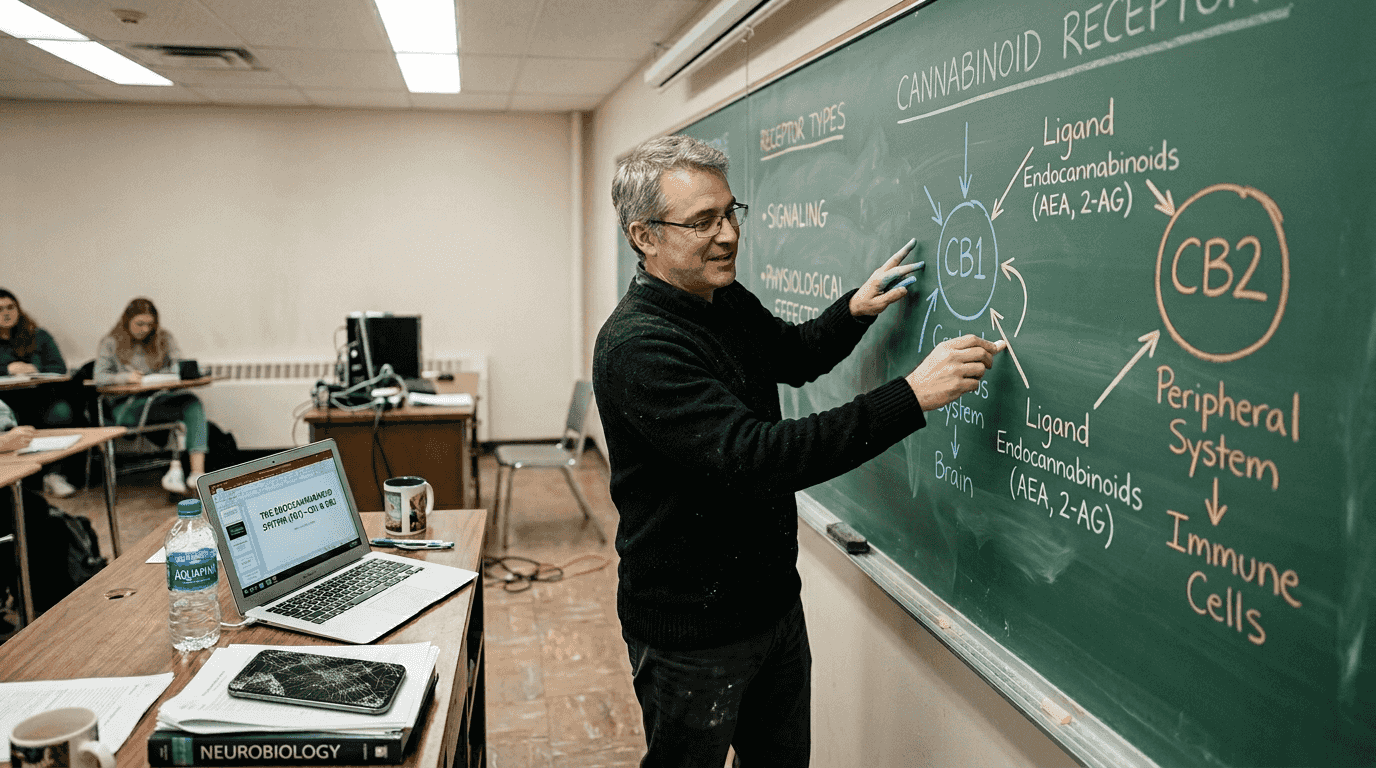
Your body produces its own cannabinoids through the endocannabinoid system (ECS), a network of receptors, enzymes, and signalling molecules that regulate mood, stress response, and emotional processing. The ECS helps maintain homeostasis, adjusting your physiological and psychological states to keep you balanced. When you experience stress, endocannabinoid signalling modulates defensive behaviour and emotional reactivity, essentially fine-tuning how intensely you respond to perceived threats.
Cannabis compounds mimic or enhance your natural endocannabinoids, binding to CB1 and CB2 receptors throughout your brain and body. This interaction can amplify the ECS’s stress-buffering effects, potentially making it easier to maintain equanimity during meditation or daily challenges. Some research suggests that augmenting endocannabinoid activity may protect against chronic stress effects, improve emotional regulation, and support the kind of non-reactive awareness that mindfulness cultivates.

However, the ECS’s role in mindfulness is not straightforward. Overstimulating these receptors with high-THC cannabis can dysregulate the very systems meant to keep you balanced. Regular heavy use may downregulate receptor sensitivity, requiring more cannabis to achieve the same effects and potentially worsening baseline anxiety when not using. This creates a paradox: the system that could support mindfulness becomes compromised by excessive reliance on external cannabinoids.
How the ECS supports mindfulness potential:
- Reduces amygdala reactivity to stressful stimuli
- Enhances prefrontal cortex regulation of emotions
- Modulates memory consolidation of stressful experiences
- Influences neuroplasticity relevant to habit change
Pro Tip: Consider cannabis and stress reduction as complementary to other stress management techniques, not a replacement. Combining moderate cannabis use with regular meditation, exercise, and sleep hygiene produces more sustainable results than relying on cannabis alone.
The ECS provides a biological framework for understanding why cannabis might enhance mindfulness for some people. Yet individual differences in ECS function mean you must discover through careful self-experimentation whether cannabis supports or undermines your practice.
Benefits and risks of combining cannabis with mindfulness practices
The intersection of cannabis and mindfulness reveals both promising benefits and significant risks that vary dramatically between individuals. The interaction between cannabis and mindfulness is complex, with outcomes depending on strain selection, dosage precision, consumption timing, and personal vulnerability to adverse effects. Understanding this nuanced landscape helps you make informed decisions about whether and how to integrate cannabis into your wellness routine.
Some users report that cannabis facilitates entry into meditative states by reducing mental resistance and enhancing present-moment sensory awareness. Low to moderate doses may quiet the default mode network, the brain system responsible for self-referential thinking and rumination that often interferes with mindfulness. This quieting can create space for deeper introspection and acceptance, core mindfulness objectives. Additionally, cannabis’s anxiolytic effects at certain doses may help anxious individuals relax enough to engage with meditation practices they otherwise find difficult.
Yet regular cannabis use can worsen anxiety and mood symptoms, particularly with high-THC products. Memory impairment, paranoia, and cognitive fog undermine the clarity and awareness that mindfulness seeks to cultivate. Some individuals experience increased anxiety or panic during cannabis-enhanced meditation, especially with sativa-dominant strains or doses exceeding their tolerance. The risk of developing cannabis use disorder also increases with frequent use, potentially creating dependence that contradicts mindfulness principles of non-attachment.
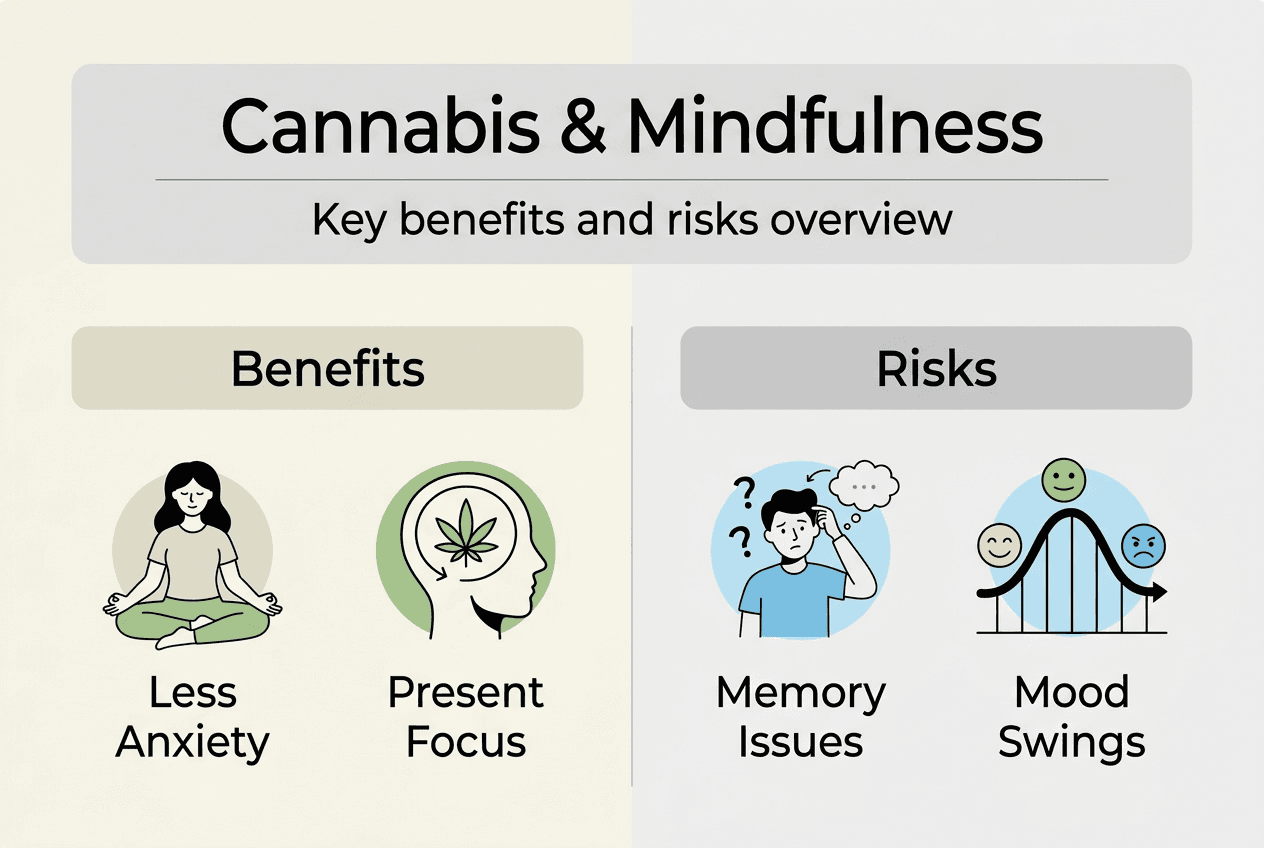
Comparison of potential benefits and risks:
| Aspect |
Potential Benefits |
Potential Risks |
| Anxiety |
Reduced anxiety at low doses; easier relaxation |
Increased anxiety, paranoia at high doses or with susceptible individuals |
| Cognition |
Enhanced sensory awareness; quieter mental chatter |
Impaired working memory; reduced executive function; cognitive fog |
| Mood |
Elevated mood; increased openness |
Worsened depression with regular use; emotional dysregulation |
| Mindfulness depth |
Deeper bodily awareness; reduced resistance |
Reliance replacing genuine skill development; distorted self-perception |
| Long-term effects |
Potential stress resilience with moderate use |
Cannabis use disorder; receptor downregulation; withdrawal symptoms |
CBD presence in cannabis products may mitigate some THC-related cognitive deficits, offering a harm reduction pathway. Strains with balanced THC:CBD ratios (1:1 or higher CBD) tend to produce fewer adverse psychological effects while still providing therapeutic benefits. This makes them more suitable for cannabis for anxiety relief within mindfulness contexts.
Pro Tip: Start with CBD-dominant products before introducing THC. This allows you to assess how cannabinoids affect your mindfulness practice without risking the cognitive impairment and anxiety that high-THC products can trigger.
Brief mindfulness interventions show mixed results for treating cannabis use disorder, with some studies reporting reduced consumption and others finding no significant effect. Longer, more intensive mindfulness programmes appear more effective, suggesting that superficial engagement with either practice limits potential benefits. This reinforces the importance of approaching both cannabis and mindfulness with commitment, education, and realistic expectations rather than seeking quick fixes.
The key takeaway: cannabis can support mindfulness for some people under specific conditions, but it carries real risks that require honest self-assessment and willingness to adjust or discontinue use if adverse effects emerge. Explore cannabis strains for anxiety carefully, prioritising those with established safety profiles and balanced cannabinoid ratios.
Practical tips for mindful cannabis use to enhance well-being
Approaching cannabis mindfully means treating it as a tool that requires skill, awareness, and respect for its complexity. These practical strategies help you maximise potential benefits while minimising risks, supporting genuine mental well-being rather than creating new problems.
-
Choose balanced cannabinoid ratios. Select strains with 1:1 or higher CBD:THC ratios to reduce anxiety risk and cognitive impairment. CBD-dominant products (20:1 or higher) offer therapeutic effects with minimal psychoactivity, ideal for beginners or those sensitive to THC.
-
Start with minimal doses. Begin with 2.5 to 5 mg of THC or less, waiting at least two hours before considering additional consumption. Cannabis use risks depend on concentration and dosage, making conservative starting points essential for safety.
-
Select predictable consumption methods. Vaping or using measured edibles provides more consistent dosing than smoking. Edibles take longer to onset (60 to 90 minutes) but offer sustained effects, while vaping produces faster, shorter-duration results that are easier to titrate.
-
Integrate intentionally, not habitually. Use cannabis as an occasional enhancement to established mindfulness practice, not a prerequisite for meditation. Developing genuine mindfulness skills without cannabis ensures you can access these states independently.
-
Monitor your mental health actively. Track mood, anxiety levels, sleep quality, and cognitive clarity in a journal. If you notice worsening symptoms, increased tolerance, or difficulty meditating without cannabis, reduce or discontinue use and consult a healthcare professional.
-
Respect individual vulnerability. Personal or family history of anxiety disorders, psychosis, or substance use disorders increases risk of adverse effects. Consult with a healthcare provider before using cannabis for mental health purposes if these factors apply.
-
Create supportive set and setting. Use cannabis in safe, comfortable environments during times when you have no obligations. Avoid combining with alcohol or other substances that compound cognitive impairment.
-
Learn from quality resources. Explore guides like the cannabis flower checklist to understand product selection, and review evidence-based approaches in using cannabis for anxiety to inform your practice.
Pro Tip: Schedule regular tolerance breaks (one week per month minimum) to prevent receptor downregulation and assess whether cannabis genuinely supports your well-being or has become a crutch. True mindfulness means observing your relationship with cannabis honestly, including recognising when it stops serving you.
These strategies acknowledge that cannabis is neither universally beneficial nor inherently harmful for mindfulness. Your experience depends on how thoughtfully you approach it, how carefully you select products, and how honestly you assess results. Mindful cannabis use requires the same qualities that mindfulness itself cultivates: present-moment awareness, non-judgmental observation, and willingness to adjust based on what you discover.
Explore cannabis resources and products at Green Society
Navigating cannabis options for mindfulness requires reliable information and access to quality products that support your wellness goals. Green Society offers comprehensive guides that help you understand cannabis how is it good for you, exploring therapeutic applications backed by current research. Whether you are new to cannabis or refining your approach, these resources provide the foundation for informed decisions.
The cannabis flower checklist walks you through essential selection criteria, helping you identify strains with appropriate cannabinoid profiles for mindfulness enhancement. For those preferring non-smoking options, discover cbd edibles products that deliver consistent dosing and sustained effects ideal for meditation sessions. These curated selections prioritise quality, transparency, and safety, supporting your journey toward integrating cannabis thoughtfully into wellness routines that honour both the potential and the precautions this complex plant demands.
FAQ
Can cannabis improve mindfulness practices?
Cannabis may help some users enter meditative states by reducing mental resistance and enhancing present-moment awareness, particularly at low doses with balanced THC:CBD ratios. However, effects vary widely based on strain type, individual physiology, tolerance, and consumption method. Scientific evidence remains limited and mixed, with some studies showing enhanced relaxation and others reporting cognitive impairment that undermines mindfulness. Approach cannabis as an experimental tool requiring careful self-observation rather than a guaranteed enhancement.
What are the risks of using cannabis for mindfulness?
High-THC cannabis can significantly impair working memory, increase anxiety or paranoia, and create cognitive fog that contradicts mindfulness objectives of clarity and awareness. Regular use may worsen baseline mood symptoms, lead to receptor downregulation requiring higher doses for effects, and increase risk of developing cannabis use disorder. Some individuals experience heightened anxiety during cannabis-enhanced meditation, particularly with sativa-dominant strains. Personal or family history of mental health conditions amplifies these risks, making professional consultation important before using cannabis for psychological purposes.
How do I choose the right cannabis strain for mindfulness?
Look for strains with balanced or CBD-dominant cannabinoid ratios (1:1 THC:CBD or higher CBD content) to minimise anxiety risk while supporting relaxation. Indica-dominant strains typically promote physical relaxation and mental calm more suitable for meditation than energising sativa varieties. Research cannabis strains for anxiety to identify options with established safety profiles and user reports aligning with mindfulness goals. Start with lower THC percentages (under 15%) and prioritise strains containing terpenes like linalool or myrcene that enhance calming effects.
Can mindfulness help reduce cannabis use disorder?
Research shows mixed results, with some mindfulness-based interventions reducing cannabis consumption while others demonstrate no significant effect compared to control groups. Longer, more intensive mindfulness programmes (eight weeks or more) appear more effective than brief interventions for addressing problematic cannabis use. Mindfulness may help by increasing awareness of triggers, improving emotional regulation that reduces reliance on cannabis for coping, and developing alternative strategies for managing stress. However, mindfulness alone is not a comprehensive treatment for cannabis use disorder, which often requires professional support including cognitive-behavioural therapy and, in some cases, medication-assisted treatment.
Recommended

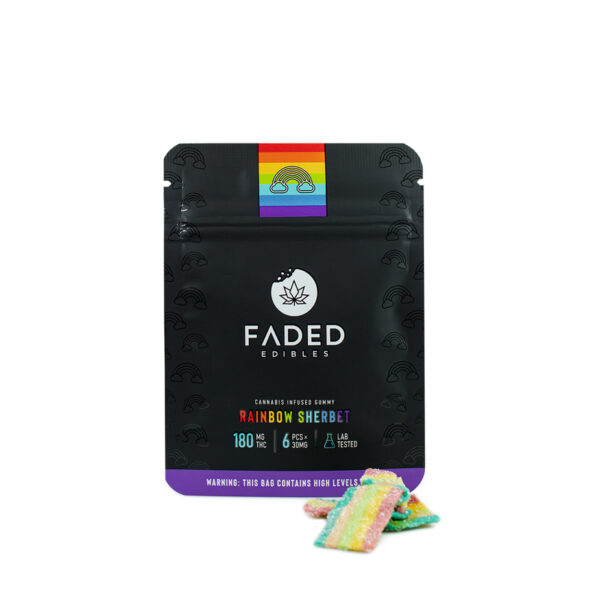 Faded Cannabis Co. Rainbow Sherbet Belts
$14.00
Faded Cannabis Co. Rainbow Sherbet Belts
$14.00 Green Society Herb Grinder
$40.00
Green Society Herb Grinder
$40.00 Green Society Herb Grinder