Buying cannabis legally in Canada for the first time is genuinely straightforward once you know the rules. Here is what you need before you walk into a dispensary or place your first online order:
- Age and ID: You must be 19 or older in most provinces (18 in Alberta and Quebec). Bring government-issued photo ID, such as a driver’s licence or passport.
- Budget: Prices vary by product type and potency. Cash is accepted everywhere; many licensed retailers also take debit.
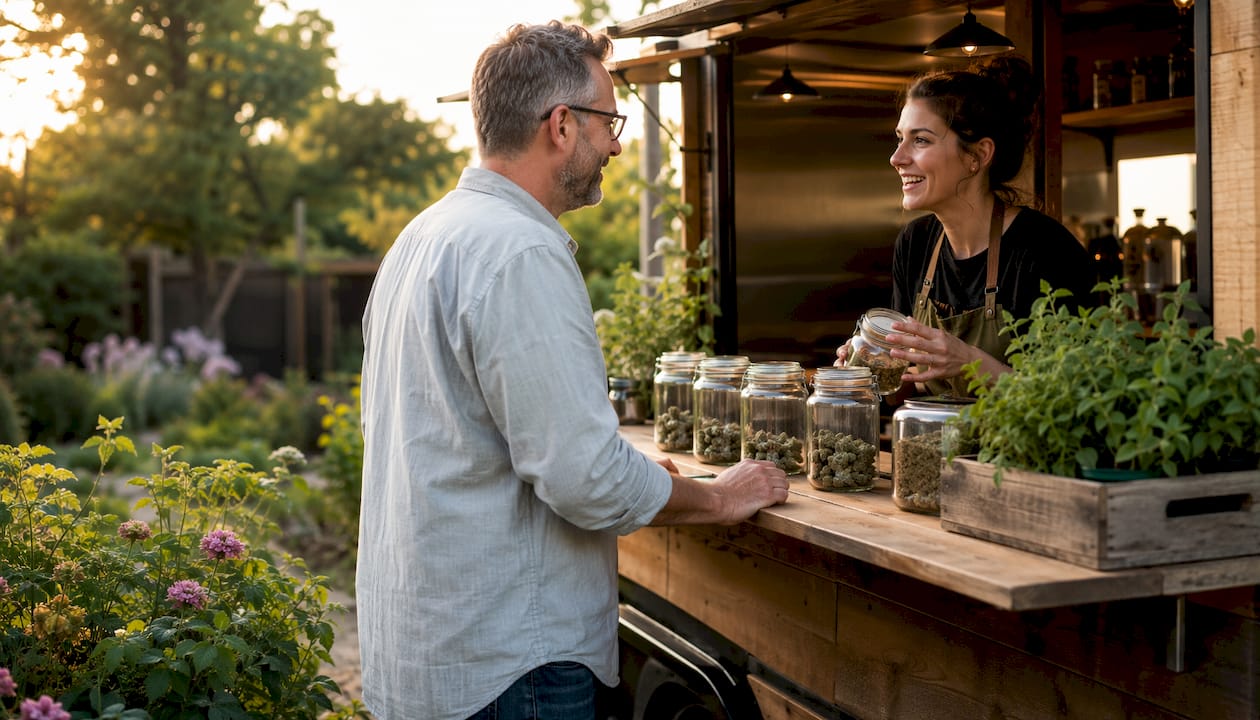
- Tell them it is your first time. Budtenders are trained to guide newcomers. Disclosing first-time buyer status transforms the interaction into a tailored educational experience.
- Start low. Choose products with low THC content (under 10%) or a balanced CBD-to-THC ratio for a manageable first experience. Resist the urge to go straight for the highest-potency option on the shelf.
- Where to buy: Purchase only from a provincially licensed dispensary or a licensed online retailer. Greensociety is a trusted, licensed online source with a full catalogue of flowers, edibles, concentrates, vapes, and CBD products delivered discreetly across Canada.
Table of Contents
How to buy cannabis for the first time, step by step
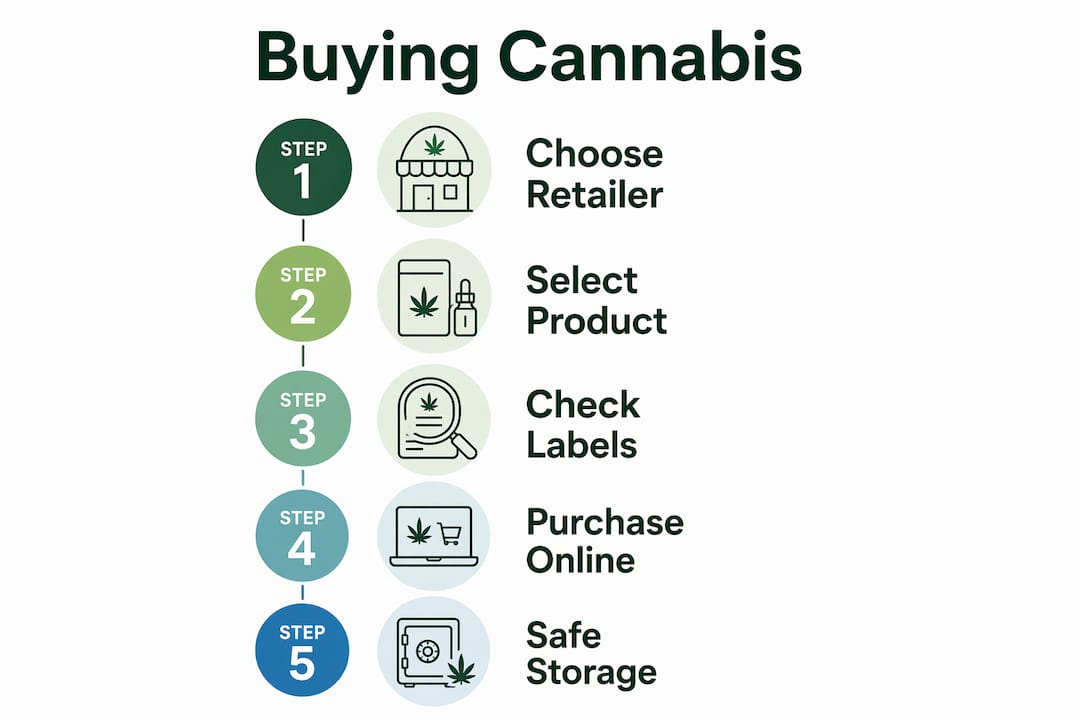
Whether you are visiting a physical dispensary or completing your first online order, the process follows the same logical sequence.
- Verify your identity. In person, staff will check your ID at the door or till. Online, you will complete an age-verification step at checkout. Either way, have government-issued photo ID ready.
- Set a clear intention. Before browsing, decide what you are hoping to achieve: relaxation, better sleep, mild pain relief, or simple curiosity. That goal shapes every product decision that follows.
- Read the labels. Licensed Canadian cannabis packaging must display THC and CBD percentages, net weight, lot number, and a Health Canada excise stamp. Check those figures before adding anything to your basket.
- Ask questions. If you are in a dispensary, tell the budtender your goal and your zero experience. Online, use the retailer’s live chat or FAQ. A good retailer will narrow the catalogue to two or three realistic starting options.
- Choose one product to start. Resist the temptation to buy several formats at once. Pick one low-dose option and learn how your body responds before branching out.
- Complete payment. Cash works at every licensed store. Debit is accepted at most. Credit card acceptance varies because of federal banking restrictions, so check before you arrive or before you check out online.
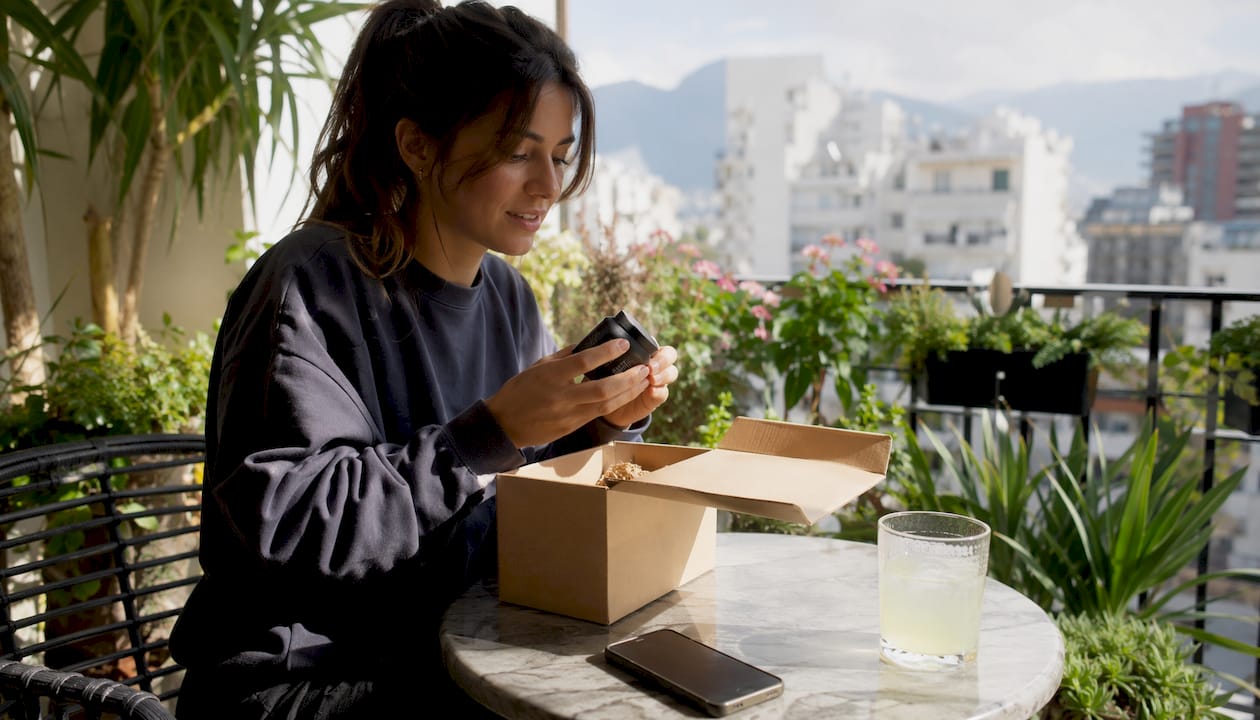
- Receive your order securely. For delivery, most licensed online retailers ship in plain, unmarked packaging with no cannabis branding on the exterior. Follow the safe online purchase workflow to confirm your order arrived intact and matches the label.
- Check provincial rules before consuming. Where and how you can consume varies by province. Confirm the rules for your location before opening the package.
What types of cannabis products are available in Canada?
The licensed Canadian market offers more formats than most first-time buyers expect. Each one has a different onset time, duration, and intensity profile.
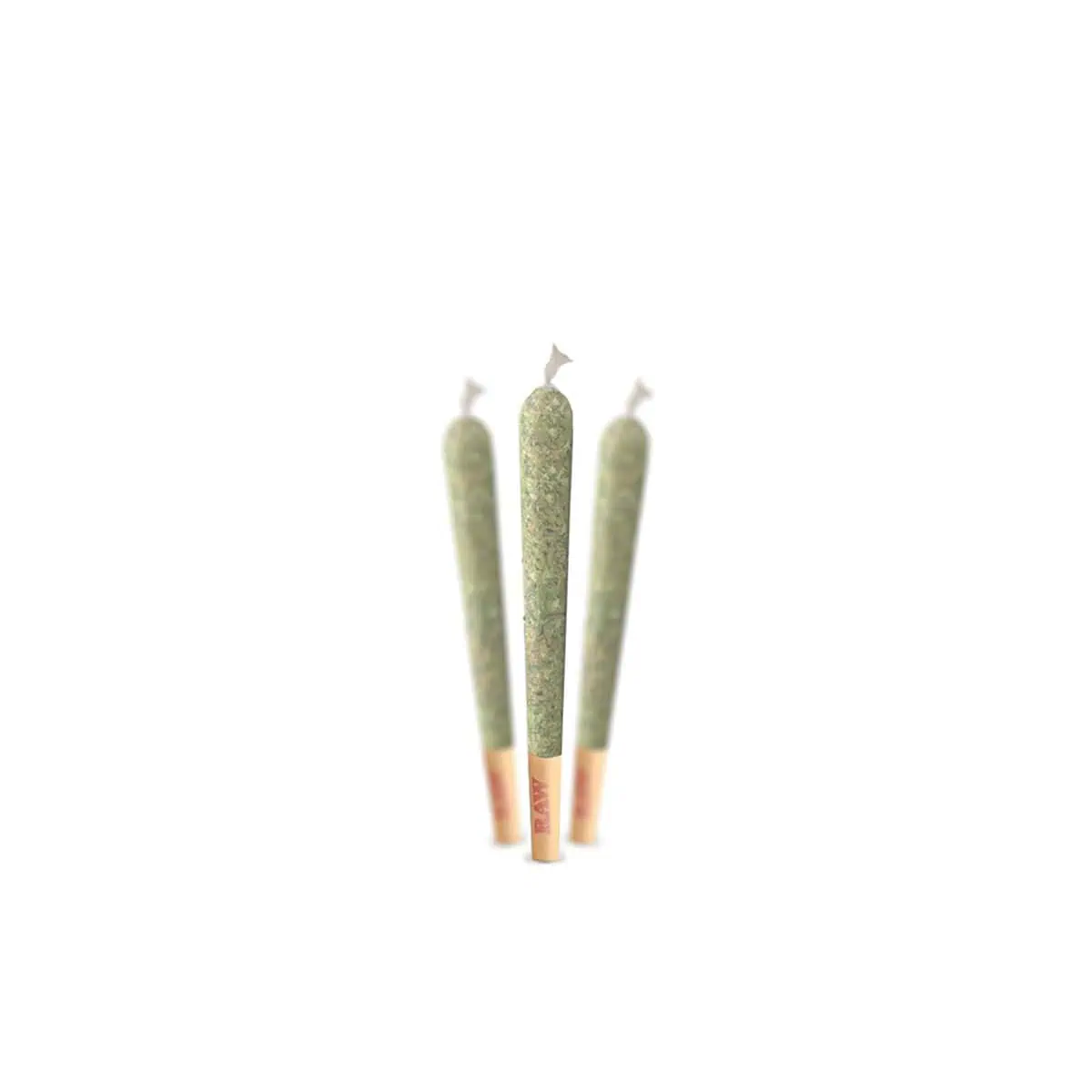
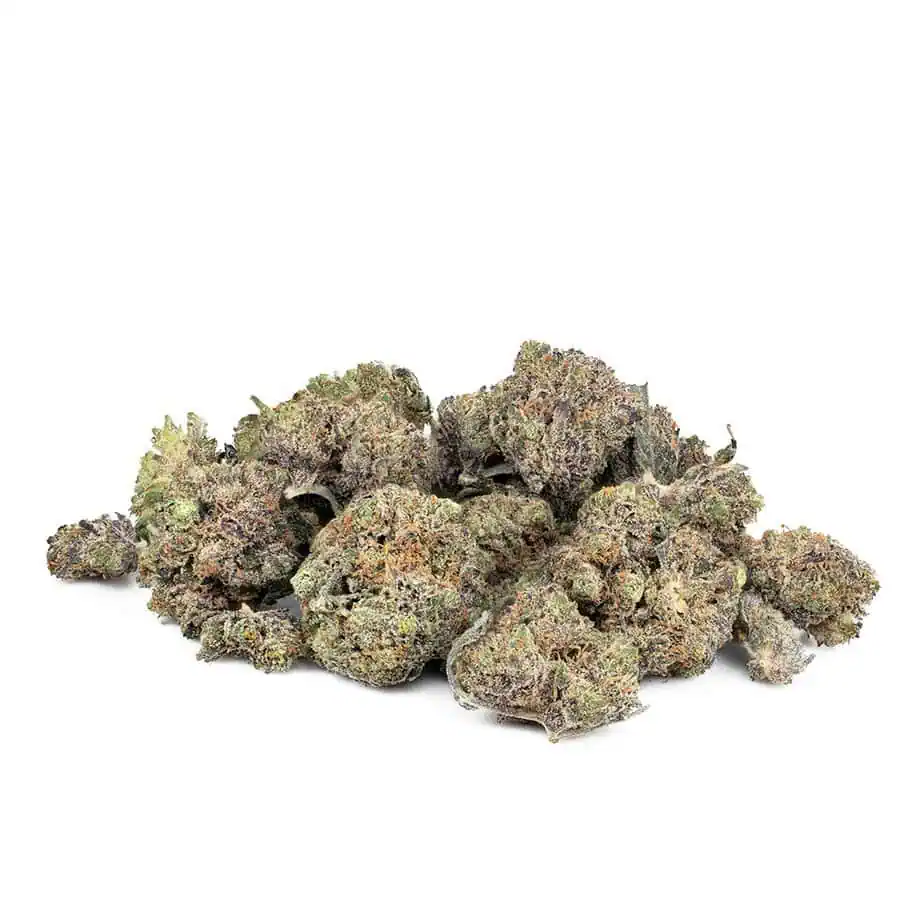
- Flower and pre-rolls. Dried cannabis flower is the most familiar format. Licensed products typically include low-potency to high-potency strains with a range of THC content. Pre-rolls are simply flower rolled and ready to smoke, which makes them convenient for a first purchase.
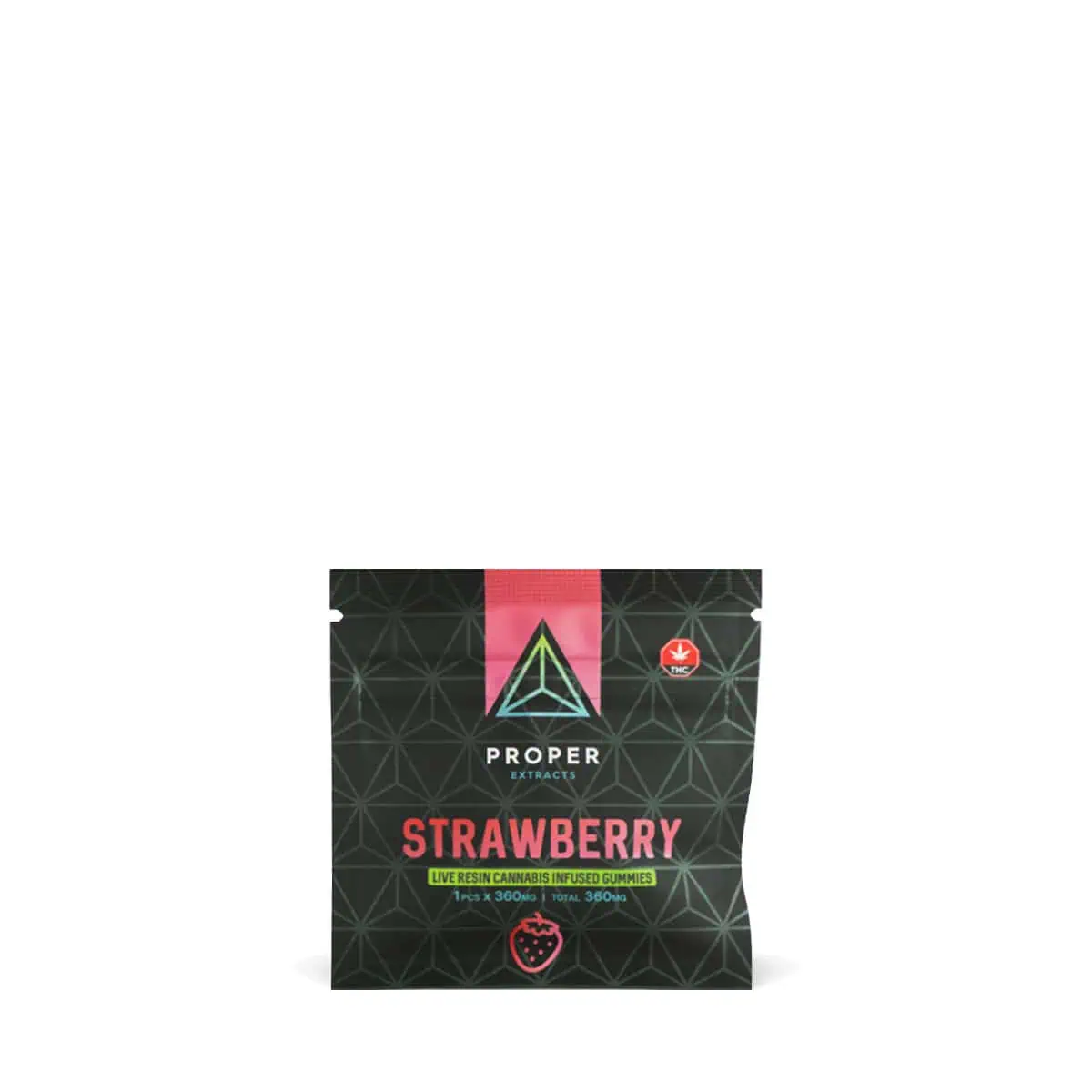
- Edibles. Gummies, chocolates, and beverages are popular with beginners because the dose is pre-measured. The catch is onset time: edibles can take a significant amount of time to produce effects, and those effects last considerably longer than inhaled cannabis. Patience is not optional here.
- Tinctures. A liquid extract held under the tongue for 15–30 seconds before swallowing. Sublingual absorption is faster than a fully swallowed edible and easier to dose precisely. A good option if you want control without smoking. Greensociety’s CBD tincture beginner guide covers the basics clearly.
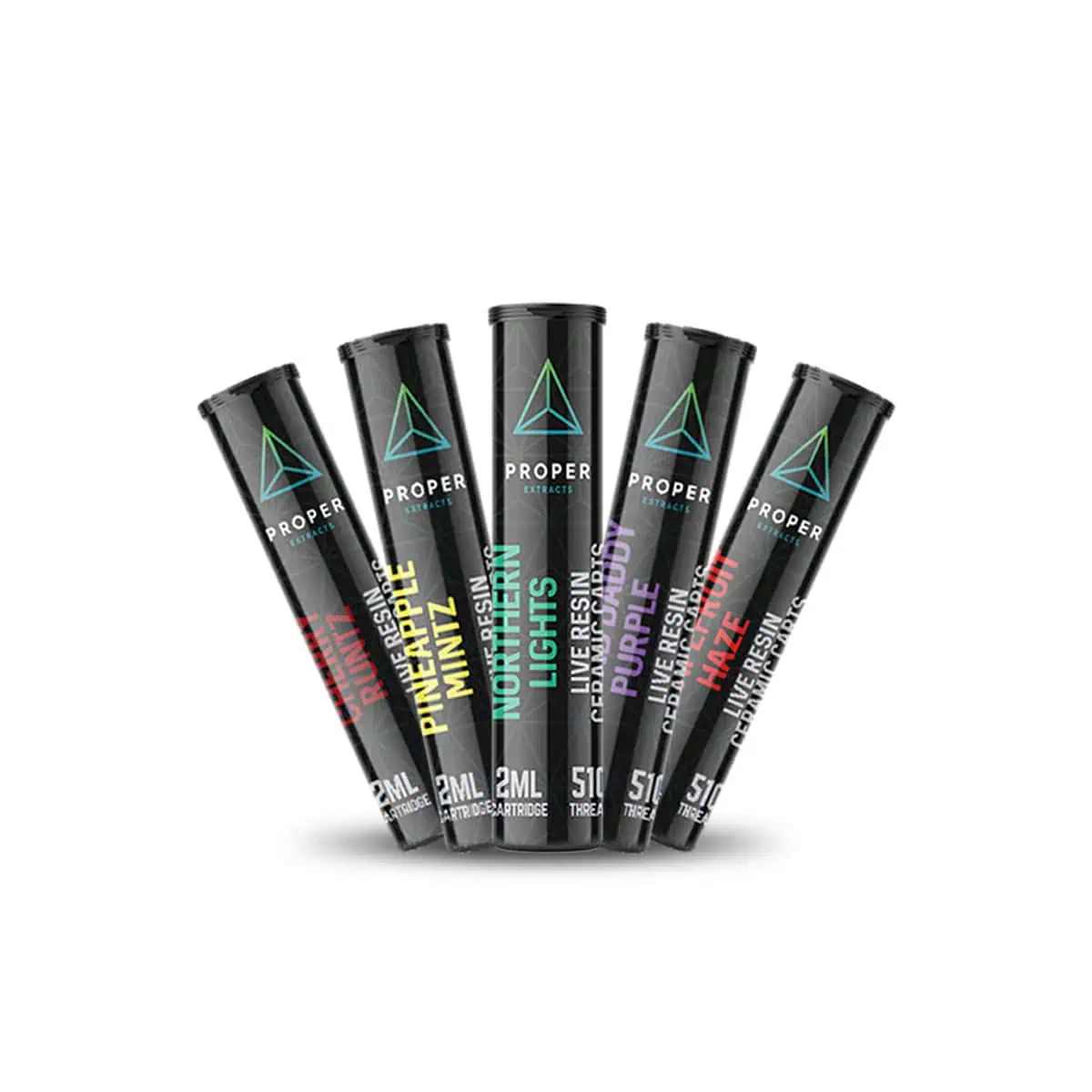
- Vape cartridges. Pre-filled oil cartridges attach to a battery pen and produce vapour rather than smoke. Onset is fast, typically within minutes, which makes it easier to gauge your response. You do need compatible hardware. See Greensociety’s guide to vape pens for Canadians before buying.
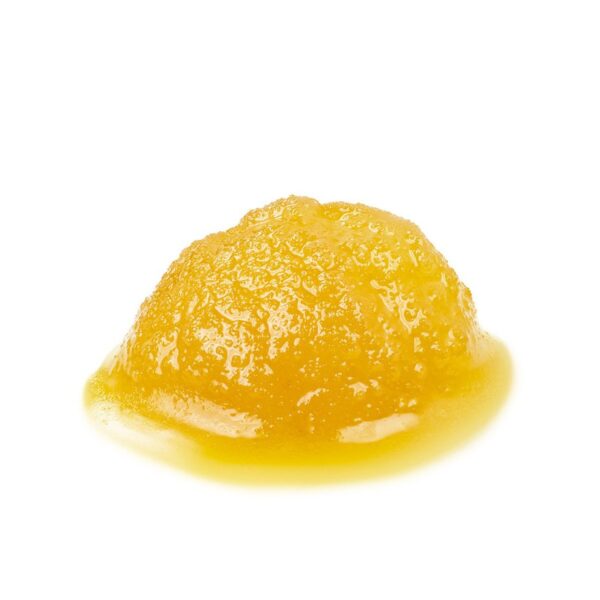
- Concentrates. Wax, shatter, and live resin are high-potency extracts. Not recommended for a first purchase.
- Topicals. Creams, balms, and patches applied directly to skin. They do not produce a psychoactive effect, only localised relief. A genuinely low-risk entry point for anyone curious about cannabis without wanting to feel high.
Pro Tip: When reading a label, look for the terpene profile alongside THC and CBD percentages. Terpenes like myrcene (relaxing) and limonene (uplifting) meaningfully shape the experience, and licensed Canadian products are increasingly required to list them.
Responsible consumption and dosage for beginners
A reliable piece of advice for first-time buyers is to “start low and go slow” because unpleasant experiences often result from ignoring this.
- Start with the lowest available dose. For flower, that means one small inhalation. For edibles, a low dose of THC is recommended as a genuine starting point.
- Wait before taking more. Inhaled cannabis typically presents effects within minutes and lasts for a few hours. Oral cannabis effects take longer to appear and last significantly longer. Dosing again before the first dose has fully arrived is the most common beginner mistake.
- Keep a simple log. Note the product, the dose, the time you consumed, and how you felt at 30, 60, and 120 minutes. Three or four sessions of this gives you a personal baseline that no generic recommendation can match. A cannabis dosing guide can help you structure that process.
- Set and setting matter. Your first experience goes better in a comfortable, familiar environment with people you trust, not at a loud event or in an unfamiliar place.
- Avoid mixing with alcohol. Combining cannabis and alcohol amplifies effects unpredictably, especially for someone without an established tolerance.
Pro Tip: If you take prescription medications, including warfarin, antidepressants, opioids, or seizure medications, consult your pharmacist or physician before your first use. Cannabis interacts with several common drugs in ways that are not always obvious.
Key legal considerations for first-time buyers in Canada
Canada’s Cannabis Act legalised recreational cannabis nationally in October 2018, but the rules that govern where you buy, how much you can carry, and where you can consume are set provincially. Getting these right is not complicated, but skipping them creates real problems.
- Legal age: 19 in most provinces and territories; 18 in Alberta and Quebec. No exceptions at licensed retailers.
- Valid ID: Government-issued photo ID is required. A driver’s licence, passport, or provincial ID card all qualify.
- Possession limits: Adults may possess limited amounts of dried cannabis or its equivalent in public, as defined by provincial regulations. Equivalent amounts apply to other product types based on Health Canada’s conversion table.
- Where you can consume: Rules vary by province. Generally, cannabis can be consumed in private residences and some outdoor public spaces. Consumption is prohibited in vehicles, near schools, and in most indoor public spaces.
- Packaging requirements: Licensed products must come in child-resistant packaging with standardised Health Canada labelling, including the excise stamp. If a product lacks these, it is not from a licensed source.
- Cross-border restrictions: Cannabis cannot legally cross Canadian borders, including into the United States. Possession at a border crossing is a serious criminal offence regardless of the amount.
- Buy only from licensed retailers. Licensed Canadian retailers must display a verifiable Health Canada licence number. Buying from unlicensed sources voids every consumer protection the legal framework provides, including product testing and accurate labelling.
How to choose cannabis products that actually suit you
The right product depends on your goal, your lifestyle, and your comfort with different consumption methods. A framework helps.
- Define your goal first. Relaxation, sleep support, mild pain relief, and social ease all point toward different product types and cannabinoid ratios. Knowing what you want narrows the catalogue immediately.
- Match the format to your lifestyle. If you do not want to smoke, edibles, tinctures, or topicals are obvious alternatives. If discretion matters, a tincture or a low-odour vape is more practical than flower.
- Consider the THC to CBD ratio. High-CBD, low-THC products (such as a 1:1 or 2:1 CBD-to-THC ratio) tend to produce milder, more manageable effects for beginners. Pure high-THC products amplify both the desired effect and the risk of anxiety or discomfort.
- Look for beginner-friendly labelling. Some licensed retailers specifically flag low-dose or “starter” products. Take that signal seriously.
- Calculate price per milligram of THC. The best value metric for comparing cannabis products is price per milligram of THC, not the sticker price. A $30 product with 300 mg of THC costs $0.10 per mg; a $45 product with 500 mg costs $0.09 per mg. The second is objectively better value despite the higher price tag.
- Avoid the grey market. Unlicensed products carry no testing guarantees. Stick to retailers whose lab testing practices are transparent and whose licence number is publicly verifiable.
Expert-backed advice to avoid common beginner mistakes
Most first-time cannabis experiences go sideways for predictable, avoidable reasons. Here is what the research and industry professionals consistently flag.
- Tell the budtender you are new. Experts in 2026 consistently recommend disclosing first-time status to get responsible, tailored recommendations rather than a generic upsell.
- Treat the first few sessions as research, not recreation. Starting low and adjusting slowly across multiple sessions is how you find your personal dose. Chasing potency on session one is the fastest route to a bad experience.
- Verify the licence before you buy online. Licensed Canadian operators display a Health Canada licence number that resolves to a public registry entry on canada.ca. That 30-second check rules out most grey-market sellers.
- Read the Certificate of Analysis (COA). A COA from a third-party lab confirms the product’s actual cannabinoid content and screens for pesticides, heavy metals, and microbial contamination. If a product listing does not link to one, treat the label claims as unverified.
- Do not redose too soon. Especially with edibles. The 30-to-120-minute onset window means many beginners take a second dose before the first one has fully arrived, then find themselves far more affected than intended.
- Cannabis affects people differently. Genetics, body composition, medication history, and prior exposure all shape the response. A dose that barely affects one person can be overwhelming for another.
Pro Tip: If you are on a prescription medication regimen, a brief conversation with your pharmacist before your first purchase takes minutes and prevents interactions that would otherwise surface only after a problem develops.

How to store cannabis safely at home
Proper storage protects both the product’s quality and the people in your household.
Keep cannabis in its original child-resistant packaging until you are ready to use it. If you transfer it to another container, use an airtight, opaque vessel, such as a glass jar with a locking lid, stored away from heat, light, and humidity. A cool, dark cupboard works well. Avoid the refrigerator, where condensation degrades flower and edibles faster than room-temperature storage does.
The most critical storage rule is accessibility. Cannabis must be kept out of reach of children and pets at all times. A locked box or a high, latched cabinet is the standard approach. Edibles are a particular risk because they look identical to ordinary food. Never leave them loose in a kitchen drawer or on a counter.
Label your storage container clearly, especially if you have multiple products. Note the product name, THC/CBD content, and purchase date. Cannabis flower stays fresh for roughly six months to a year when stored correctly; edibles follow the best-before date on the original packaging.
Greensociety makes your first legal cannabis order simple
First-time buyers often spend more time second-guessing their choice of retailer than choosing the actual product. Greensociety removes that friction. As a licensed online cannabis dispensary, Greensociety ships flowers, edibles, concentrates, vapes, and CBD products across Canada in plain, discreet packaging with no cannabis branding on the exterior.
Every product on the Greensociety platform comes from licensed producers and carries lab-verified cannabinoid content, so the label you read is the product you receive. The catalogue is built for every experience level, with clearly labelled low-dose and balanced options that suit a beginner’s first order as well as a connoisseur’s regular shop. If you are ready to put this guide into practice, start with the cannabis flower buying workflow to select your first product with confidence, or browse the full Greensociety catalogue at greensociety.cc.
Key takeaways
Canada’s legal cannabis market gives first-time buyers access to tested, accurately labelled products from licensed retailers, and the safest first purchase starts with low THC, a clear goal, and a verified retailer.
| Point |
Details |
| Start with low THC |
Choose products with low THC content (under 10%) or a balanced CBD-to-THC ratio for a manageable first experience. |
| Wait before redosing |
Edibles take 30 minutes to 2 hours to onset; dosing again too soon is the most common beginner mistake. |
| Verify the licence |
Check the retailer’s Health Canada licence number against the public registry at canada.ca before buying online. |
| Calculate value correctly |
Price per milligram of THC, not sticker price, is the reliable metric for comparing cannabis products. |
| Greensociety for beginners |
Greensociety offers lab-verified, low-dose options with discreet delivery across Canada for a confident first order. |
Recommended
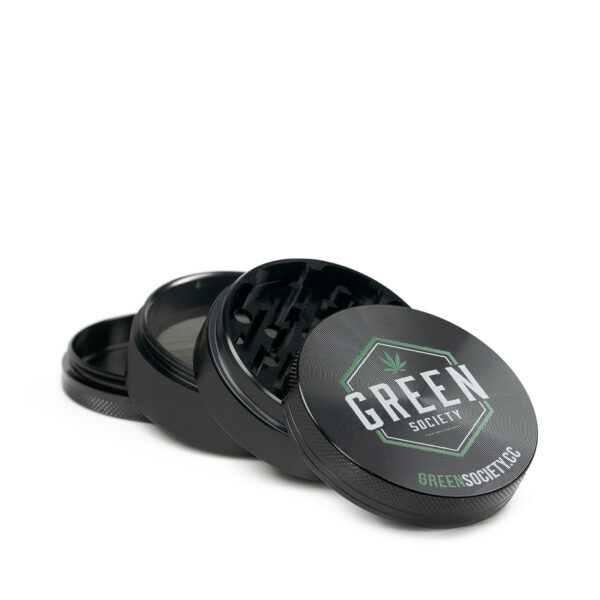 Green Society Herb Grinder
$40.00
Green Society Herb Grinder
$40.00